Bogong moths (Agrotis infusa), barely an inch long, migrate roughly 600 miles each year to aestivate in the Australian Alps. They navigate using a dual-compass system that reads star patterns, including the Milky Way, and senses Earth’s magnetic field as a backup. Experiments that scramble the starfield cause disorientation, showing these celestial cues are crucial to their long nocturnal journeys.
How Tiny Bogong Moths Use the Milky Way and Earth's Magnetic Field to Navigate 600-Mile Migrations
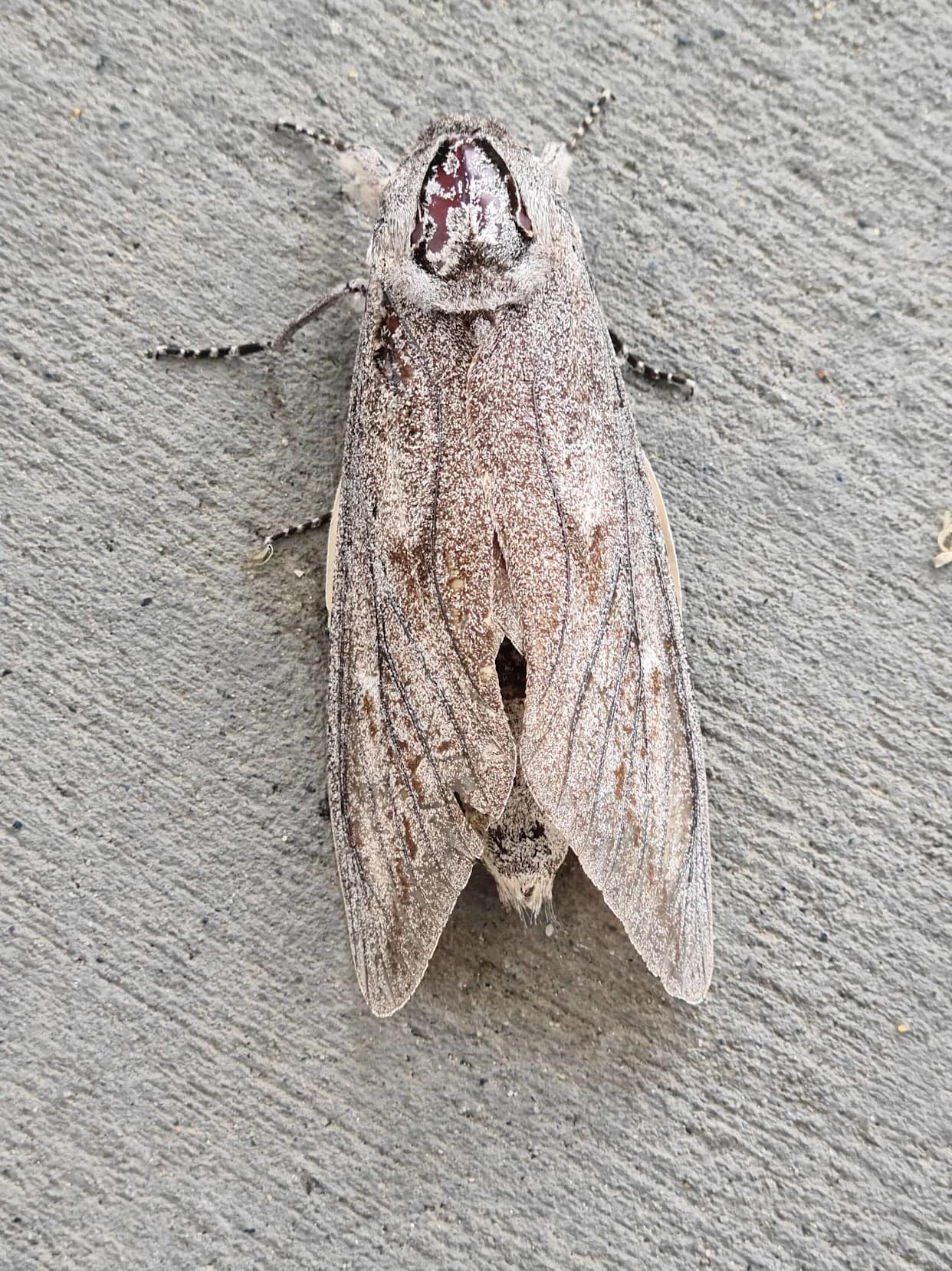
Bogong Moth is a night flying moth. Endangered species in Australua and declining population since 1980's because of droughts in the regions where their lavae grow© Nancy Husband/Shutterstock.com
Tiny bogong moths embark on an astonishing long-distance trek each year, traveling roughly 600 miles to reach cool mountain refuges in the Australian Alps. Despite being only about an inch long, these insects use a remarkable dual-compass system — reading star patterns such as the Milky Way and sensing Earth's magnetic field — to keep on course.
The Journey
Bogong moths (Agrotis infusa) breed across New South Wales, Queensland and Victoria. In spring, adults migrate at night toward high-elevation caves and rock crevices in the Australian Alps where they enter aestivation — a summer dormancy that helps them survive hot, dry conditions until cooler weather returns.
Dual-Compass Navigation
Research indicates bogong moths combine two orientation systems. First, they appear able to detect and use large-scale star patterns, including the glow of the Milky Way, to maintain a consistent flight heading. Second, they are sensitive to Earth's magnetic field (magnetoreception), which serves as a reliable backup when celestial cues are obscured by clouds or other conditions.

A bogong moth (Agrotis infusa) rests on a native blossom. It uses the Milky Way to navigate.©Andrew Allen Photography/Shutterstock.com(Andrew Allen Photography/Shutterstock.com)
Experimental Evidence
Laboratory and field experiments that present moths with an altered or random starfield — one that lacks the familiar Milky Way pattern — cause the insects to lose directional consistency and fly in scattered directions. These results support the conclusion that specific celestial patterns are important navigation cues. When star cues are unavailable, magnetic sensitivity helps the moths reorient and continue toward their alpine destinations.
Why This Matters
The navigation strategy of bogong moths reveals complex sensory and behavioral adaptations in a very small animal. Their compact, redundant system — combining celestial and geomagnetic information — rivals the navigational toolkits seen in migratory birds and speaks to the sophisticated ways even tiny insects solve large-scale challenges.
Image credit: Andrew Allen Photography / Shutterstock
Help us improve.