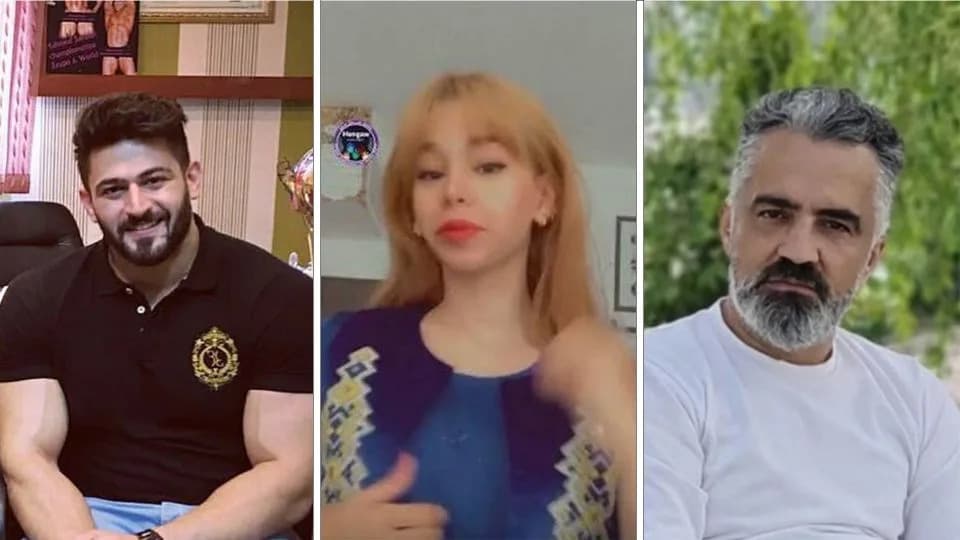
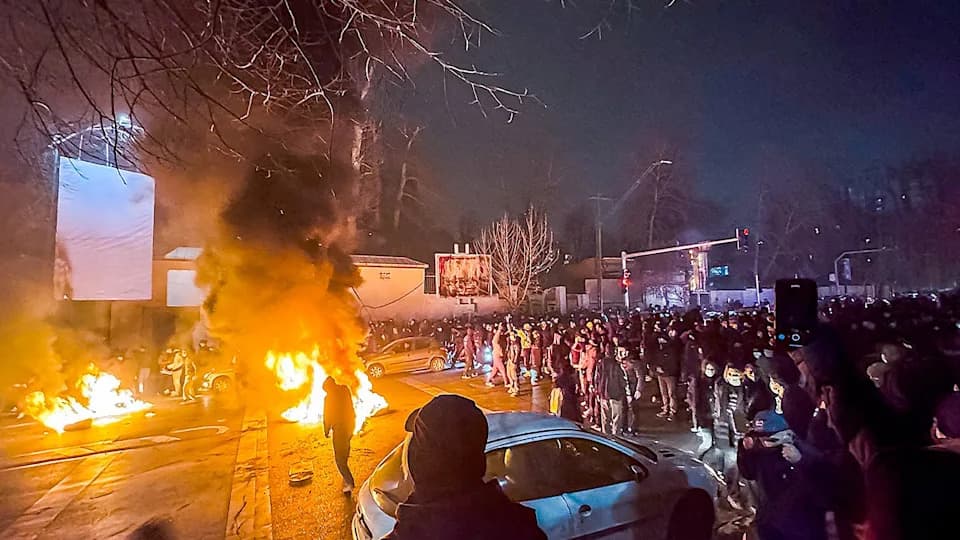
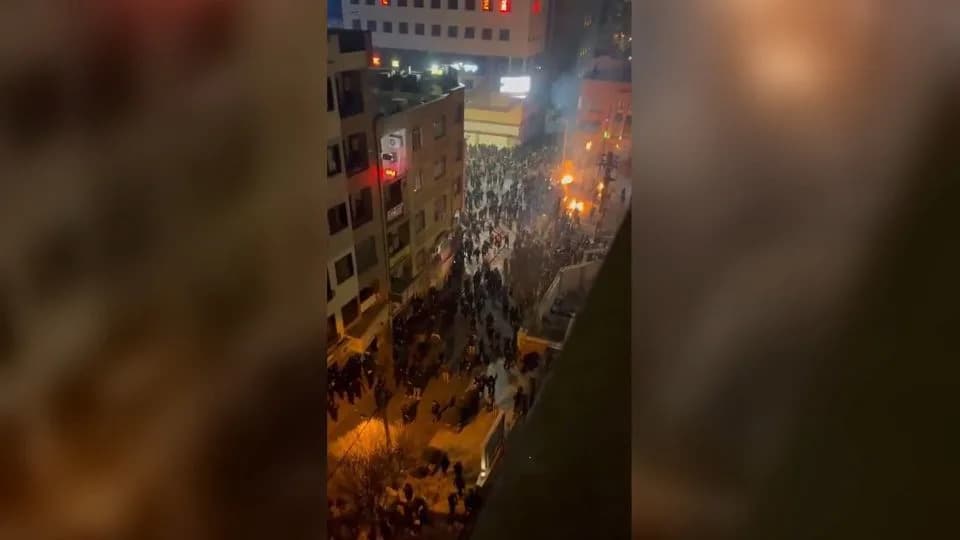
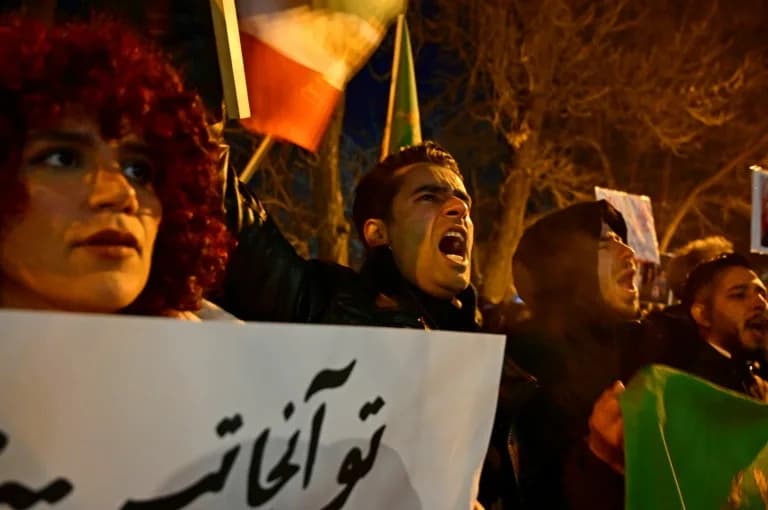
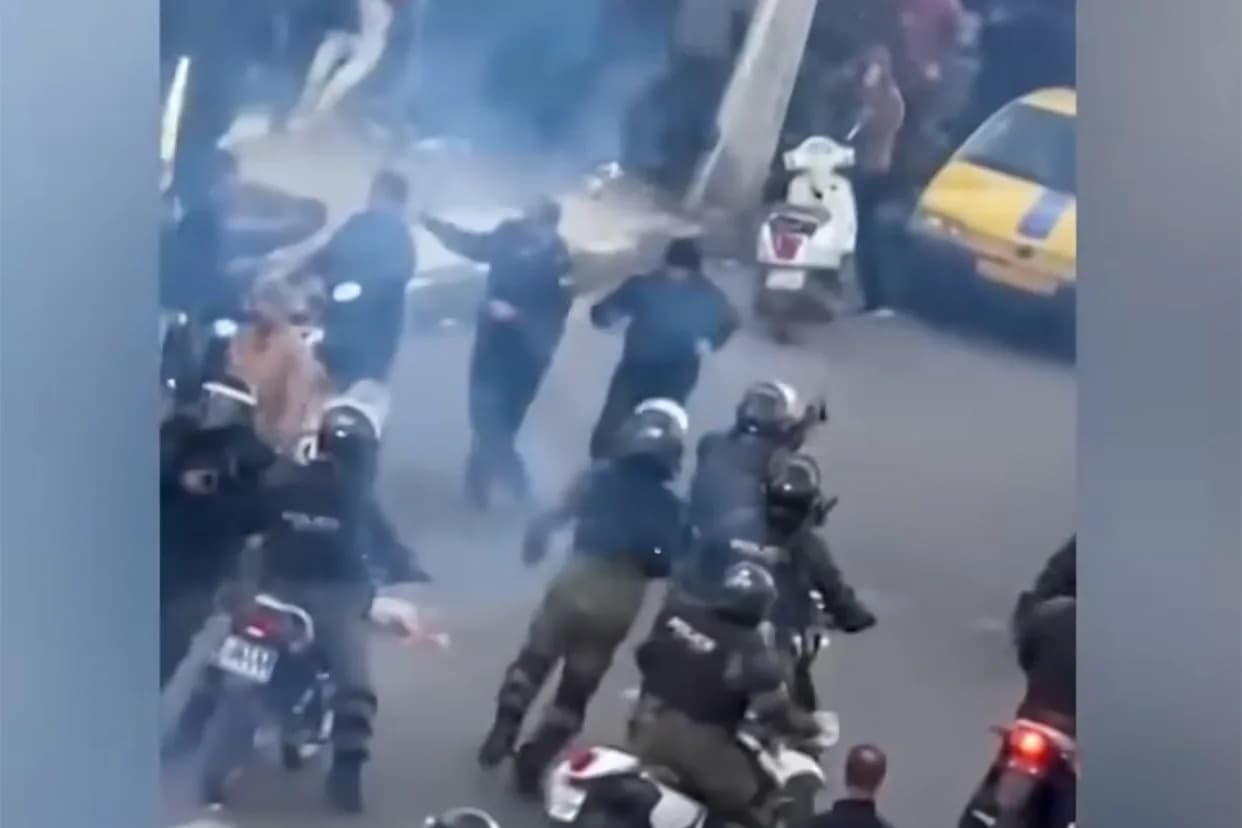
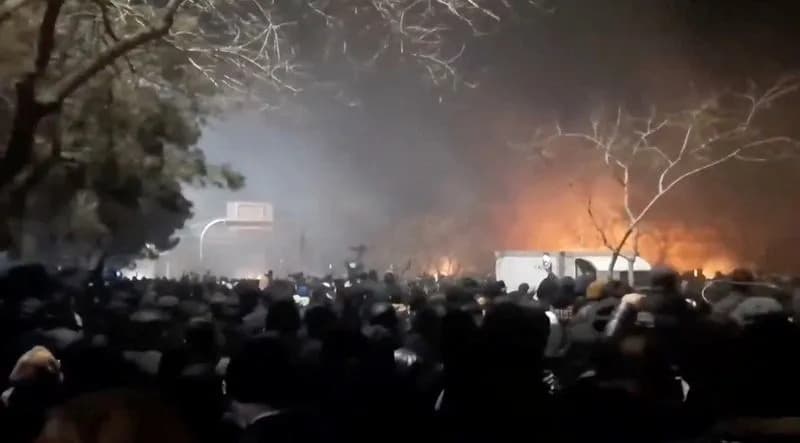
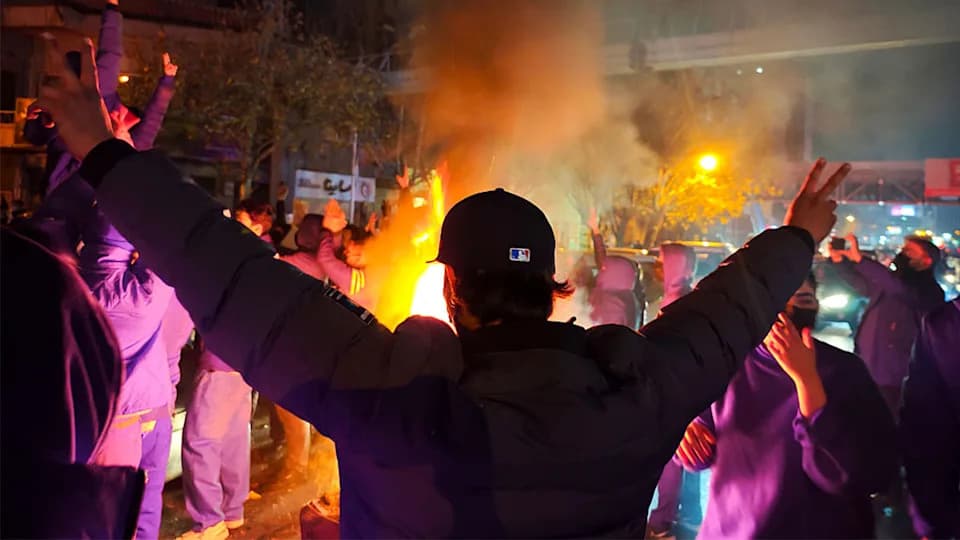
Robina Aminian, a Kurdish fashion student in Tehran, was reportedly shot during protests on Jan. 8. Her mother says she searched through piles of corpses at crowded morgues to find Robina, then fled and buried her in an unmarked roadside grave fearing official interference. Rights groups report overwhelmed mortuaries and thousands killed in the unrest, while communications limits inside Iran have prevented independent confirmation of many details.
Family Searches Piles Of Corpses For Iranian Protester’s Body; Buries Her In Unmarked Roadside Grave
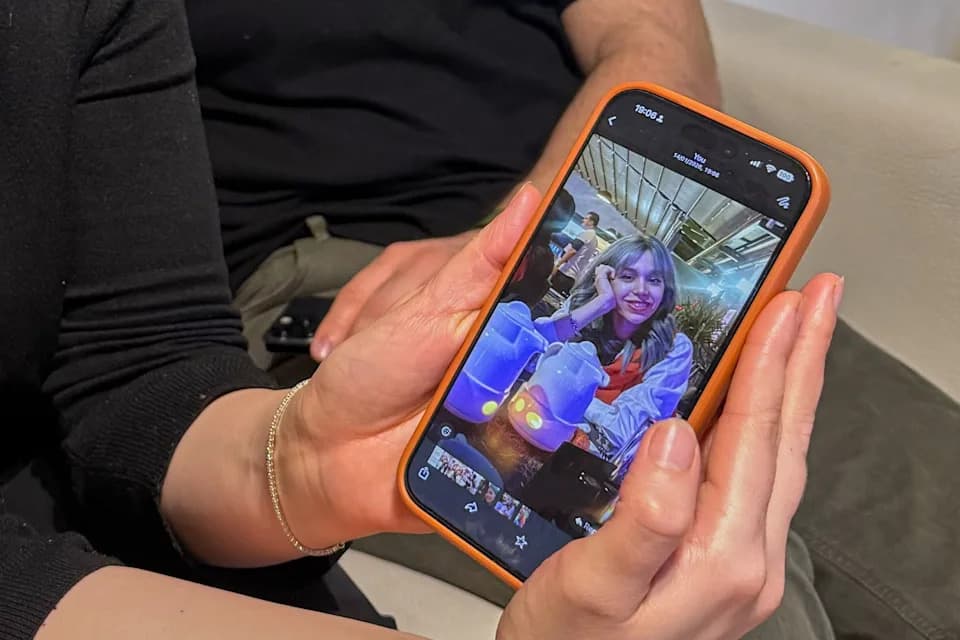
Hali Norei shows a picture of her 23-year-old niece Robina Aminian as she gives an interview alongside her partner Nezar Minoei, in Oslo, Norway, Wednesday, Jan. 14, 2025. Aminian, a university student, was killed during Iran's protests. (AP Photo/Bjornar Verpeide)(ASSOCIATED PRESS)
Robina Aminian, a Kurdish college student studying fashion in Tehran, was reportedly shot in the back of the head during nationwide protests on Jan. 8. Her family says the killing was only the start of a traumatic ordeal: Aminian’s mother searched through stacks of bloodied corpses at overwhelmed morgues to find her daughter, then fled with the body and buried her in an unmarked roadside grave for fear that authorities would block retrieval or demand payment.
What Relatives Say
According to relatives who spoke with the Associated Press, Aminian’s mother, Amina Norei, received a call from her daughter’s friends on the night of the shooting and later traveled from Kermanshah to Tehran to identify the body. The family recounts that Norei unzipped numerous body bags before finding Robina and that, fearing interference from security forces, the family drove out of town and buried her hastily beside a roadway.
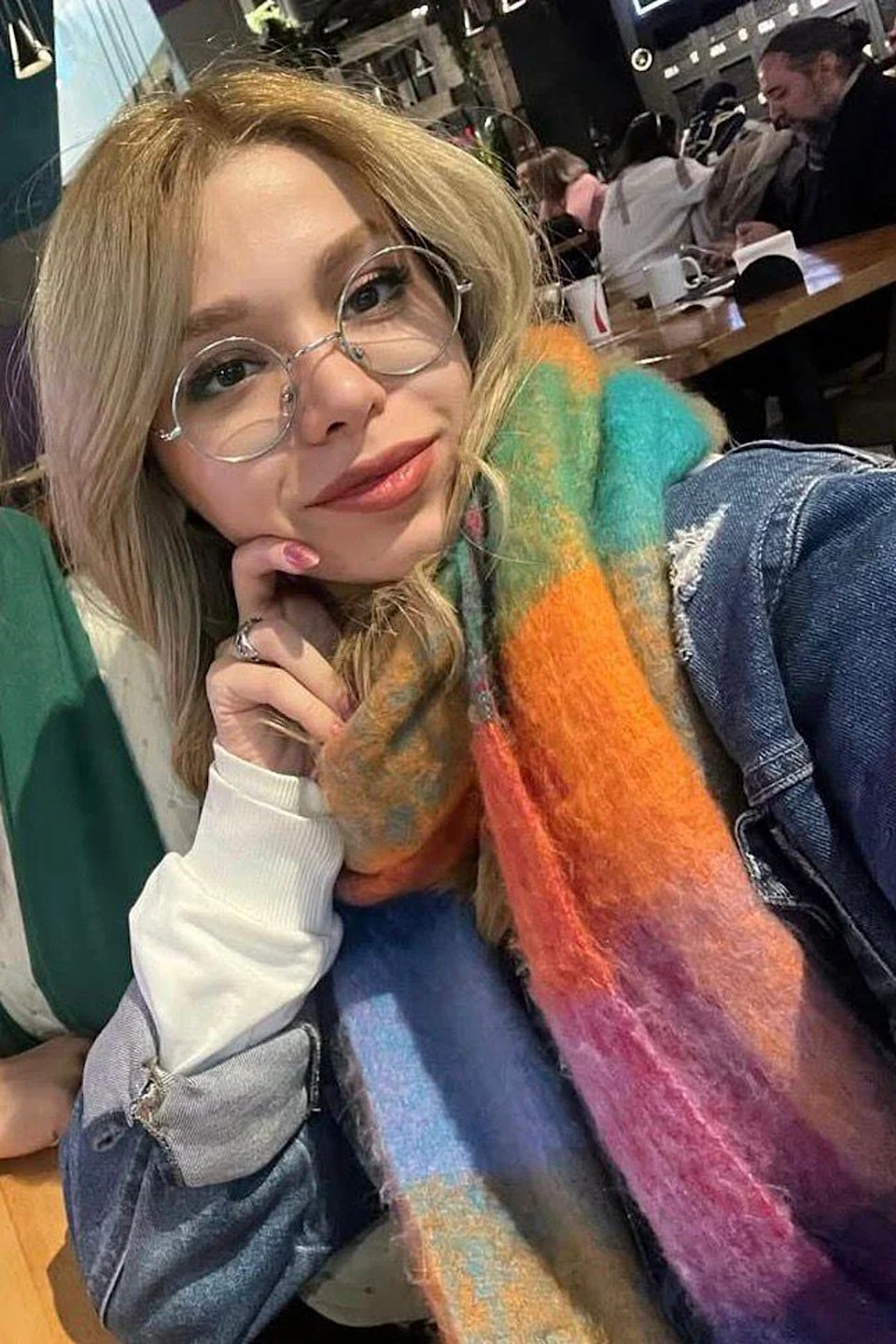
This photo released by the family of Robina Aminian shows her taking a selfie at a cafe in Tehran, Iran, Feb. 14, 2025. The university student was killed during Iran's protests. (AP Photo)(ASSOCIATED PRESS)
“She wanted a bright future for herself. But unfortunately, the future has been stolen from her,” said Nezar Minoei, Robina’s uncle, who is speaking from Oslo.
Broader Context
Rights groups report that mortuaries across Iran are overwhelmed and that bodies have been stored in trucks, freight containers and warehouses. The U.S.-based Human Rights Activists News Agency has reported at least 3,090 deaths in the unrest; Iran has not released an official toll. Organizations including Iran Human Rights and Amnesty International have documented shootings and other violent crackdowns on demonstrators.
Allegations Of Coercion
The New York City–based Center for Human Rights in Iran has received multiple accounts alleging intelligence forces demanded money from families in exchange for returning bodies and sometimes pressured relatives to sign documents falsely identifying the deceased as security personnel. Iranian state television has stated that mortuary and burial services are free, responding to repeated public allegations.
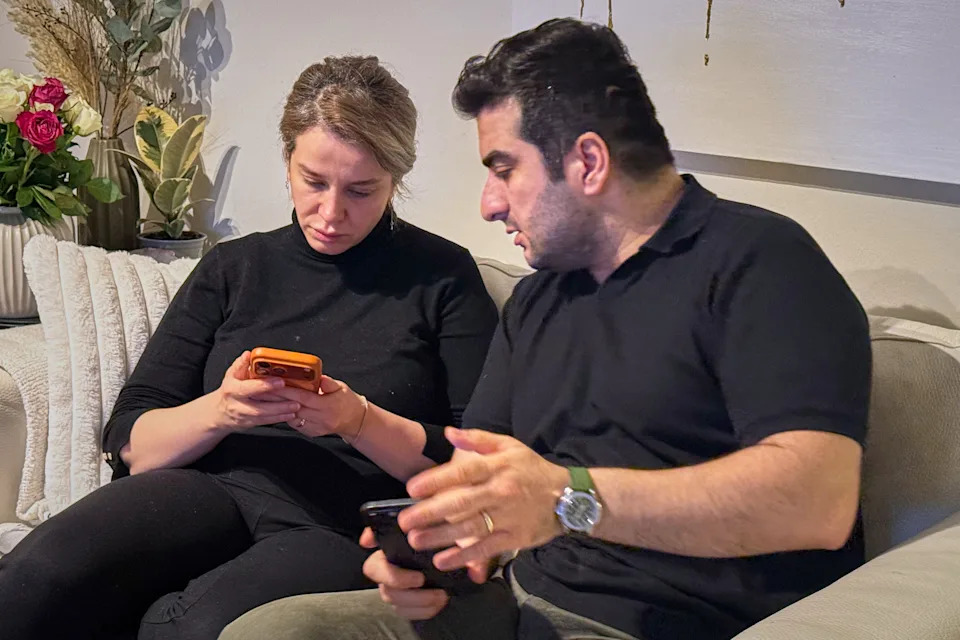
Hali Norei, left, and her partner Nezar Minoei look at pictures of Norei's 23-year-old niece Robina Aminian on a cellphone during an interview in Oslo, Norway, Wednesday, Jan. 14, 2025. Aminian, a university student, was killed during Iran's protests. (AP Photo/Bjornar Verpeide)(ASSOCIATED PRESS)
Limits On Independent Verification
Communications within Iran remain constrained, and independent verification of many details in this case — including the precise circumstances of Aminian’s death, the wounds she sustained and the current location of her remains — has not been possible. The Iranian mission to the United Nations did not respond to requests for comment.
Family Situation
Relatives told the AP they have not been able to hold a funeral for Aminian more than a week after her death and that they have not heard from family members in Iran since last Sunday. The accounts in this article are based on interviews with three relatives and on reports by human rights organizations that have cited witness testimony.
Note: This report relies on family testimony and human rights group documentation. Where possible, statements are attributed and uncertainties about independent confirmation are noted.
Help us improve.