Australia's recent extreme heat wave has caused a record mass mortality of flying foxes, with thousands reported dead across several states. Key sites in New South Wales recorded hundreds of carcasses, while South Australia reported roughly 2,000 deaths. Experts say the species' inability to sweat made them highly susceptible to temperatures above 100°F; many victims were mothers and pups. Volunteers and rescue organizations are searching for orphans and advocating measures such as sprinklers to reduce future heat-related losses.
Heat Wave Triggers Record Mass Mortality of Flying Foxes Across Australia
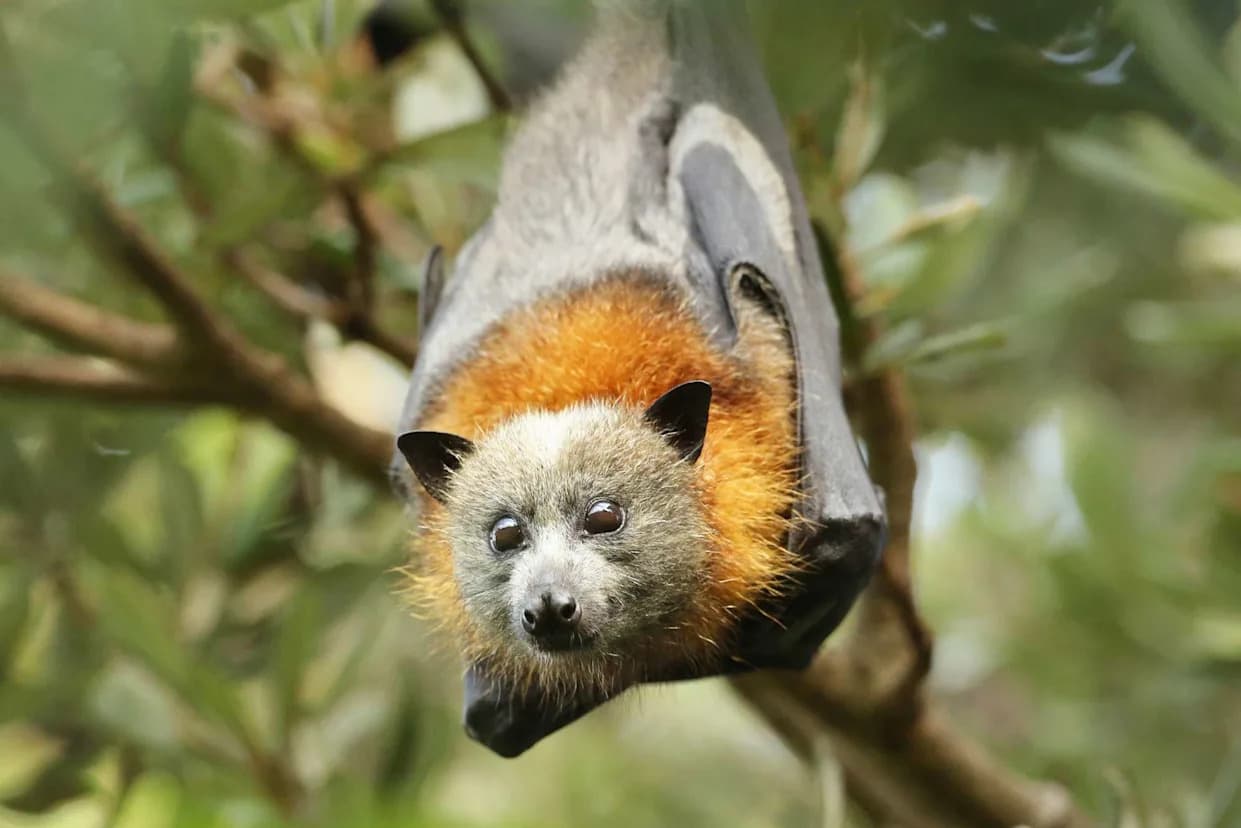
GettyGrey-headed flying fox
A devastating heat wave in Australia has caused a record mass die-off of flying foxes (fruit bats), with thousands reported dead across multiple states. Rescue groups, volunteers and wildlife experts warn the losses — many of them mothers and pups — could have lasting effects on already vulnerable populations.
What Happened
On Jan. 10, volunteers discovered roughly 500 dead flying foxes at Brooks Creek and about 170 at Figtree in the Illawarra region of New South Wales. Additional carcasses have been reported in Windsor, Parramatta, Campbelltown, Wolli Creek and other sites across New South Wales. The Guardian and other outlets have reported roughly 2,000 deaths in South Australia, with further losses in Victoria and New South Wales, bringing national tallies into the thousands.
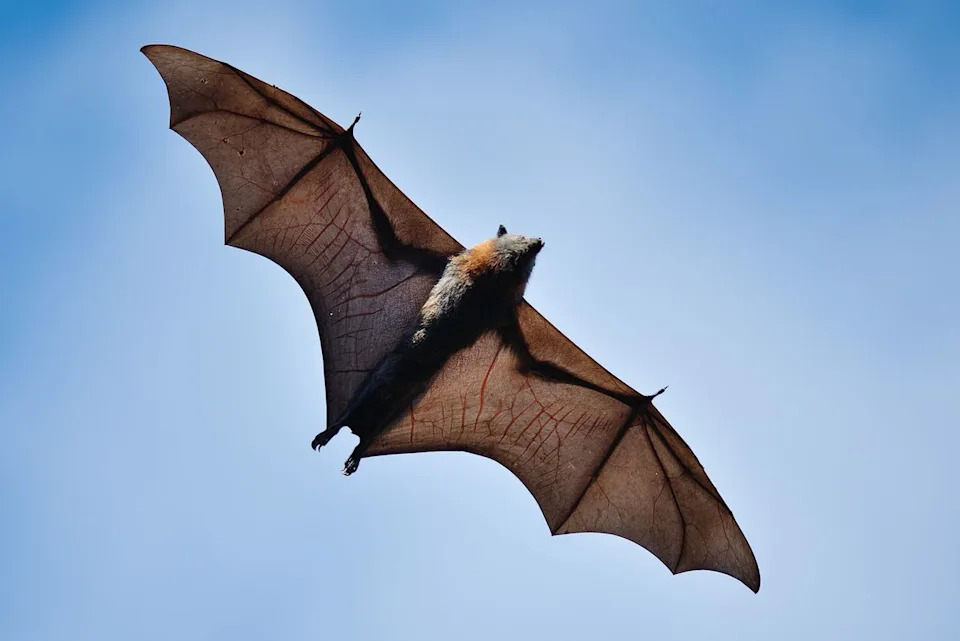
GettyGrey-headed flying fox
Why Flying Foxes Were So Hard Hit
Experts link the die-off to an extreme heat wave that pushed temperatures above 100°F (38°C). Flying foxes lack sweat glands and have limited physiological mechanisms to cool themselves, making them extremely vulnerable during sustained high temperatures. Officials also warn that heat stress can cause delayed health issues in survivors, such as renal failure.
On-the-Ground Response
Wildlife Information, Rescue and Education Service (WIRES) volunteers and other rescue groups have been searching colonies for injured or orphaned young. WIRES' Storm Stanford described the Illawarra event as the region's largest recorded mass casualty. Local resident Marcus Burgess said volunteers had previously counted about 1,500 bats at Brooks Creek and estimated that this event may have killed roughly a third of that local population.
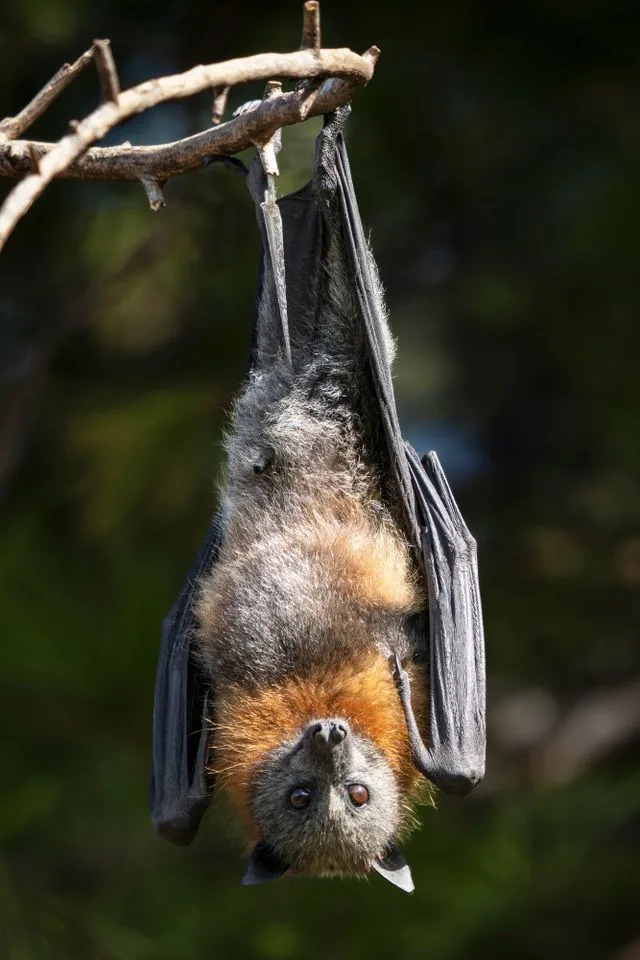
GettyGrey-headed flying fox
"There were 23 babies at the Dapto camp that evening … and a few more the next day,"
Volunteer Rebecca Daly said, describing the distressing work of recovering bodies and caring for orphans. Tamsyn Hogarth, director of the Fly By Night bat clinic, said volunteers have been finding orphaned pups clinging to their deceased mothers and warned many will die without rescue.
Mitigation and Next Steps
Rescuers and researchers recommend practical mitigation measures where feasible — for example, installing sprinkler systems near roosting camps, which recent studies show can reduce heat-related deaths. Wildlife groups are urging governments and local councils to support on-site cooling measures, habitat protection and funded rescue operations to limit future mass mortality events.
Several volunteer groups are coordinating care for survivors and running fundraising drives to support rescue and rehabilitation efforts. The federal government already lists several flying fox species as vulnerable due to habitat loss and human impacts; this event further threatens their recovery prospects.
Key Takeaway
This heat wave highlights how extreme weather events can produce sudden, large-scale wildlife losses, underscoring the need for rapid local mitigation, long-term habitat protection and stronger support for volunteer rescue networks.
Help us improve.