In a striking example of social immunity, a new study published in Nature Communications reports that pupae of the garden ant Lasius neglectus can emit a distinctive chemical odor when terminally infected by a fungal pathogen, prompting worker ants to remove and kill them before the disease spreads.
How Infected Pupae Signal for Their Own Removal
The researchers found that infected pupae develop chemical changes on their external surface that produce a novel scent. Worker ants detect that odor, unpack the pupae from their cocoons and bite through their bodies, delivering an antimicrobial secretion that both disinfects and kills the infected host. According to the authors, this behavior prevents the pathogen from replicating and limits its spread throughout the colony.
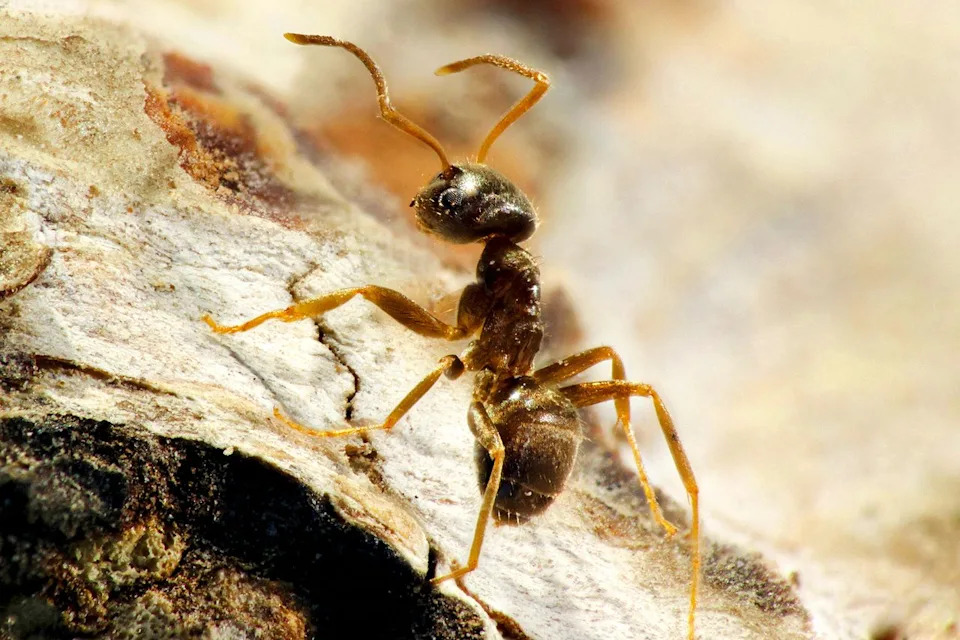
Alamyant (Lasius neglectus), invasive ants from Asia, Germany
Evidence It’s an Active, Altruistic Signal
Controlled experiments showed the scent is not merely a byproduct of infection. Scientists transferred the chemical signature from sick pupae to healthy ones, and workers responded the same way. Pupae kept isolated from workers did not produce the signal, indicating the odor is actively generated in the presence of nestmates and functions as a deliberate “find‑me and eat‑me” cue.
Why This Matters for the Superorganism
Lead author Erika H. Dawson of the Institute of Science and Technology Austria and colleagues describe the phenomenon as “altruistic disease signaling.” In eusocial insects such as ants, colony fitness—often called the fitness of the “superorganism”—depends on protecting the group. By signaling their terminal infection, immobile pupae sacrifice themselves to safeguard genetically related siblings and the colony’s future.
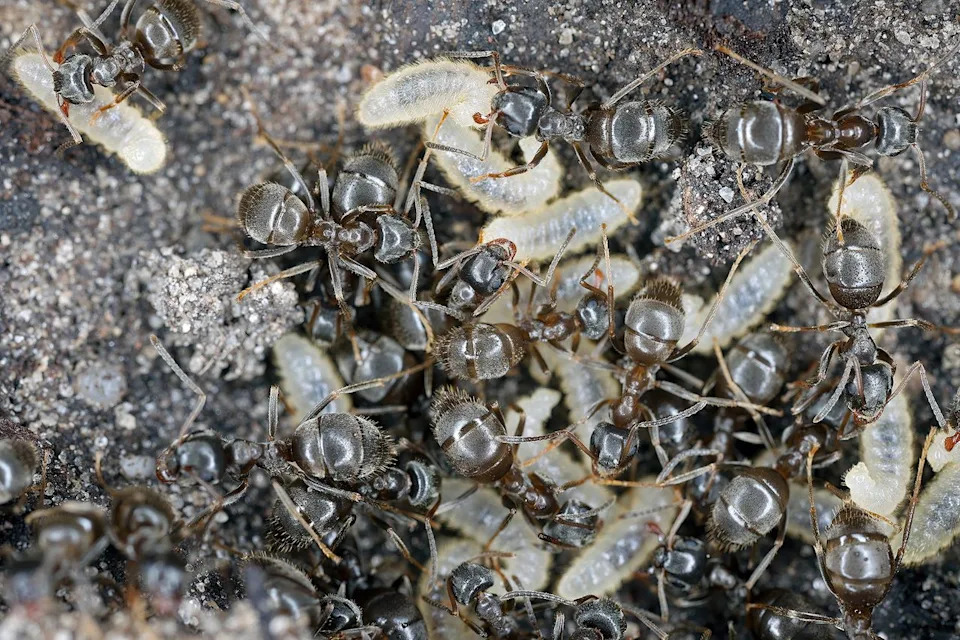
GettyCommon garden ants (Lasius sp.) rescuing their larvae after uncovering their nest under a rock.
Queen Pupae Are Treated Differently
Interestingly, the study reports that queen‑destined pupae do not emit the same cue when infected. The authors suggest this may reflect stronger immune defenses in future queens and the high reproductive value they represent; prematurely eliminating a prospective queen would risk the long‑term survival of the colony.
Broader Implications
The discovery deepens our understanding of social immunity—collective behavioral, chemical and physiological defenses that reduce disease risk in social groups. It also highlights how communication and self‑sacrifice can evolve when individual interests are tightly linked to colony survival.
Study Source: Nature Communications, published Dec. 2. Lead author: Erika H. Dawson, Institute of Science and Technology Austria.