University of Florida researchers show that sequencing blood from female mosquitoes provides a wide-ranging snapshot of local wildlife. Over eight months, teams collected more than 50,000 mosquitoes (21 species) in a 10,900-hectare Florida reserve and identified DNA from 86 animal species — about 80% of known mosquito hosts there. Sampling mosquitoes during peak activity matched direct surveys in effectiveness, though traditional methods outperformed mosquito sampling in dry seasons. The method could become a cost-effective tool for biodiversity monitoring once validated in other regions.
Jurassic Park Was Closer to Reality Than You Think: Mosquitoes Can Carry Extensive Libraries of Animal DNA
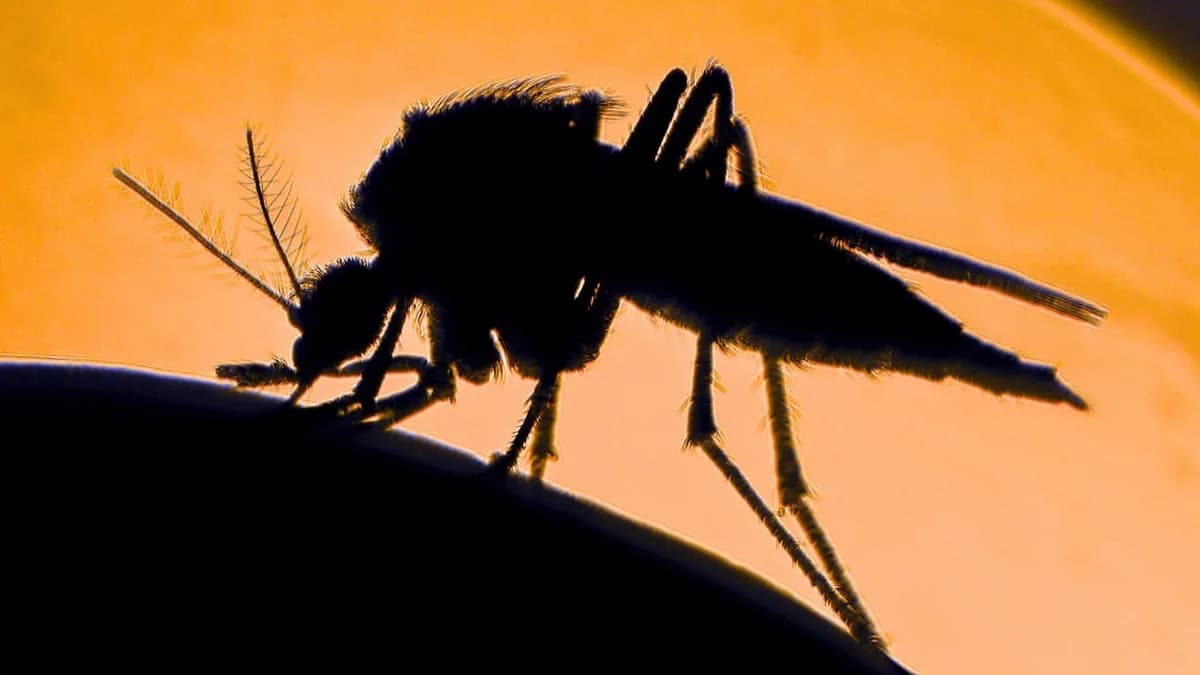
mosquito silhouette
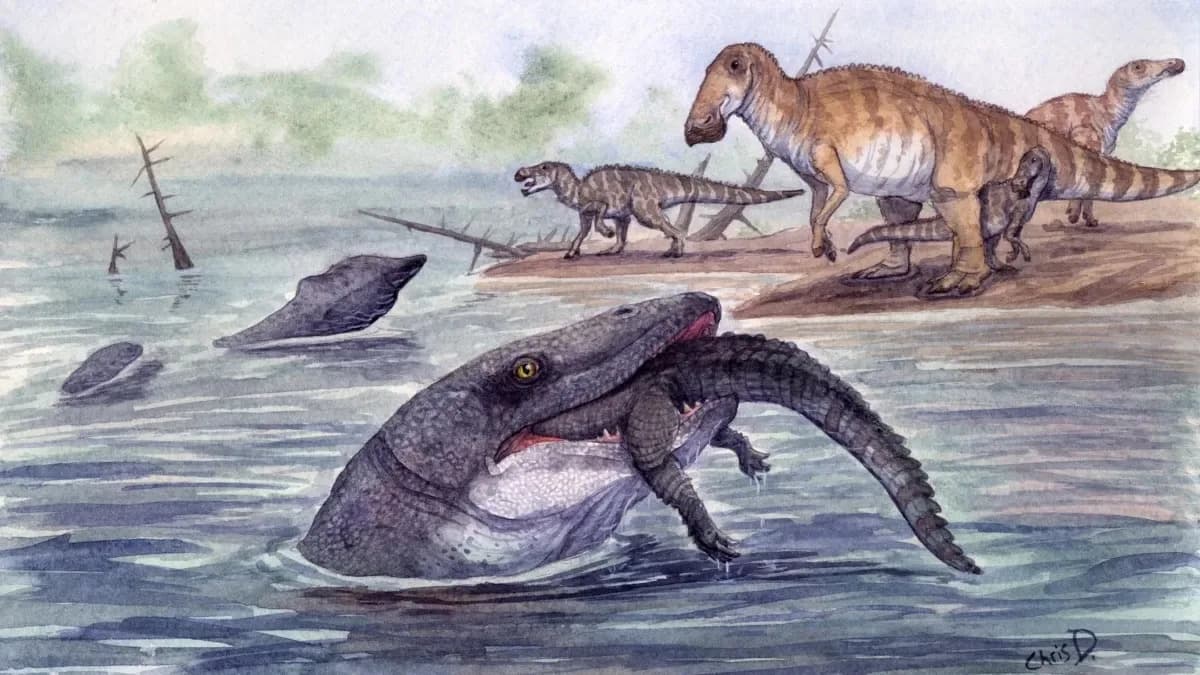
Many of Jurassic Park's dramatic inventions — from featherless dinosaurs to fictional pack-hunting scenes — remain pure fiction. Yet one of the film's central images is surprisingly relevant: mosquitoes can indeed carry genetic records of the animals they bite.
New research from the University of Florida shows that analyzing blood meals from wild mosquitoes provides a broad ecological snapshot of local wildlife, offering a promising, cost-effective supplement to traditional biodiversity surveys.
"They say Jurassic Park inspired a new generation of paleontologists, but it inspired me to study mosquitoes,"says entomologist Lawrence Reeves.

Mosquitoes are biological DNA sampling machines. (Gado Images/Photodisc/Getty Images)
Reeves, fellow entomologist Hannah Atsma, and collaborators trapped more than 50,000 mosquitoes representing 21 species across a 10,900-hectare protected reserve in central Florida during an eight-month field season. By sequencing the blood found in a few thousand female mosquitoes, the team detected the DNA of 86 different animal species.
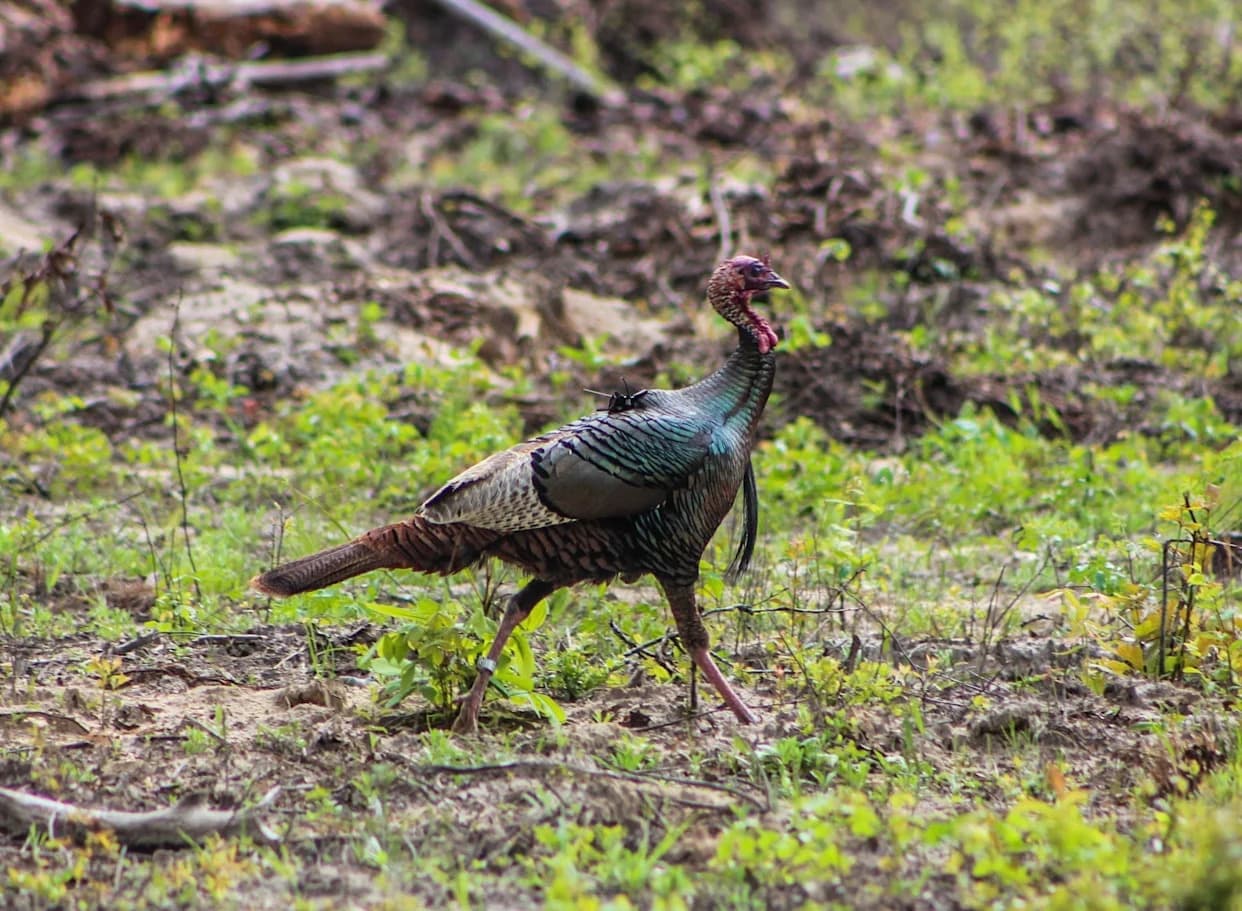
Those identifications accounted for roughly 80% of the vertebrate species the captured mosquitoes are known to bite. The detected animals included species with diverse life histories — arboreal and terrestrial species, migrants and residents, amphibians and mammals, as well as native, invasive, and endangered species — demonstrating that mosquito bloodmeals can capture a wide cross-section of local biodiversity.
Notably, some expected species were absent from the results. The endangered Florida panther (Puma concolor) was not detected among the large mammals, and small subterranean species such as the eastern mole (Scalopus aquaticus) also did not appear in the bloodmeal records.

Subscribe to ScienceAlert's free fact-checked newsletter
A second study from the same research team, led by biologist Sebastian Botero-Cañola, compared mosquito-based sampling with traditional field surveys. It found that sampling mosquitoes during their peak activity windows produced results comparable to direct animal surveys, while conventional surveys outperformed mosquito sampling during persistent dry-season conditions.
Although extracting usable ancient DNA from fossilized mosquitoes remains extremely unlikely, the authors argue that contemporary mosquito bloodmeal analysis could become a powerful tool to monitor wildlife and support conservation decisions today.
"Biodiversity monitoring is essential to conservation, yet field surveys are expensive, labor-intensive, and require substantial taxonomic expertise,"Atsma and colleagues write.
"Given these limitations, it is increasingly important to develop efficient and innovative ways to improve biodiversity survey and detection methods that leverage modern technologies in this critical era of biodiversity loss."
The team cautions that the approach must be validated across different regions and habitat types, but they suggest mosquito-based DNA sampling could be a cost-effective option where and when mosquitoes are abundant. Both papers were published in the journal Scientific Reports.
Implications: Mosquito bloodmeal analysis complements, rather than replaces, traditional surveys. It can rapidly detect a broad range of species — including birds, amphibians, and mammals — and may be particularly valuable for large-scale or resource-limited monitoring programs aimed at tracking population changes, invasive species, or endangered animals.
Help us improve.