ICE operations in Minneapolis increasingly resemble an occupation rather than routine law enforcement. Masked agents have used pepper spray, tear gas, and rifles; schools closed after the fatal shooting of Renee Good. Reporting points to shortened training, weaker hiring and screening, gutted civil-rights oversight, and partisan messaging that together raise concerns ICE is being politicized and shielded from accountability.
ICE Operations in Minneapolis: From Enforcement To A Politicized, Paramilitary Presence
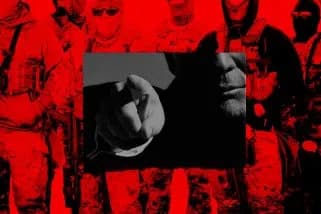
ICE is morphing into Trump’s secret police force before our eyes
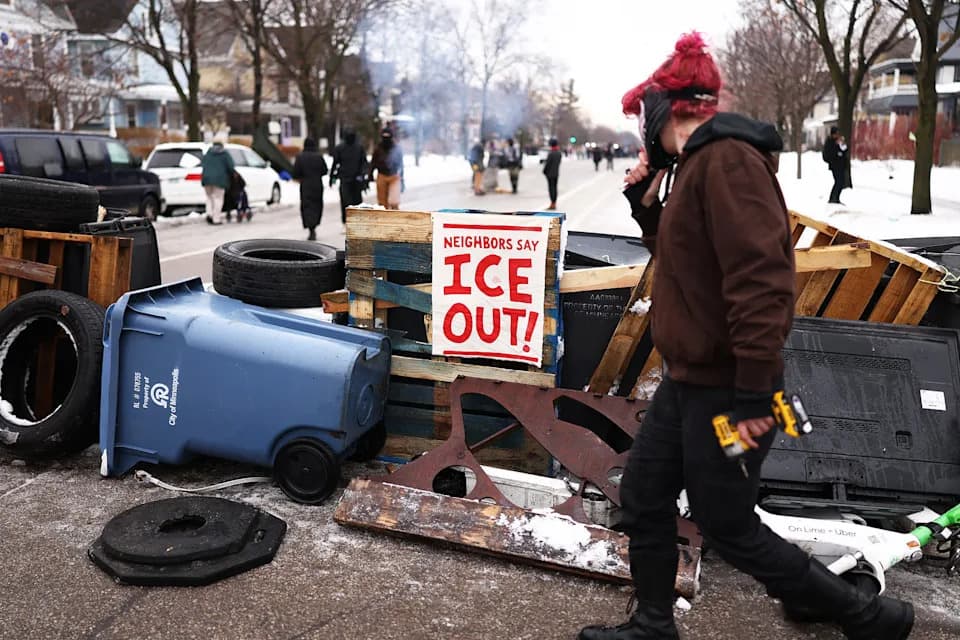
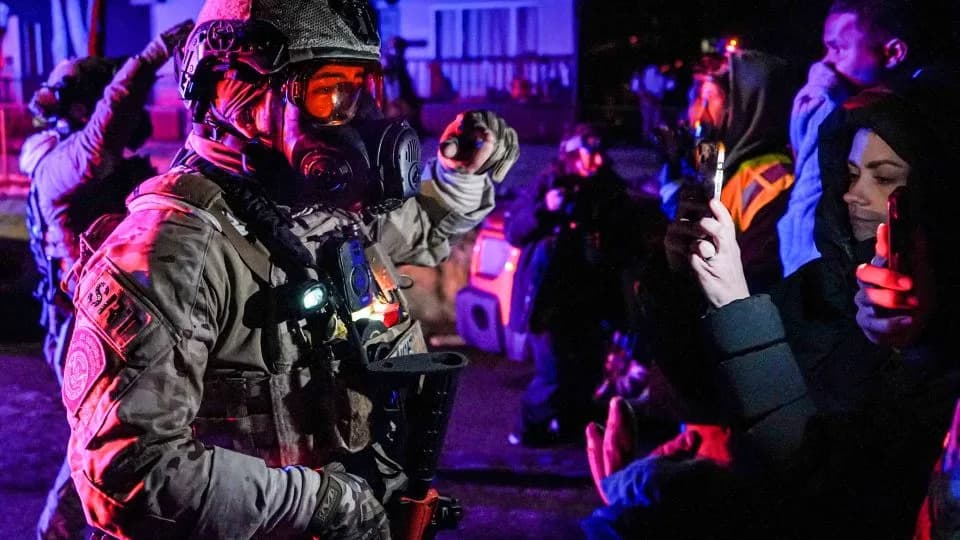
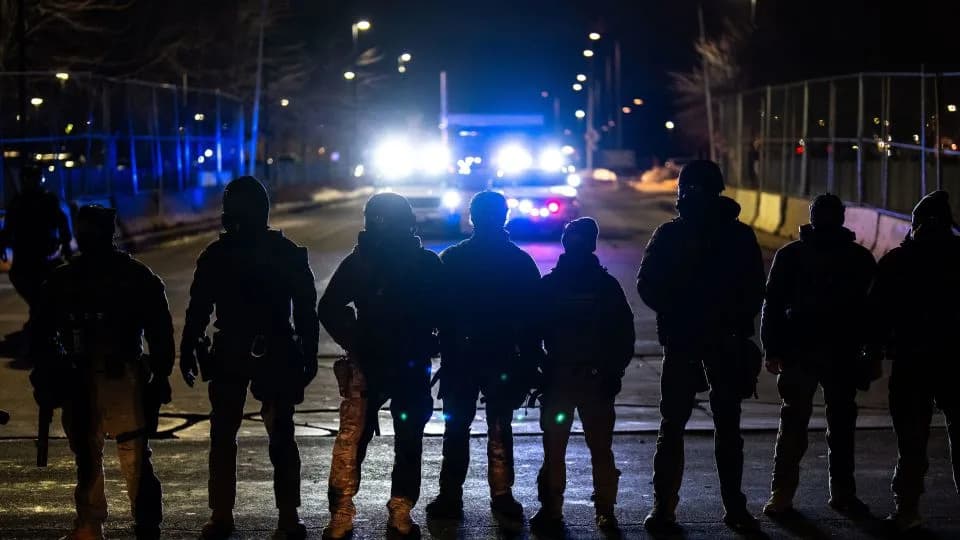
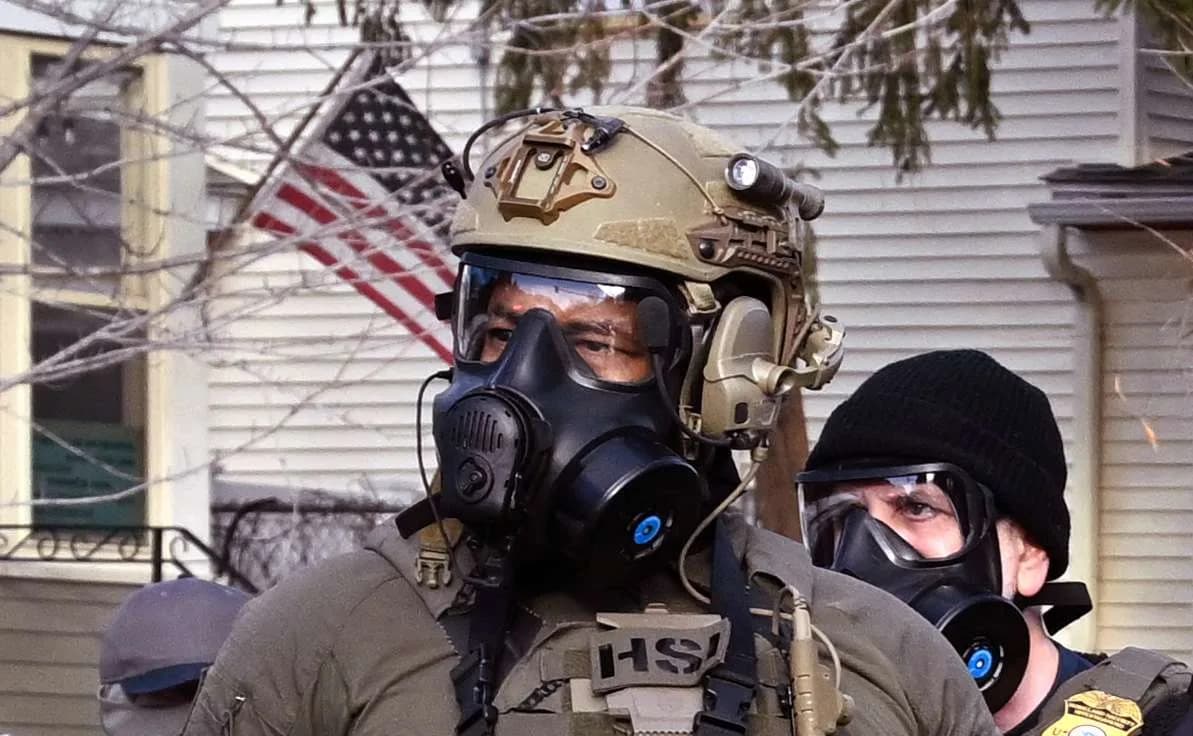
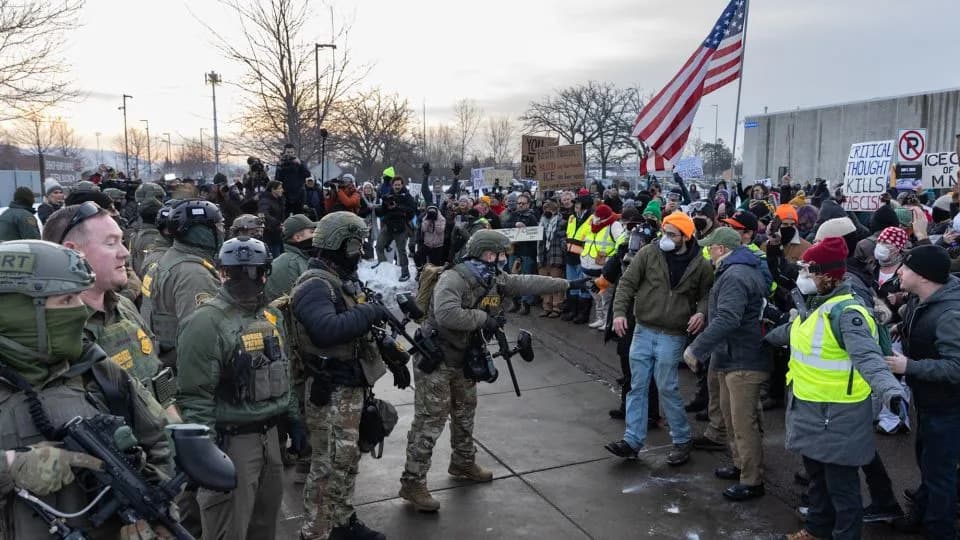
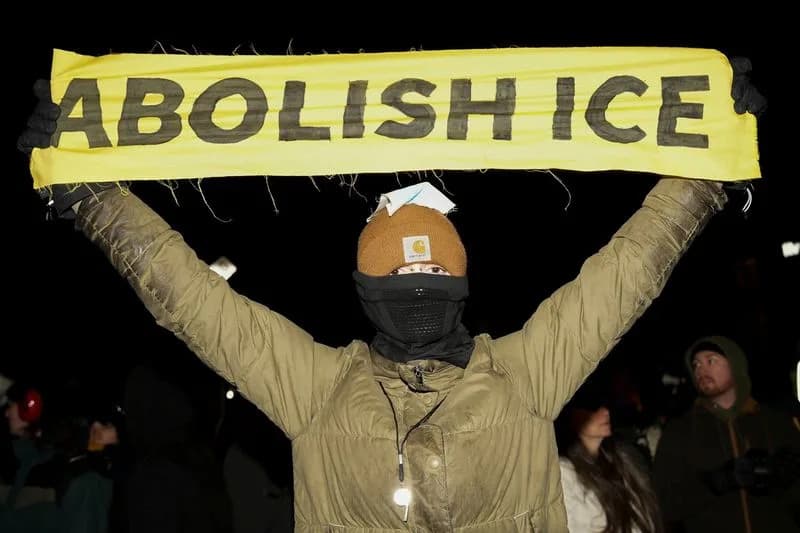
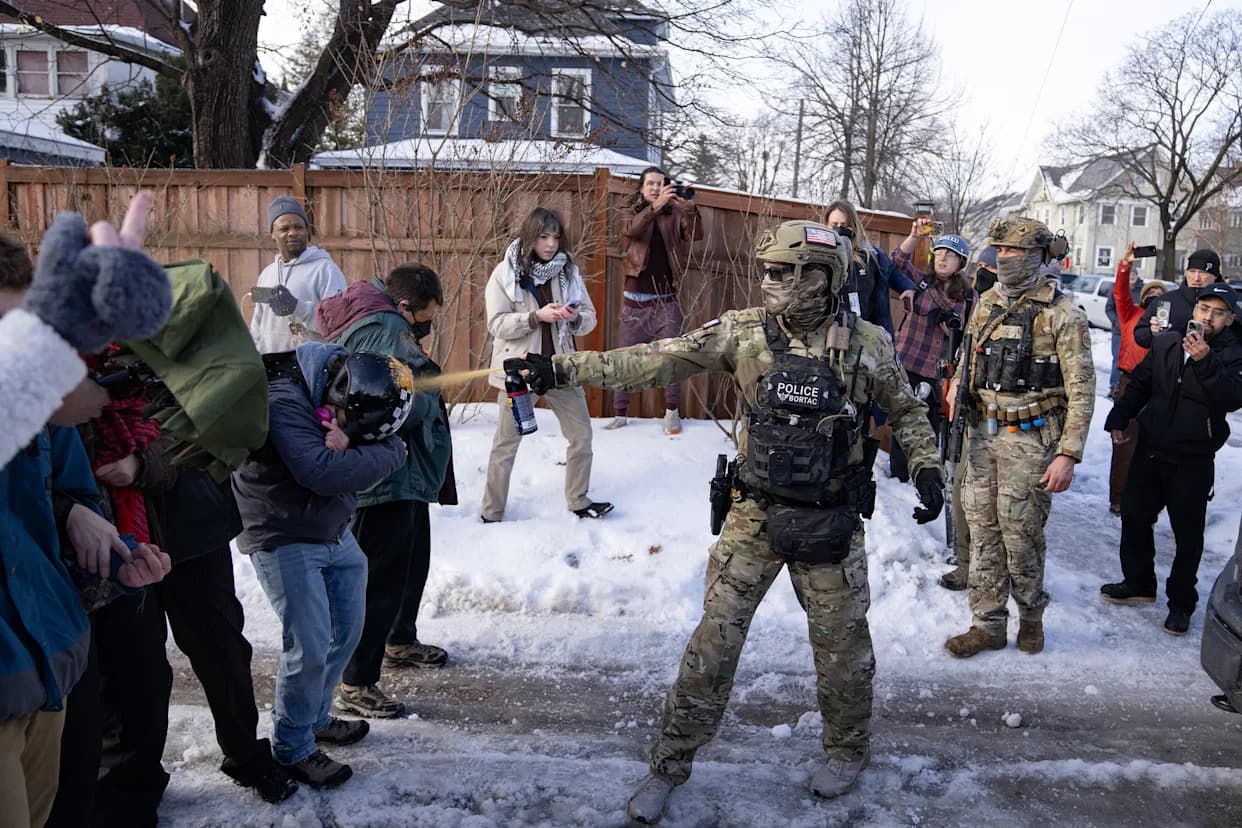
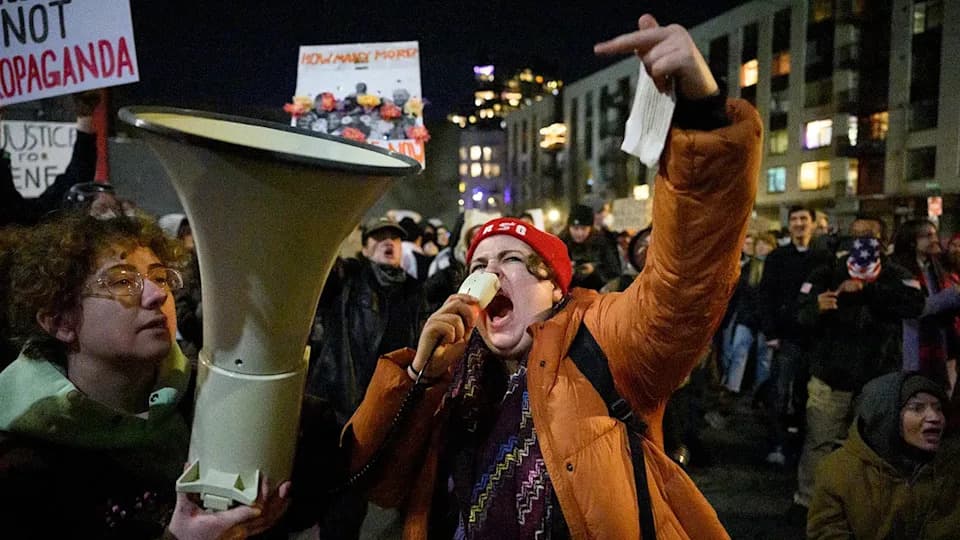
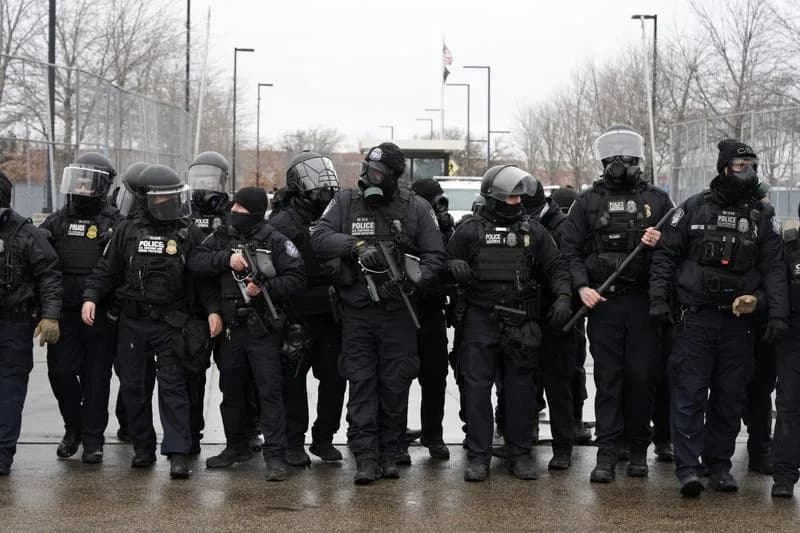
The federal immigration enforcement operation in Minneapolis increasingly reads less like routine law enforcement and more like an occupying security force. Masked Immigration and Customs Enforcement (ICE) officers have used forceful tactics — including pepper spray, tear gas, smashed car windows, and rifle patrols — prompting school closures and deep community alarm after the fatal shooting of 37-year-old mother Renee Good.
Allegations of Heavy-Handed Tactics
Local officials, civil-rights groups, and residents have documented confrontations between masked officers and observers. Elliott Payne, president of the Minneapolis City Council, told The New York Times, "This is a military occupation, and it feels like a military occupation." Video footage has circulated appearing to show Payne pushed while observing ICE operations.
Cuts to Training and Screening
Reporting by The Atlantic and other outlets indicates a marked reduction in ICE training: new deportation officers once received roughly five months of federal law-enforcement instruction; that period has been reduced to roughly 47 days, and Spanish-language courses were reportedly dropped. Former DHS official Juliette Kayyem told NPR that shorter training leaves new officers with less time to develop judgment before being sent on difficult, politically charged missions.
Journalist Laura Jedeed has described how quickly she was provisionally brought on during a reporting exercise, raising questions about recruitment and background-screening rigor; DHS later disputed the characterization, saying Jedeed received only a tentative letter. Slate and The Guardian have continued to report on the discrepancy.
Weakened Oversight
Observers say the Department of Homeland Security has reduced the staffing and authority of offices charged with civil-rights complaints and monitoring ICE conduct, diminishing internal accountability. Together with shortened training and reports of sloppy hiring, critics say the agency is more likely to deviate from established policing protocols.
Politicized Messaging And Public Relations
DHS and White House social-media activity has been described by critics as partisan and provocative. Outlets have reported posts and imagery that many observers see as echoing nationalist themes — including a Department of Labor post that some compared to historic exclusionary slogans — and an apparent shift in ICE public affairs toward an "influencer-style" media operation that amplifies raid footage through sympathetic right-wing outlets.
Impunity And Accountability Concerns
After Renee Good's death, the administration quickly defended the ICE officer involved, called Good a "domestic terrorist" in public communications, and limited state-level investigative access by routing the inquiry to a federal probe. Masked operations by agents have compounded accountability challenges, spurring Minnesota lawmakers to consider mask-restriction legislation for law enforcement even as state laws would not bind federal officers.
Why this matters: Reduced training, weaker screening, diminished oversight, politicized messaging, and shielding of agents from accountability create conditions in which a federal agency can appear to act as a politicized, paramilitary force rather than a conventional law-enforcement body.
The debate over ICE's conduct in Minneapolis raises urgent questions about the role and limits of federal immigration enforcement, the protections that should govern use of force, and the mechanisms needed to ensure transparency and accountability.
Help us improve.