Agriculture Secretary Brooke Rollins drew widespread criticism after saying a meal of a piece of chicken, one floret of broccoli, a corn tortilla and “one other thing” could cost $3, citing USDA simulations. The comment became a meme and renewed debate about how wealthy policymakers may be out of touch with the realities of rising grocery costs. Data show meat and coffee prices have climbed sharply, while SNAP cuts and threats to withhold benefits have raised concerns about increased food insecurity. Critics call for stronger policy tools—antitrust enforcement and regulation of algorithmic pricing—rather than symbolic thrift tips.
Brooke Rollins’s $3 Meal Moment Exposes Team Trump’s Economic Blind Spots

What the Brooke Rollins $3 meal meme shows about Team Trump’s economic blindness
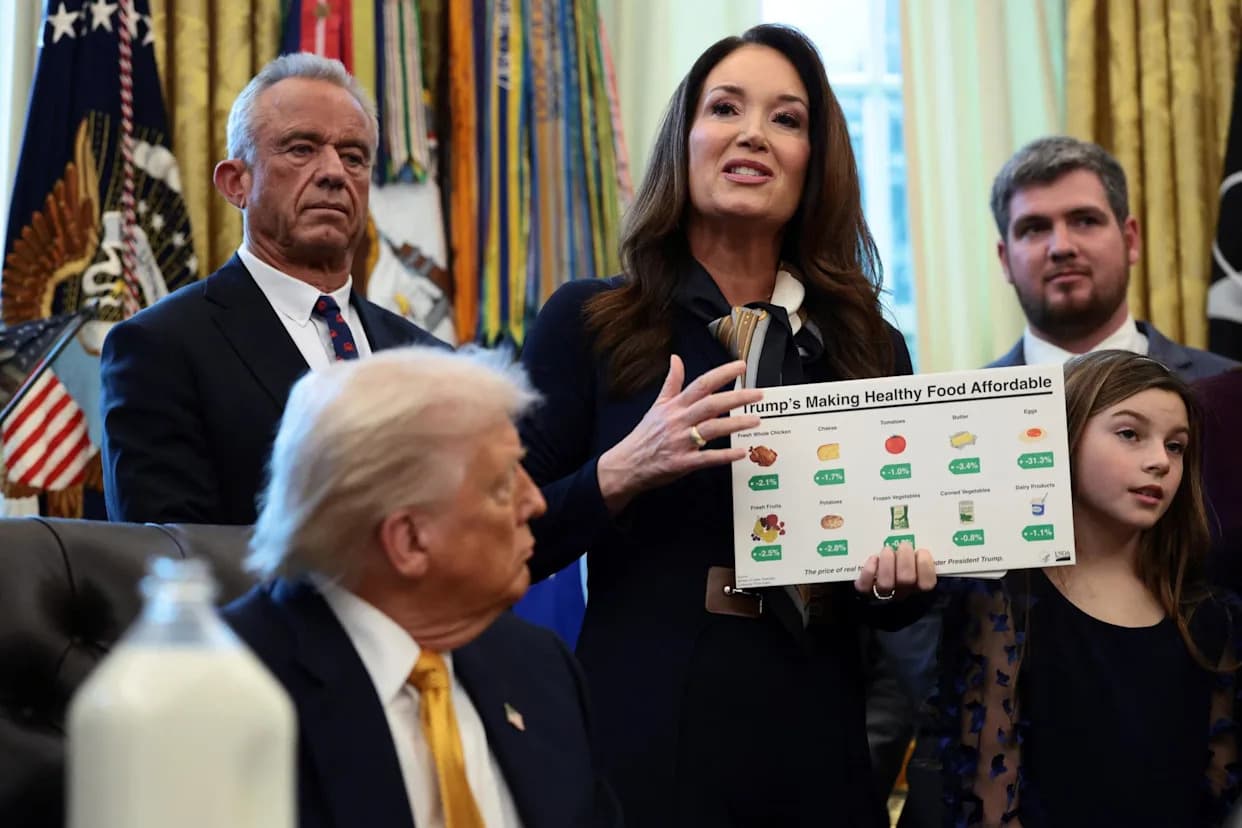
The latest instance of what critics call economic tone-deafness from Team Trump came this week from Agriculture Secretary Brooke Rollins. While promoting the administration’s new federal nutrition guidance, Rollins — whose net worth is reported to be about $15 million — suggested that a meal of a piece of chicken, a single “piece” of broccoli, a corn tortilla and “one other thing” could cost as little as $3. She added that the USDA ran “over 1,000 simulations” to arrive at that figure.
The comment immediately drew widespread ridicule online. Observers said the proposed plate sounded austere and unrealistic for many households, and social media turned the remark into a meme, joking about the unnamed fourth item and likening the scene to an Oliver Twist–style plea for seconds.
Why the Remark Struck a Nerve
Critics argue the exchange revealed a broader problem: wealth and distance from everyday economic pressures can leave policymakers disconnected from ordinary Americans’ realities. President Trump has assembled what analysts call one of the wealthiest cabinets in recent memory and has publicly said he prefers economic counsel from wealthy advisers — a stance opponents say contributes to recurring blind spots.
What The Data Shows
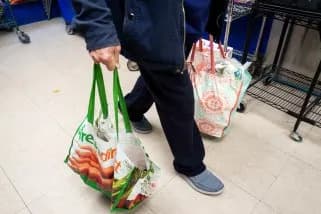
Contrary to suggestions that food costs are falling, recent price data tell a different story. Combined prices for beef, fish and chicken rose nearly 7% year over year; beef alone has climbed roughly 16%, and coffee prices have jumped by about 20%. Those increases help explain why many households find it difficult to stretch a grocery budget to cover a balanced diet.
Policy Choices And Consequences
Critics also point to policy choices that may have worsened food insecurity. The administration’s signature One Big Beautiful Bill included cuts that affected the Supplemental Nutrition Assistance Program (SNAP) while prioritizing tax reductions for higher-income households, a move advocates say increased hardship for millions. Rollins has also drawn controversy by threatening to withhold SNAP funds from states unless they disclosed beneficiary information, including immigration status.
What Could Be Done
There are concrete policy levers that can influence food prices and access. For example, a Justice Department probe into major egg producers last year coincided with a rapid drop in wholesale egg costs, suggesting investigations can curb anti-competitive behavior. Separately, concerns about algorithmic pricing surfaced after a Consumer Reports and Groundwork Collaborative inquiry found some grocery-platform pricing practices charged customers significantly different prices for the same items; the episode highlighted the need for regulatory or legislative oversight rather than reliance on voluntary fixes.
Ultimately, observers say that offering thrift tips in place of stronger, targeted policy action is politically risky and practically inadequate. A $3 plate of chicken and a single floret of broccoli may generate headlines and memes, but it does little to address the structural pressures driving food-price inflation and insecurity.
Originally published on MS NOW.
Help us improve.