A trail camera in Vermont recorded moths seemingly drinking a moose's tears, a rare behavior called lachryphagy. The footage — described by University of Vermont researcher Laurence Clarfeld — appears to be the first documented case in New England and challenges the idea that tear‑feeding occurs only in tropical climates. Researchers published the footage in Ecosphere and warn these moths could potentially spread eye diseases such as keratoconjunctivitis, adding concern for moose already threatened by other illnesses. The finding underscores the research value of camera traps and the need for further study.
Rare 'Tear‑Eating' Moths Spotted Feeding on a Moose in Vermont — First Regional Record
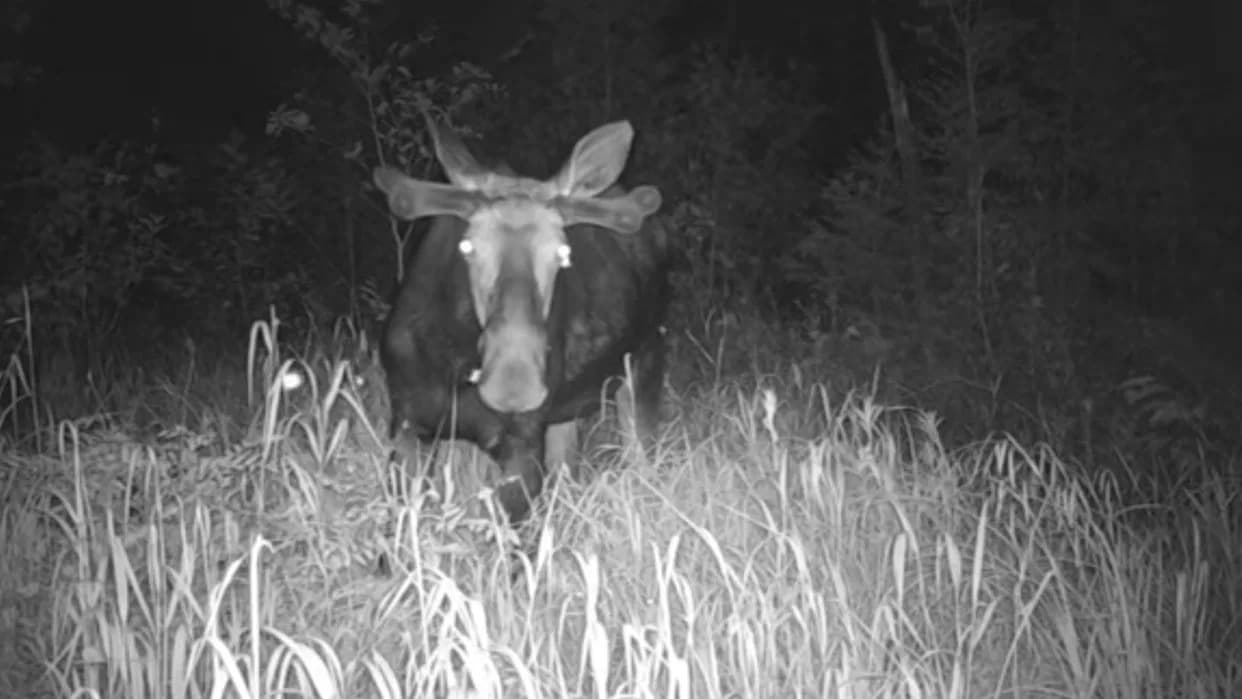
Photo Credit: YouTube
A trail camera in the Green Mountain National Forest, Vermont, captured surprising footage of tiny moths appearing to feed on a moose's tears — a behavior known as lachryphagy. The sighting, described by University of Vermont environmental researcher Laurence Clarfeld, appears to be the first documented case of this behavior in the New England region.
What Researchers Saw
Clarfeld said the scene "almost looked like the moose had two additional eyes" when he first reviewed the camera-trap video. In the footage, small moths cluster near the moose's eyes and appear to drink its tears.
What Is Lachryphagy?
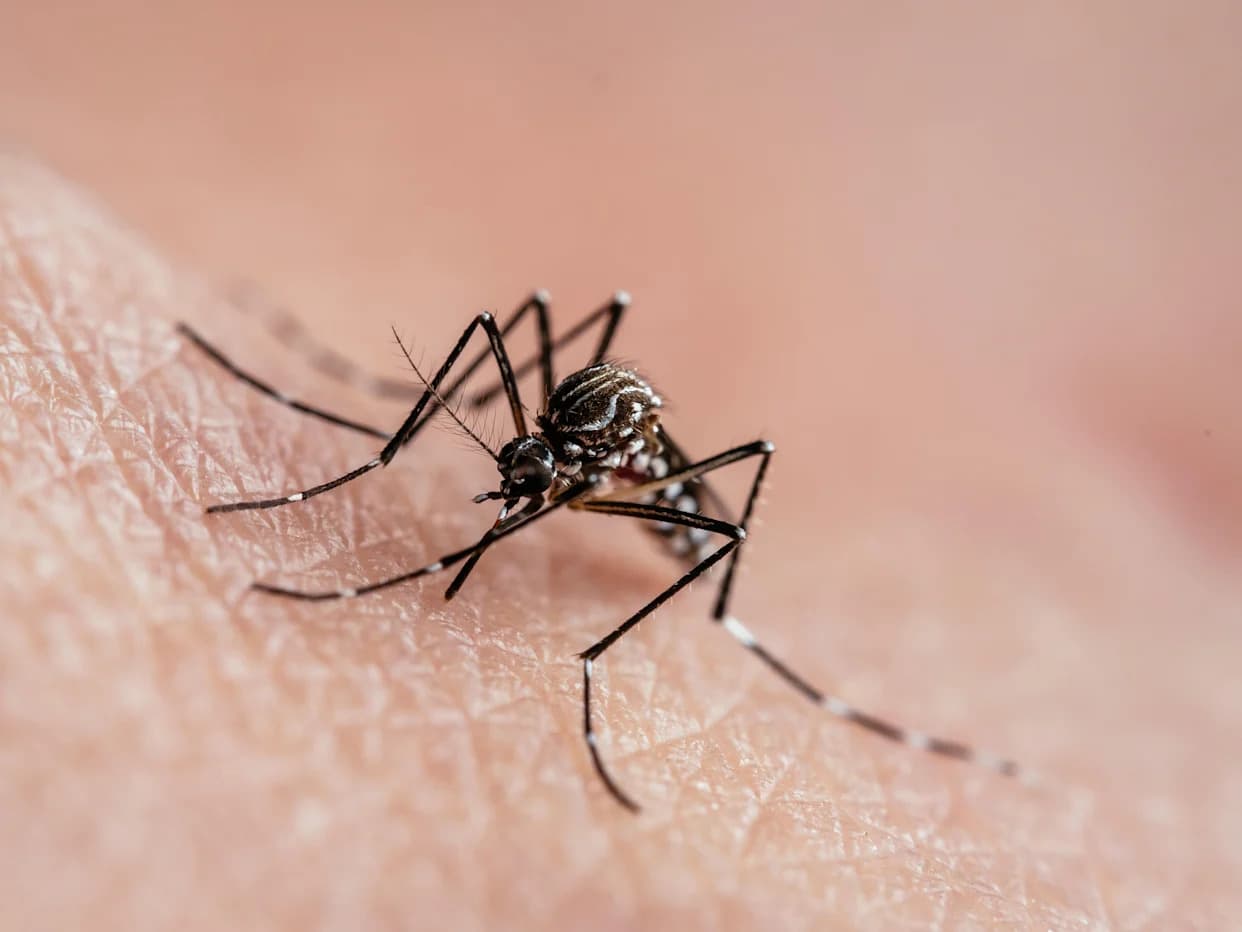
Lachryphagy — colloquially called "tear eating" — is when moths or other insects drink the tears of larger animals (including humans). Scientists believe insects are attracted to tears because they contain nutrients such as salts and proteins; one estimate suggests tears can have around 200 times the protein concentration of sweat, which may help explain the behavior.
Why This Sighting Matters
Until now, lachryphagy has been reported mostly in tropical regions. According to Scientific American, only one other documented case outside tropical zones has been reported, in Arkansas. Documenting the behavior in Vermont challenges assumptions about its geographic limits and suggests researchers should look for it in temperate regions as well.
"It almost looked like the moose had two additional eyes," Laurence Clarfeld, University of Vermont.
Health and Conservation Concerns
Clarfeld and two co-authors published a report on the footage in the journal Ecosphere in November. They warn that eye-visiting moths could act as vectors for diseases such as keratoconjunctivitis, which can cause eye lesions and other health impacts in moose. Moose populations already face serious threats — for example, chronic wasting disease — so any new potential source of infection is cause for concern.
Climate change could increase those risks by allowing disease-carrying insects and other vectors to expand their ranges into new areas, making surveillance and research more urgent.
Value of Camera Traps
This discovery also highlights the power of trail cameras in wildlife research. Well-placed camera traps not only document presence and abundance but can reveal unexpected behaviors that inform conservation and disease monitoring strategies.
Further study is needed to confirm the species of moth involved, assess the frequency of lachryphagy in temperate zones, and evaluate the potential disease transmission risk to moose and other animals.
Help us improve.