Tracking data from 24 juvenile and two non-breeding bald eagles (2017–2023) show many Arizona-born birds unexpectedly migrate north in summer and fall, traveling through the western U.S. into southern Canada. These routes use long-established lakes and rivers as stopovers but expose birds to hazards such as power lines and poisoning. Researchers call for mapping high-use corridors, retrofitting dangerous infrastructure, and continued life-stage tracking to reduce preventable losses.
Young Arizona Bald Eagles Migrate North — Revealing Dangerous Gaps in Infrastructure
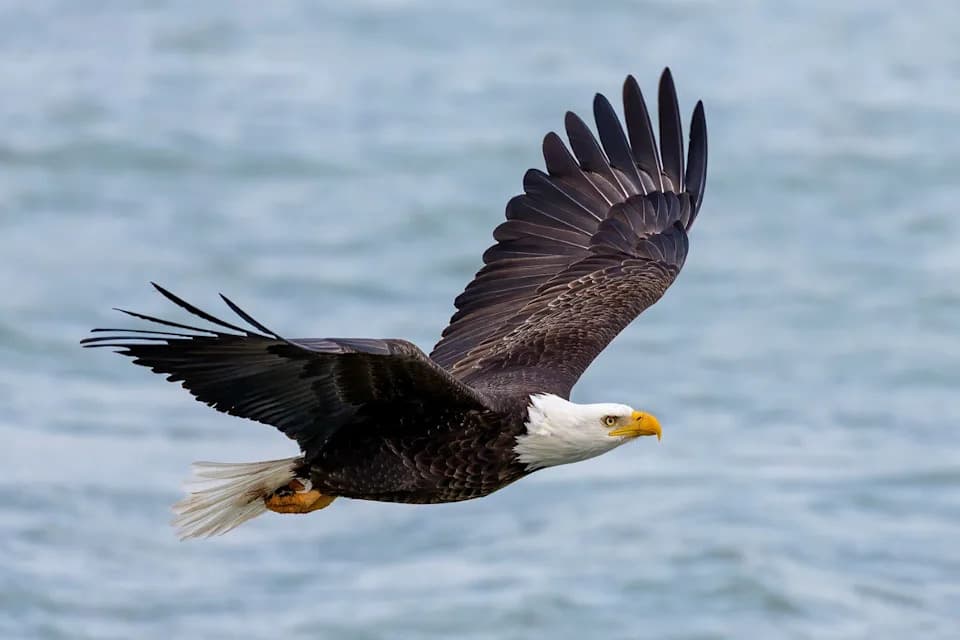
Researchers have discovered a surprising movement pattern among bald eagles hatched in Arizona: many young birds travel north during the non-breeding season, passing through the western United States and into southern Canada. This unexpected behavior exposes them to human-made hazards and highlights gaps in how infrastructure and land-use planning protect wildlife — and people.
Satellite Tracking Reveals Unusual Routes
Between 2017 and 2023, scientists fitted satellite transmitters to 24 juvenile bald eagles and two non-breeding adults to monitor their movements. Analysis shows that a large share of Arizona-born birds migrate north in summer and fall, a timing that is unusual because Arizona eagles typically nest in winter.
Dependence On Repeat Stopovers
Along these northbound journeys, the eagles rely on well-known lakes and rivers as stopover sites — some recognized decades ago. As individuals age, their routes become more precise and many eventually return to Arizona, demonstrating repeat use of specific travel corridors.
Human-Made Hazards Along Corridors
These long journeys expose the eagles to significant dangers tied to human infrastructure: power lines and poles, poisoning incidents, and other outdated or hazardous features of the landscape. The study documents at least one tracked bird that crossed multiple states and provinces before settling in California, where she later died from electrocution on power infrastructure.
Why this matters: The same hazards that kill or injure birds — aging electrical equipment and development that overlooks wildlife safety — can also threaten people living or working near these corridors. Losses of tracked individuals also reduce research opportunities needed to understand how animals adapt to environmental change.
What Researchers Recommend
Scientists are urging coordinated action: map high-use travel corridors and stopover sites, prioritize retrofits of dangerous infrastructure, and continue tracking birds across life stages to identify where and when risks are greatest. Collaboration among wildlife managers, utility companies, regional planners, and conservation groups can target interventions that reduce bird mortality and improve human safety.
Teams at research institutions (including work led by researchers collaborating with universities such as Durham University) are using tracking data to highlight hotspots of risk and guide mitigation efforts. Proactive, targeted upgrades to infrastructure can prevent avoidable losses and preserve the ecological and scientific value these species provide.
Help us improve.