Security forces have largely suppressed nationwide protests in Iran through a sustained and internationally criticised crackdown conducted under a prolonged internet blackout. Rights groups report thousands of deaths (IHR has verified 3,428) and tens of thousands of arrests, though exact figures are hard to confirm. Reza Pahlavi has called for renewed demonstrations and vowed to return, while international responses include sanctions and diplomatic engagement. Observers warn the mobilisation of security forces may be unsustainable and protests could reignite.
Iran Protests Subside After 'Brutal' Crackdown and Prolonged Internet Blackout; Thousands Reported Dead
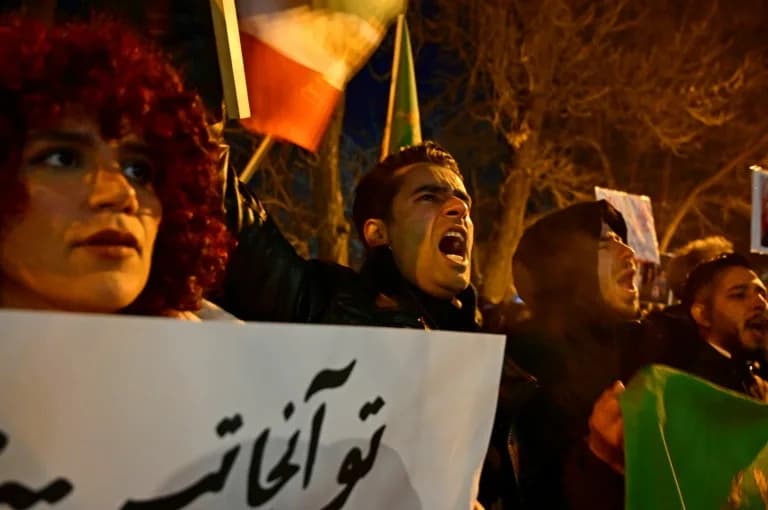
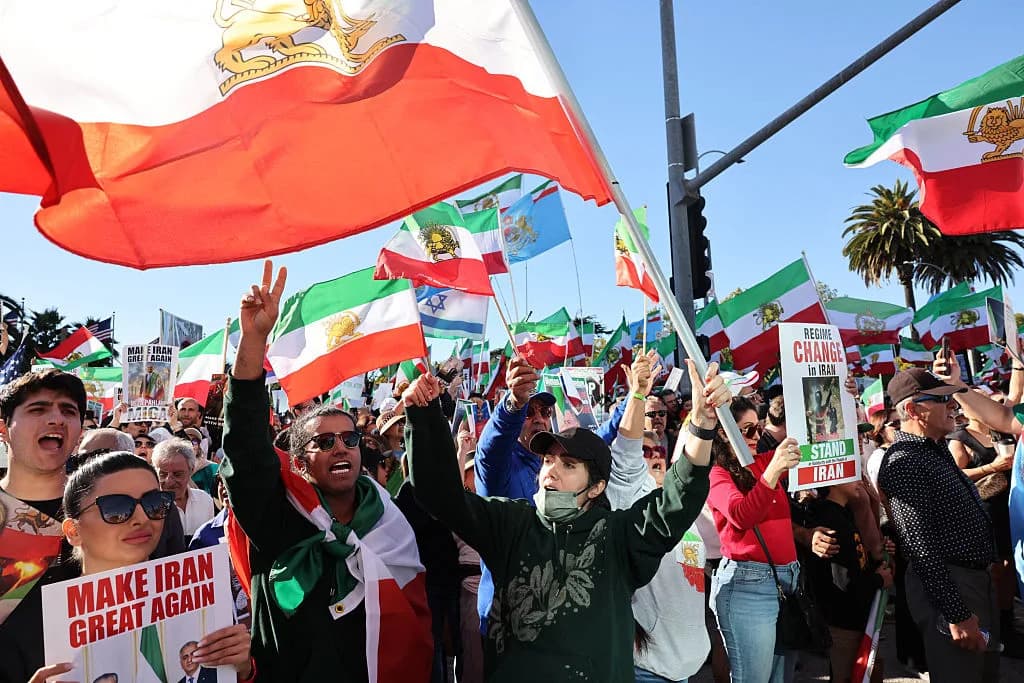
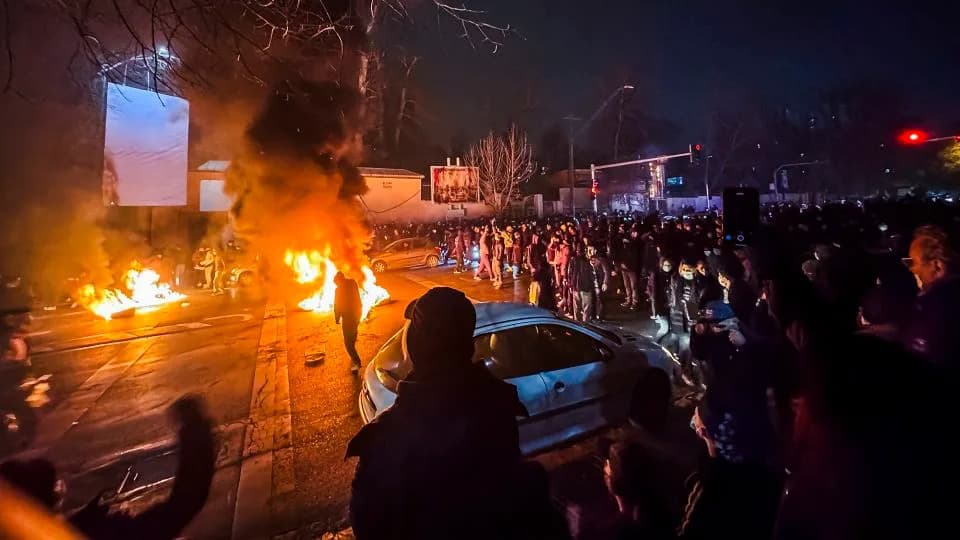
Iranians outside of the country have also protested against the government as it cracked down on rallies (KAREN MINASYAN)(KAREN MINASYAN/AFP/AFP)
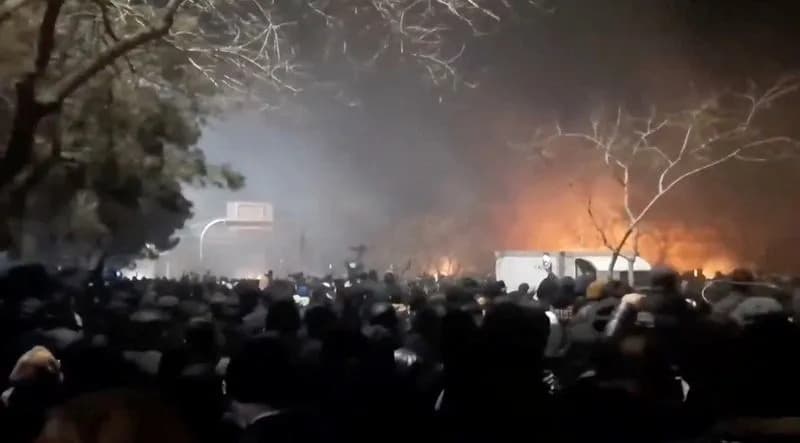
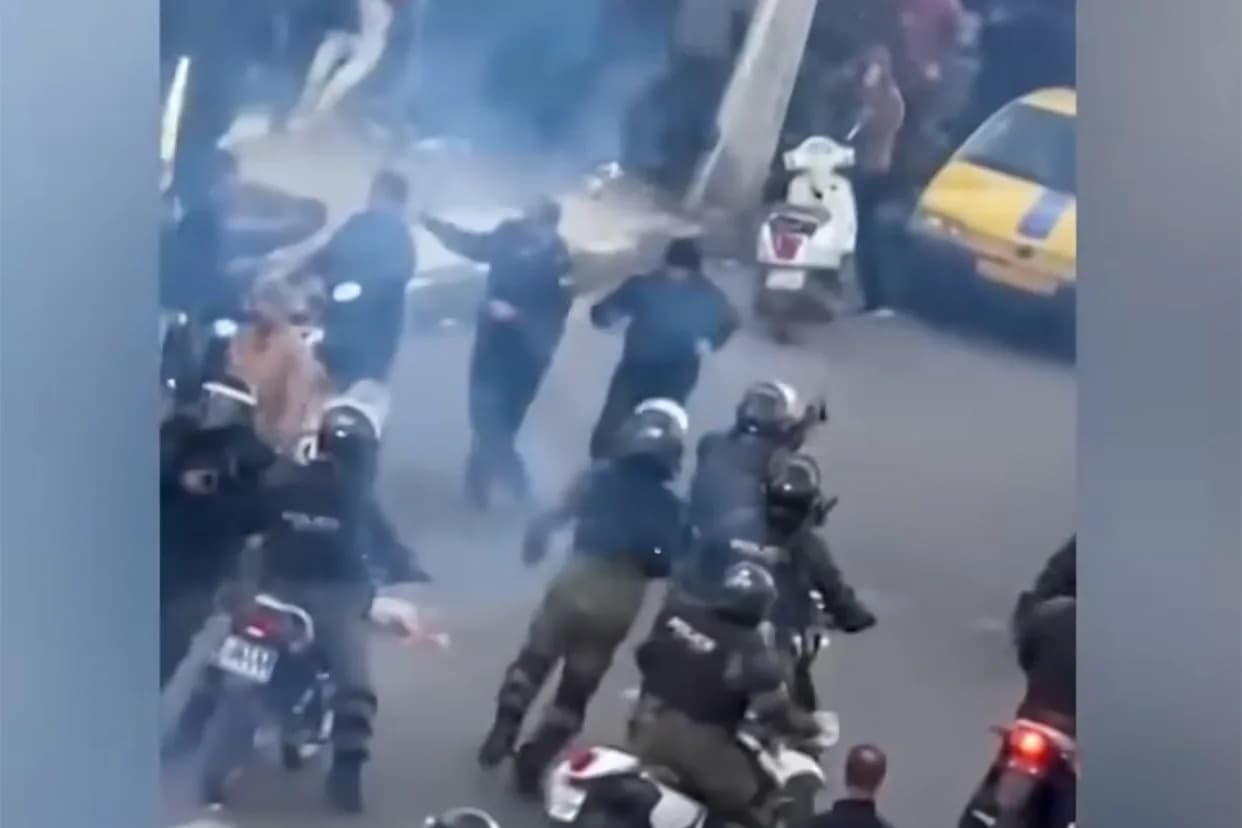
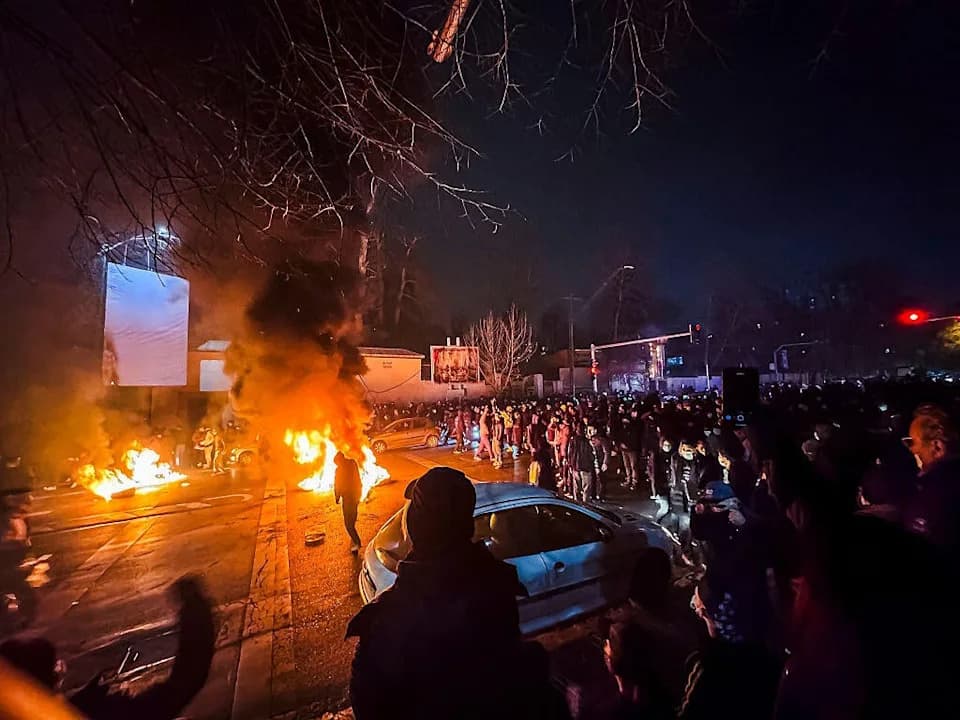
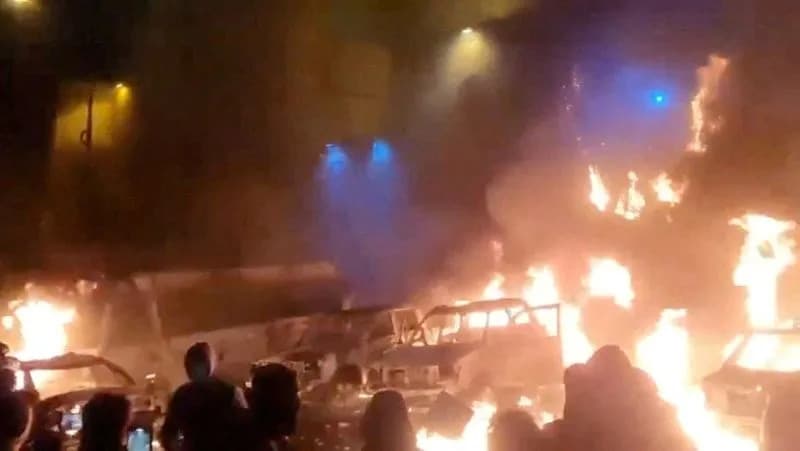
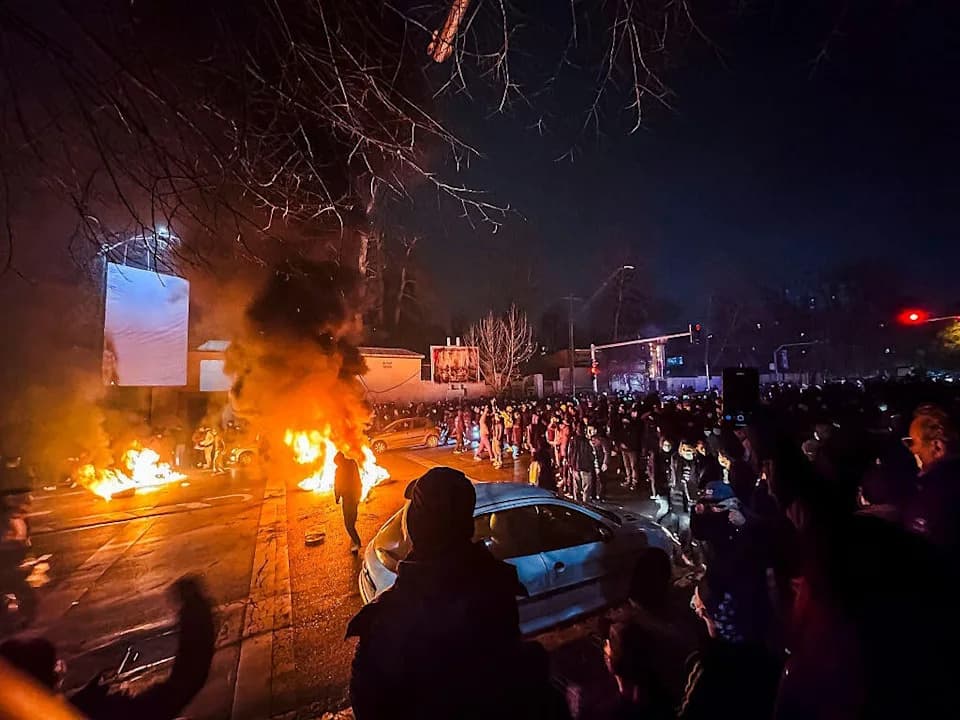
Protests across Iran have largely subsided after a security crackdown that rights monitors say has killed thousands amid a nationwide internet blackout, one week after the largest demonstrations in years directly challenged the Islamic Republic's clerical leadership.
What Happened
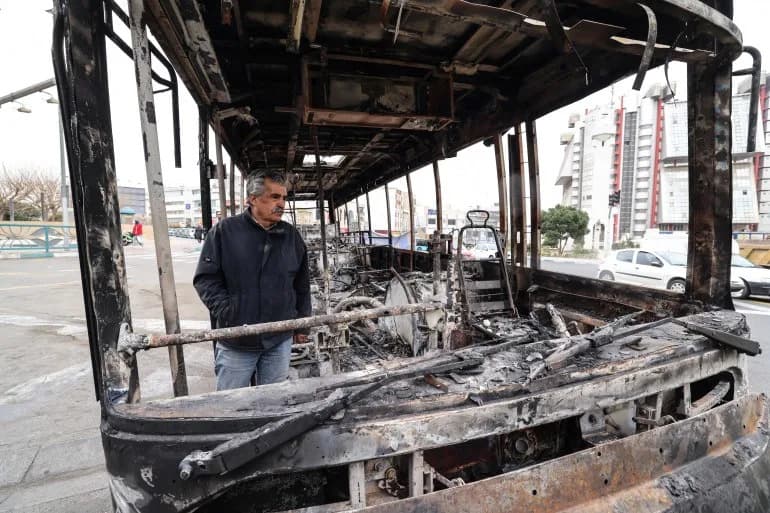
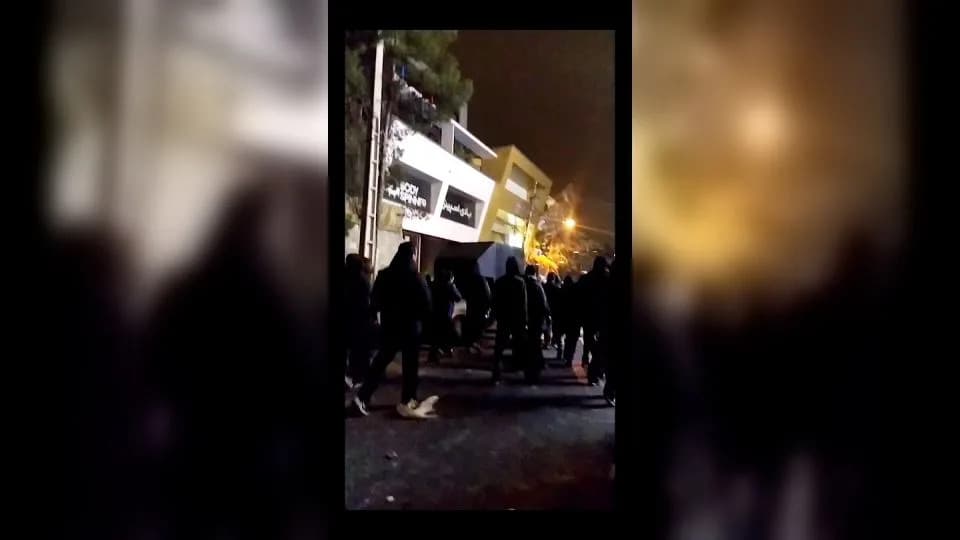
What began as an economic protest with a December 28 shutdown of Tehran’s bazaar escalated into mass demonstrations demanding an end to the clerical system that has ruled since the 1979 revolution. Large crowds returned to the streets from January 8, but authorities quickly enforced a near-total internet shutdown that has lasted more than a week and, according to monitors, is intended to restrict independent reporting and obscure the scale of the security response.
Casualties, Arrests and Evidence
Verified and reported deaths: Norway-based Iran Human Rights (IHR) has verified 3,428 protester deaths at the hands of security forces but warns the true toll could be several times higher. Other estimates cited by IHR put deaths at more than 5,000 and possibly up to 20,000. The opposition channel Iran International, broadcasting from abroad, has reported at least 12,000 deaths, citing unnamed senior government and security sources. The internet blackout has severely limited independent verification.
IHR director Mahmood Amiry-Moghaddam said the group received "horrifying eyewitness accounts" of protesters being shot while fleeing, the use of military-grade weapons, and the street execution of wounded demonstrators.
Arrests: Rights groups estimate arrests may number in the tens of thousands. Iranian state-aligned sources cited by Tasnim news agency reported about 3,000 arrests; the discrepancy underscores the difficulty of confirming figures during the communications blackout.
AFP-verified videos from the height of the unrest show bodies laid out in the Kahrizak morgue south of Tehran as distraught relatives searched for missing loved ones.
Domestic Voices and International Response
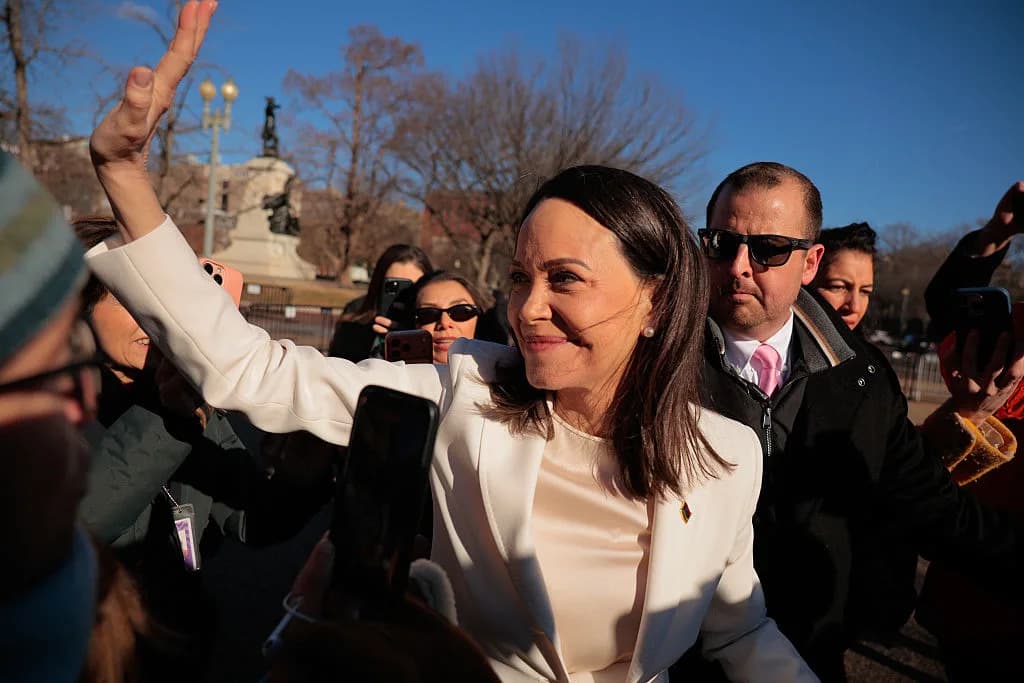
Reza Pahlavi, the US-based son of Iran’s late shah, called for renewed coordinated demonstrations on social media and told a Washington news conference: "The Islamic republic will fall -- not if, but when." He said he plans to return to Iran.
Concerns were also raised about the case of 26-year-old protester Erfan Soltani, whom rights groups and US officials said faced imminent execution. Iran's judiciary said Soltani was in custody but had not been sentenced to death and that his charges do not carry capital punishment.
Internationally, the US Treasury announced sanctions targeting Iranian officials including Ali Larijani, secretary of Iran's Supreme Council for National Security. Russia's president held talks with Iran's president in what Moscow described as efforts to facilitate de-escalation. The White House said "all options remain on the table," while some Gulf states reportedly urged restraint and diplomatic engagement.
Outlook
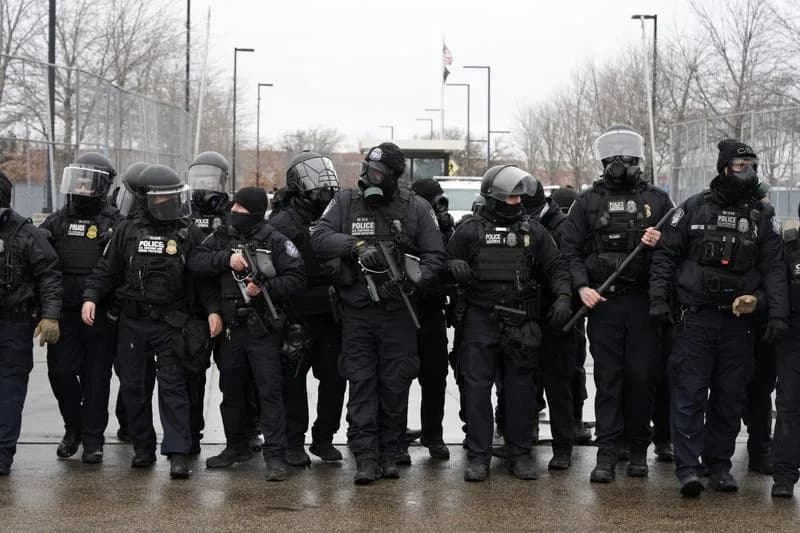
The US-based Institute for the Study of War called the repression "brutal" and said it had "likely suppressed the protest movement for now," but warned that the regime's widespread mobilisation of security forces may be unsustainable, leaving open the possibility that protests could resume. Human rights groups such as Amnesty International documented heavy patrols, checkpoints and visible security deployments aimed at crushing what they described as a nationwide uprising.
Key takeaway: The combination of mass arrests, verified and alleged killings, and a prolonged internet blackout has silenced much public protest for the moment, but heavy-handed state measures may not be a lasting solution and international scrutiny is intensifying.
Help us improve.