Experts say several recent social posts from official Trump administration accounts use language and imagery that mirror far‑right and white supremacist rhetoric. Researchers argue these messages have shifted from coded "dog whistles" to louder, more direct signals that circulate in extremist channels while offering plausible deniability. The posts have been shared within extremist communities and prompted limited public pushback, raising concerns about normalizing fringe terms tied to immigration and cultural decline.
Experts: Several Trump Administration Social Posts Echo Far‑Right Rhetoric
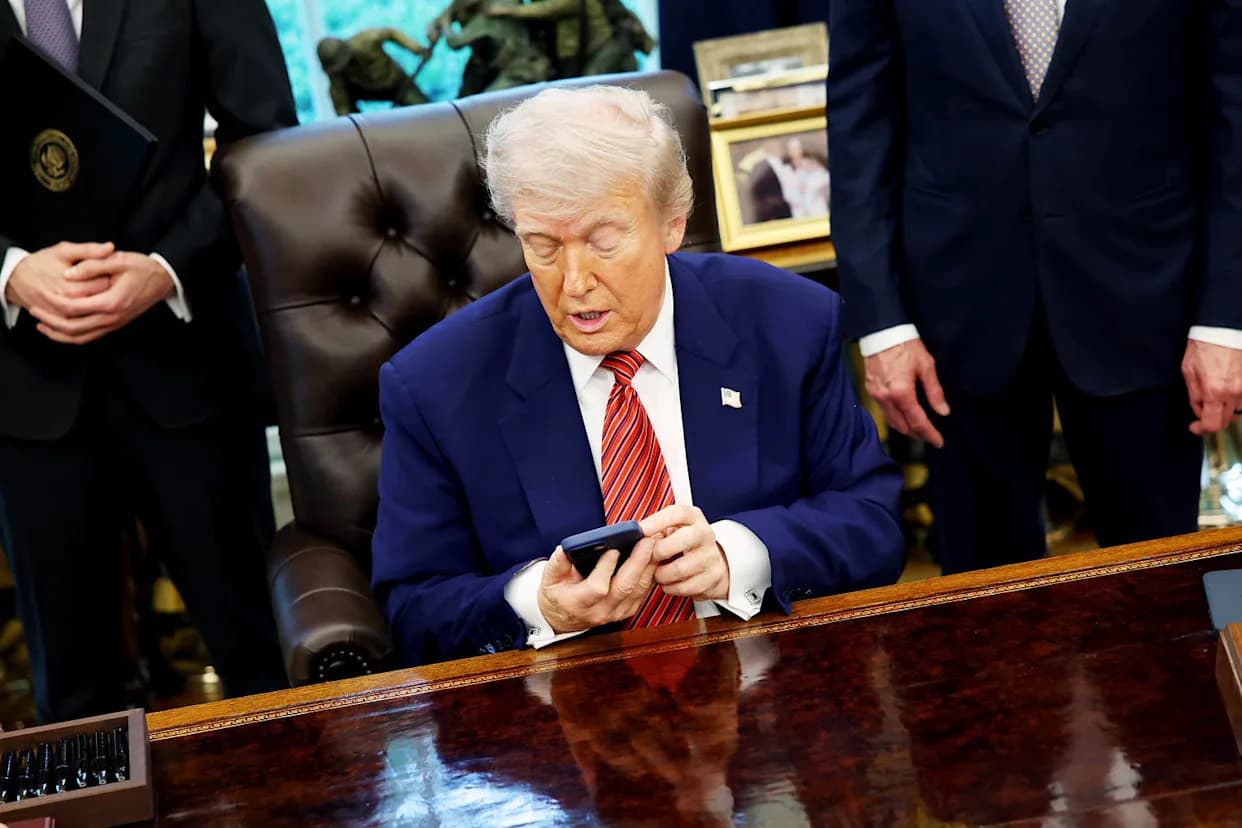
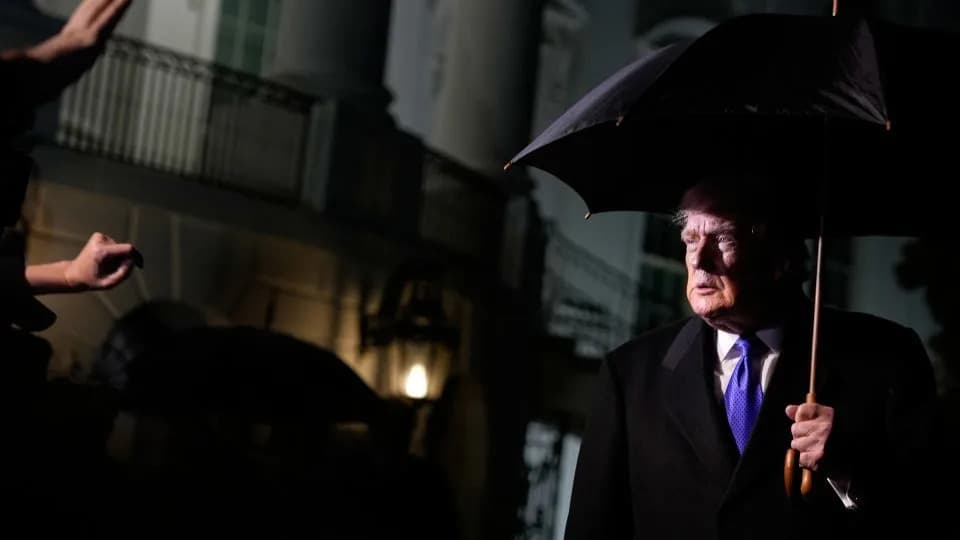
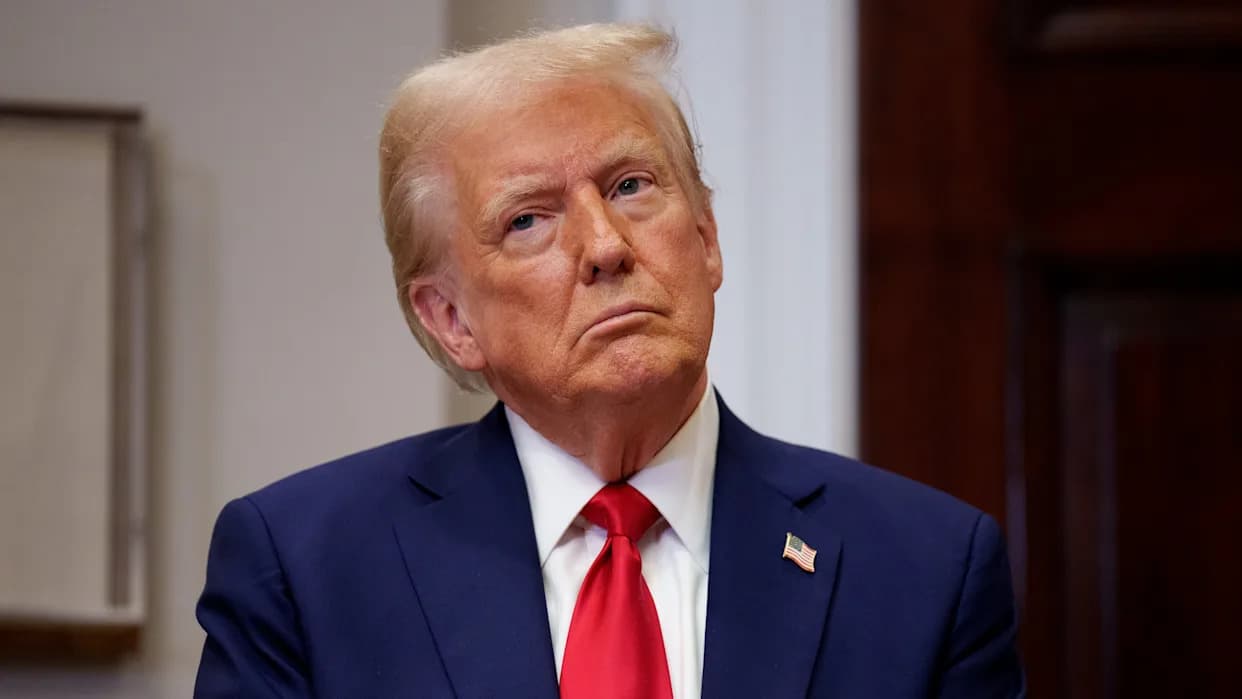
President Donald Trump in the Oval Office in May 2025. (Samuel Corum / Bloomberg via Getty Images)(Samuel Corum)
A series of recent social media posts from official Trump administration accounts have used language and imagery that experts say closely mirror terminology and symbols popular in far‑right and white supremacist circles. Academics and extremism researchers say the posts blur the line between patriotic messaging and coded signals that can embolden extremist audiences while preserving plausible deniability.
Which Posts Raised Concern?
Among the flagged examples:
- A White House post on X showing two teams of sled dogs — one trail leading to a U.S. flag, the other to the flags of Russia and China — with the caption: Which way, Greenland man?
- An August Department of Homeland Security (DHS) X post that captioned an Uncle Sam–style recruitment image: Which way, American man? Experts note the phrasing resembles the 1978 book Which Way, Western Man, a text frequently cited in extremist circles.
- A DHS image shared across X, Facebook and Instagram that showed a silhouetted rider and a B‑2 bomber with the overlaid text: WE'LL HAVE OUR HOME AGAIN followed by JOIN.ICE.GOV — a phrase researchers say is associated with a song embraced by white nationalists.
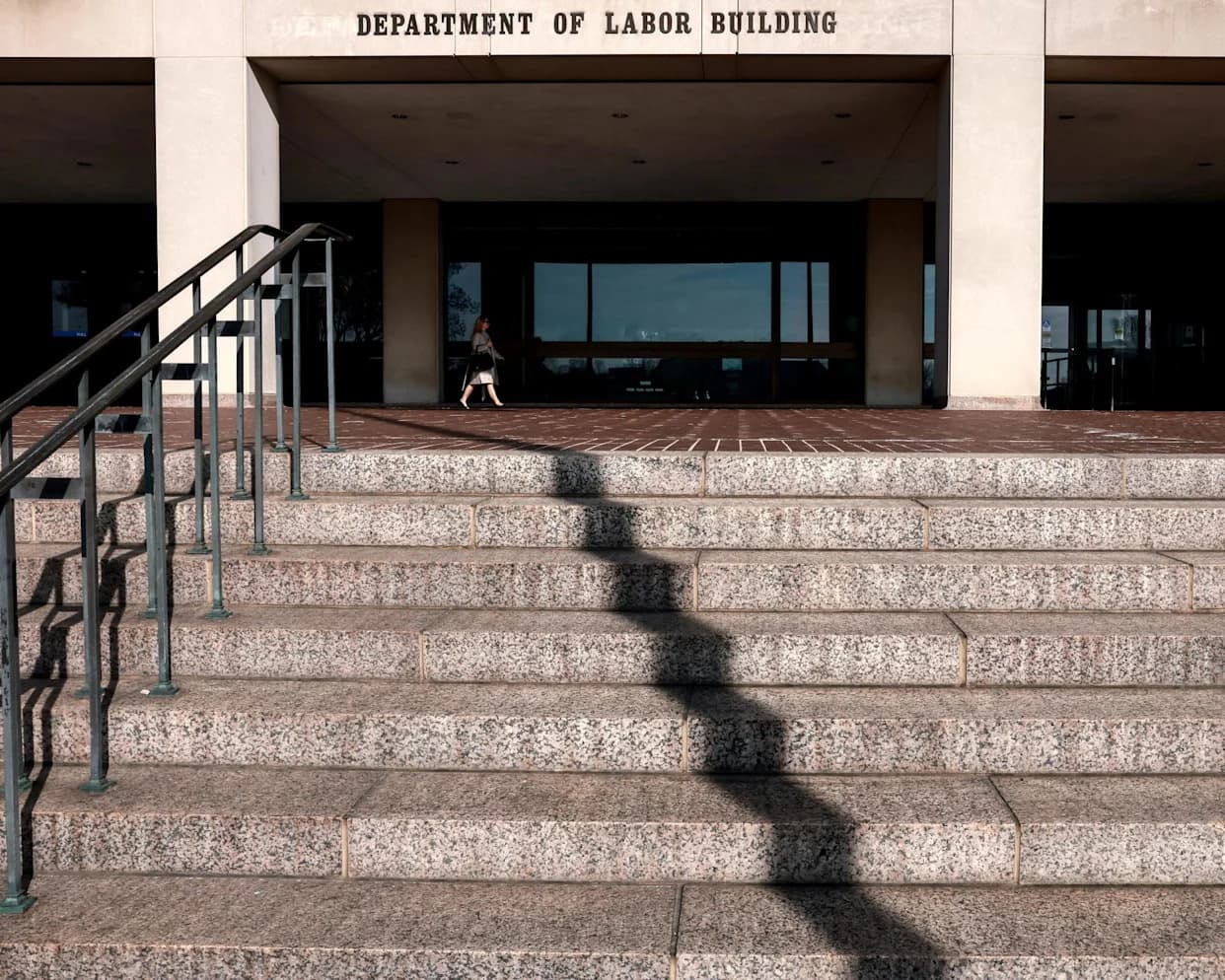
- A Labor Department X post that read: One Homeland. One People. One Heritage. Critics compared its cadence to the Nazi slogan Ein Volk, Ein Reich, Ein Führer, prompting public outrage from union leaders and others.
Expert Reactions
Researchers interviewed by NBC News — including Robert Futrell of UNLV, Jon Lewis of the Program on Extremism at George Washington University, Jessie Daniels of Hunter College, Peter Simi of Chapman University, and Cynthia Miller‑Idriss of American University — said the posts use a mix of dog whistles and more explicit signals.
“These are no longer dog whistles,” Jon Lewis said. “They’re bullhorns.”
Experts warned that phrases and visuals once confined to fringe spaces now appear in official communication, normalizing terms like invasion, re‑migration and cultural decline that carry particular meaning within far‑right networks.
Responses And Circulation
The White House and DHS criticized the framing of the reporting. A White House spokesperson told Politico, “This line of attack is boring and tired. Get a grip.” A DHS spokesman said, in part, that “calling everything you dislike ‘Nazi propaganda’ is tiresome... DHS will continue to use all tools to communicate with the American people.”
Meanwhile, researchers found the posts circulating in extremist channels. Wendy Via of the Global Project Against Hate and Extremism identified Telegram messages in which Proud Boys members shared the images with comments such as, “Message received.” Academics note that amplification by sympathetic accounts and platforms magnifies the intended impact.
Context And Implications
Observers say the posts perform multiple functions: they convey a patriotic message to the general public, signal approval to extremist audiences, and generate viral attention on social media. Heather Woods of Kansas State University described the tactic as intentionally persuasive: these messages transfer familiar emotional cues to new policies and campaigns, such as ICE recruitment or hardline immigration measures.
Peter Simi observed that the content often strives for plausible deniability: by repackaging extremist phrasing as broadly patriotic language, officials can assert benign intent while maintaining resonance with far‑right networks.
Takeaway
Experts warn that the normalization of fringe language and imagery at high levels of government risks legitimizing extremist ideas and strengthening the networks that circulate them — a shift that has significant social and political consequences beyond social feeds.
Originally published on NBCNews.com.
Help us improve.