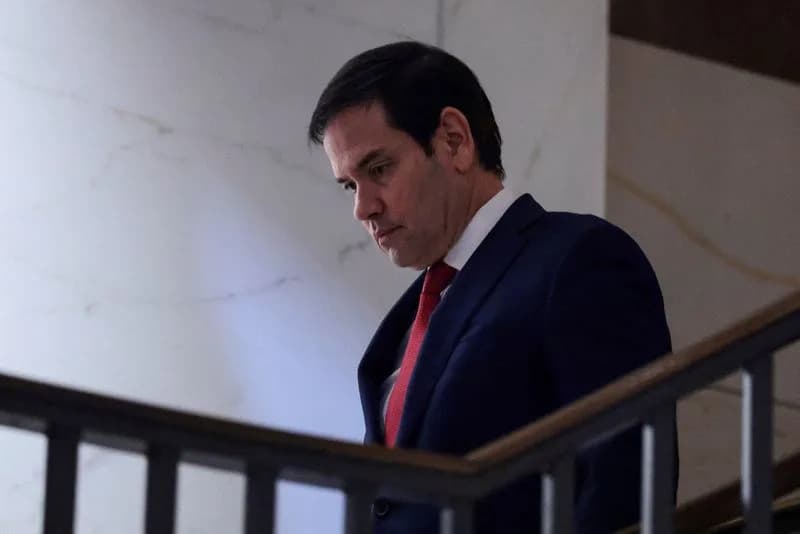
Marco Rubio has shifted from Trump critic to a close, influential member of the administration. Once a neoconservative hawk who championed confronting Putin, promoting human rights and supporting USAID, he has moderated some stances while embracing Trump’s America‑First agenda. Rubio helped push action against Venezuela, picked up the national security adviser role, and backed stricter immigration measures — moves observers say reflect political calculation and possible long‑term presidential ambition.
Principles Jettisoned: Has Marco Rubio Switched Sides — Or Is He Playing the Long Game?
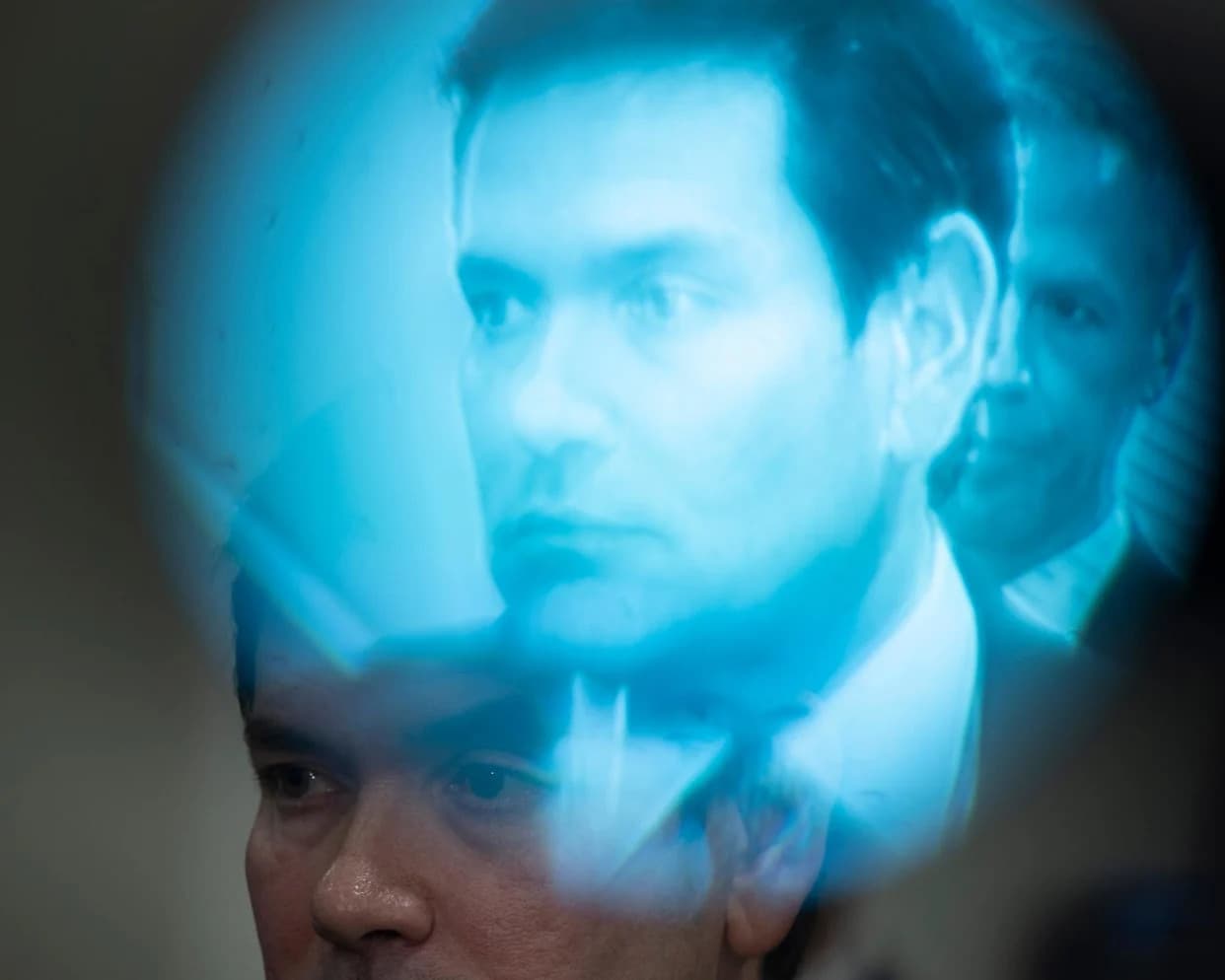
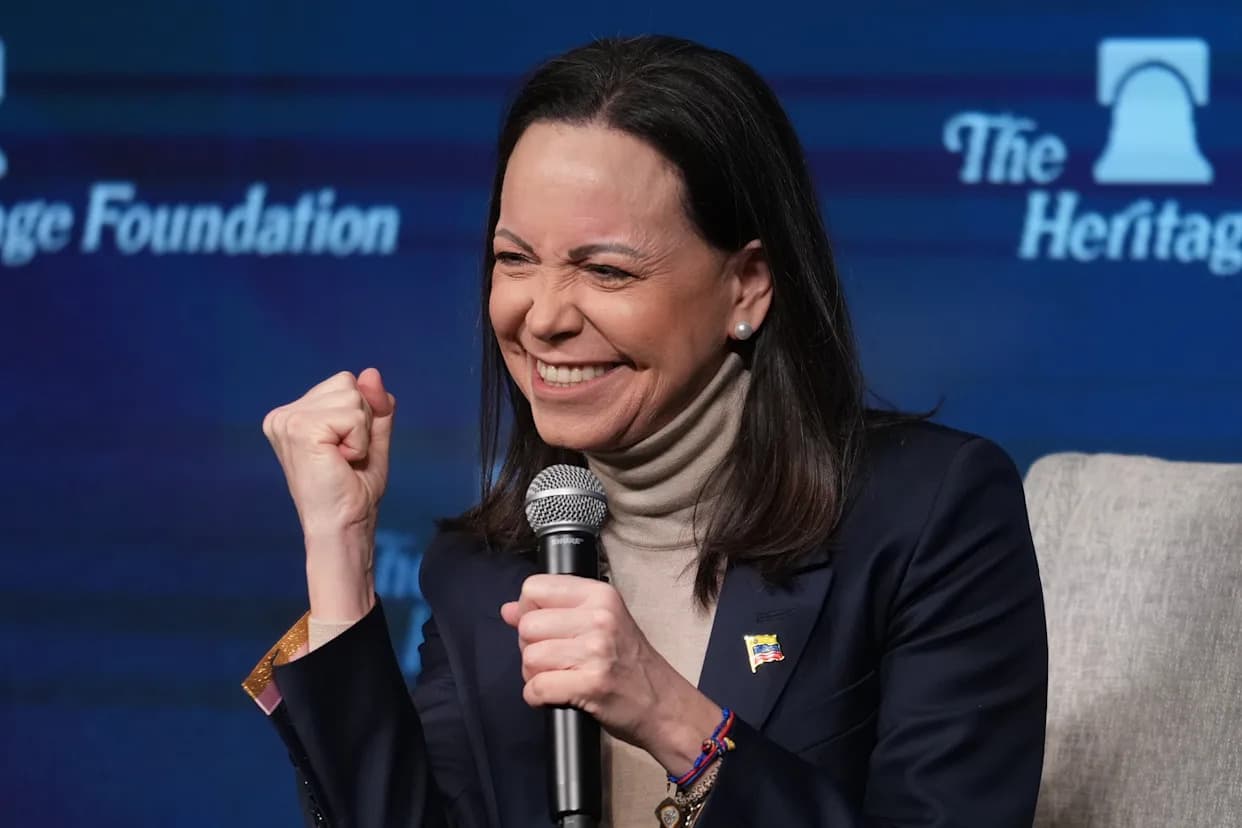
Marco Rubio: an obsession with overthrowing the government in his parents’ homeland of Cuba may be his only abiding guiding light.Photograph: Brendan Smialowski/AFP/Getty Images(Photograph: Brendan Smialowski/AFP/Getty Images)
The exchange captured a clear master‑servant dynamic in one awkward instant.
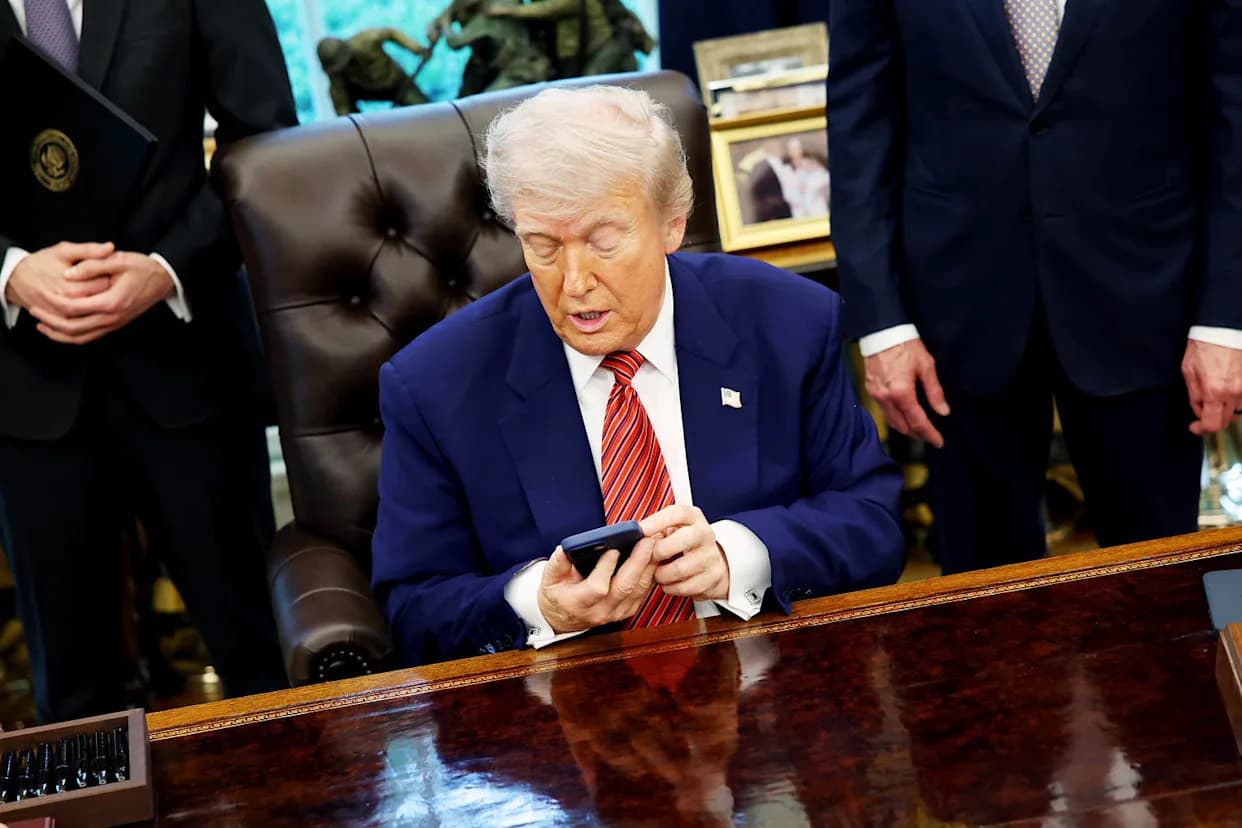
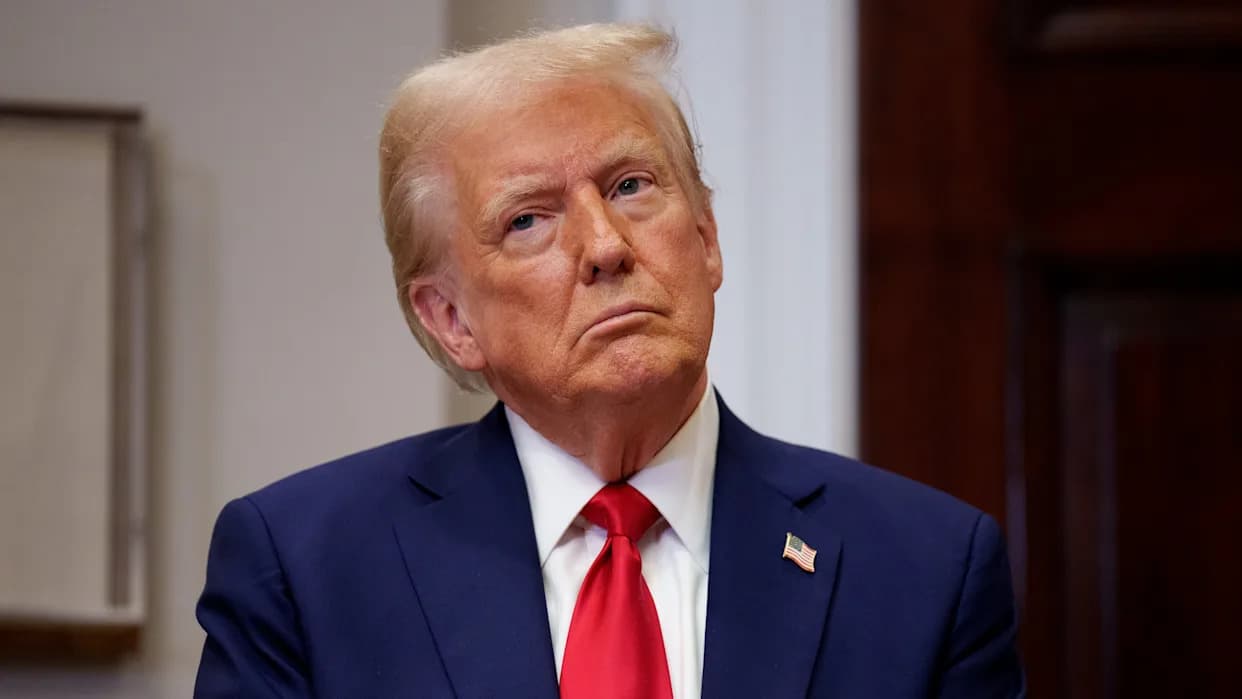
In early January, at a White House meeting with oil executives convened to discuss investment in Venezuela after the US removal of Nicolás Maduro, Secretary of State Marco Rubio discreetly handed a note to President Donald Trump. What Rubio intended as a private message became public when Trump acknowledged it aloud and revealed its contents to the assembled group on live television. “Marco just gave me a note,” Trump said. “Go back to Chevron. They want to discuss something.” Rubio looked visibly uncomfortable before forcing a smile as the president patted him condescendingly.
The incident came less than 48 hours after Trump, in an interview with the New York Times, called Rubio, 54, and Vice‑President J.D. Vance “kids,” saying he had bought each of them four new pairs of shoes to replace their “shitty” footwear. Together, those moments underscored how diminished Rubio’s public standing can appear despite his elevated role in the administration.
From Rival To Partner
Just a decade ago Rubio and Trump were fierce rivals for the Republican presidential nomination, representing sharply different worldviews. As a Florida senator, Rubio built his reputation on foreign‑policy credentials from the Senate Foreign Relations Committee, advocating a conservative‑hawk approach: confronting Vladimir Putin, supporting free trade, and promoting human rights. In a 2015 speech to the Council on Foreign Relations he pledged to “support the spread of economic and political freedom by reinforcing our alliances, resisting efforts by large powers to subjugate their smaller neighbors, maintaining a robust commitment to transparent and effective foreign assistance programs, and advance the rights of the vulnerable, including women and religious minorities.”
Today Rubio’s posture has shifted. He has become a prominent advocate of the administration’s America‑First foreign policy while retaining some interventionist instincts. That evolution helped him secure an influential place in a White House many anticipated he would not survive.
Power, Compromise, And New Responsibilities
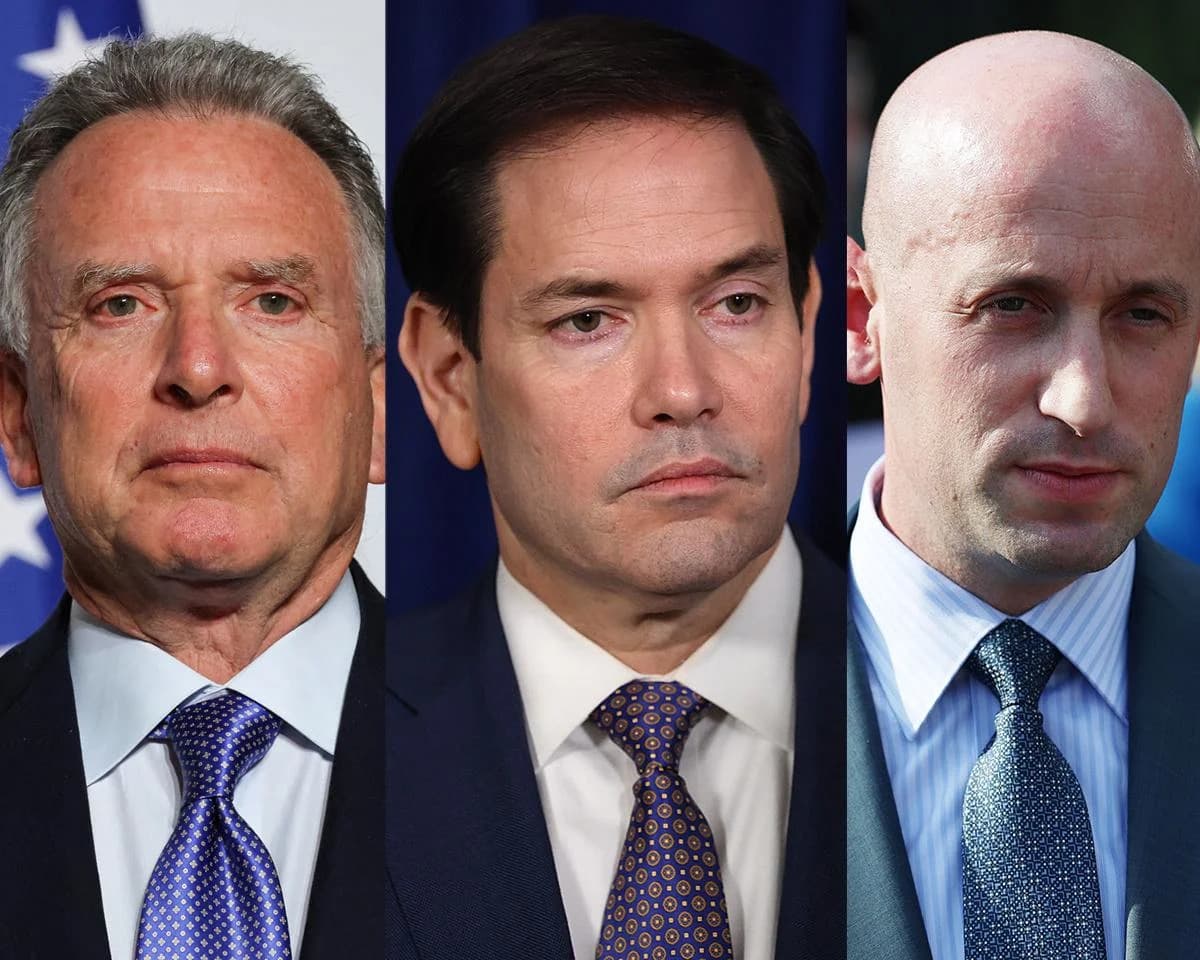
Rubio convinced Trump to take a tougher stance toward Venezuela — a development seen by some as a pinnacle of his influence in Trump circles. He also acquired the additional role of national security adviser in April after Mike Waltz’s removal. Yet Rubio’s expanded title has not translated into full operational control over traditional State Department domains: he has reportedly been shut out of direct Russia‑Ukraine negotiations (handled by special envoy Steve Witkoff) and sidelined in some Middle East talks on Gaza and Iran.
“He has clearly made a political calculation that he is better bending to the winds of MAGA than sticking to whatever previous principles he’s held,” said Daniel Drezner, professor of international politics at Tufts University. “Now, if you asked me what Marco Rubio’s core foreign‑policy principles are, the only answer I could legitimately give you is he’s a hawk on Latin America.”
Policy Shifts: Russia, Ukraine, USAID And Immigration
Rubio has moderated some of his past stances. Once a hardliner on Putin—arguing in 2015 that the Russian leader “wants nothing less than the recognition of Russia as a geopolitical force”—Rubio continued to support arming Ukraine after Russia’s 2022 invasion but has since tempered public criticism as he aligned more closely with Trump. He also acquiesced to dismantling parts of USAID amid reorganizations pushed by outside actors, despite earlier praise for the agency.
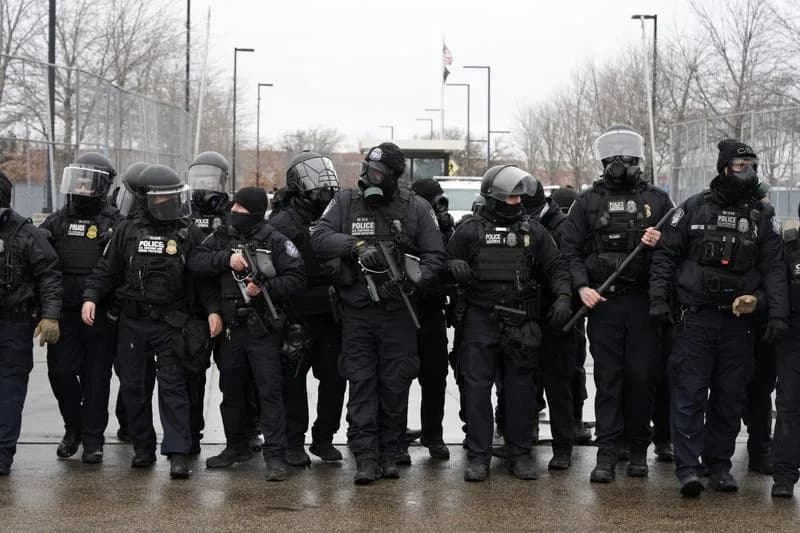
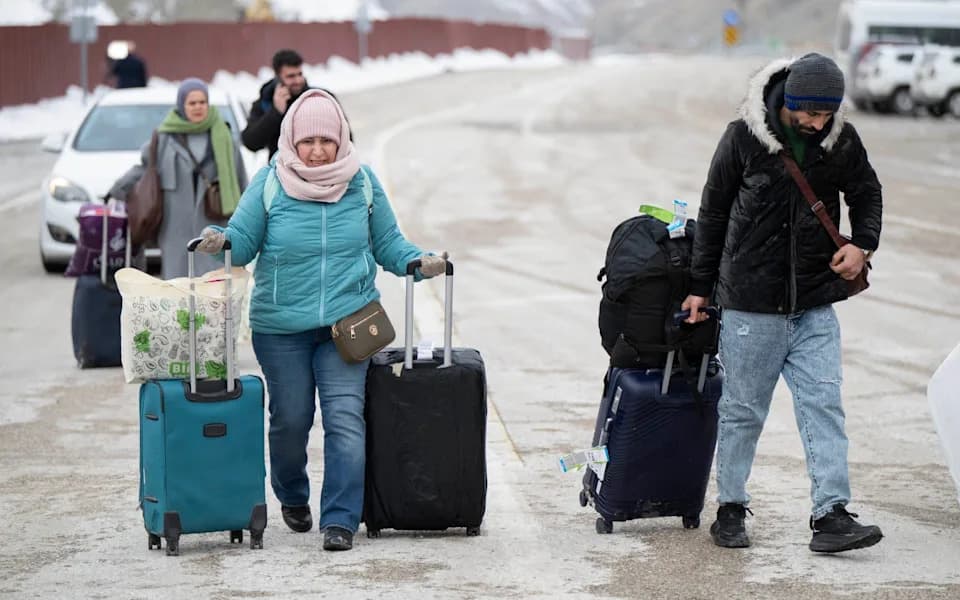
On immigration Rubio’s record has transformed dramatically. The son of Cuban immigrants, he has emerged as an energetic enforcer of restrictive policies: from negotiating a deal with El Salvador to accept more than 250 Venezuelan detainees to supporting broad visa cancellations and an indefinite suspension of immigrant visas for citizens of 75 countries, including Cuba. Critics note allegations of harsh treatment at facilities such as Cecot and question the human‑rights tradeoffs of these moves.
An Ambition‑Driven Calculation?
Observers disagree about motive. Some, like Republican pollster Whit Ayres, argue Rubio adapted to survive politically in the Trump era. Others, including retired ambassador Eric Rubin, describe Rubio as effectively an absentee steward of the State Department—present for ceremonies but spending most of his time at the White House.
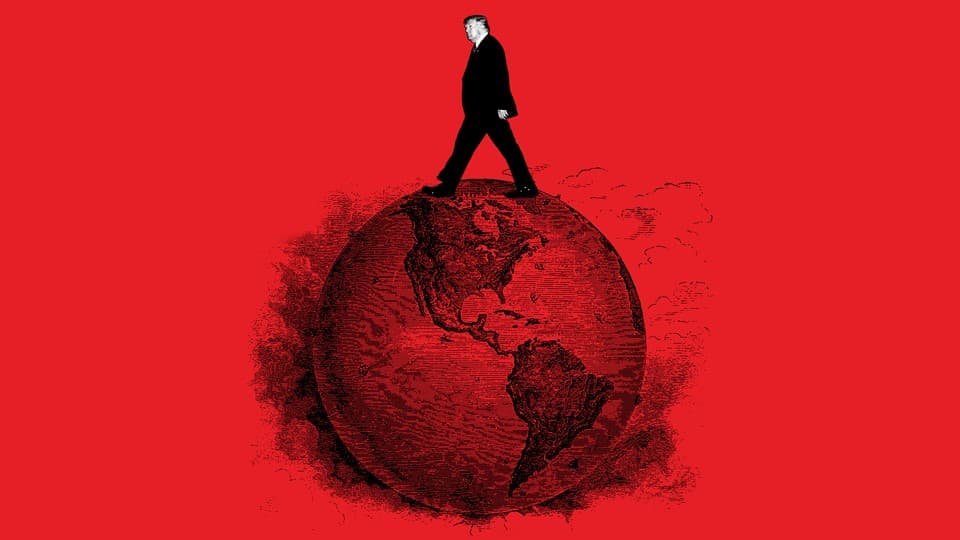
Rubio’s longstanding obsession with Cuba — a core issue for many Florida voters and Cuban‑American conservatives — helps explain his vigor on Venezuela policy. That focus may also serve a longer political calculation: several observers suggest Rubio is positioning himself for a future presidential bid, perhaps timing a run to avoid directly confronting a Trump‑led contest in 2028.
Whether Rubio has truly abandoned earlier principles or has simply reprioritized tactics for a new political era remains debated. What is clear is that his transformation from prominent Trump critic to cooperative and influential cabinet member marks a striking turn in a once‑polarized political relationship.
Help us improve.