This elegiac essay pairs vivid scenes of Iran’s landscapes, cities, food and poetry with the intimate human cost of recent unrest. The author blends travel writing and personal testimony — from the Hyrcanian forests and the Caspian coast to Isfahan and Shiraz — with reports of shootings, arrests and missing family members. The central plea: see Iran’s people and culture before reducing the country to a geopolitical problem.
Iran: A Country to Cherish, Not a Problem to Solve — A Personal Love Letter
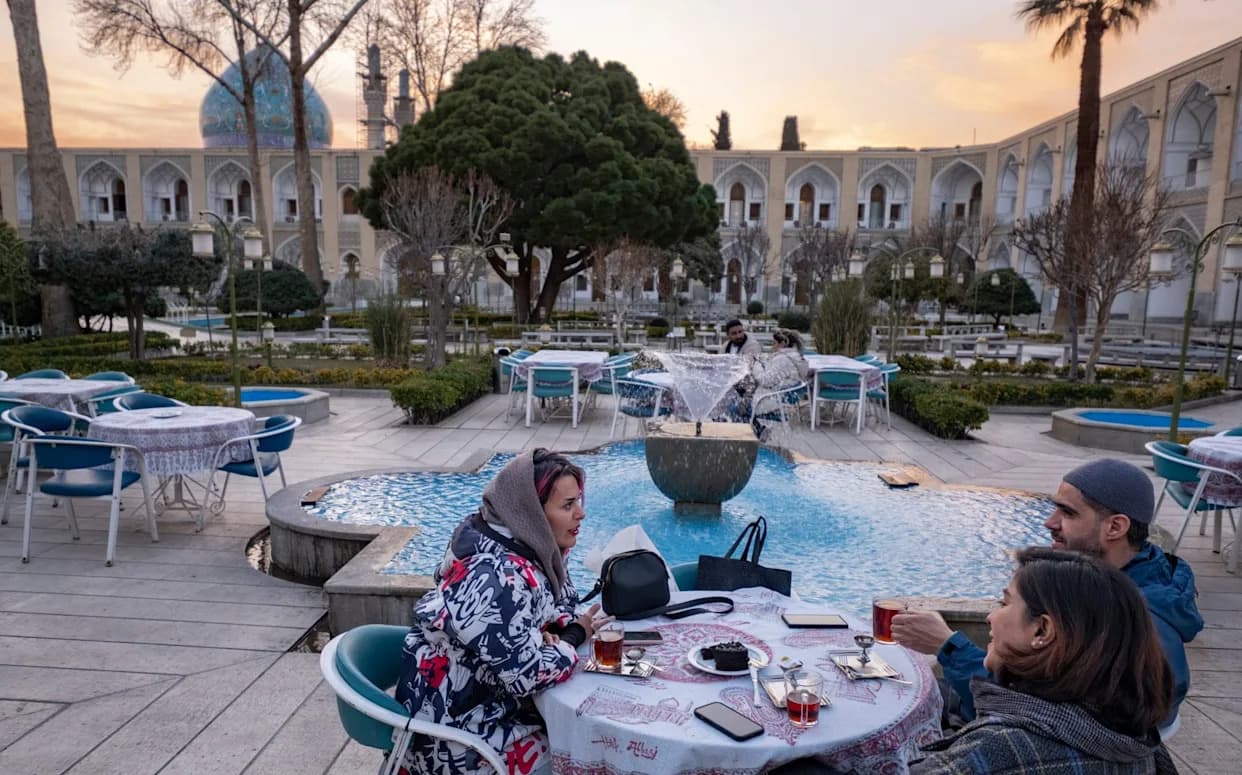
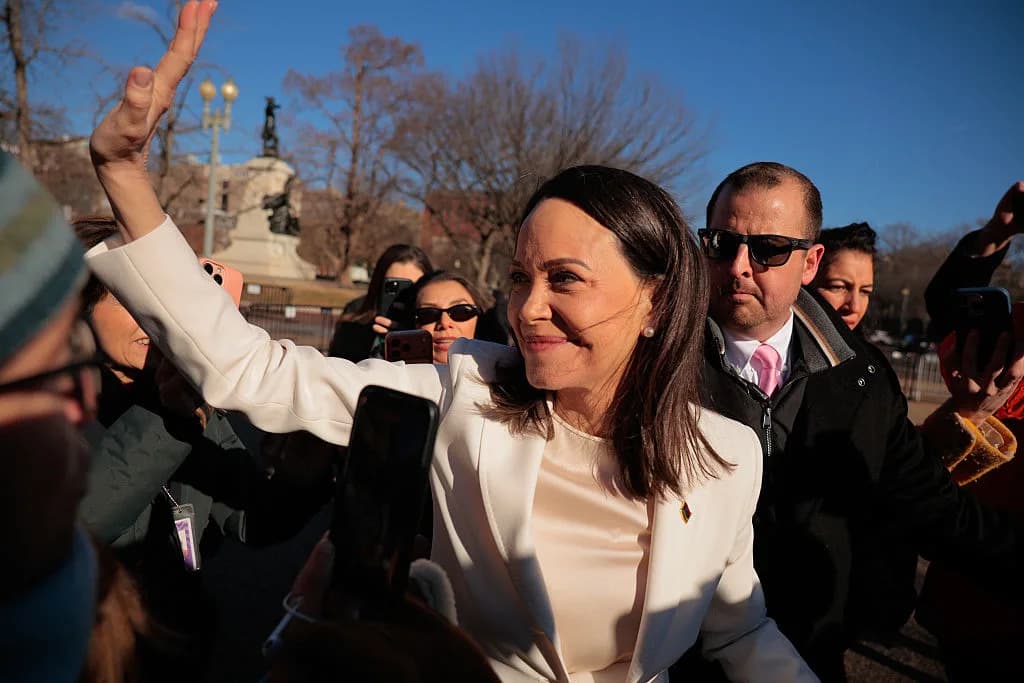
For many, Iran is just another headline, But for millions it is a country full of the people they love - Getty Images/Morteza Nikoubazl
There is a journey through Iran that wounds you twice: first with its astonishing beauty, then with the sorrow of what seems to be vanishing.
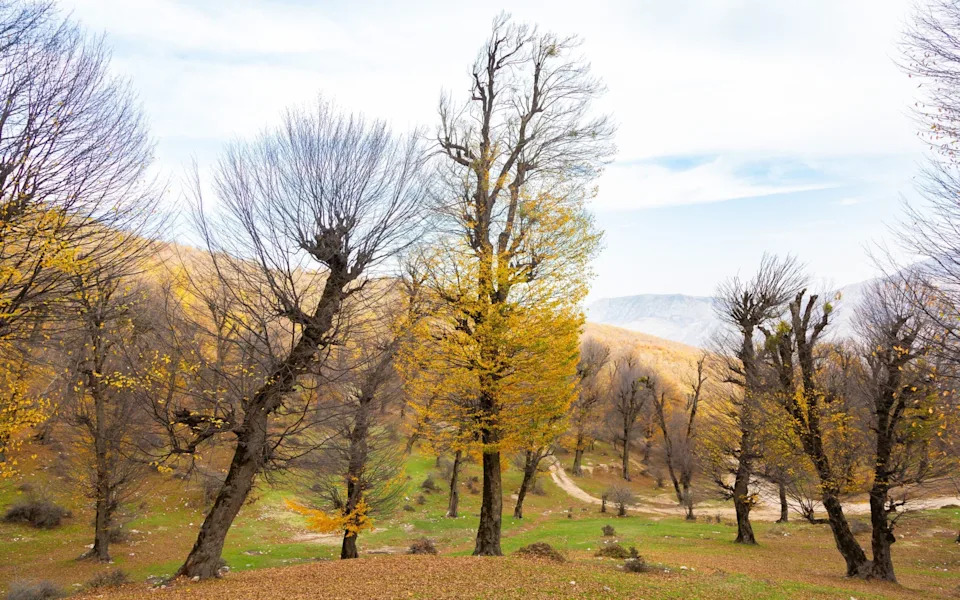
The beautiful ancient Hyrcanian Forest, just south of the Caspian Sea - AFP/Morteza Aminoroayayi
Landscapes and Cities
You leave Mashhad in the north-east — a city of pilgrims and poets whose turquoise domes catch the morning light — and head west toward the Caspian Sea. The road climbs into the Alborz mountains and into forests so thick the world turns silent and green.
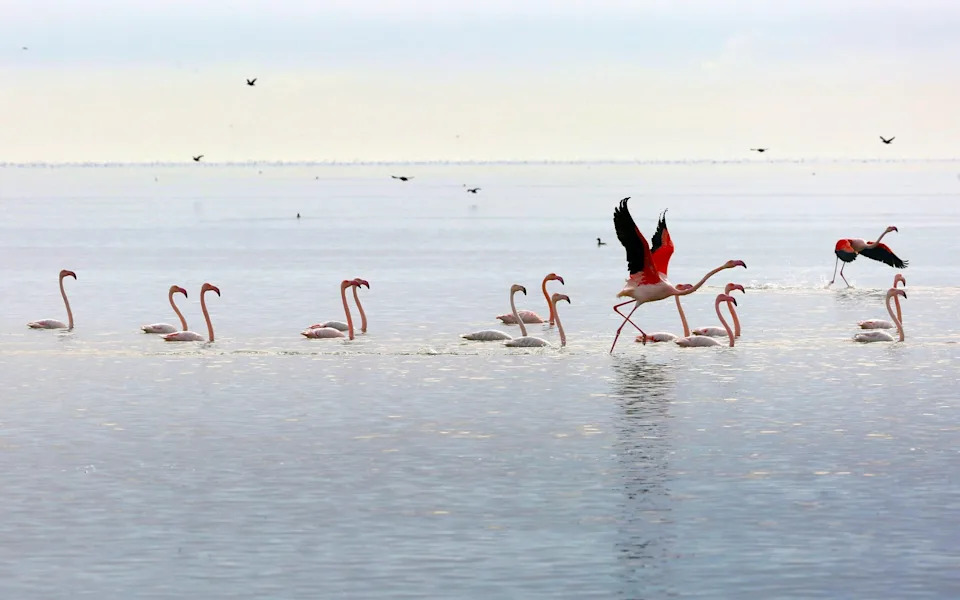
The Caspian Sea is the world’s largest inland body of water and a beautiful part of Iran - Seyed Vahid Hosseini
These are the Hyrcanian woods, older than timelines in schoolbooks. The trees were here long before Islam, before Zoroaster, before anyone had named this land Persia or Iran. Oak, beech and hornbeam form vaults above narrow roads that curl like lines from Hafez: intricate, beautiful, and leading somewhere you cannot quite predict.
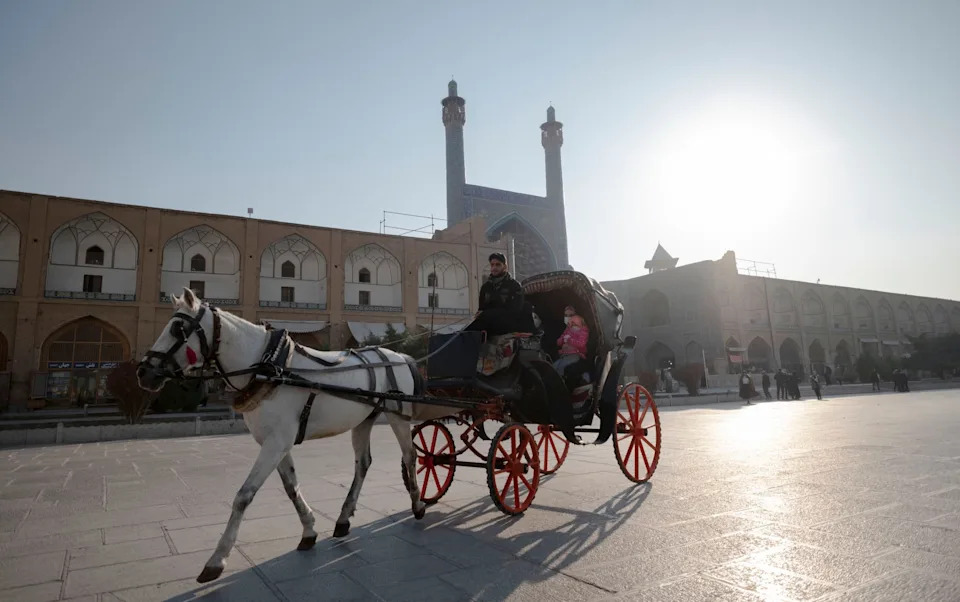
Iman Mosque lies at the southern end of Isfahan’s magnificent Naqsh-e-Jahan square - Getty Images/Morteza Nikoubazl
In Fereydunkenar the Caspian spreads out: blue and inviting, with a cool breeze on your face. This is not the arid landscape many in the West imagine — here are coastlines, terraced rice paddies and wooden houses with steep roofs shaped for rain.
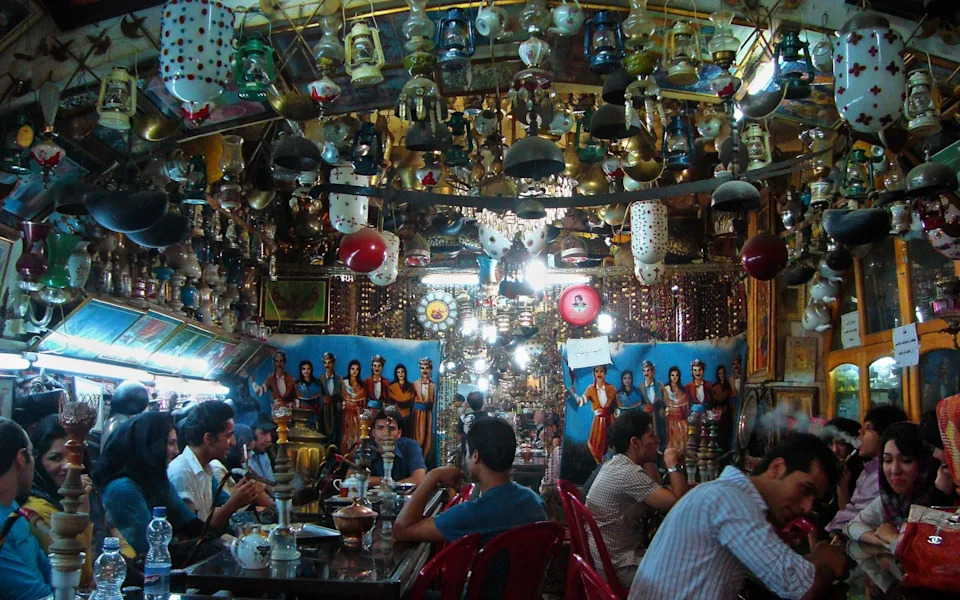
Iranians love their tea houses, where they smoke hookahs, catch up with friends and watch the world go by - Ferry Vermeer
Food, Poetry and Daily Life
Food in Iran is not mere fuel; it is edible poetry. There is tahdig — the scorched rice at the bottom of the pot that families quarrel over — crisp, buttery and worth the burnt tongue. There is saffron and pistachio, pomegranate and rose water, and dishes whose names sing: ghormeh sabzi, tahchin, koobideh, joojeh.
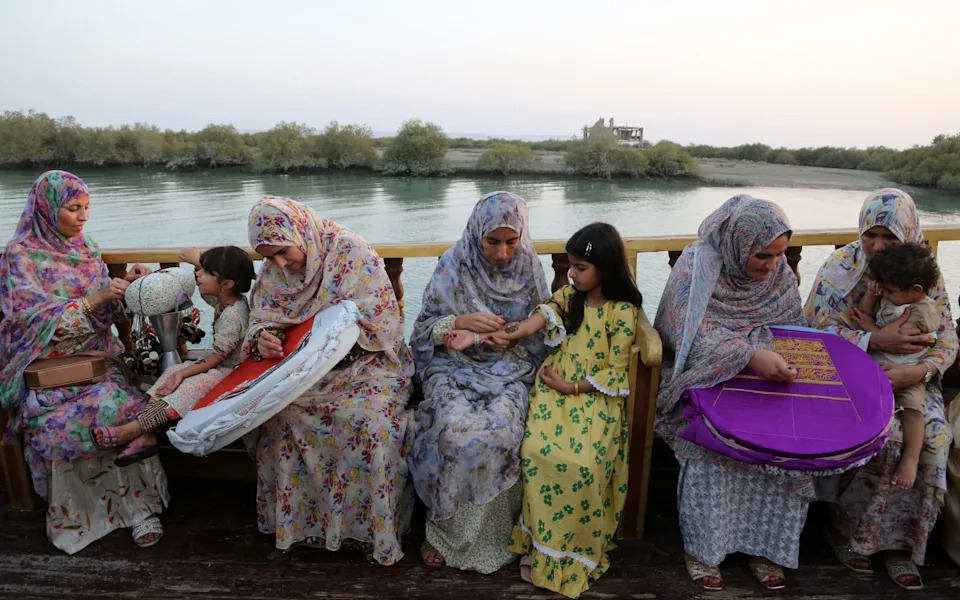
Women on a Lenj boat in Qeshm Island chat and compare henna patterns - Getty Images/Fatemeh Bahrami
In Isfahan the vast symmetry of Naqsh-e-Jahan square makes you feel you are standing where history was made. At sunset the Imam Mosque shifts from blue to gold into a hue words cannot name. In Shiraz, Hafez and Saadi lie in fragrant gardens where people still open their poems at random to seek counsel about love and life.
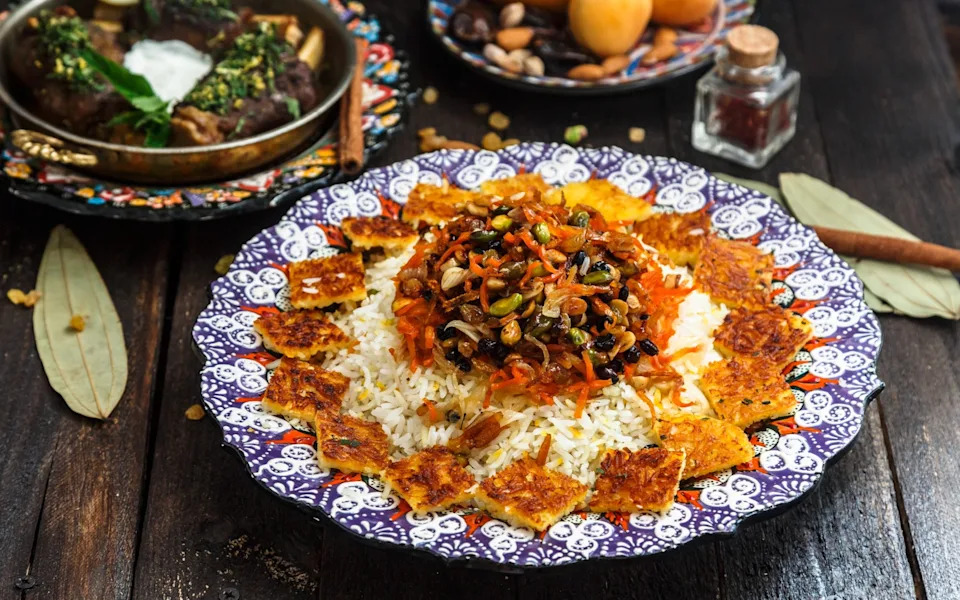
Food in Iran is poetry you can eat – love made visible on plates
In Tabriz the bazaar carries cardamom and leather, wool and life — trade as conversation and connection. In the Dasht-e-Kavir desert you hear your own heartbeat beneath a sky thick with stars. On Qeshm Island mangrove Hara forests grow in saltwater; in Kermanshah millennia-old inscriptions and carvings tell stories in stone.
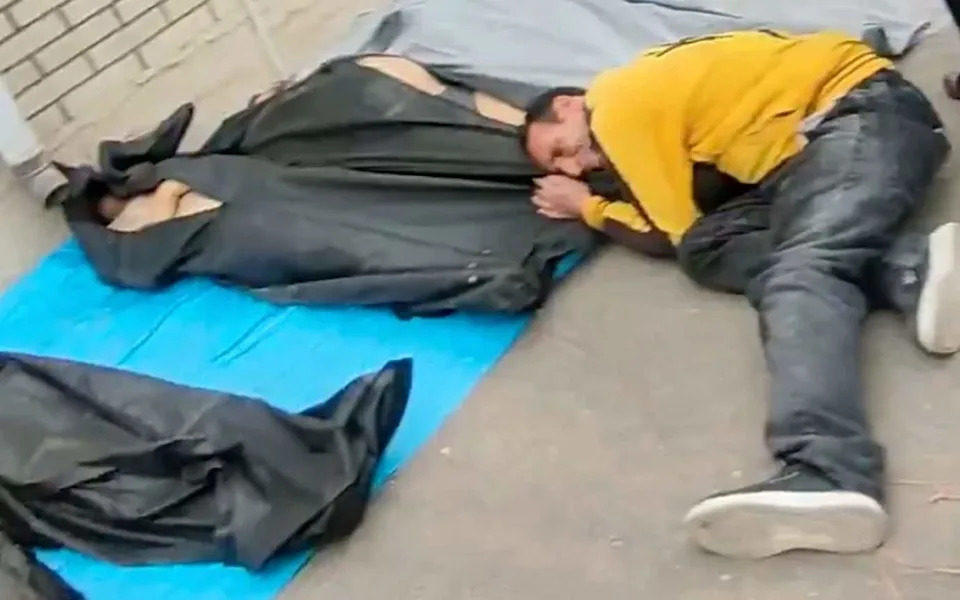
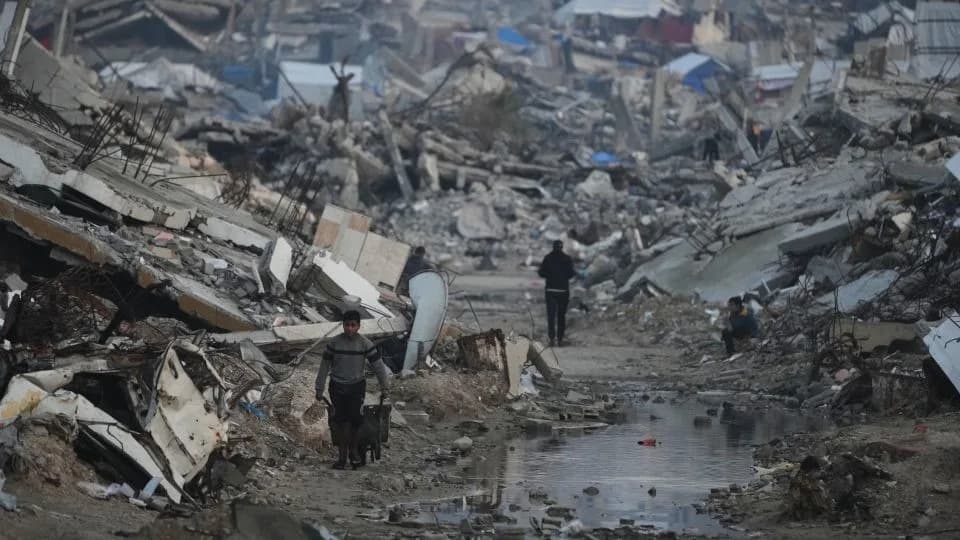
The crackdown in Iran has resulted in body bags piling up - AP
Hospitality and Family
Iran is also the family in Tehran that invites you for tea and keeps you for supper and breakfast because Iranian hospitality treats guests as gifts — and you do not rush a gift. It is the mother in Saveh who cooks for hours, watches her children eat and claims she is not hungry — the way Persian mothers say “I love you.” It is the grandmother in Yazd who makes koloocheh from a recipe passed down through generations. It is the teenager in Sari who dreams of studying art and practices English with American films and Persian subtitles.
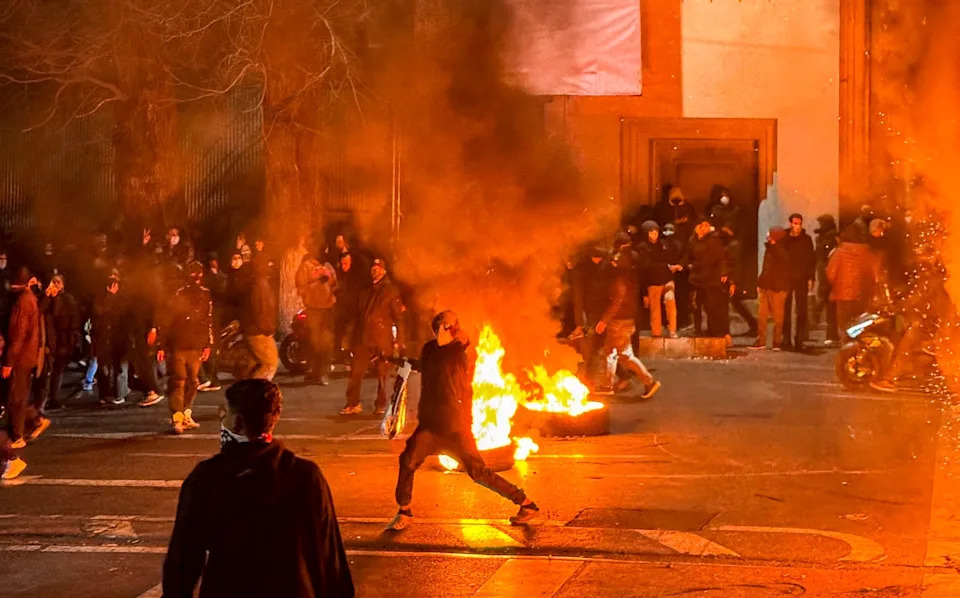
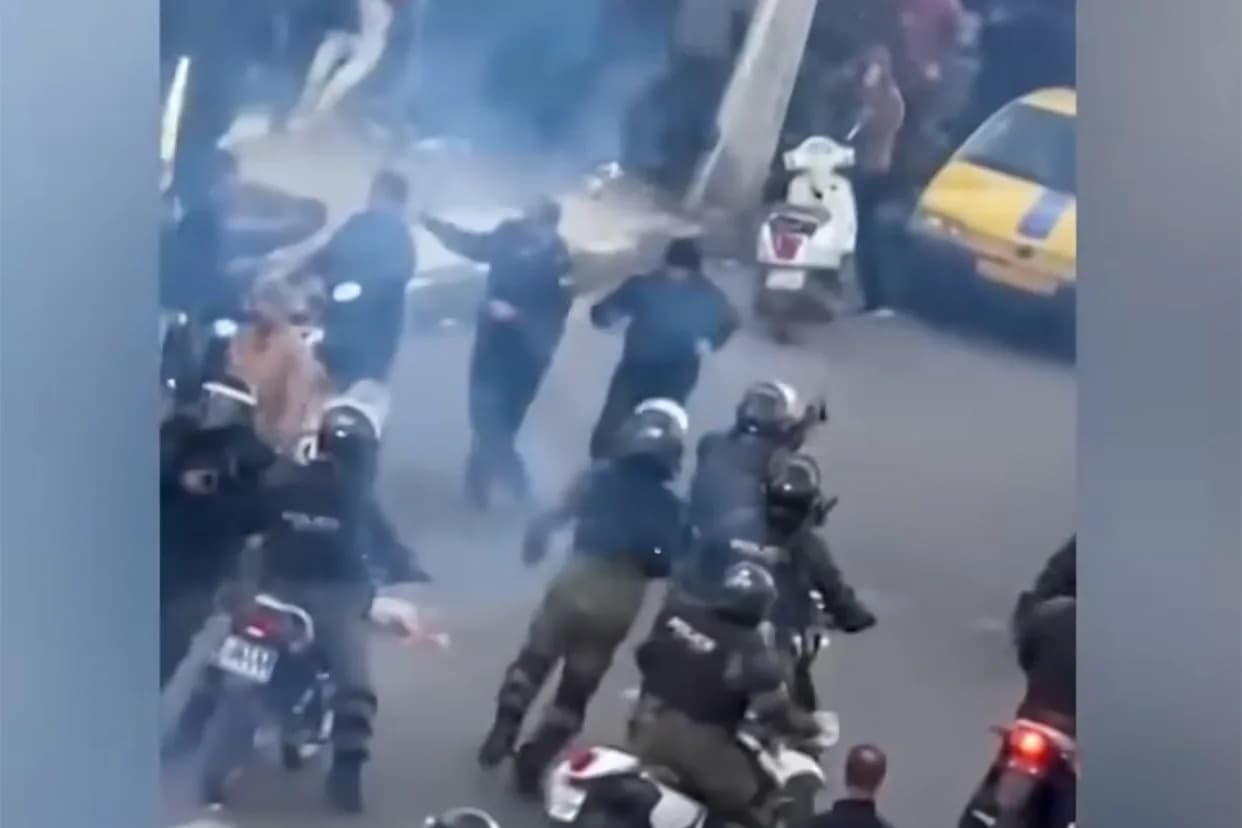
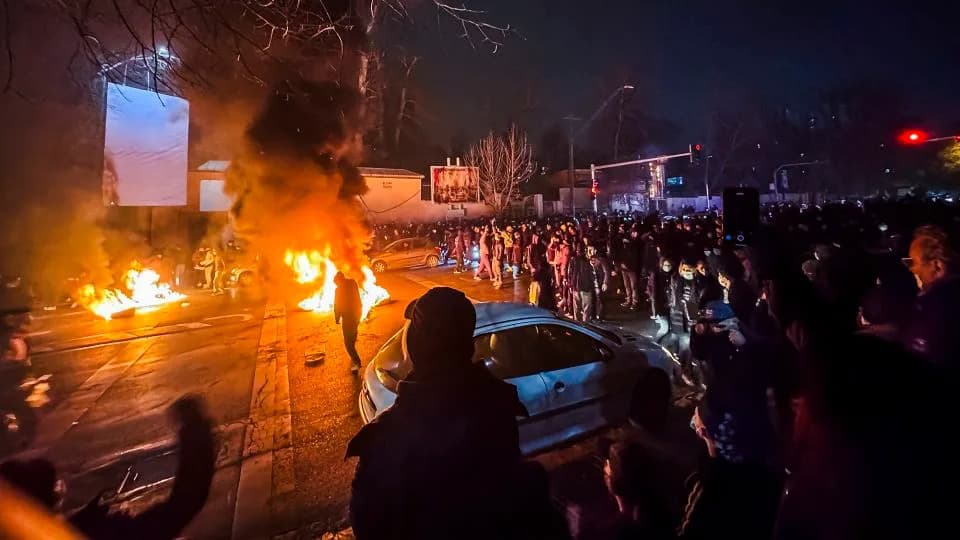
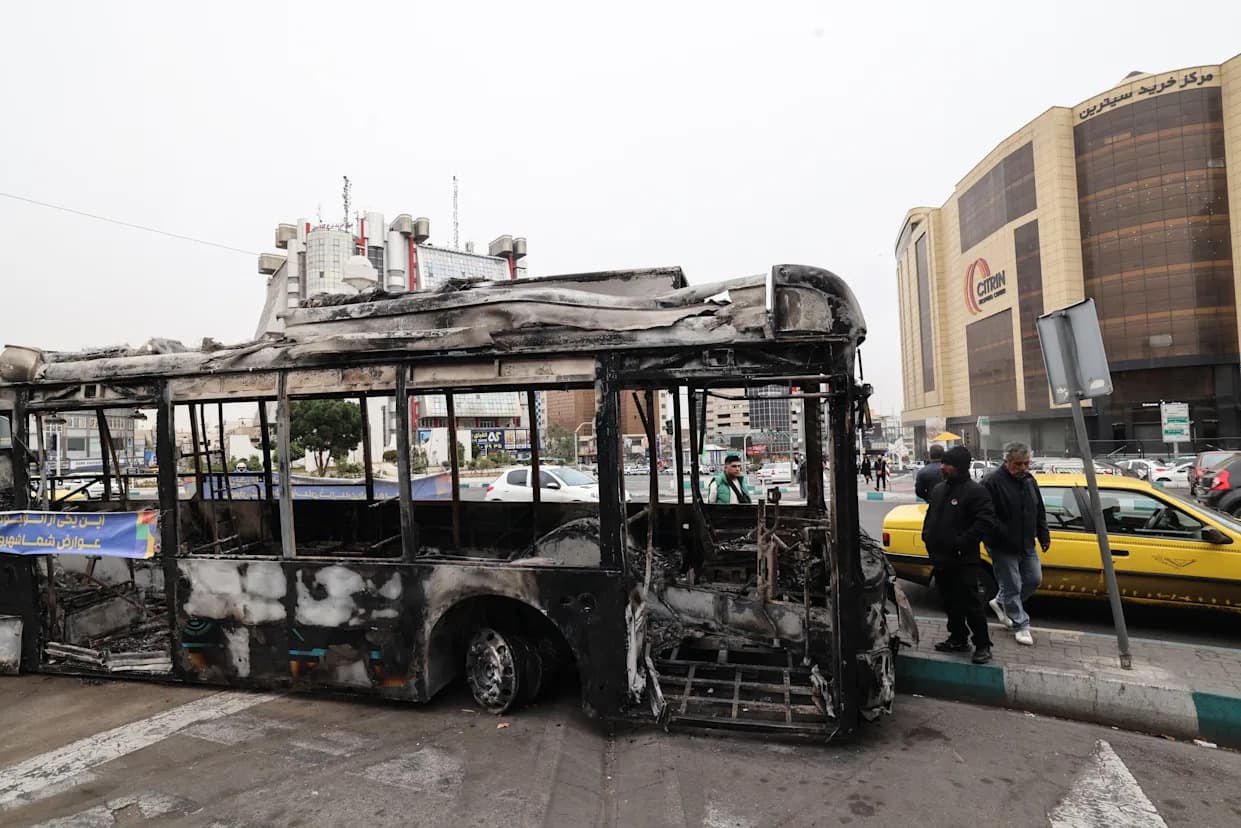
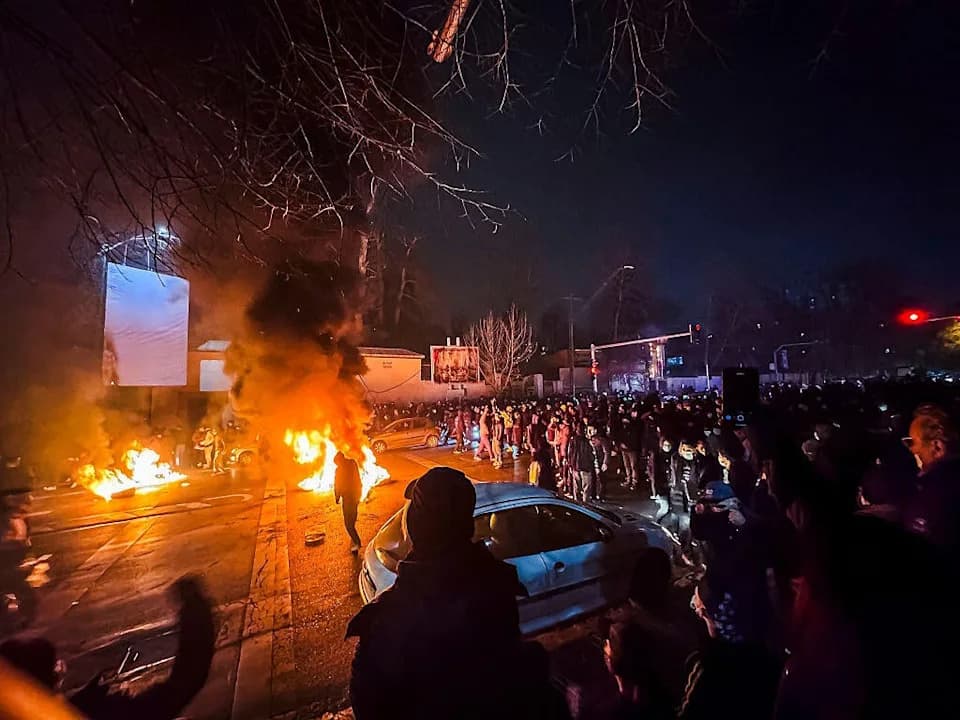
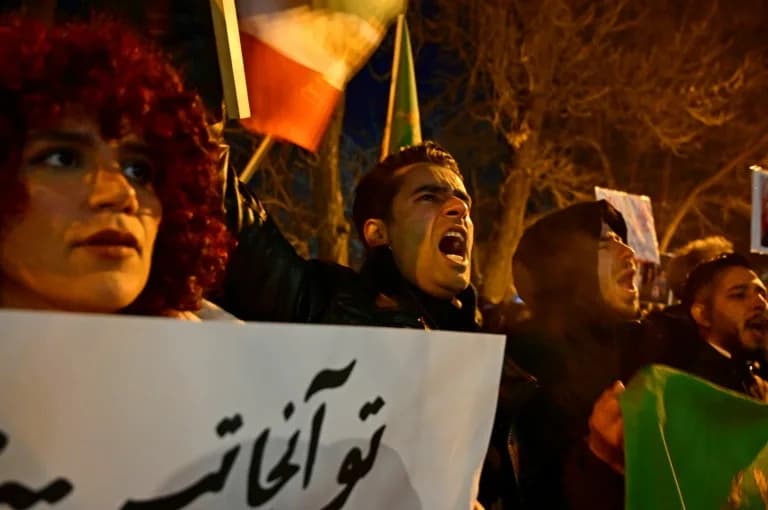
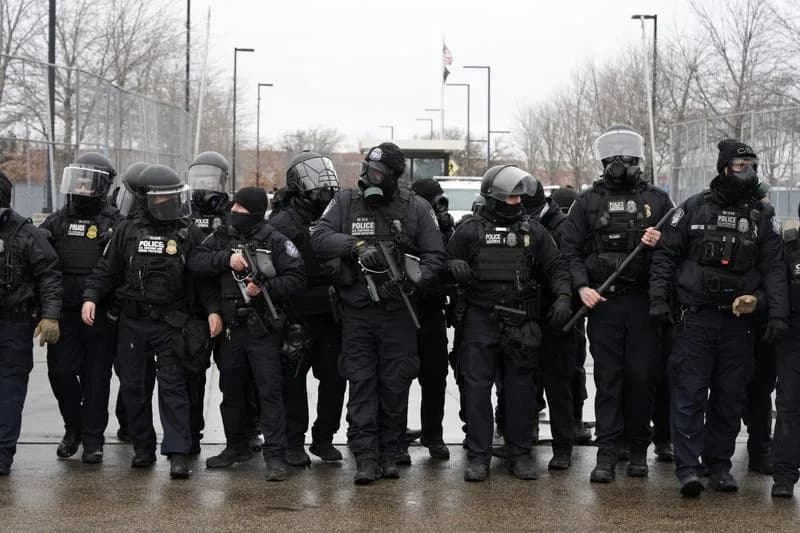
Nationwide protests have been brutally put down by the regime - Getty Images
Personal Fear and National Unrest
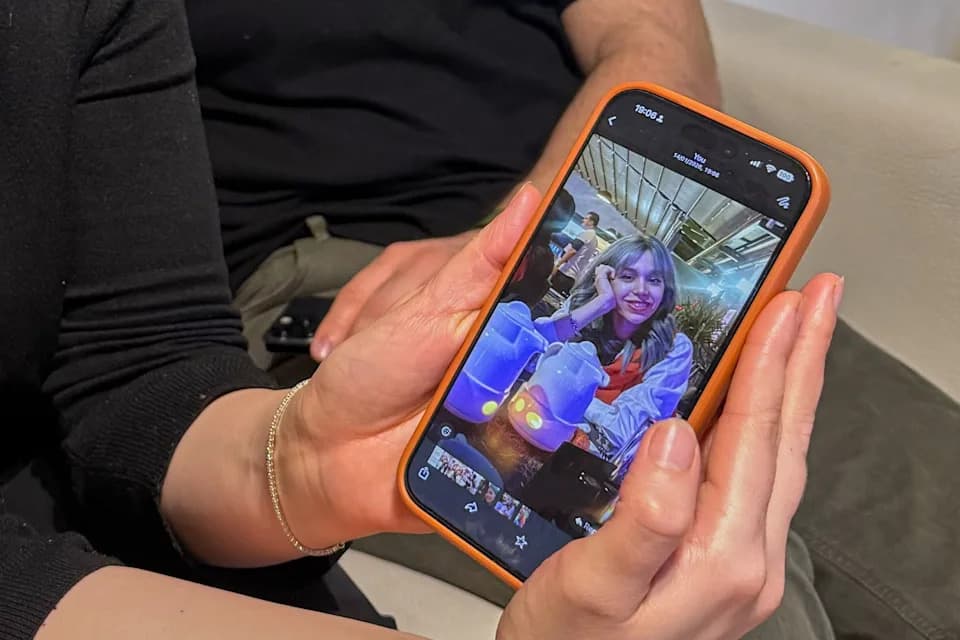
But there is another Iran in the news: the one of protests, arrests and violence. The essay names individuals and tragedies to humanize the crisis — Erfan Soltani, a 26-year-old reportedly scheduled to be hanged for his beliefs; Akram Pirgazi in Neyshabur, shot while she wanted only time to watch her children grow. The author also reports nine days with no contact from family and footage of body bags near their home.
People are being shot and detained: protesters, medics who treated them, family members who cried too loudly, and those who posted online before internet access was cut. In Isfahan, security forces opened fire on demonstrators near the city’s historic bridges. These events are described not as statistics but as personal loss and fear.
"The wound is the place where the light enters you." — Rumi
A Historical Perspective and a Plea
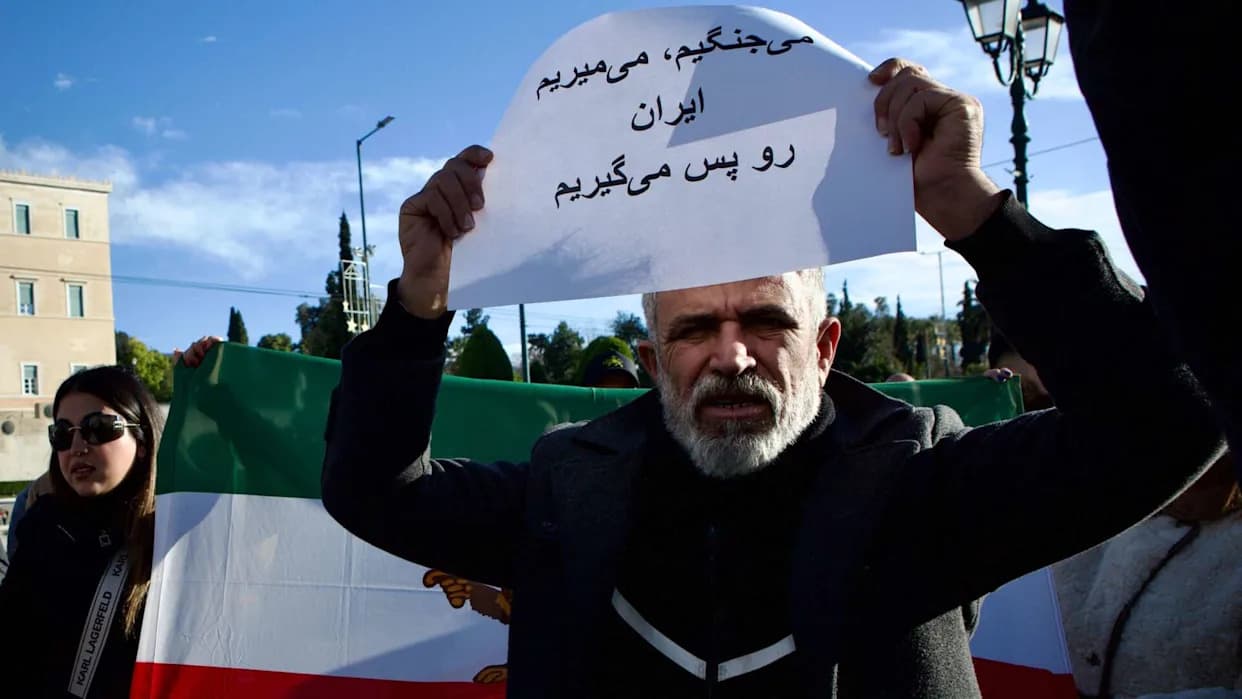
Iranians remember that history is long and cyclical: empires and dynasties have risen and fallen. Yet the essay emphasizes that poetry, hospitality and daily life persist despite repression. The central plea is urgent: do not treat Iran as only a geopolitical problem to be solved. See the people, the poetry, the everyday acts of love before deciding policies that may shape lives for generations.
While diplomats debate and presidents threaten, somewhere in Iran a child is memorizing a poem, a baker is pulling fresh barbari from the oven, someone is holding a newborn for the first time. Life continues — stubborn and beautiful. Iran is not dying. Iran, you are beautiful — as beautiful as my sisters.
Help us improve.