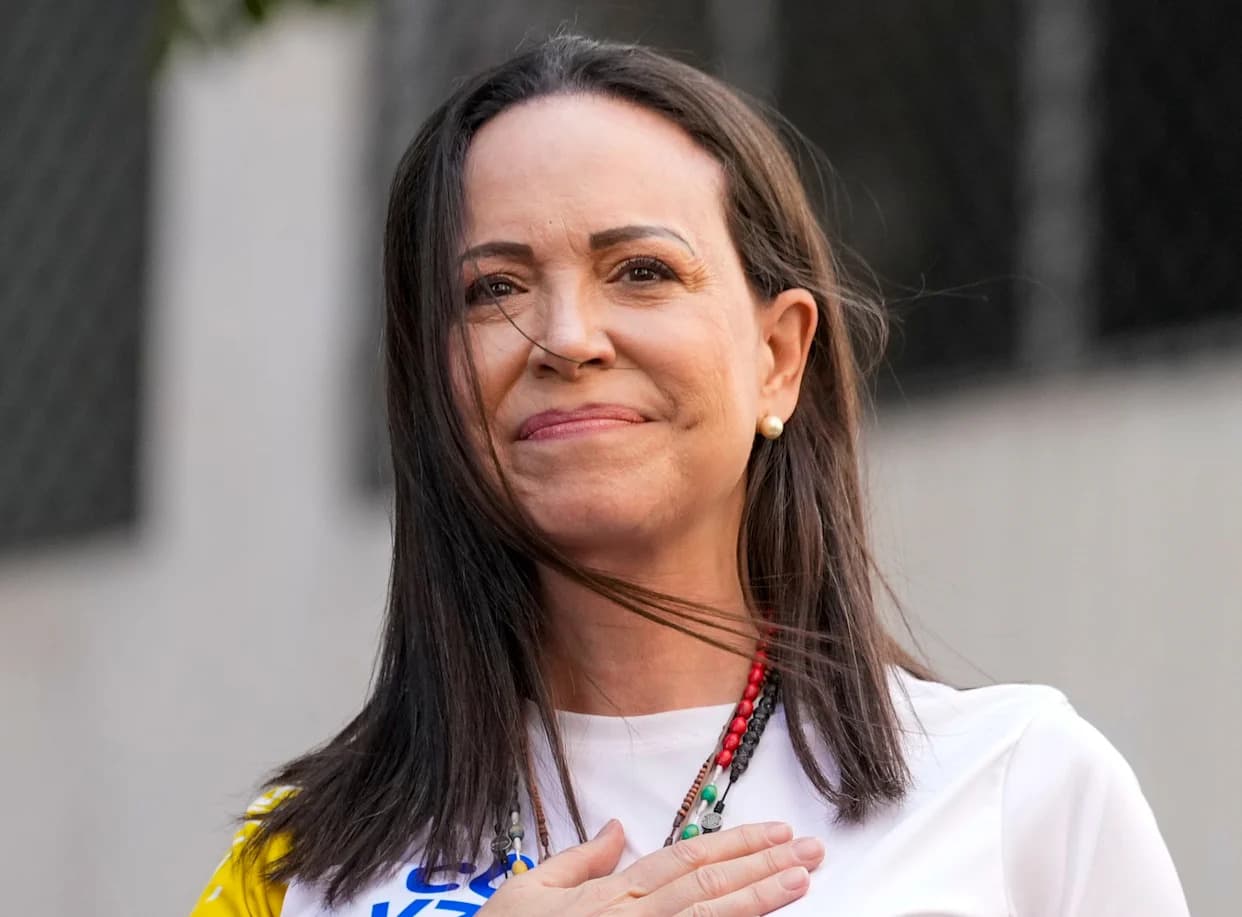
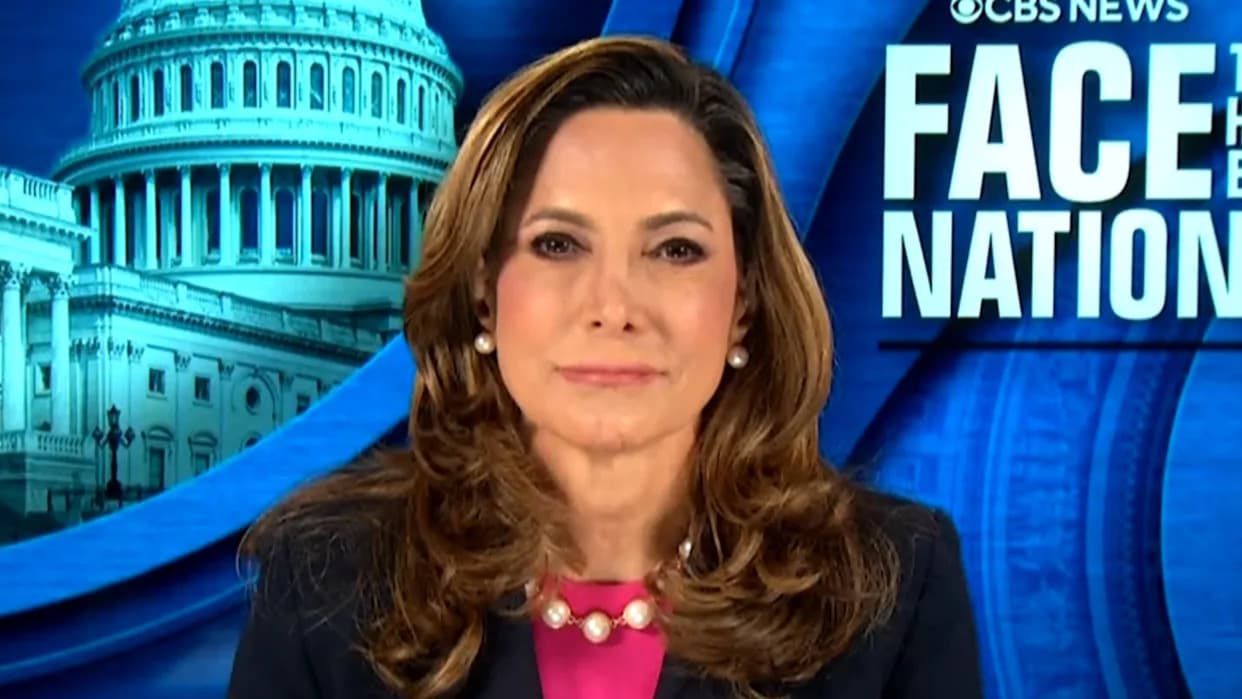
María Corina Machado held her first formal press conference since leaving Venezuela, thanking President Trump for the January 3 operation that removed Nicolás Maduro and outlining a vision of a merit‑based, pro‑American Venezuela. Speaking at the Heritage Foundation after a private White House meeting, she accepted the interim role played by Delcy Rodríguez for stability while pressing for a democratic transition that she says has a popular mandate. Machado called for an end to torture and restrictions on journalists, argued that many exiles would return under a restored democracy, and warned that rebuilding will be complex but necessary.
“Profoundly Pro‑American”: María Corina Machado’s Plan for a Post‑Maduro Venezuela
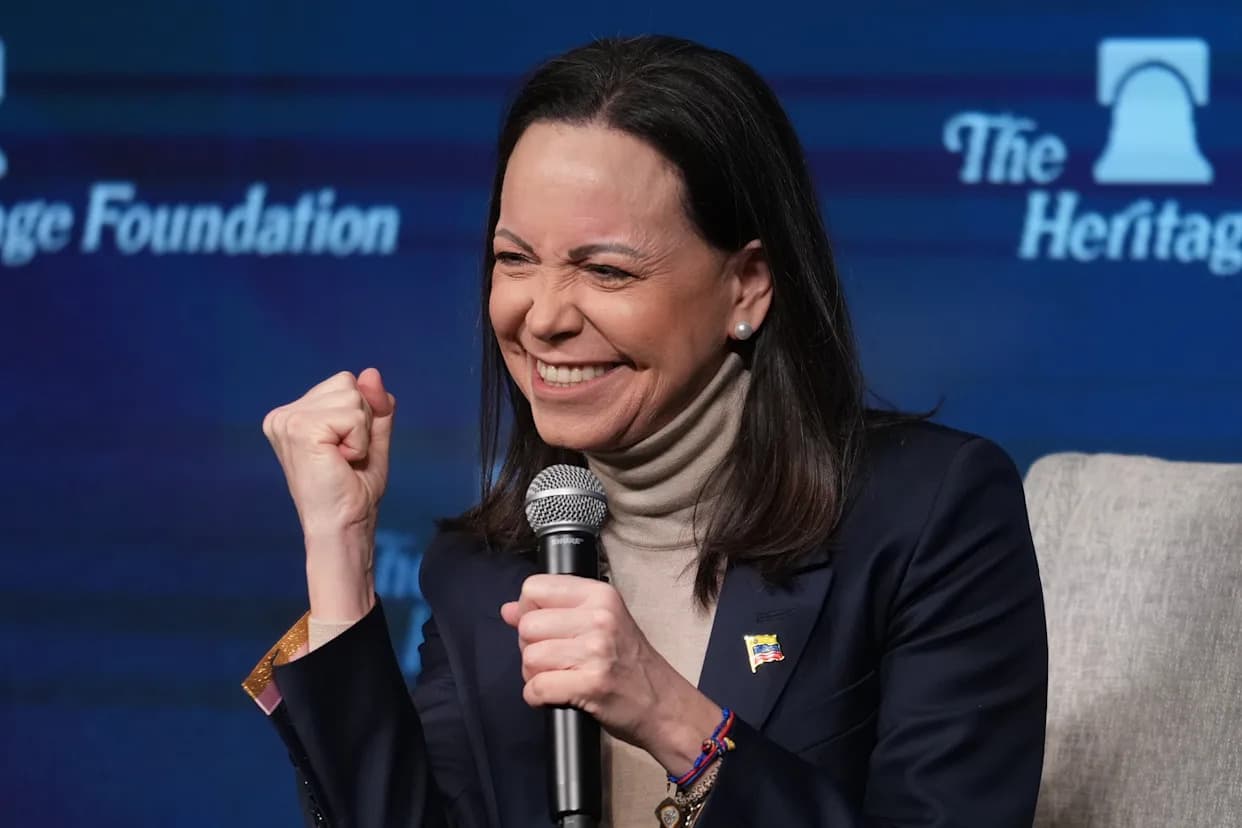
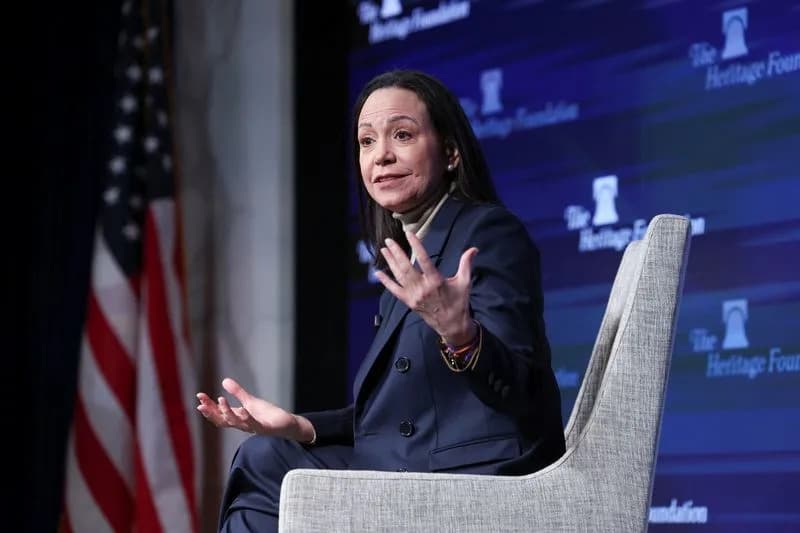
Venezuelan opposition leader Maria Corina Machado speaks at the Heritage Foundation on January 16 [J Scott Applewhite/AP Photo]
Venezuelan opposition leader María Corina Machado held her first formal press conference since leaving Venezuela in December, using the forum to reaffirm her close ties with the United States and outline a vision for Venezuela after the removal of Nicolás Maduro.
The event took place at the Heritage Foundation a day after Machado attended a private White House lunch with President Donald Trump. Speaking on a panel associated with Project 2025, Machado described the transition she hopes will follow Maduro’s ouster as an opportunity to reshape Venezuela along pro‑American and meritocratic lines.
Machado Praises US Action, Calls For Orderly Transition
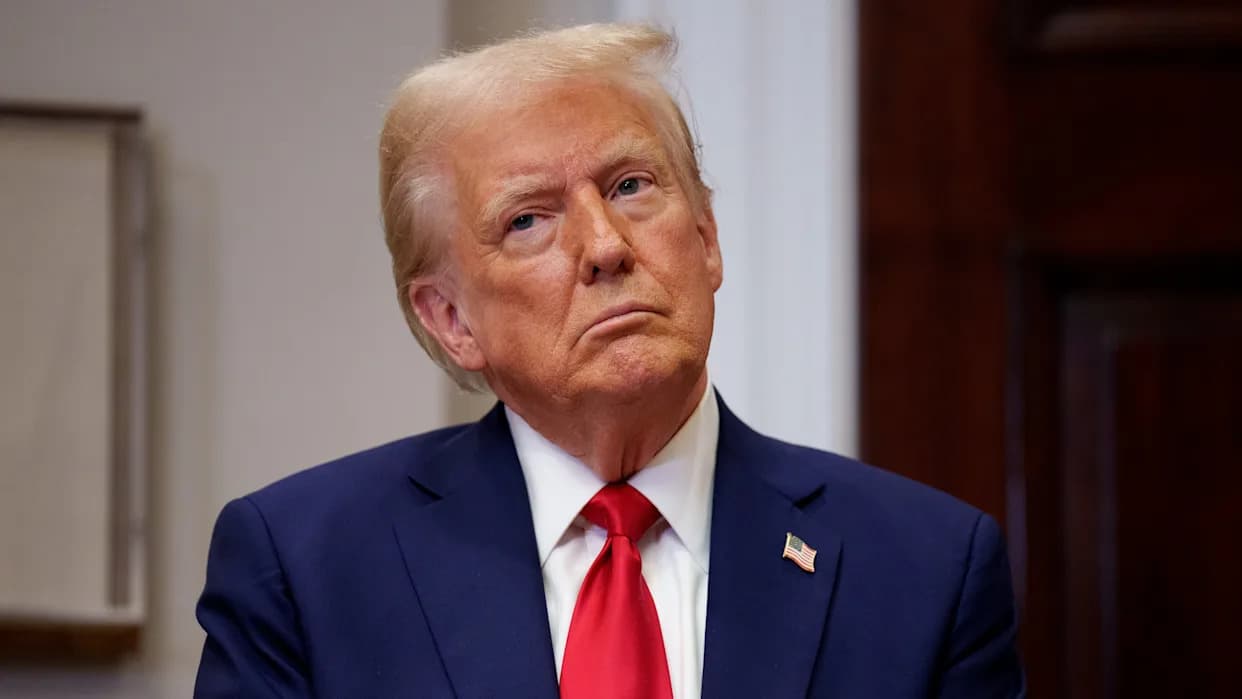
Machado publicly thanked President Trump and his team for the January 3 military operation that led to Maduro’s capture, calling it a courageous act on behalf of both the American and Venezuelan people. She framed the mission as a necessary step toward restoring democratic institutions and national stability.
“As Venezuelans, we are absolutely grateful to President Trump, his team, his administration and the people of the United States because it took a lot of courage to do what he did,” Machado said. “He did it, yes, on behalf of the American people, but also because he cares for the people of Venezuela.”
While the White House described the operation as a law‑enforcement action, critics have denounced it as a breach of international law and raised concerns about precedent and sovereignty. Machado acknowledged the complexity of the situation, calling the democratic transition “very complex, [and] delicate,” and suggested the interim government would have to perform the difficult task of dismantling entrenched power structures.
Recognition, Politics, And Human Rights
The Trump administration has recognized an interim government led by Delcy Rodríguez — Maduro’s former deputy — while declining to set a firm timeline for new elections. Machado appeared to accept Washington’s short‑term endorsement of Rodríguez for stability’s sake, even as she insisted that the ultimate authority should reflect the will of the Venezuelan people.
Machado reiterated that she and opposition candidate Edmundo González Urrutia claim a popular mandate, saying they have been in constant contact and feel they represent citizens’ wishes. She also criticized Rodríguez’s government for what she called limited improvements on human‑rights questions and disputed claims that nearly 400 political prisoners had been freed, saying many remain under restrictions and intimidation.
“The fact that you are not in a prison doesn’t mean that you are free,” Machado said, urging the closure of torture centers, protections for journalists, and guarantees for exiles wishing to return.
Migration, Deportations, And Repatriation
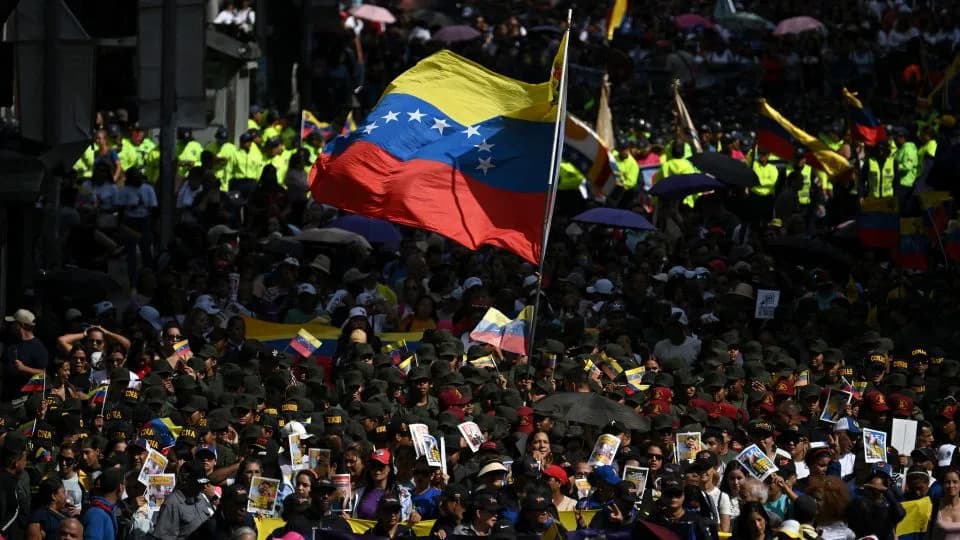
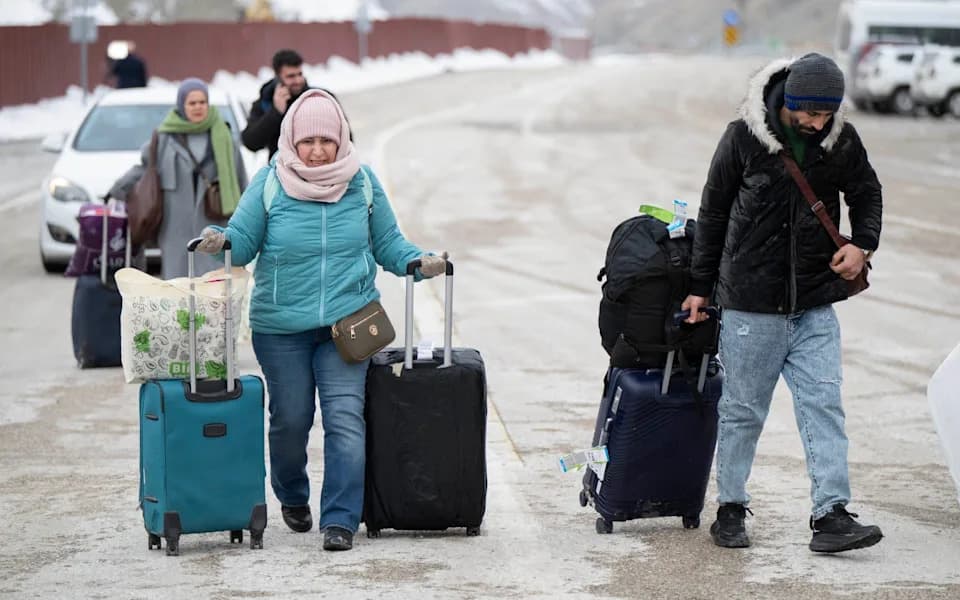
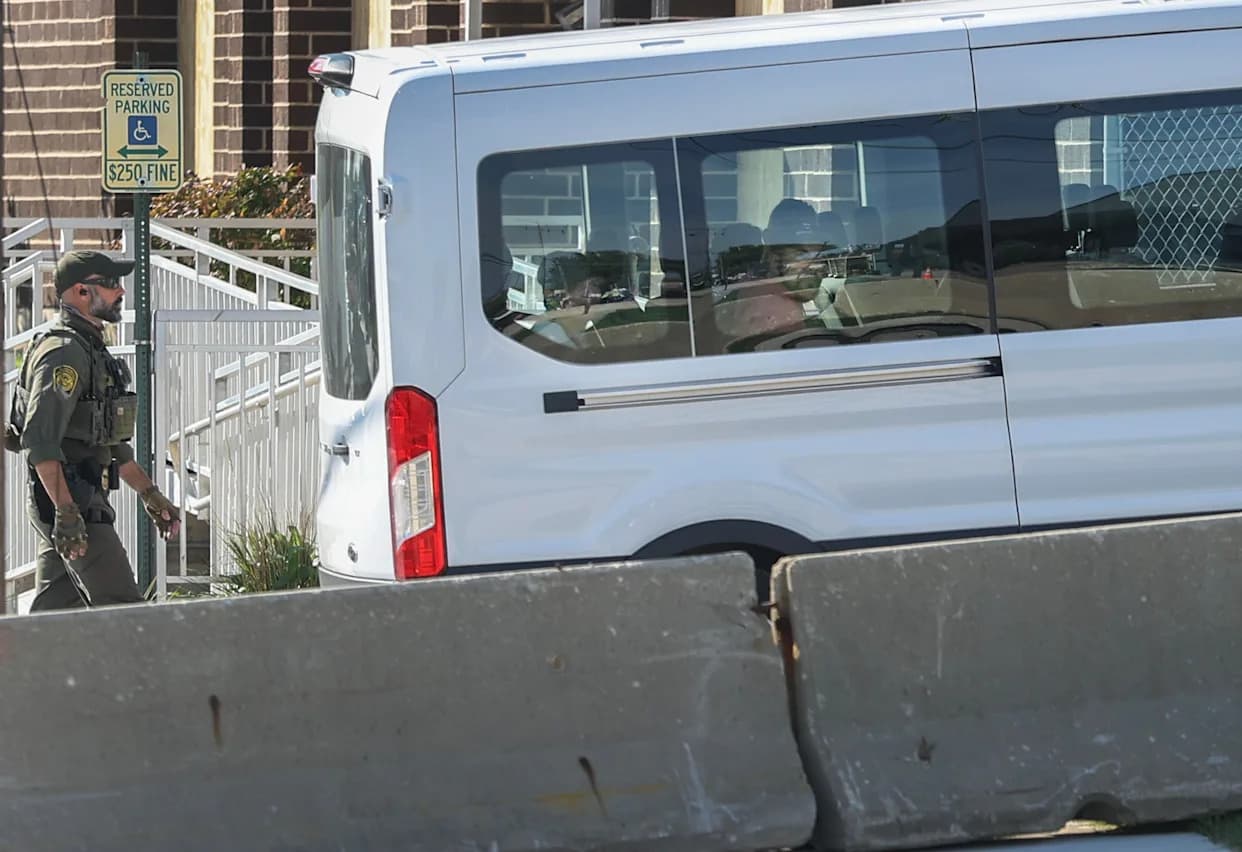
Machado addressed migration concerns, noting that a plane carrying roughly 199 Venezuelan deportees arrived at La Guaira — the first such flight since Maduro’s removal. She argued that restoring democratic rule would encourage millions of displaced Venezuelans to return, helping to address regional migration pressures and economic recovery over time.
The United Nations estimates about 7.9 million Venezuelans have fled the country in recent years amid political repression and economic collapse; Machado said many would come home to participate in rebuilding even if economic challenges persisted.
Outlook And Political Standing
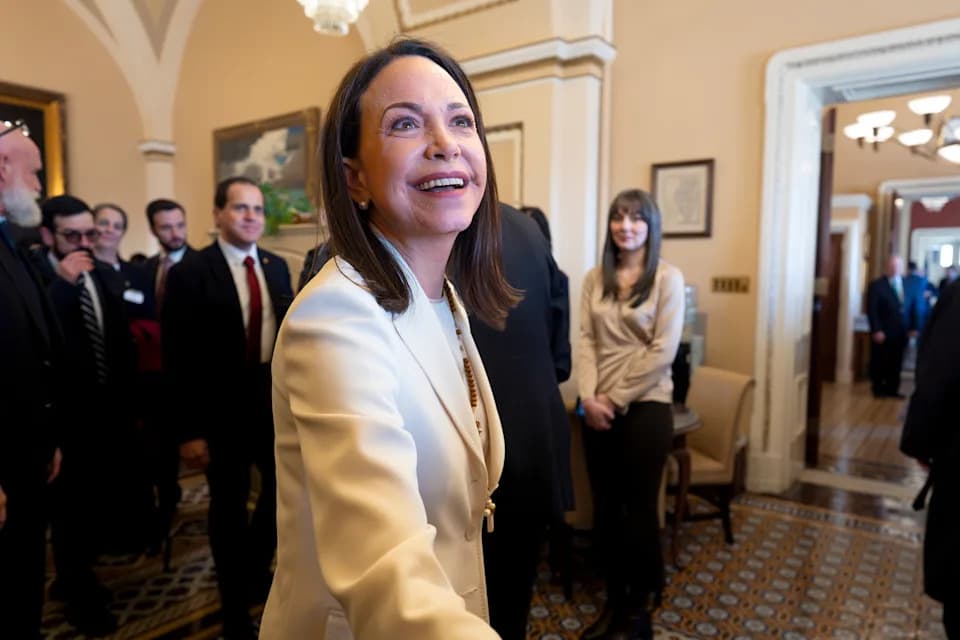
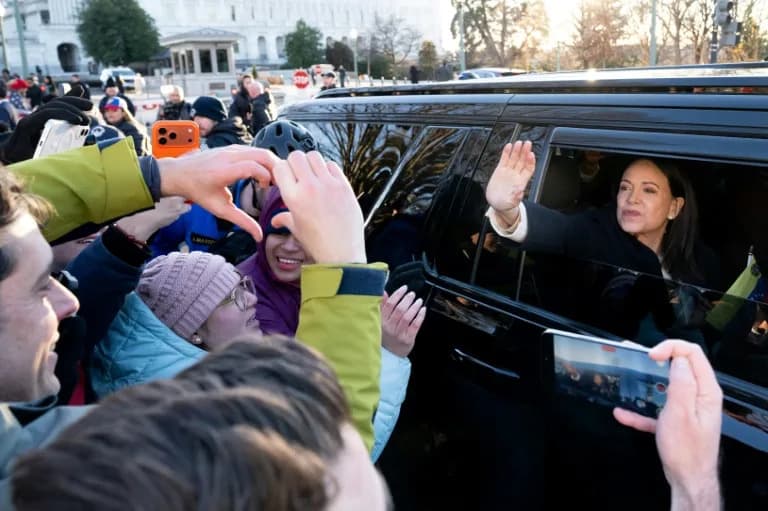
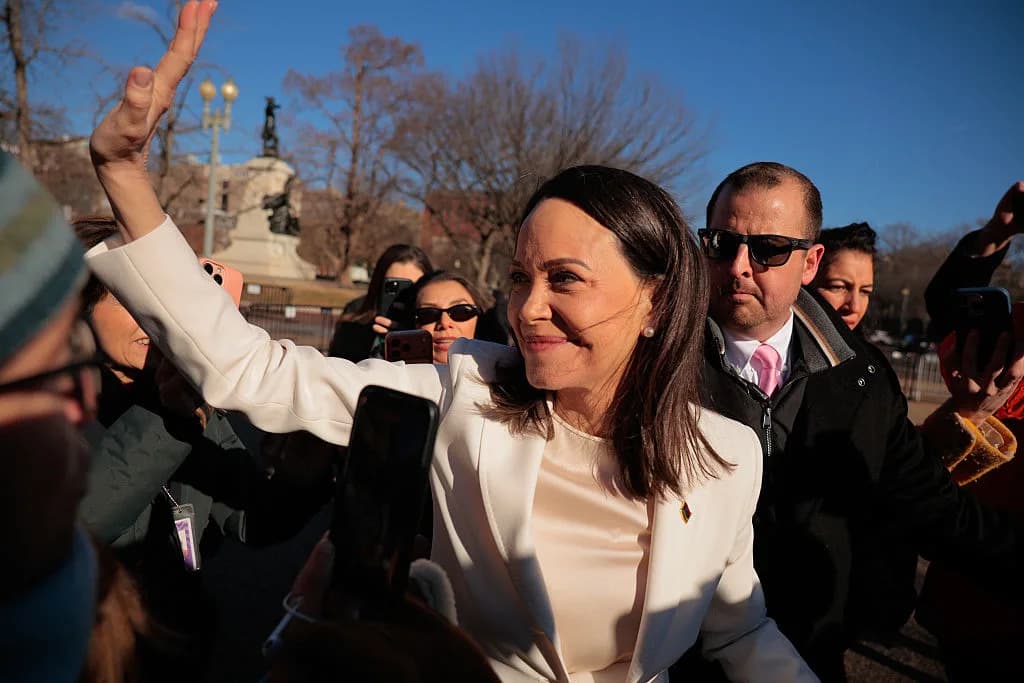
Machado promised a Venezuela founded on merit and closer ties with the United States. She remains a polarizing figure: popular with much of the opposition and the diaspora, but criticized by some for past associations with far‑right figures. On her Washington visit she was greeted by supporters, and she emphasized that long‑term recovery would require US support.
“The only thing I want to assure the Venezuelan people is that Venezuela is going to be free, and that’s going to be achieved with the support of the people of the United States and President Donald Trump,” she said.
Context note: Machado’s remarks reflect the opposition’s goals and their engagement with the Trump administration amid a fraught and highly contested transition. Observers continue to debate the legal, political and humanitarian implications of the events she praised and the path forward for Venezuela.
Help us improve.