The High Seas Treaty — the first legally binding global agreement to protect marine life in international waters — entered into force after reaching the required ratifications. It establishes a framework to create Marine Protected Areas on the high seas, requires environmental impact assessments and mandates information- and benefit-sharing for commercial marine research. Key institutions, enforcement mechanisms and the treaty’s scientific body are still being set up; the first Conference of Parties will decide operational details within a year. Advocates say rapid action is essential to reach the 30% ocean protection target by 2030.
What To Know As The High Seas Treaty Comes Into Force: A Milestone For Ocean Protection
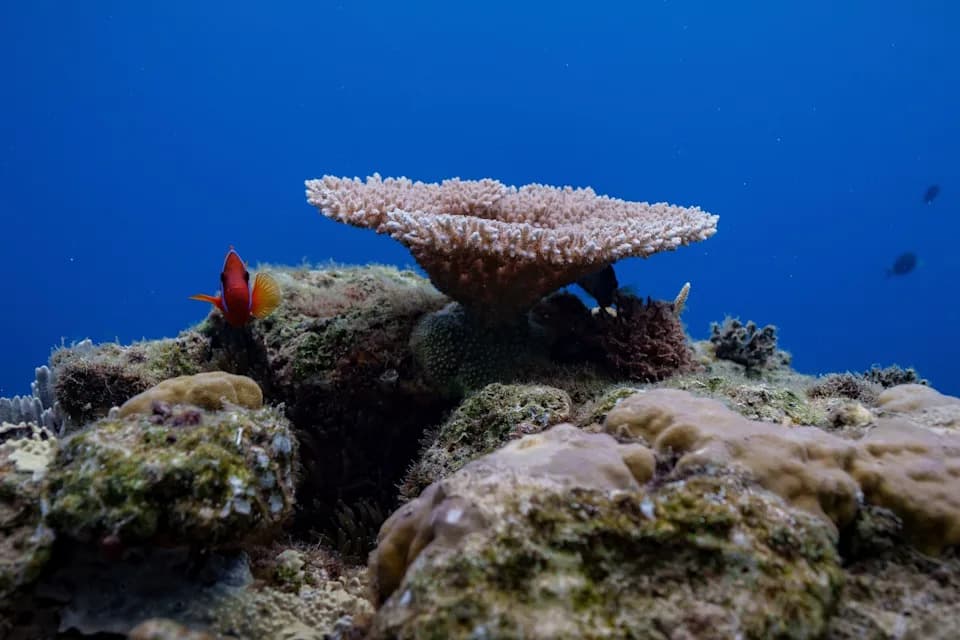
FILE - A clownfish swims at Havannah Harbour, off the coast of Efate Island, Vanuatu, July 20, 2025. (AP Photo/Annika Hammerschlag, File)(ASSOCIATED PRESS)
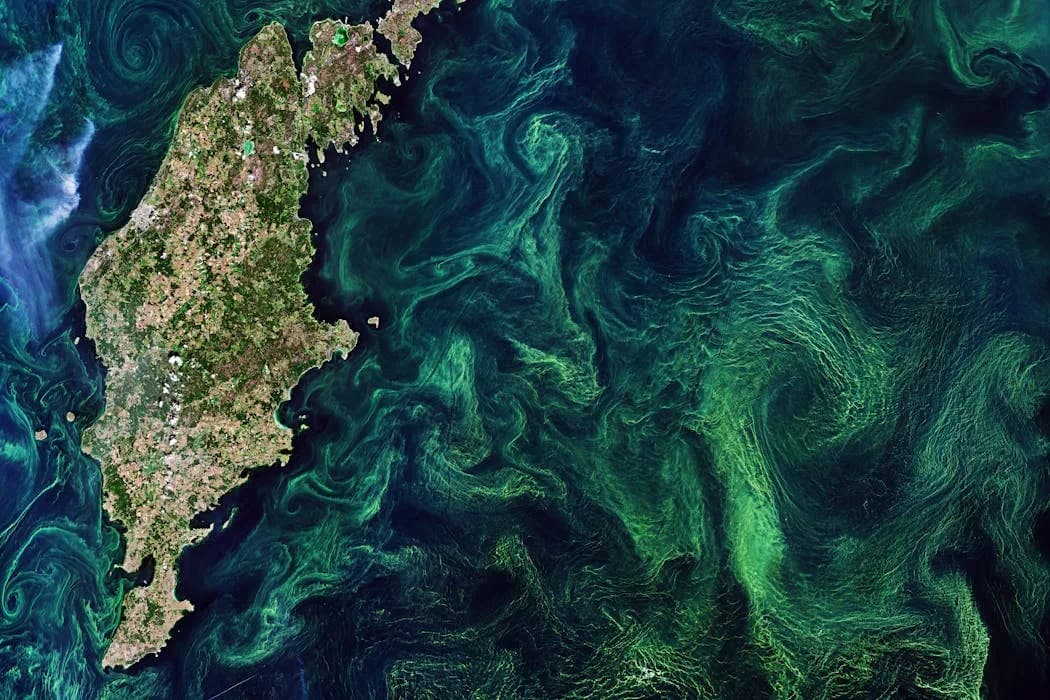
The world's first legally binding treaty to protect marine life in international waters — commonly called the High Seas Treaty — came into force on Saturday after nearly two decades of negotiation. The agreement applies to the vast ocean areas beyond any single country's jurisdiction, covering nearly half of the planet's surface and roughly two-thirds of the world's ocean area.
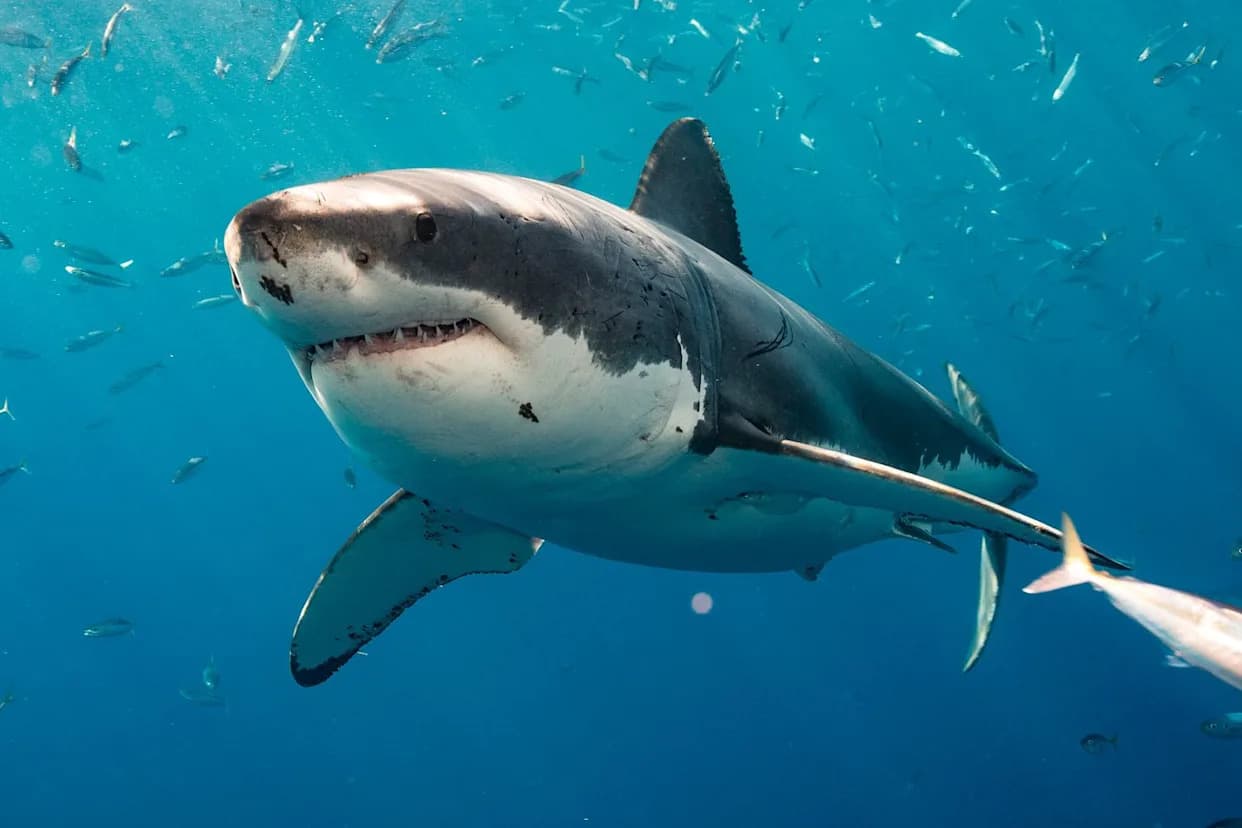
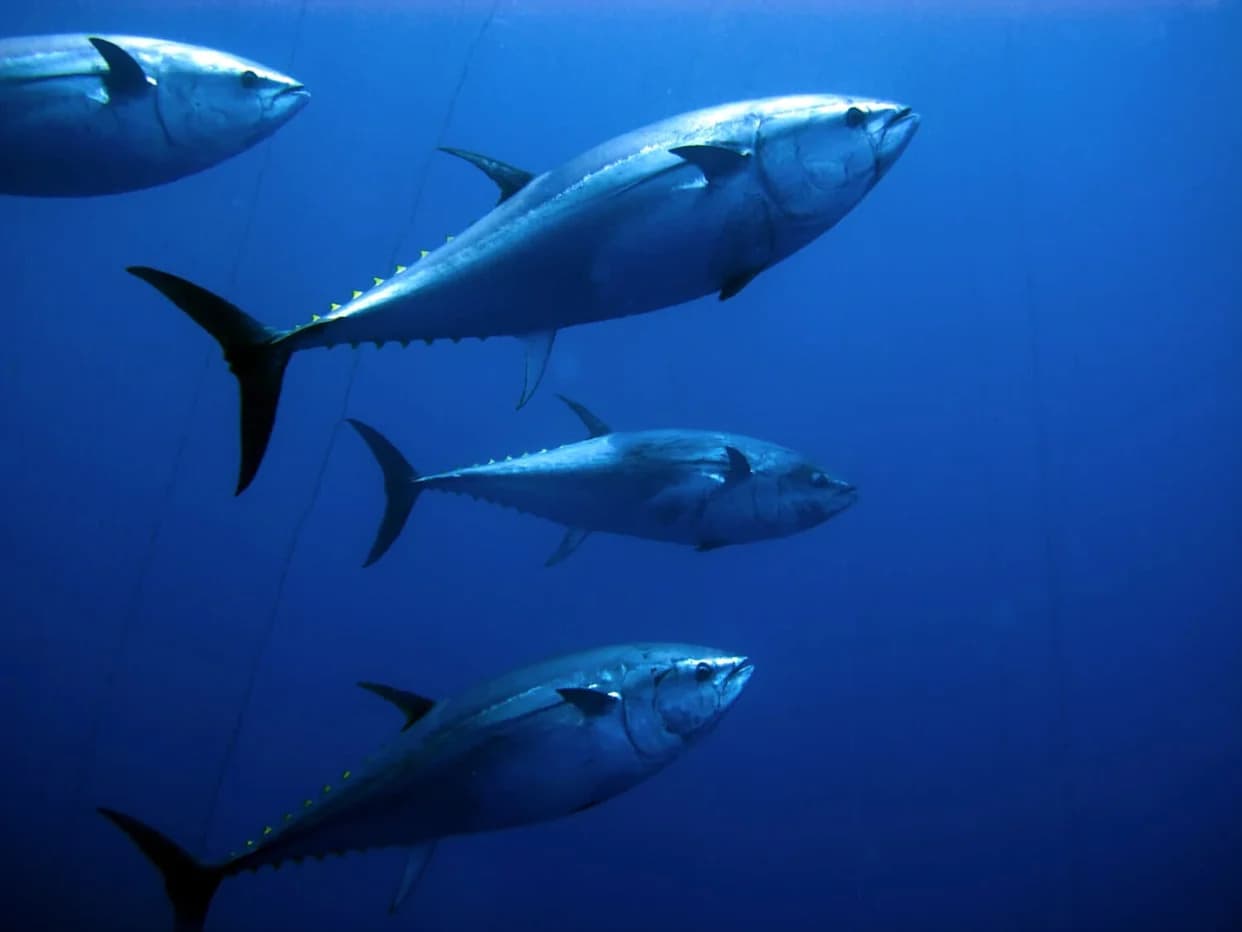
These international waters face mounting threats from destructive fishing practices, commercial shipping, plastic pollution, overfishing and potential deep-sea mining — threats that are intensified by climate change. Because the ocean absorbs carbon dioxide and produces oxygen, its health is central to efforts to address the climate crisis.
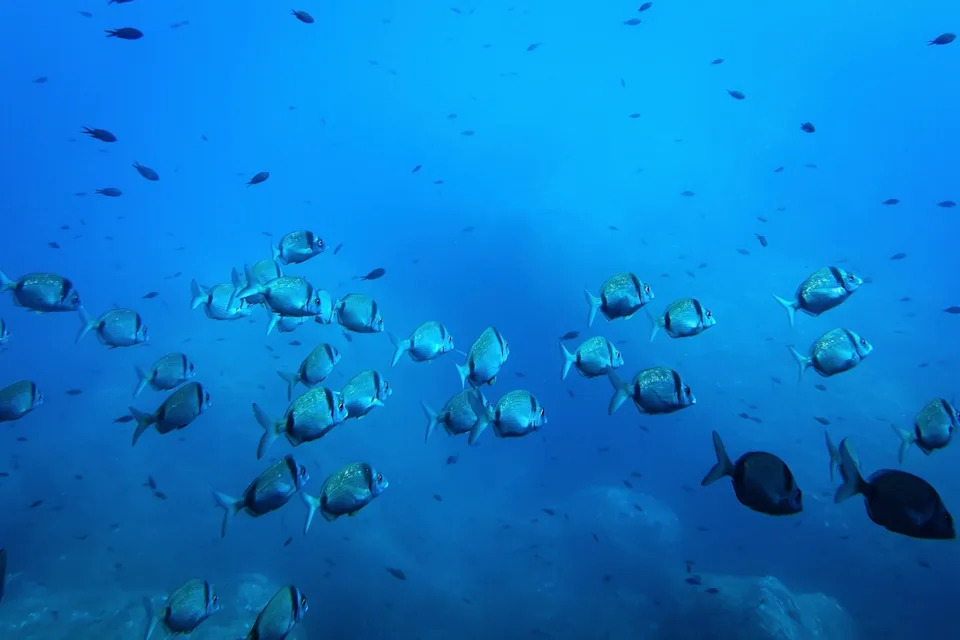
FILE - Common two-banded seabream fish swim in the protected area of France's Porquerolles National Park ahead of the U.N. Ocean Conference on June 6, 2025. (AP Photo/Annika Hammerschlag, File)(ASSOCIATED PRESS)
How and When It Took Effect
The treaty entered into force 120 days after reaching the required ratification threshold of 60 countries in September. As of this week, 83 countries have ratified the agreement, including major maritime powers such as China and Japan. That ratification count triggered the treaty’s implementation timetable and the immediate activation of certain obligations.
Immediate Obligations For Ratifying States
Ratifying countries must now begin cooperating on ocean science and technology and help developing nations build capacity to participate in high-seas governance. Companies planning activities that could harm marine life are required to carry out environmental impact assessments that meet the treaty’s standards. Researchers working with marine organisms that could have commercial value — for example, for new medicines — must notify other nations and share findings and benefits according to agreed rules.
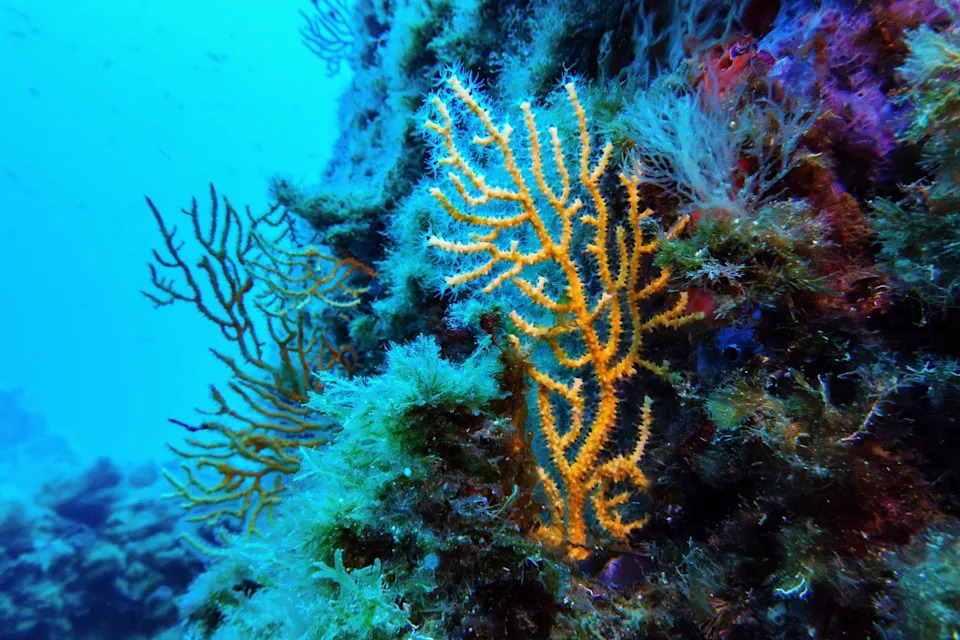
FILE - Coral is visible in the protected area of France's Porquerolles National Park ahead of the U.N. Ocean Conference on June 6, 2025. (AP Photo/Annika Hammerschlag, File)(ASSOCIATED PRESS)
Importantly, states are expected to promote the treaty’s conservation objectives when they participate in other international bodies that regulate ocean activities, including regional fisheries organizations, the International Maritime Organization and the International Seabed Authority.
Marine Protected Areas And Candidate Sites
The treaty creates the first international framework for establishing Marine Protected Areas (MPAs) on the high seas, where today only about 1% of areas enjoy protection. Countries may immediately prepare MPA proposals. Experts have identified potential candidate sites such as the Emperor Seamounts in the North Pacific, the Sargasso Sea in the Atlantic, and the Salas y Gómez and Nazca Ridges off South America.
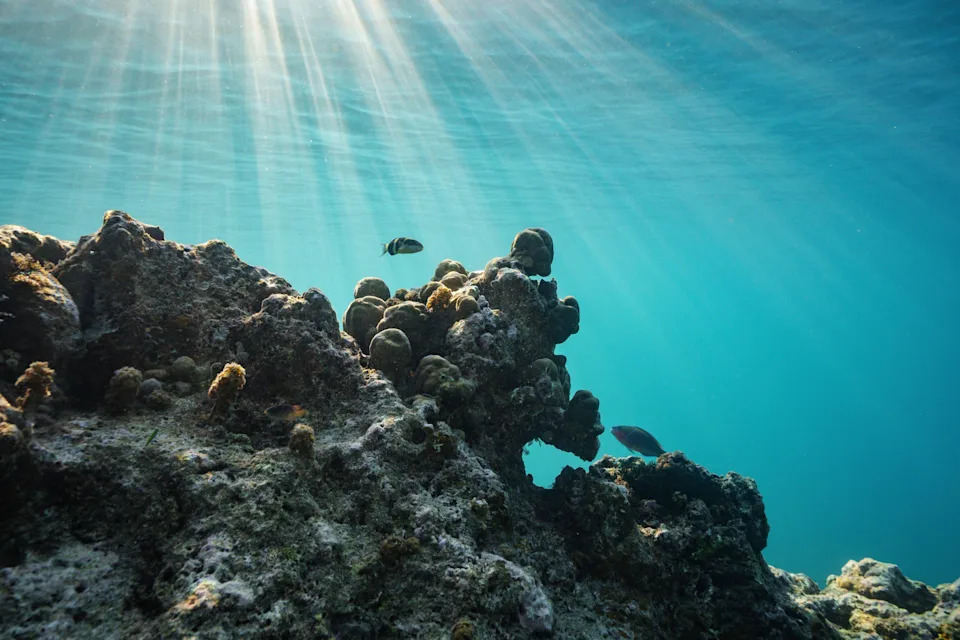
FILE - Corals grow off Efate Island, Vanuatu, Saturday, July 26, 2025. (AP Photo/Annika Hammerschlag, File)(ASSOCIATED PRESS)
Pressure To Act Quickly
Conservation groups warn governments must move fast to meet the global target of protecting 30% of the world’s oceans by 2030 — a threshold many scientists say is critical for ocean recovery. Because the high seas make up such a large share of marine area, protections there are essential to reaching that goal.
“The marine protected areas under the treaty will only be as strong as the governments make them,” said Megan Randles, Global Political Lead for Greenpeace’s Ocean Campaign. “We can’t trust big fishing industry players to simply stop fishing in these critical ecosystems. We need governments to use the treaty to force their hands.”
Monitoring, Enforcement And Next Steps
How protected areas will be monitored and enforced is still unresolved. Nations are considering a mix of tools, from satellite monitoring and automated vessel tracking to coordinated multinational patrols and support from other U.N. agencies. Those operational details will be worked out as proposals for MPAs are drafted and reviewed.
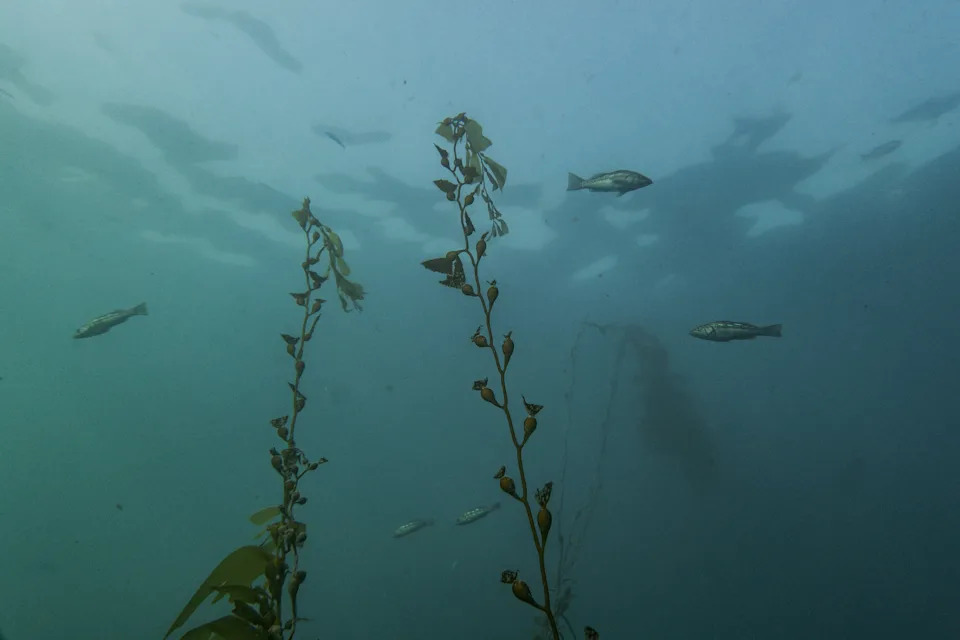
Strands of kelp rise from a thinned kelp forest off the coast of La Jolla, Calif., Tuesday, Dec. 2, 2025. (AP Photo/Annika Hammerschlag)(ASSOCIATED PRESS)
Within a year the treaty’s first Conference of the Parties (COP) is scheduled to meet to set budgets, elect committees and finalize other operational arrangements. The treaty’s scientific advisory body and secretariat are still being established; because the scientific body must review MPA proposals, the earliest MPAs could be approved is likely the treaty’s second COP.
The United States' Position
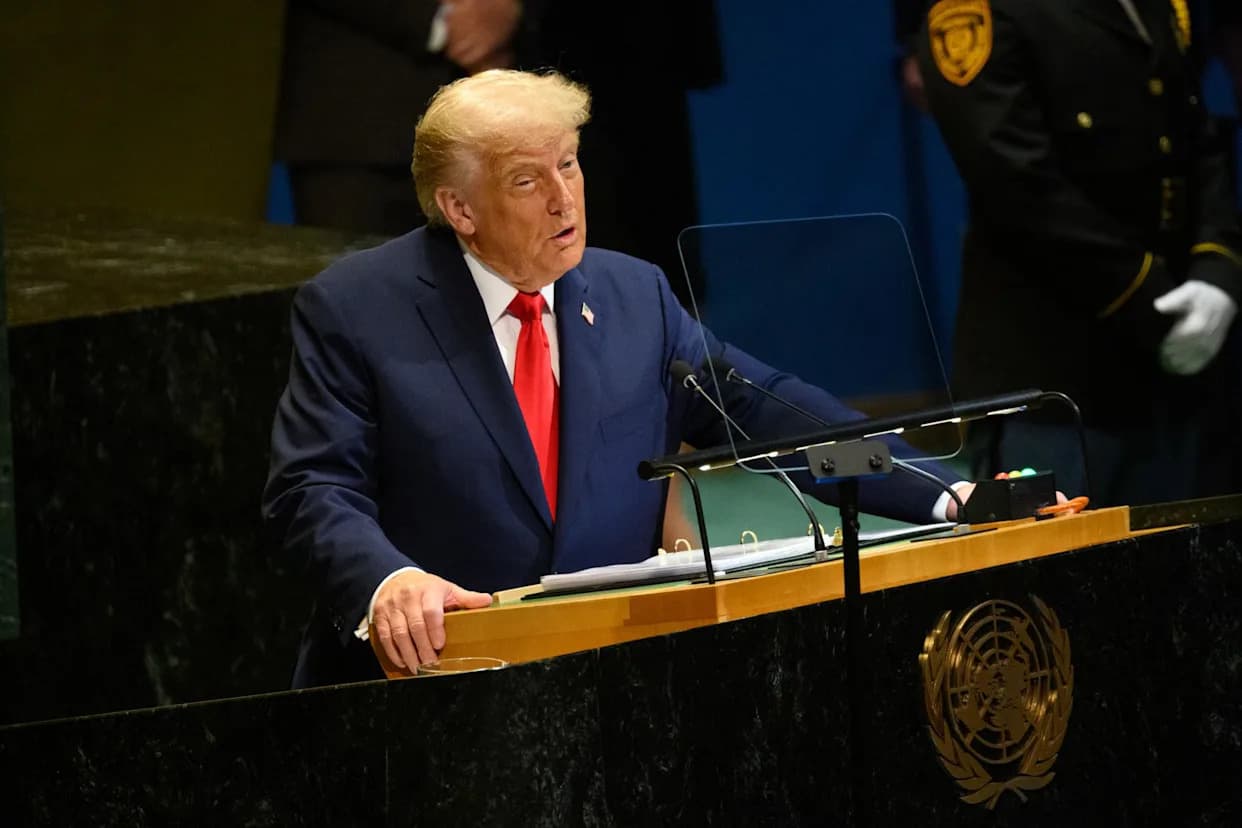
The United States has signed but not ratified the treaty. As a signatory it may participate as an observer but will not have voting rights until it ratifies. Under international practice, signatories are generally expected to work toward the treaty’s objectives even prior to full ratification.
“The High Seas Treaty has such incredibly broad and strong political support from across all regions of the world,” said Rebecca Hubbard, director of the High Seas Alliance. “Whilst it’s disappointing that the U.S. hasn’t yet ratified, it doesn’t undermine its momentum and the support that it has already.”
Advocates emphasize that broad political backing must now be translated into rapid implementation on the water. The treaty marks a major diplomatic milestone, but its success will depend on how quickly countries design, fund and enforce meaningful protections for the high seas.
Credit: Associated Press reporting. Follow Annika Hammerschlag on Instagram: @ahammergram.
Help us improve.