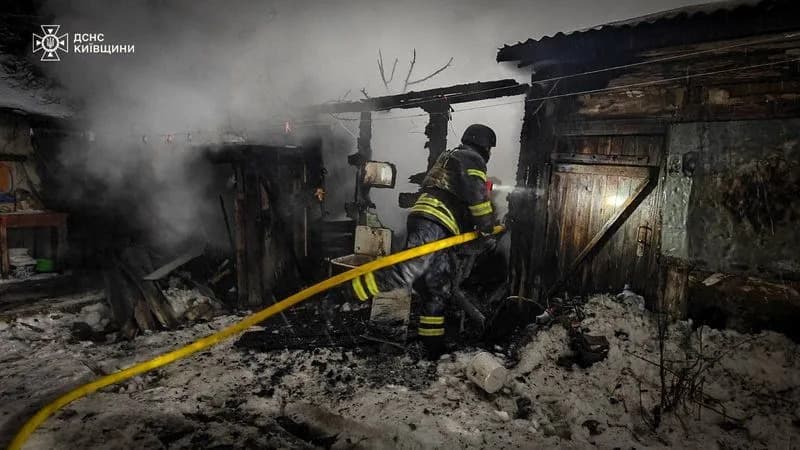
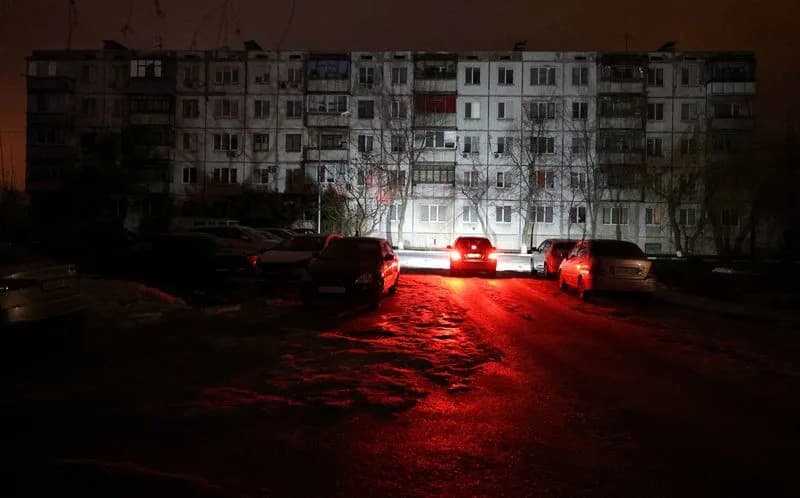
After January 8 strikes damaged Ukraine’s power grid, hundreds of thousands—especially in Kyiv—have faced prolonged blackouts and severe cold, with temperatures dipping to −19°C. Authorities opened hundreds of warming hubs while many schools, businesses and diesel generators struggled or failed. The SBU reports at least 256 strikes on energy infrastructure since October, and communities have improvised with bonfires, shared meals and mutual aid to stay warm.
Bonfires, Dancing and Pets: How Ukrainians Are Keeping Warm After Attacks on the Power Grid
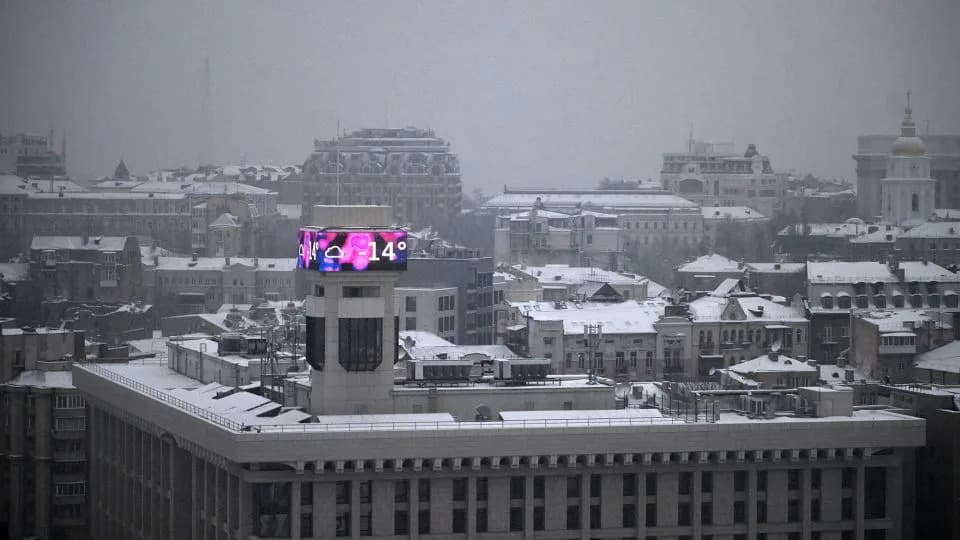
A big screen on displaying a temperature of -14 degrees Celsius in Kyiv on January 14, 2026. - Sergei Gapon/AFP/Getty Images
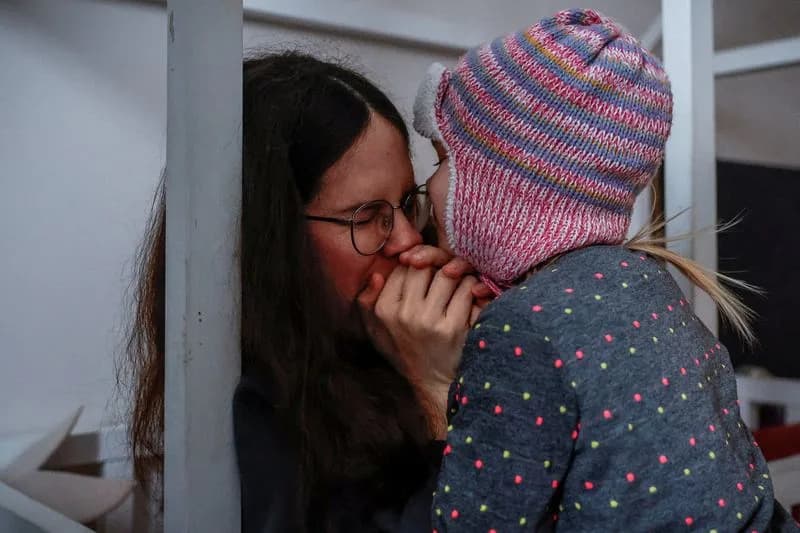
As winter deepened, Kyiv resident Kateryna Skurydina adapted to life without central heating: thermal underwear, two sweaters, a down duvet, two blankets — and her Sphynx cat, Pushok, who she calls a “hot water bottle.” The scene is emblematic of a country improvising warmth and community after a January 8 assault damaged Ukraine’s power infrastructure.
Power Cuts, Plunging Temperatures
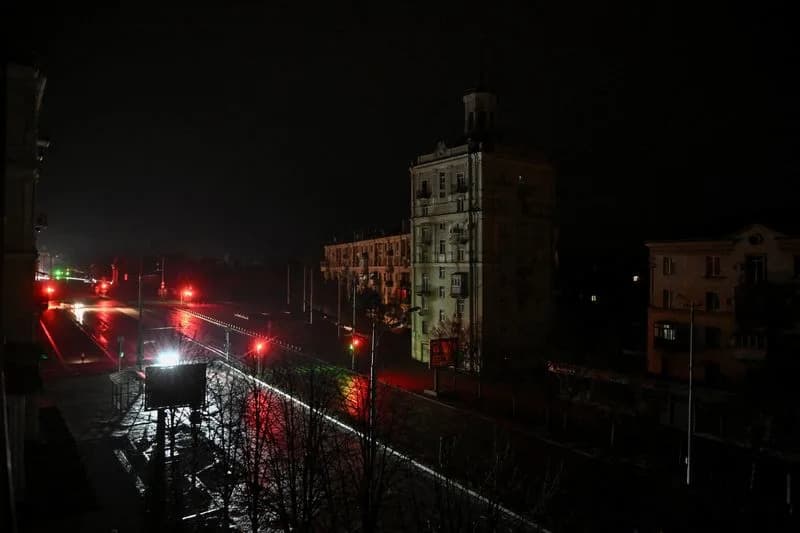
Russia’s strikes on Ukraine’s energy facilities have left hundreds of thousands without reliable electricity and heating. Temperatures this week fell as low as −19°C (−2.2°F). Inside some buildings in Kyiv, temperatures dropped to about 10°C (50°F) — roughly eight degrees below the indoor temperature the World Health Organization recommends as healthy (around 18°C).
Official Responses And Warming Hubs
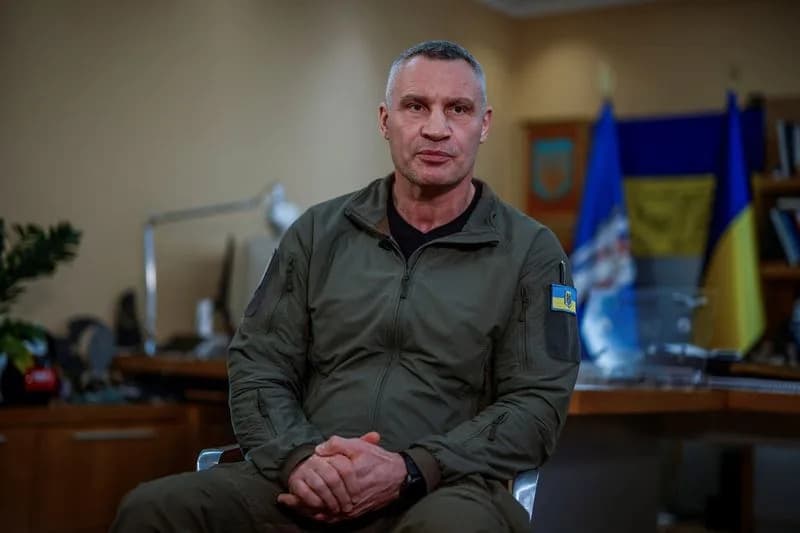
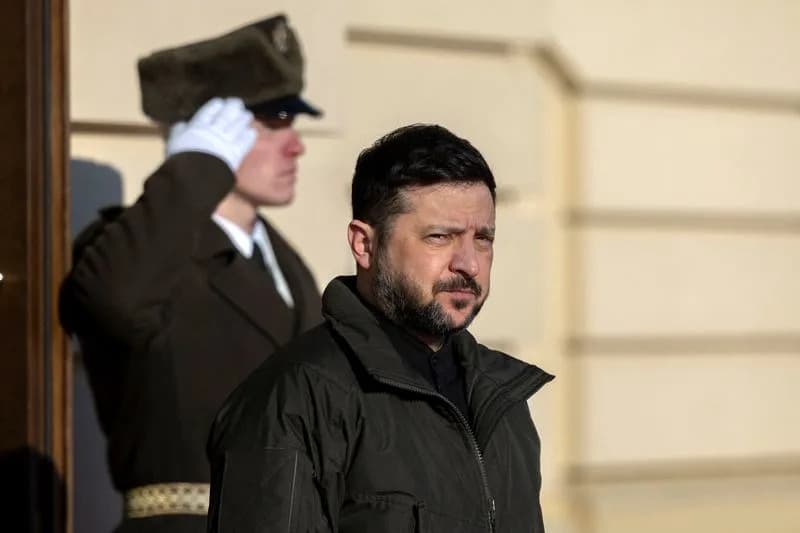
President Volodymyr Zelensky declared a state of emergency in the energy sector as authorities scrambled to respond. Kyiv Mayor Vitali Klitschko reported that roughly 300 multi-storey buildings remained without heating a week after the initial attack, down from about 6,000 immediately following the strikes. Across Ukraine, emergency outages affected cities including Kryvyi Rih, Dnipro, Zhytomyr and Kharkiv.
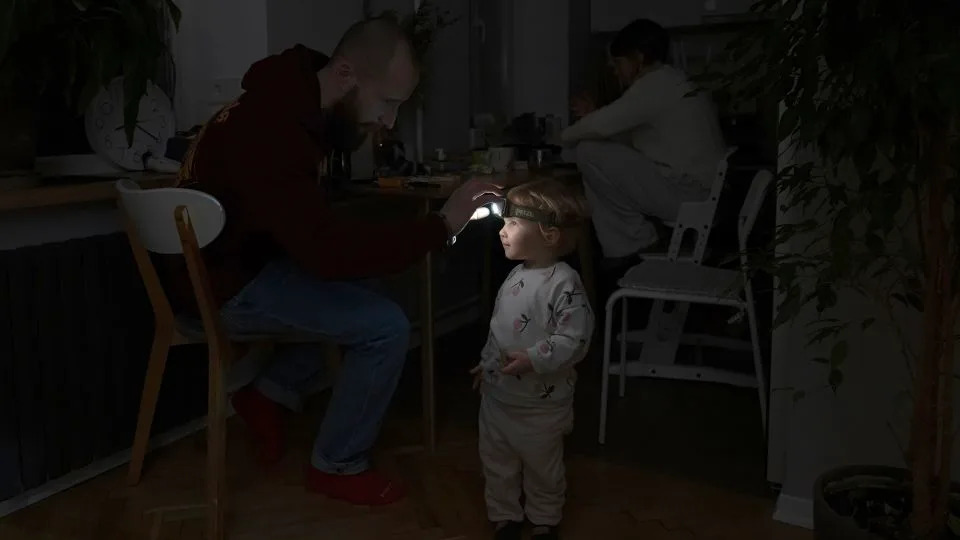
Local resident Stas helps his 2-year-old daughter use a headlight during a power outage at the family's apartment in Kyiv on January 13, 2026. - Andrew Kravchenko/AFP/Getty Images
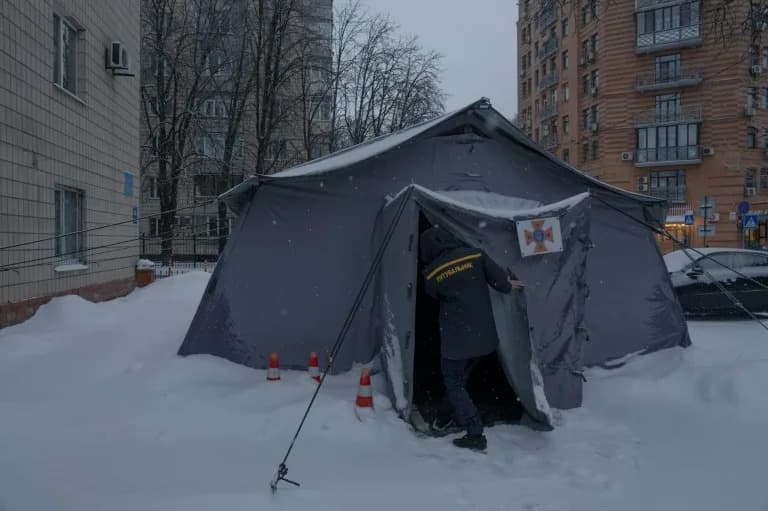
Municipalities and volunteers have opened hundreds of so-called “invincibility points” — public warming hubs where people can charge devices, heat up and work. Local initiatives range from community bonfires in apartment courtyards to neighbors sharing food and electricity windows on social media.
“He has a high body temperature. So he’s like a hot water bottle,” Skurydina told CNN of her cat Pushok. “When the coronavirus hit, it seemed like the worst thing ever. Then shelling. Then losing electricity. I think we will be a very resilient nation.”
Humanitarian And Infrastructure Impacts
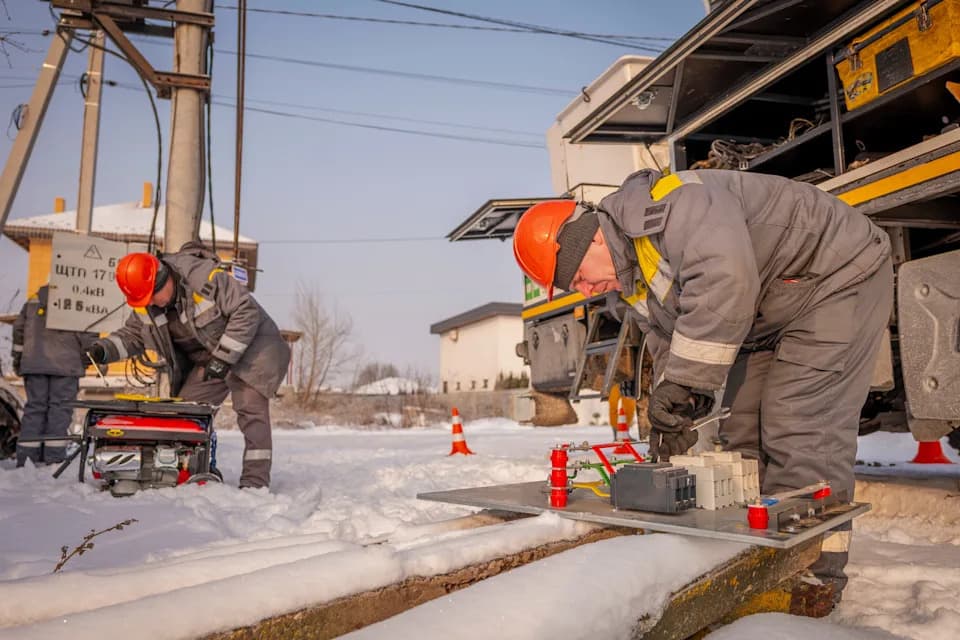
Many schools, shops, restaurants and gyms have closed because they cannot maintain safe indoor temperatures or keep backup generators running. The extreme cold has even caused some diesel generators — vital when the grid fails — to stop functioning.
The Security Service of Ukraine (SBU) reported at least 256 Russian airstrikes on energy facilities and heat-supply systems since the heating season began in October, calling the pattern of strikes an attack on civilian life. Ukraine’s energy minister said that virtually every power plant in the country had been hit during the war. Russia denies targeting civilian infrastructure.
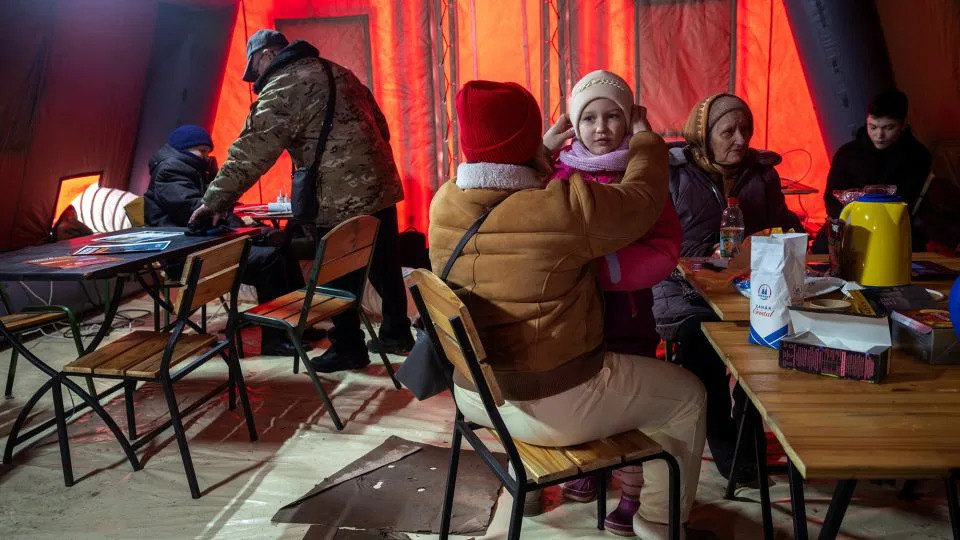
People warm up in a tent provided by emergency services for residents whose apartments are left without heating during sub-zero temperatures in Kyiv, Ukraine January 13, 2026. - Thomas Peter/Reuters
Businesses And Food Supply At Risk
Farms and food producers are also feeling the strain. Serhiy Salata, who runs an indoor vertical farm in Kyiv, said his operation relies on steady temperature, lighting and CO2 levels. Solar panels and a generator protect the most critical systems, but unpredictable blackouts force constant adjustments to avoid crop losses.
Everyday Ingenuity
Residents are improvising: USB lights, power banks, electric blankets, hot water bottles, makeshift clay-pot hand warmers and communal cooking. Social media is full of clips showing people grilling, dancing and sharing hot drinks to sustain morale.
What This Means: Beyond immediate hardship, the strikes threaten public health, education and food production. Yet the reporting and firsthand accounts also highlight widespread community resilience and grassroots mutual aid as Ukrainians find ways to stay warm and connected during a brutal winter.
Help us improve.