Short Take: President Trump has floated cancelling or delaying the November midterms, but constitutional and statutory constraints make outright cancellation highly unlikely. Instead, battles over redistricting, mail-in ballot rules, federal election support, and data access are the primary levers that could reshape November's outcome. Election officials and courts are preparing and litigating these disputes, which could affect turnout, ballot counting and control of Congress.
Trump Can't Cancel The Midterms — But He's Trying Other Ways To Shape November
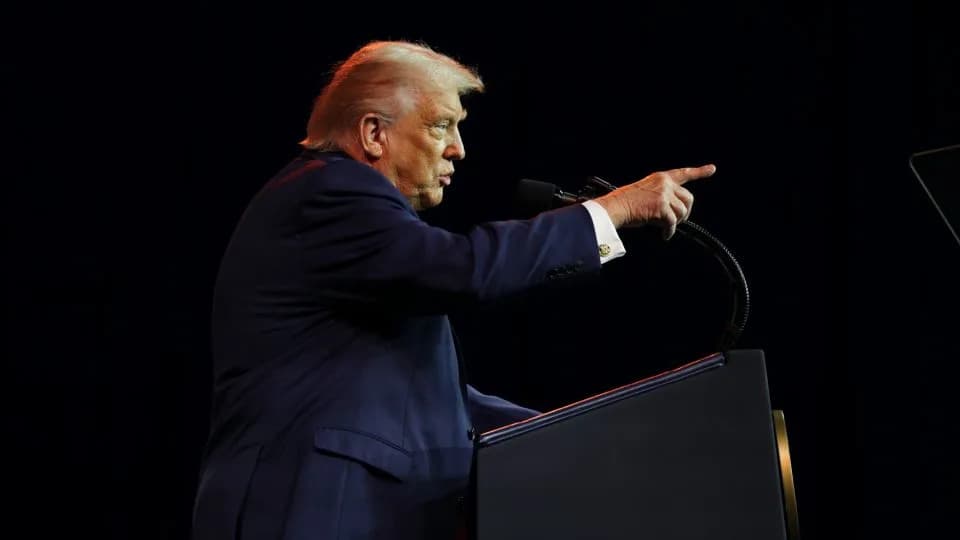
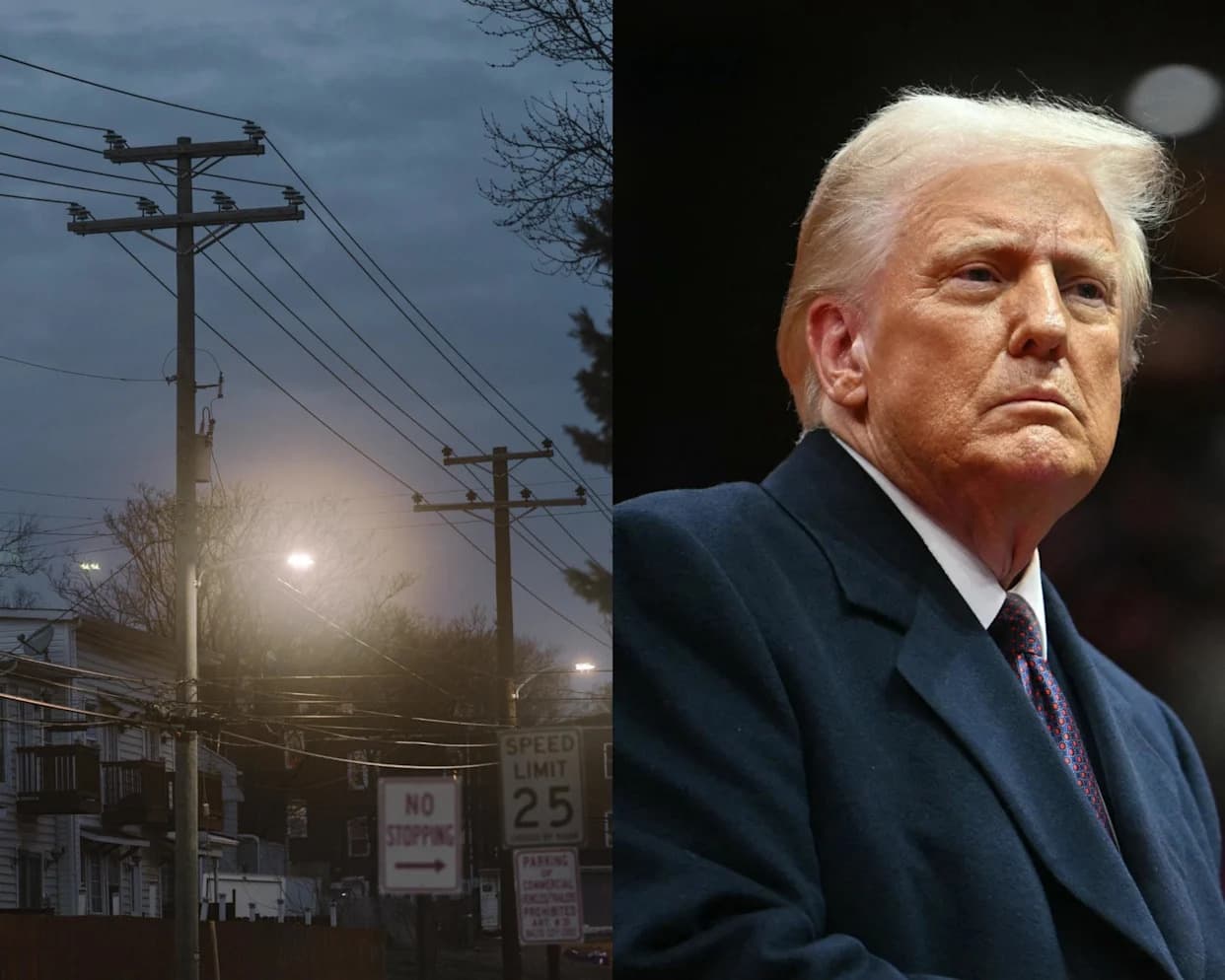
President Donald Trump addresses a House Republican retreat at the Kennedy Center on January 6, 2026, in Washington, DC. - Alex Wong/Getty Images
President Donald Trump has repeatedly mused about cancelling or delaying the November midterm elections — comments that reflect frustration over low approval ratings and concern that Republicans could lose one or both chambers of Congress. While outright cancellation is not practically or legally feasible, the administration and sympathetic allies are pursuing other levers that could materially affect how Americans vote and how votes are counted.
Trump's Remarks And Reactions
At a recent address to House Republicans, Trump complained about public opinion and said he would avoid explicitly calling to "cancel the election" because the media would label him a dictator. In a separate interview with Reuters he suggested Republicans have been so successful that "we shouldn’t even have an election." A White House spokesperson later described the comments as joking or facetious.
Similar quips have appeared before — including a moment last September when Trump compared U.S. elections to Ukraine's suspension of voting under martial law — remarks that drew nervous laughter. Such statements alarm election officials and commentators because they raise the prospect of executive interventions or sustained efforts to reshape electoral rules.
Legal Limits On Cancelling Elections
The Constitution and federal law make outright cancellation of the midterms essentially impossible. The 20th Amendment requires a new Congress to be sworn in on January 3, 2027, and federal statute fixes Election Day as the Tuesday after the first Monday in November. Although Congress could move the date by statute and state governments can—very rarely—postpone elections in response to major disasters, there is no modern precedent for canceling a national election. For a technical review of these constraints, see the Congressional Research Service analysis.
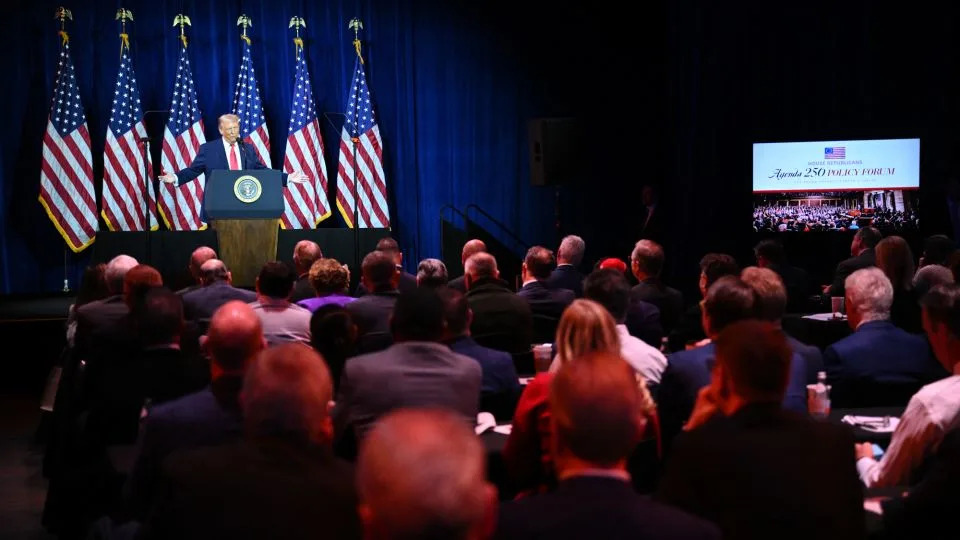
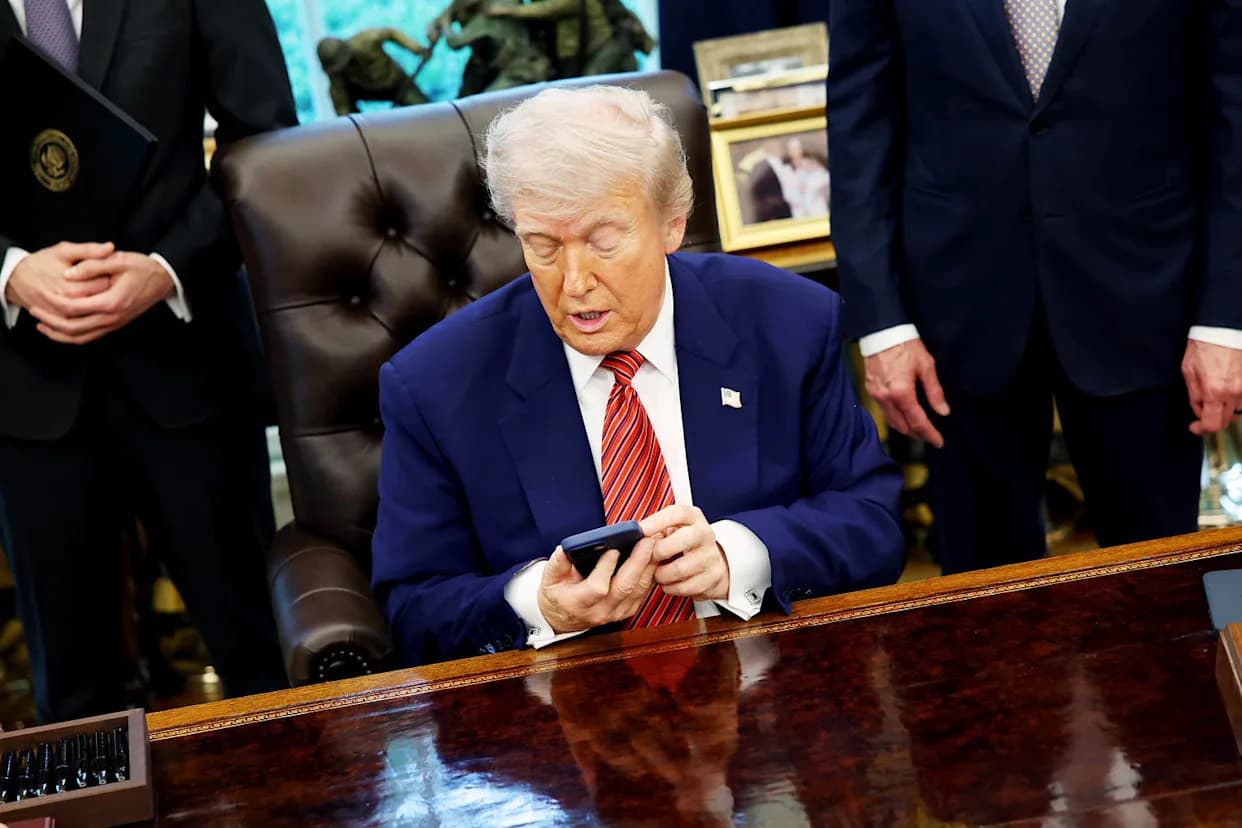
President Donald Trump speaks during the House Republican Party member retreat at the Kennedy Center in Washington, DC, on January 6, 2026. - Mandel Ngan/AFP/Getty Images
Where The Real Battles Are Being Fought
Rather than canceling elections, the administration and allied state officials are focusing on other measures that can alter outcomes or the mechanics of voting:
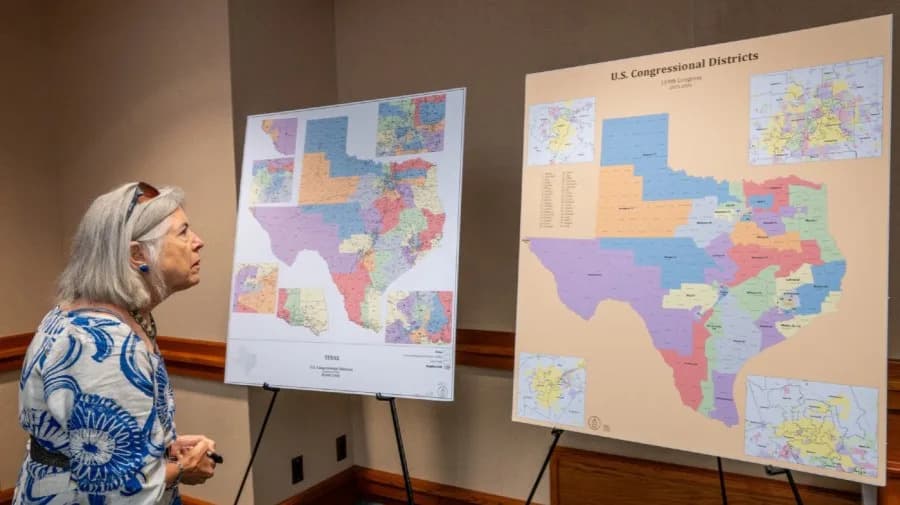
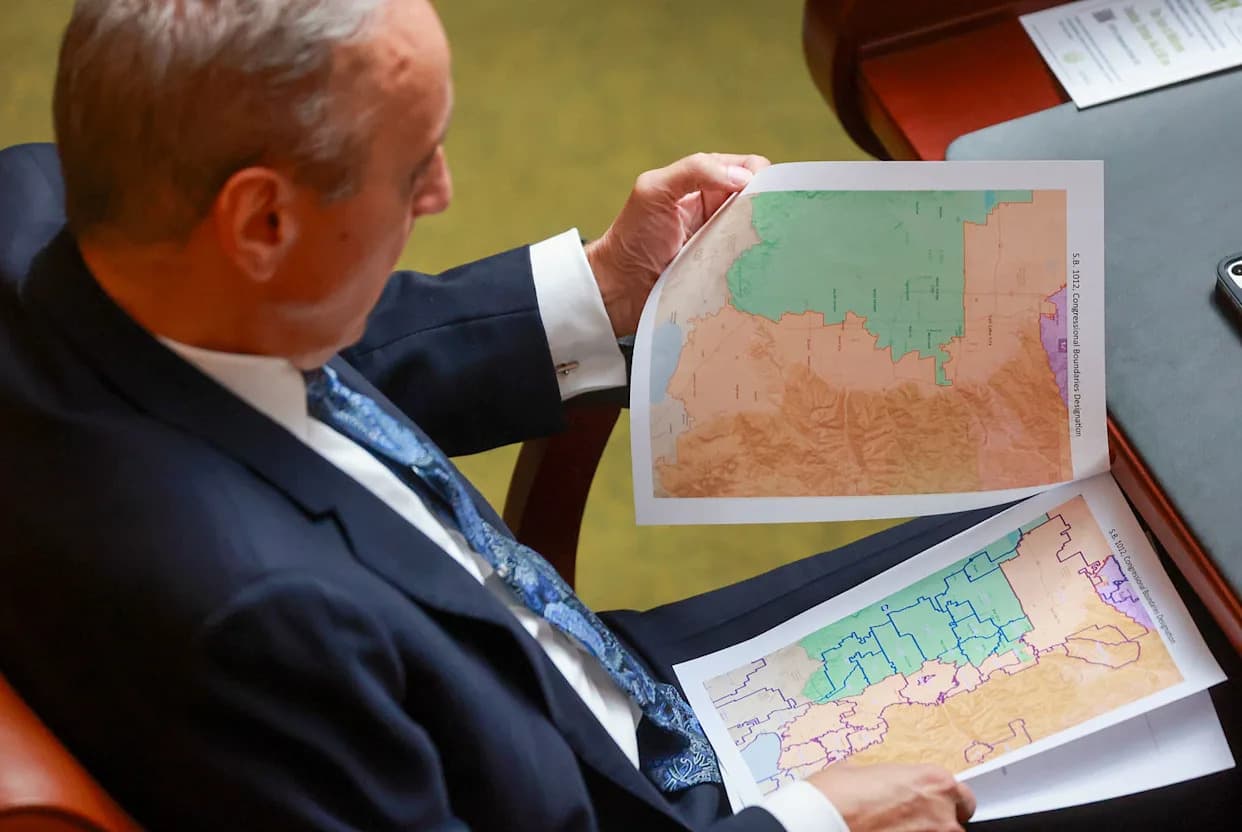
- Redistricting: Recent map changes gave Republicans more potentially favorable House seats nationally while Democrats won several gains, largely in California. Further court rulings or a weakened Voting Rights Act could enable additional map redraws.
- Court Cases On Mail Ballots: The Supreme Court has agreed to hear a case on whether mail-in ballots postmarked by Election Day but received after it can be counted — a decision that could affect states' ballot‑counting rules.
- Federal Actions On Election Security: The administration has reduced some federal election-support functions and curtailed funding or programs intended to help states detect coordinated cyberattacks, according to reporting. Changes to how states use voting machines have also been proposed or pursued by executive order.
- Justice Department Priorities: The Civil Rights Division has shifted resources toward initiatives such as assisting states with voter‑roll maintenance, a practice a judge recently criticized as a misapplication of the Civil Rights Act in at least one case.
- Data Requests And Litigation: Federal demands for state voter data have prompted court fights; a federal court recently sided with California in rejecting an administration request for millions of voter records.
What Election Officials Are Doing
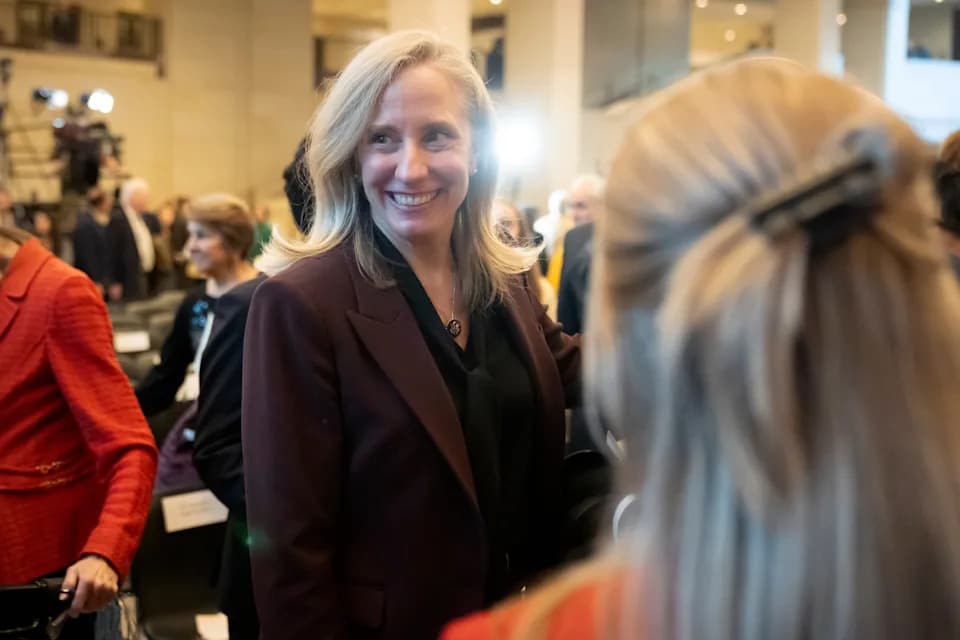
State and local election administrators are planning contingencies for a range of scenarios. Arizona Secretary of State Adrian Fontes warned at an Atlantic-sponsored event that the mere need to rehearse such contingencies is a warning sign for democratic health, but he declined to detail preparations, saying, "I don't want to give the bad guys any ideas."
Why It Matters
Even if cancellation remains implausible, changes to maps, court rulings on mail ballots, shifts in federal election support, and new executive actions can all influence turnout, the speed and transparency of vote counts, and ultimately which party controls Congress. With months to go before November, legal battles and administrative changes will continue to shape the playing field.
Bottom line: The prospect of cancelling the midterms is remote, but ongoing legal fights, redistricting and federal policy moves are real ways that the administration and its allies could affect November's outcome.
Help us improve.