Vsevolod Kozhemyako, a Ukrainian grain billionaire, founded and funds the 13th "Khartia" Brigade, which helped retake Kupiansk in a precision counter-offensive. The unit — raised from civilian volunteers and later professionalised — used reconnaissance, mobility and tight drone-artillery coordination to target chokepoints and transportation nodes. Reported battlefield assessments suggested heavy Russian losses in the engagement, though such figures remain estimates. Khartia’s success underscores Kyiv’s tactical adaptability amid wider manpower shortages and mounting political pressure over continued support.
The Billionaire Commander: How Vsevolod Kozhemyako’s 'Khartia' Brigade Helped Retake Kupiansk
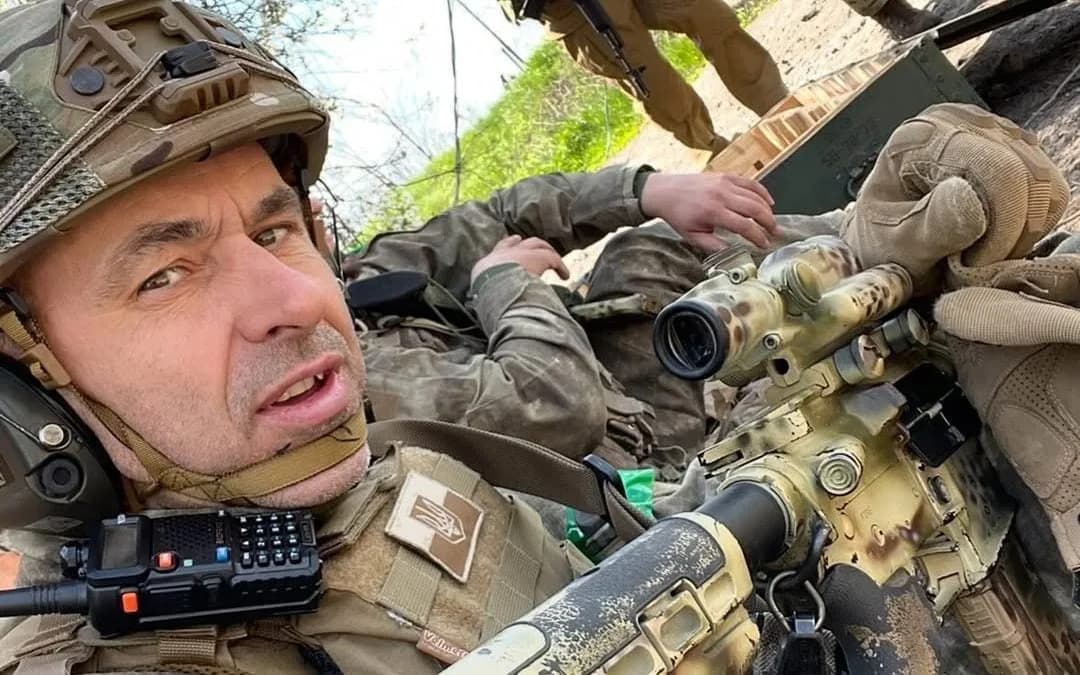
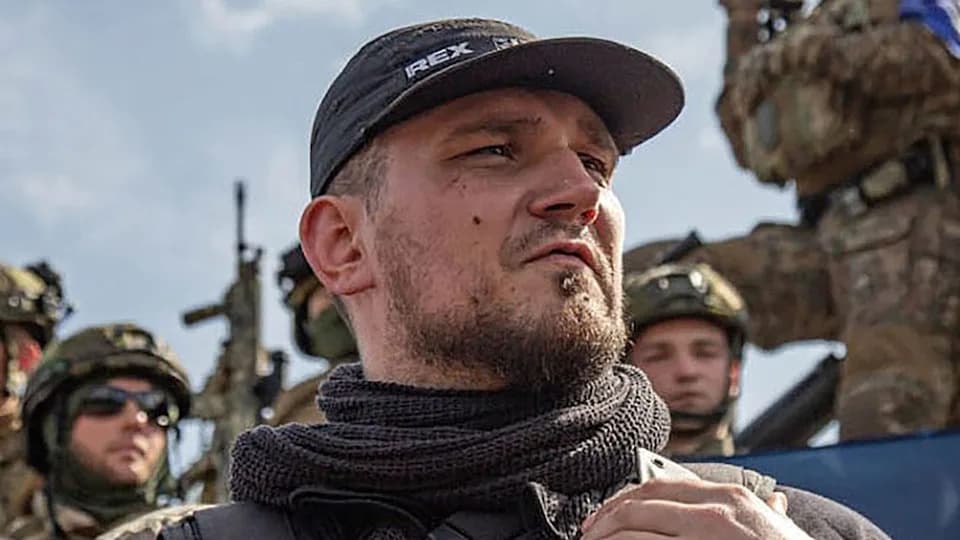
Vsevolod Kozhemyako is the founder of the ‘Khartia’ battalion – dubbed the ‘billionaire’s brigade’ – which was key in taking back Kupiansk
Vsevolod Kozhemyako, a Ukrainian grain magnate, has swapped boardroom luxury for battlefield leadership. Dressed in military fatigues and playing Beethoven’s "Für Elise" in a dim Kharkiv hotel, Kozhemyako described himself simply: "Yes, I’m a businessman. And now I’m a commander of a military unit in Ukraine."
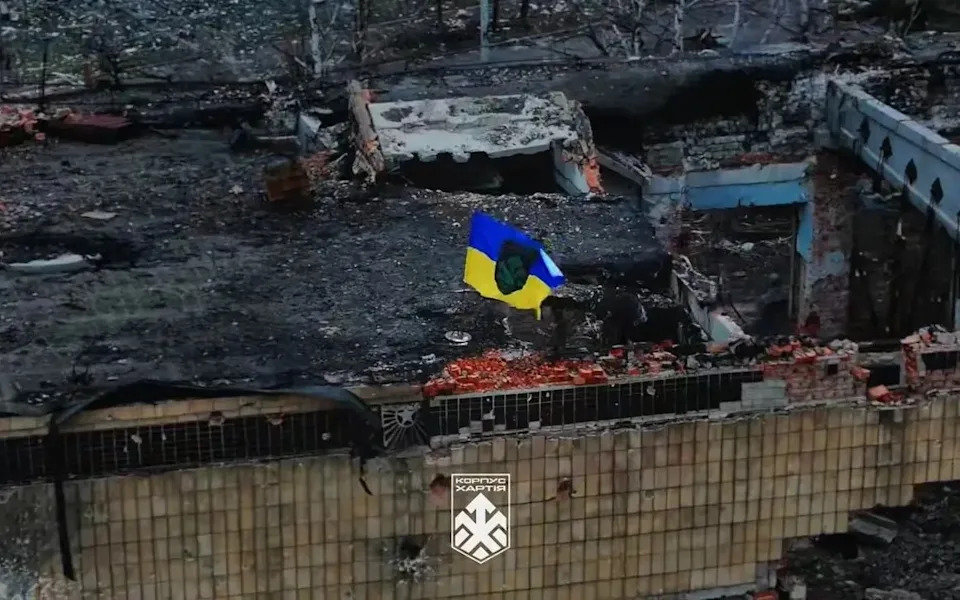
Ukraine’s Khartia brigade released a video of them flying the country’s flag over Kupiansk’s city council building
Kozhemyako and the Rise of Khartia
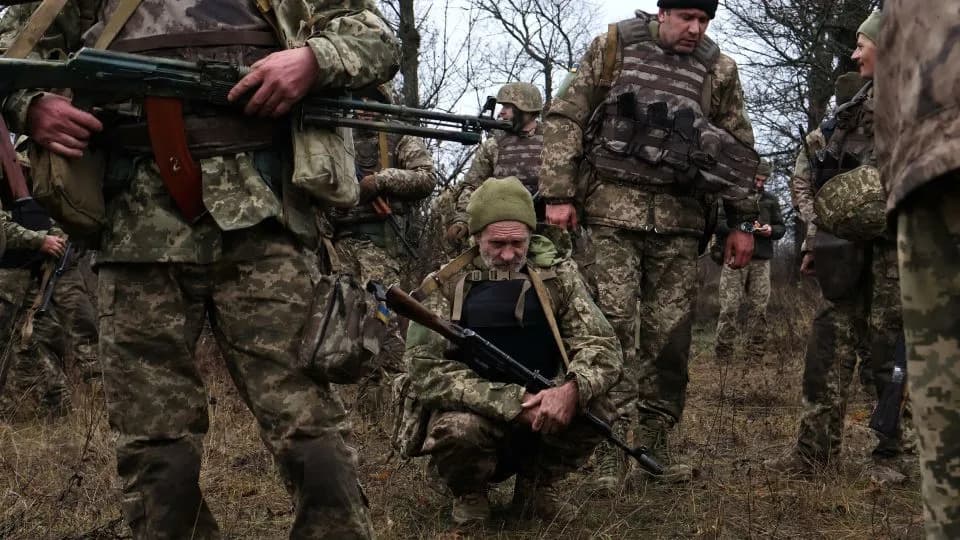
Nearly four years after its formation, the light infantry formation Kozhemyako helped create — the 13th "Khartia" Brigade — has become one of the most closely watched volunteer units in Ukraine. Founded in March 2022 as a volunteer battalion attached to the 127th Territorial Defence Brigade, Khartia began as a mix of civilian volunteers funded by Kozhemyako and other private donors. Over time it has professionalised into a lean, mobile assault formation noted for rapid counter-attacks and urban operations.
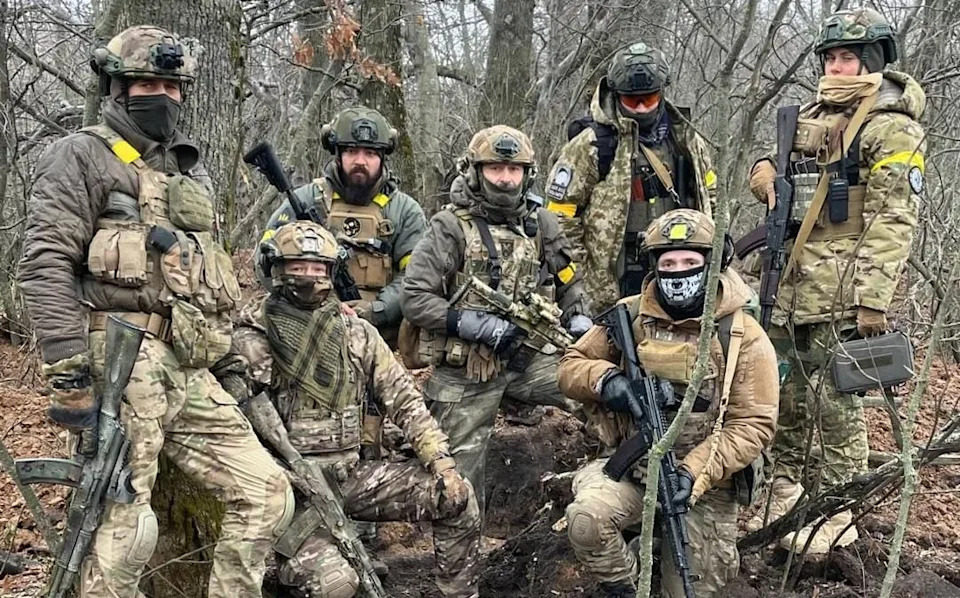
The brigade began as a band of civilian volunteers and is now one of the most effective fighting units
The Push Into Kupiansk
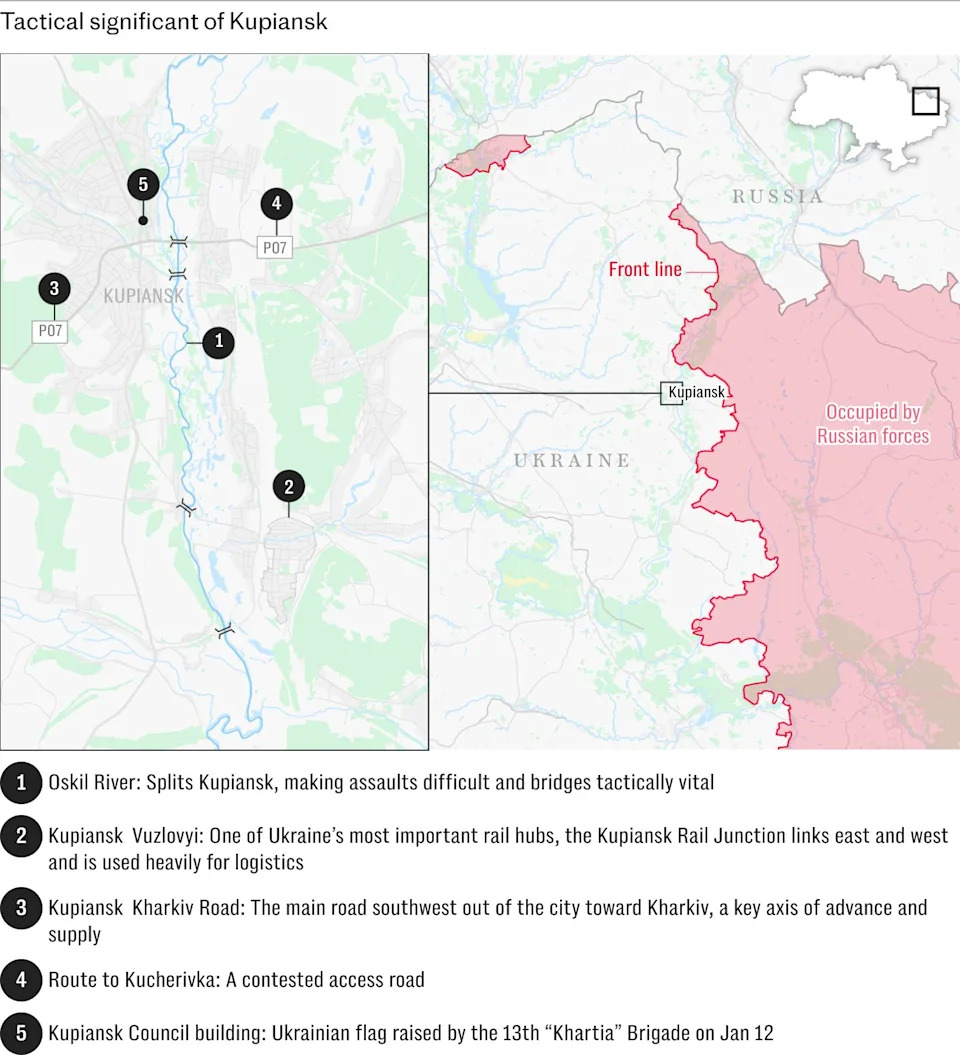
This week Khartia hoisted the Ukrainian flag over Kupiansk after a coordinated counter-offensive, providing a significant morale boost for Kyiv as it confronts manpower shortages and energy strains. The operation — widely reported as involving careful reconnaissance, close coordination with artillery and drone teams, and the targeting of rail crossings, river approaches and urban chokepoints — emphasised mobility and surprise: strike quickly, then withdraw before the adversary can stabilise.
"The Kupiansk operation proves that through planning, trained commanders and staffs, and quality unit preparation — everything we call the Khartia method — you can successfully stop and destroy the enemy," said Col Ihor Obolensky.
Intelligence assessments cited in media coverage reported a heavily lopsided casualty ratio in the fighting around the city, described as roughly 1:27 (Russian to Ukrainian losses). Such figures should be read as battlefield estimates rather than independently verified counts.
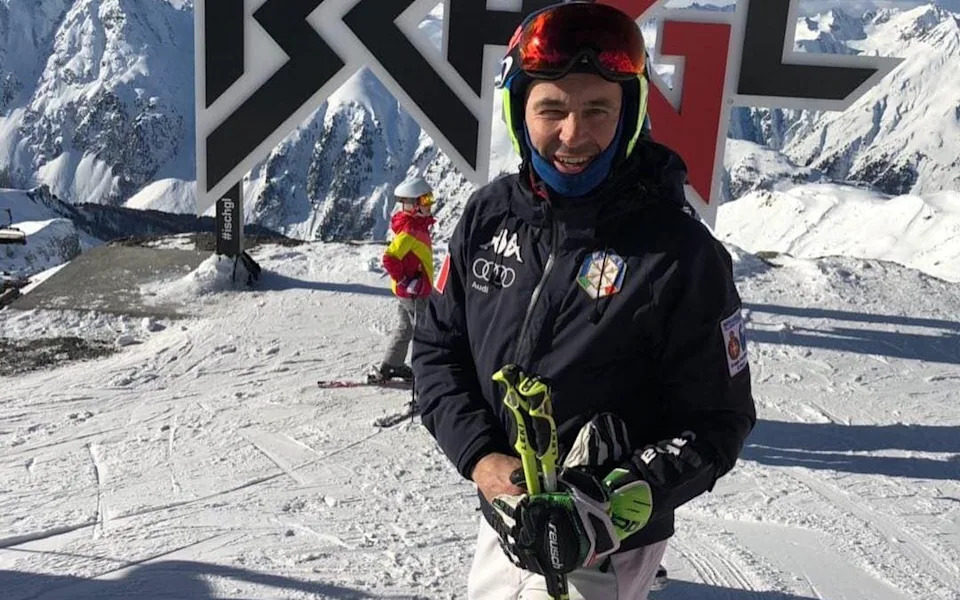
Mr Kozhemyako enjoyed travelling the world for unique experiences such as skiing in the Alps
Tactics, Structure and Impact
Khartia reportedly operated within a layered defence-and-attack model alongside regular and less-experienced brigades. This approach absorbed Russian assaults while preserving elite elements for decisive strikes. The unit's operations emphasised:
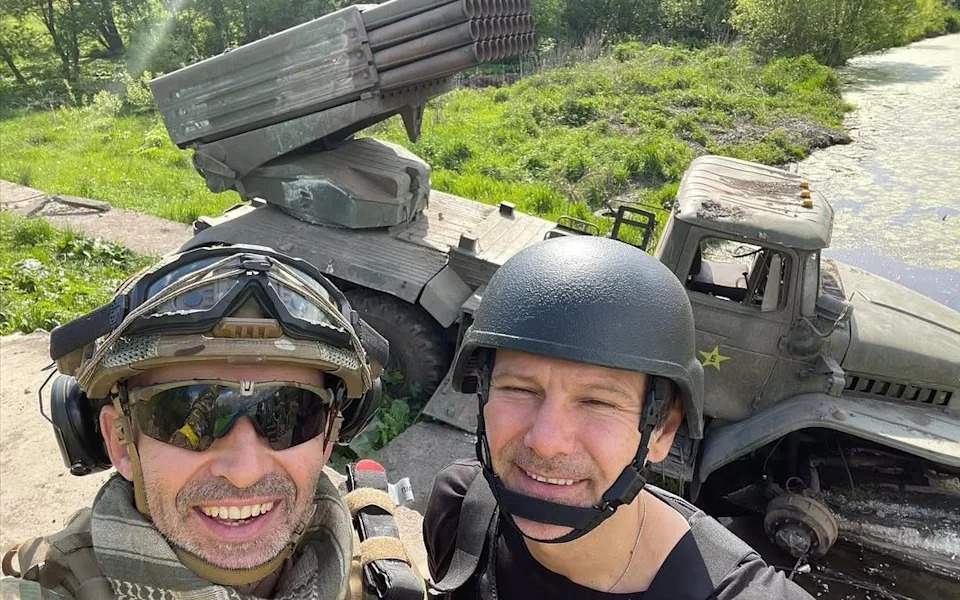
Mr Kozhemyako, seen with a comrade in arms, shaped his unit into a force leading precision counter-attacks
- Detailed reconnaissance and rapid maneuver
- Tight integration with drone reconnaissance and artillery fire control
- Targeting of transportation hubs and urban chokepoints to disrupt enemy movement
By enabling orderly rotations of less-experienced brigades into the line, Khartia has helped sustain defensive continuity even where manpower is thin. That flexibility has been crucial at a time when Kyiv must respond to pressure across a roughly 600-mile front.
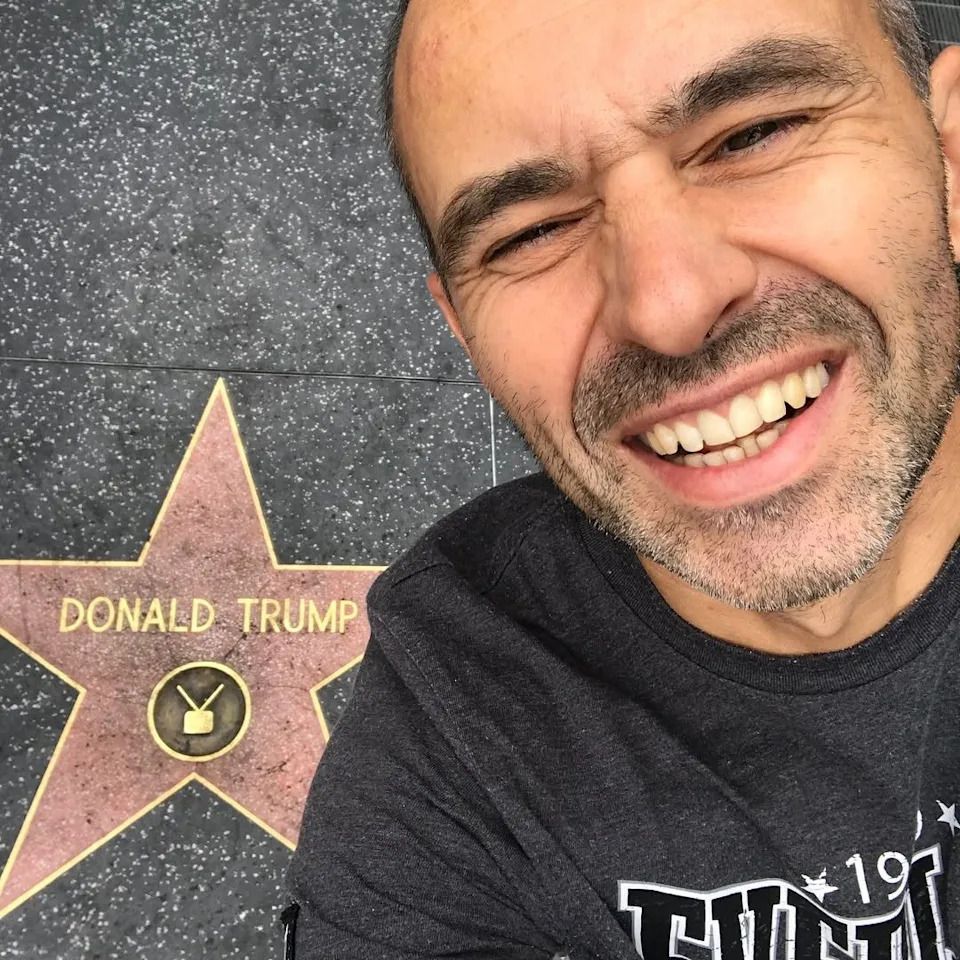
The grain billionaire found a Donald Trump star on his travels
The Man Behind the Unit
Before the war, Kozhemyako’s public profile showed a life of travel, sports and business: skiing in the Alps, yachting, marathon running and leadership of Agrotrade Group — one of Ukraine’s largest grain producers and exporters. Now 55 and a father of four, he has committed his resources and time to the war effort. Though Khartia began as a territorial defence unit — and Kozhemyako once said, "As soon as the wartime is finished, we are again civilians" — it has since been described as serving in an elite assault capacity within the Ukrainian National Guard structure.
Political Stakes
The recapture of Kupiansk carries political as well as military significance. As global debates over continued support for Ukraine intensify, visible battlefield gains can influence foreign opinion and policy decisions. Recent comments reported from US political figures have added urgency to Kyiv’s need to demonstrate progress on the ground.
At the same time, gains in places like Kupiansk coexist with setbacks elsewhere: Ukrainian forces near Huliaipole reportedly conducted tactical withdrawals, underscoring persistent manpower shortages. That dynamic has meant Kyiv sometimes relies on rapid-response or "firefighter" units — including Khartia — to plug gaps, a strategy that yields critical victories but can stretch resources thin.
What Comes Next
Khartia’s operation in Kupiansk illustrates how a privately funded volunteer formation can evolve into a combat-effective unit through training, coordination and tactical discipline. Whether the brigade’s methods can be sustained across multiple fronts depends on personnel, logistics and continued support from Kyiv’s international partners. For now, Kozhemyako and the soldiers of Khartia offer a tangible demonstration of resilience and adaptability in a conflict defined by attrition and high political stakes.
Note: Casualty figures and battlefield assessments cited in this article come from open intelligence sources and media reports and may not be independently verified.
Help us improve.