Female ducks have evolved clockwise vaginal spirals, dead‑end pockets and sperm storage tubules that together reduce the effectiveness of many forced copulations. Male ducks often have counterclockwise, corkscrew phalluses, and comparative and experimental work supports coevolution between the sexes. Lab tests using shaped glass tubes show female‑like geometries reduce penile eversion success, and sperm storage gives females post‑insemination control over paternity.
Reverse Spirals and Dead‑End Pockets: How Female Ducks Influence Which Males Father Their Young
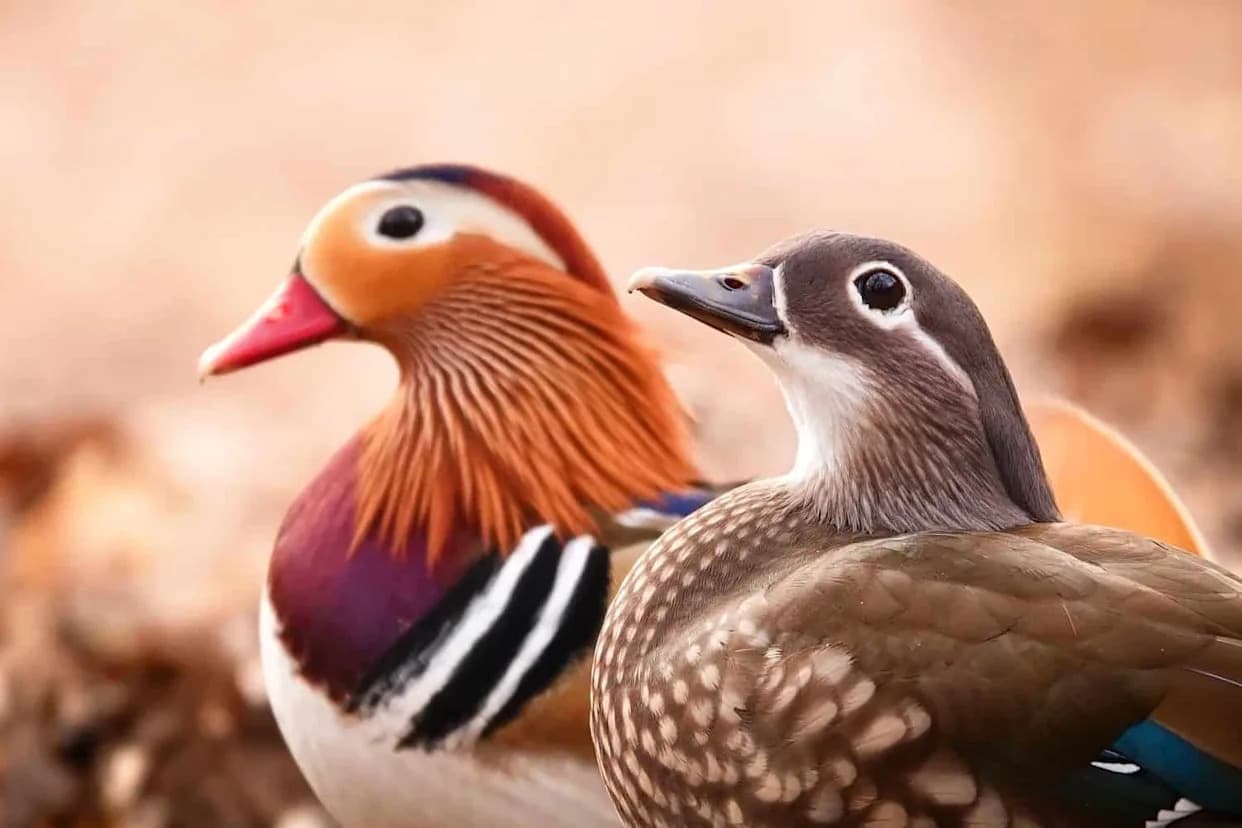
Cute loving couple of colorful ducks. Mandarin duck Aix galericulata female and male. Loving birds, animal love. Smooth background. Amorous look. European birds. Autumn scene. Wildlife photography© mutinamatyas_photo/Shutterstock.com
Ducks display one of the clearest examples of genital coevolution in animals: males often have long, counterclockwise corkscrew phalluses, while females have evolved complex internal defenses—clockwise vaginal spirals and side pockets—that reduce the effectiveness of forced copulation and give females greater influence over paternity.
What Is “Reverse‑Spiral” Anatomy?
Reverse‑spiral refers to the opposing directional shapes of male and female genitalia in many waterfowl species. Male phalluses commonly form a counterclockwise spiral, whereas female vaginal tracts often contain clockwise spirals and lateral dead‑end pockets. These female features are unusual among birds and vary by species.
How Coevolution Explains These Shapes
Sexual conflict—when a trait that benefits one sex imposes costs on the other—can drive reciprocal adaptations. In ducks, frequent coercive or forced extra‑pair copulations have been associated with longer, more elaborate male phalluses. Females respond to that pressure by evolving internal geometries that mechanically impede unwanted insemination, decreasing the likelihood that forced copulations result in fertilization.
Experimental Evidence
Laboratory tests have provided direct mechanical support for this idea. Researchers have inserted duck penises into glass tubes shaped to mimic different vaginal geometries. Eversion (the rapid outward turning of the organ) was far less successful in tubes with a clockwise spiral or sharp bends—shapes that mirror female anatomy—than in straight tubes or counterclockwise spirals that matched male morphology. Those results show female tract shape can mechanically reduce male eversion success.
Sperm Storage and Post‑Insemination Control
Beyond mechanical barriers, female ducks possess sperm storage tubules (SSTs) that let them retain sperm for hours to weeks depending on species. The presence of SSTs decouples insemination from fertilization: females can influence when and which stored sperm are used to fertilize eggs. Together with resistance behaviors, anatomical complexity and SSTs give females powerful post‑copulatory control over paternity.
Behavioral Trade‑Offs
Resistance to coercive mating is often costly and risky for females, which is why anatomical countermeasures are especially important: they reduce the need for constant physical struggle while still biasing reproductive outcomes. Comparative studies find that species with higher reported rates of coercion tend to show greater vaginal complexity, consistent with an evolutionary arms race.
Why This Matters
These discoveries change how we think about sexual selection in birds. Rather than fertilization being determined solely at the moment of copulation, much selection happens afterward—inside the female tract—through a combination of anatomy, storage, and behavior. Ducks therefore provide a vivid, experimentally supported example of how mating systems shape genital evolution on both sides.
Key takeaway: Female ducks don’t simply endure forced copulations; their anatomy and physiology actively influence which males succeed in fathering offspring.
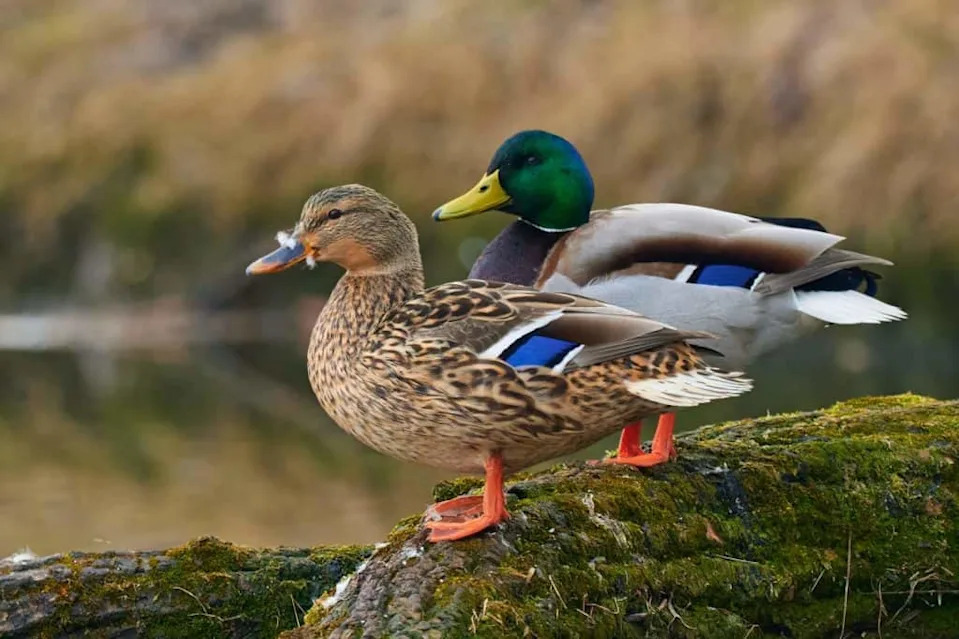
Duck genitalia have evolved over the decades because of coercive breeding.©Robert Adami/Shutterstock.com(Robert Adami/Shutterstock.com)
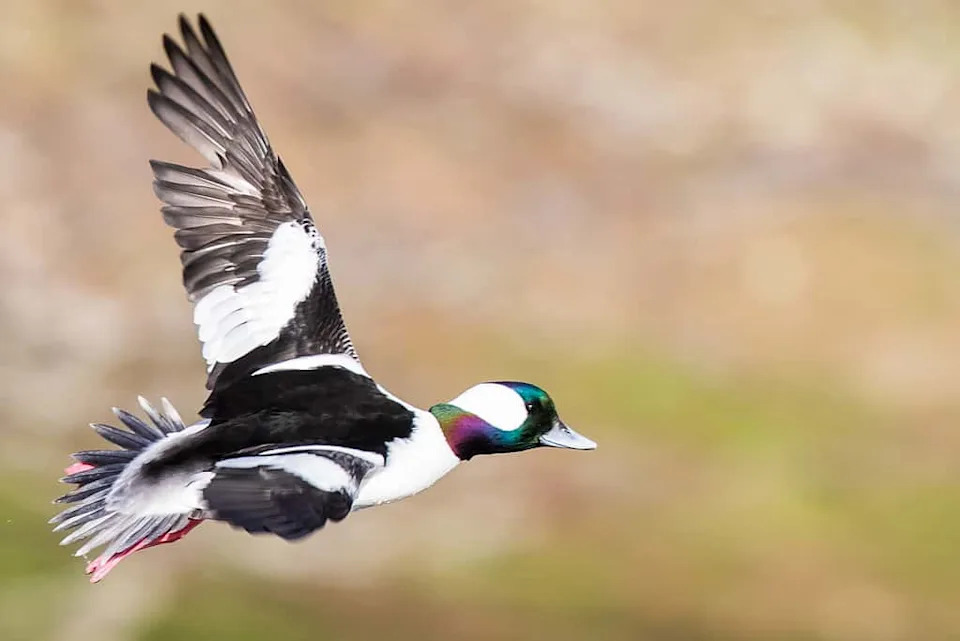
Many male birds don’t have traditional, phallic ways of breeding, but ducks are an exception.©Jeff Huth/iStock via Getty Images(Jeff Huth/iStock via Getty Images)
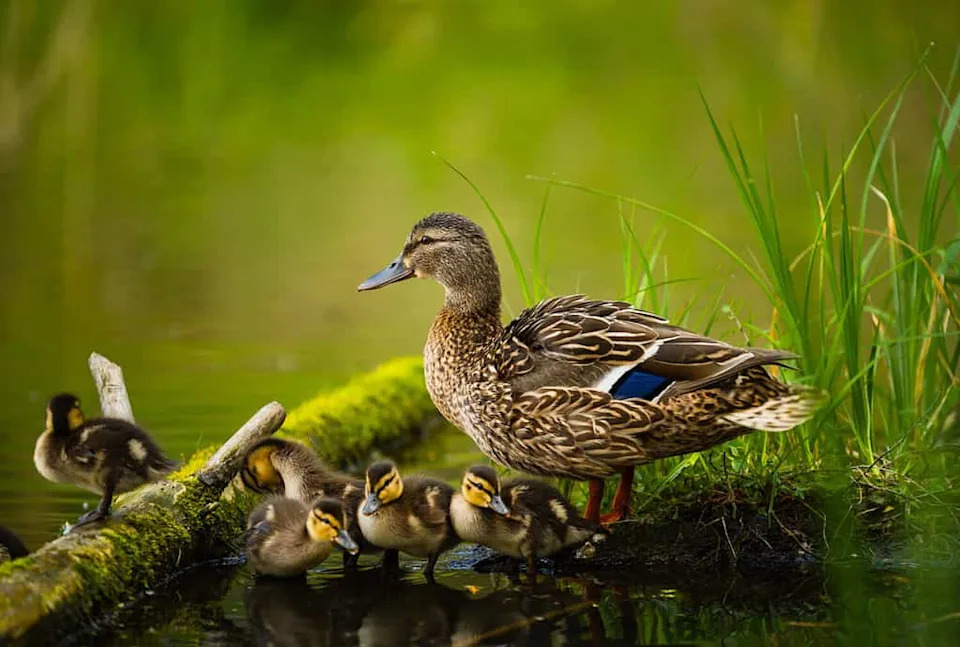
Female duck anatomy has evolved to allow for more choice in the breeding process.©Pazyuk/Shutterstock.com(Pazyuk/Shutterstock.com)
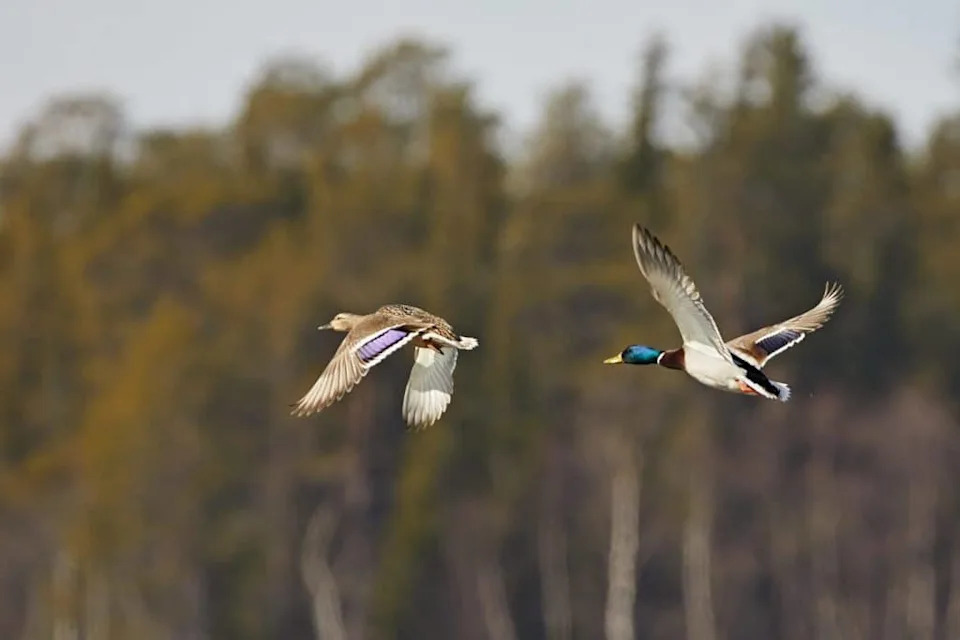
Pockets within female ducks can trap sperm to prevent insemination or be used at a later date.©Artic_photo/Shutterstock.com(Artic_photo/Shutterstock.com)
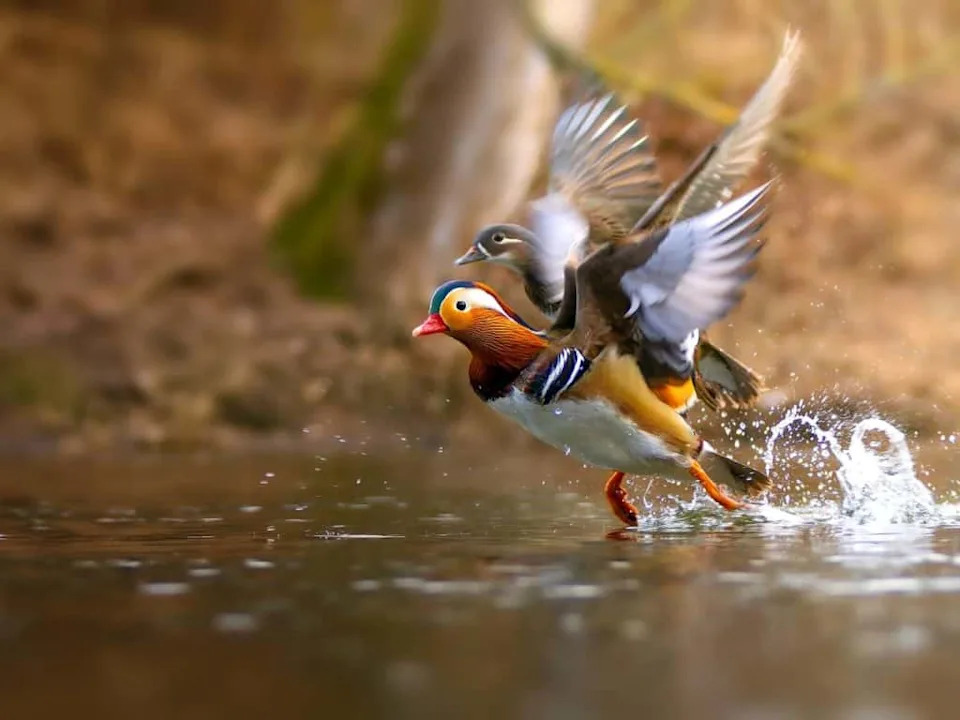
Spiral-shaped genitalia in both genders of waterfowl species can alter breeding success rates.©mutinamatyas_photo/Shutterstock.com(mutinamatyas_photo/Shutterstock.com)
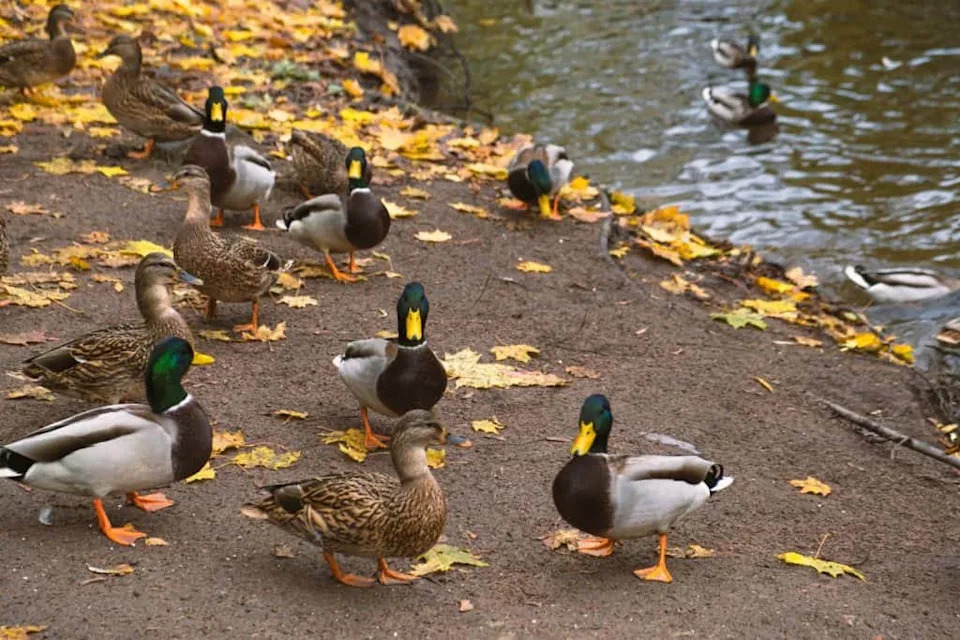
Female duck fertilization doesn’t always happen based on their most recent mate.©Nataliia Chubakova/Shutterstock.com(Nataliia Chubakova/Shutterstock.com)
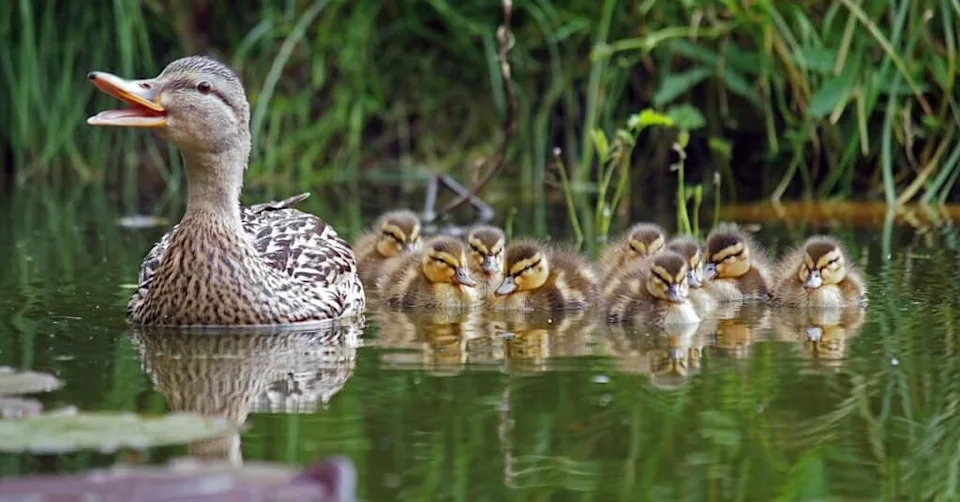
While coercive mating is common among waterfowl, certain females of these species have adapted.©iStock.com/Anolis01(iStock.com/Anolis01)
Help us improve.