The study analysed behavioural data from 491 non‑human primate populations and found evidence of same‑sex sexual behaviour in 59 species, with repeated occurrences in 23. Higher incidence was linked to harsh or arid environments, high predation risk, pronounced sexual dimorphism, longevity, and complex social hierarchies. Authors argue the behaviour likely arises from interacting genetic and environmental factors and may have been present in early hominids, while cautioning that modern human identity and culture shape sexual orientation.
New Study Shows Same‑Sex Intimacy Is Widespread Across Primate Species
Study finds homosexuality surprisingly common among primates
A new comparative analysis finds same‑sex sexual behaviour in dozens of primate species, offering fresh evidence about its evolutionary contexts and social functions.
Study Overview
Researchers compiled behavioural data from 491 non‑human primate populations and identified evidence of same‑sex intimacy in 59 species, with repeated occurrences observed in 23 of those species. The analysis — published in Nature — defines same‑sex intimacy broadly to include mounting, genital contact, courtship displays and copulation‑like behaviours, whether or not such interactions could lead to reproduction.
What the Authors Found
Lead author Chloe Coxshall (a PhD candidate at Imperial College London) said the study includes “all behaviours where the intent appears clearly sexual,” giving examples such as mounting, genital inspection and stimulation, and even same‑sex oral behaviour documented in some populations.
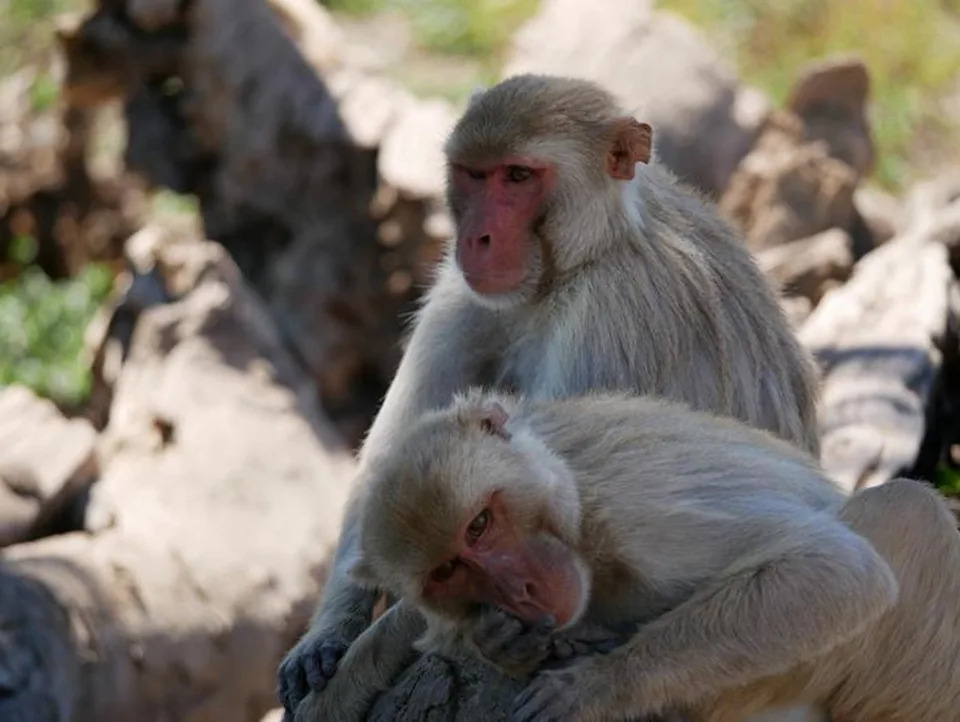
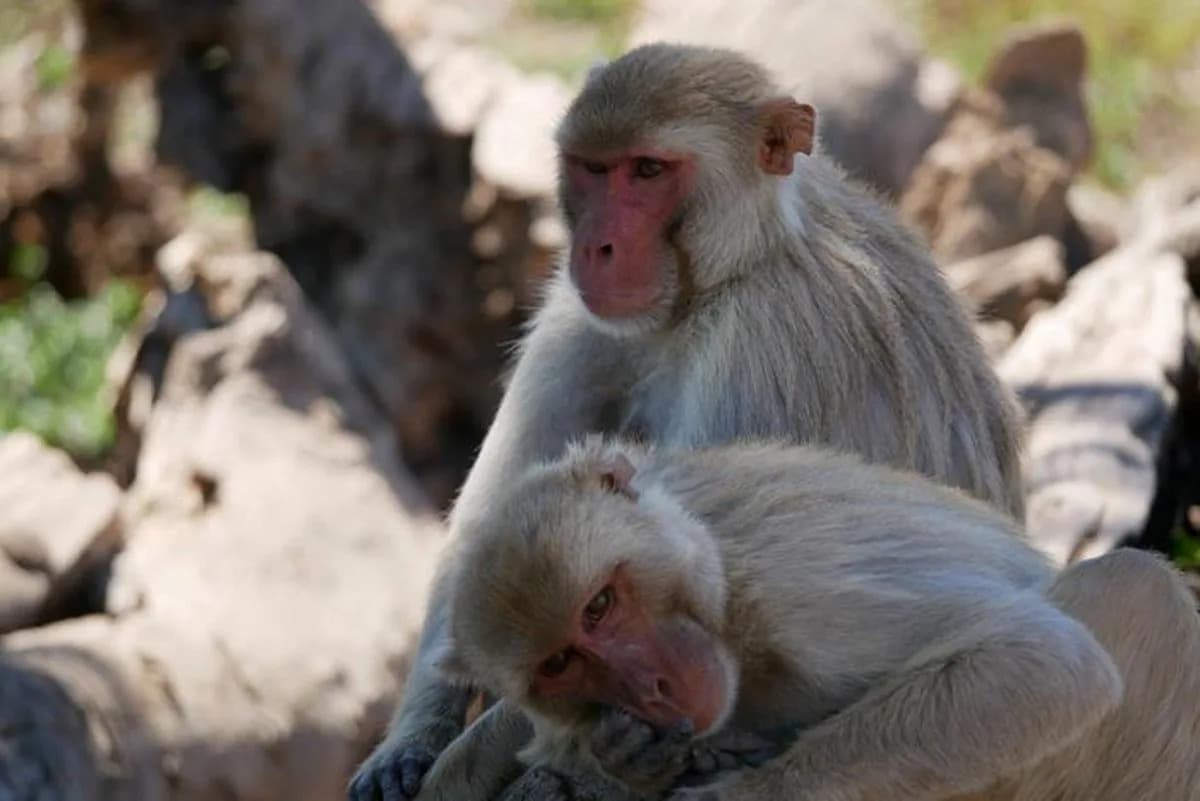
Macaques of Cayo Santiago (Chloe Coxshall)
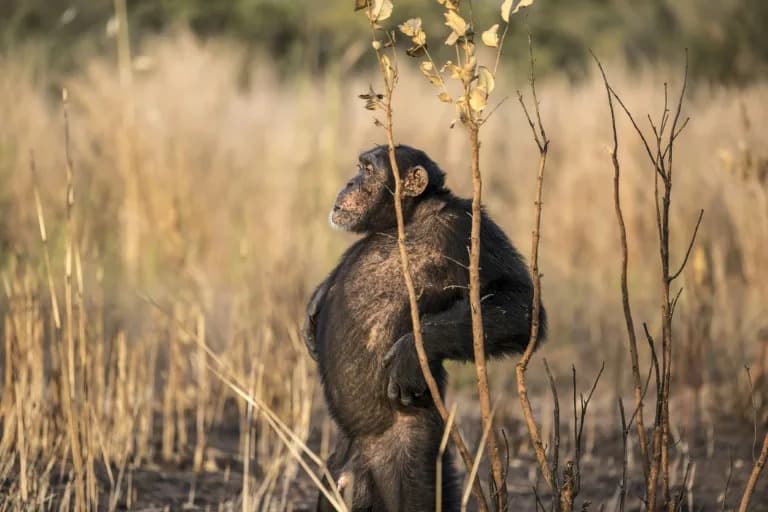
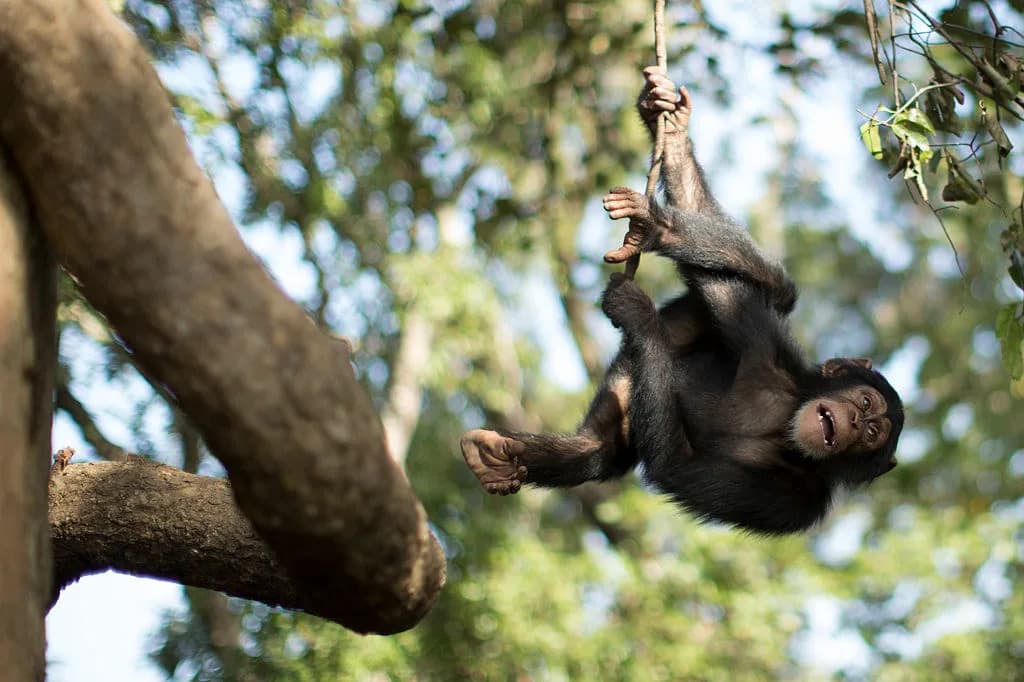
The researchers report higher incidence of same‑sex intimacy in species that inhabit harsh or arid environments with limited food (for example, Barbary macaques), populations with high predation risk (such as vervet monkeys), species with pronounced sexual dimorphism (for example, mountain gorillas), long‑lived species (like chimpanzees), and those with complex social hierarchies (for example, baboons).
Possible Functions and Cautions
Authors suggest same‑sex sexual behaviour can serve social functions — including alliance formation, tension reduction and maintaining group cohesion under stress — and is likely the result of interacting ecological, social and genetic influences rather than a single causal factor.
“Same‑sex intimacy seems to facilitate competitive scenarios and help keep group harmony in stressful situations,” said Vincent Savolainen, a co‑author. The team stresses these evolutionary explanations neither invalidate individual identities nor diminish their value.
Implications for Human Behaviour
The researchers note that because similar ecological and social pressures were common among primates, comparable factors may have influenced same‑sex behaviour in early hominids. They also caution that modern human sexual orientation is shaped by additional cultural, psychological and identity factors, so direct parallels should be drawn carefully.
Takeaway: The study documents that same‑sex sexual behaviour is more widespread among primates than often appreciated and appears linked to complex blends of environmental and social pressures rather than a single cause. The authors warn against misinterpreting the findings to make prescriptive claims about human identity or social policy.
Help us improve.