The study reveals that a viral-derived DNA element called MERVL is important for establishing totipotent features in early mouse embryos, but the Dux protein more completely activates embryo-like gene programs. Using CRISPRa to switch on Dux or MERVL separately, researchers found Dux alone produced cells closest to natural early embryos. They also showed Dux causes cell death by activating NOXA, and removing NOXA greatly reduces toxicity — a result with potential implications for treating DUX4-related muscular dystrophy.
Ancient Viral DNA (MERVL) Helps Kick-Start Mouse Embryos — But Dux, Not the Virus, Drives Later Toxicity

DNA left over from ancient viral infections is key for embryonic development, a study suggests. | Credit: fotograzia via Getty Images
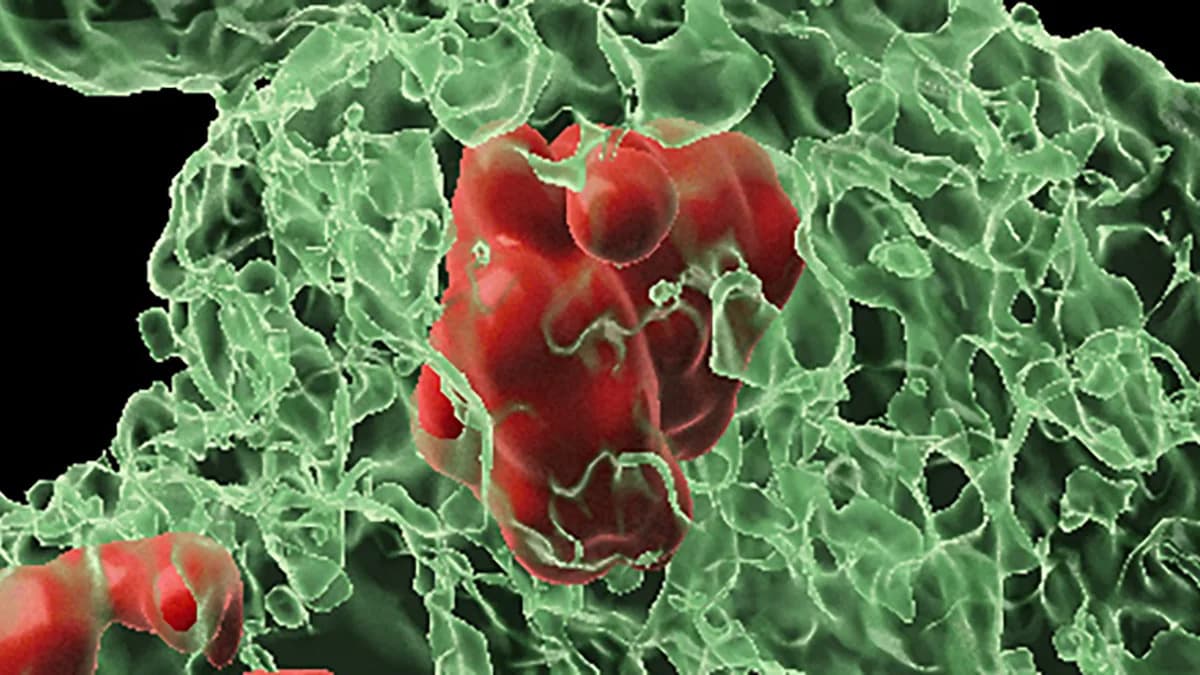
A stretch of viral-derived DNA within the mouse genome, known as MERVL, plays a crucial role in early embryonic development by activating genes that give cells broad developmental potential. New research published in Science Advances teases apart how MERVL and a transcription factor called Dux cooperate to launch embryo gene programs — and how Dux can later cause cell death through a separate pathway.
What the Study Found
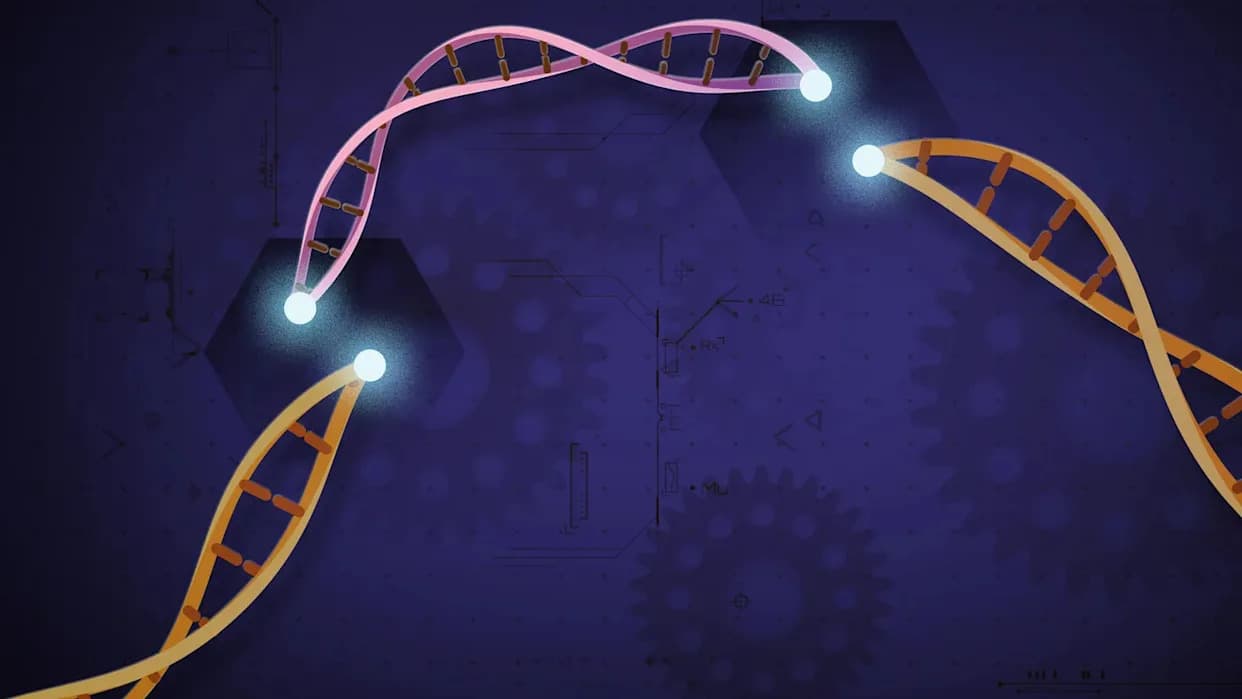
Researchers at the Medical Research Council Laboratory of Medical Sciences (UK) used CRISPR activation (CRISPRa) to switch on either MERVL or Dux in mouse embryonic stem cells and observed the effects independently. Activating MERVL induced totipotency — the capability to form almost any cell type — but those cells lacked several defining features of true early embryonic cells. Activating Dux alone produced cells that more closely resembled natural early embryonic cells, suggesting Dux drives a fuller embryo-like gene program.
Separating Developmental Roles From Toxicity
Although Dux is essential during a brief window of early development, sustained Dux activation is harmful. The team investigated how Dux causes cell damage and found it activates the gene NOXA, which encodes a pro-apoptotic protein. Removing NOXA dramatically reduced Dux-induced toxicity, indicating that NOXA — not MERVL — mediates the cell death effect.
Human Disease Links
The human counterpart of Dux, DUX4, is implicated in facioscapulohumeral muscular dystrophy (FSHD), a progressive muscle-wasting disorder caused when DUX4 becomes inappropriately active in muscle cells. NOXA is already known to be elevated in FSHD patient cells, so the authors propose that targeting NOXA could be a potential therapeutic strategy to reduce cell death in DUX4-related disease.
Expert Commentary and Caveats
"It's an important piece of work," said Sherif Khodeer, a KU Leuven postdoctoral researcher not involved in the study. He emphasized that while MERVL is absent from the human genome, other ancient viral remnants in humans might serve analogous functions.
Senior author Michelle Percharde (MRC Laboratory of Medical Sciences) noted that only a subset of cells in FSHD patients activate DUX4, highlighting the need to understand what triggers its activation specifically in muscle cells and how that compares to activation during early embryogenesis.
Next Steps
Future research should directly compare mouse Dux and human DUX4 activity, map precisely how MERVL controls nearby genes and determine how and when MERVL is switched off during development. Investigators will also look for human genomic elements that might play roles analogous to MERVL in early human embryos.
Why This Matters
This work clarifies how viral remnants in the genome can be co-opted for normal development while separating those developmental roles from later pathological effects. The findings suggest new directions for understanding early development and potential therapeutic targets for DUX4-related muscle disease.
Source: Study published in Science Advances; reporting and expert comments from Live Science interviews.
Help us improve.