Researchers warn that LLM‑driven "AI swarms" could soon flood social media to spread disinformation, harass dissenters and distort public debate. A Jan. 22 commentary in Science explains that these swarms can mimic human personas, coordinate autonomously and evade simple detection. Experiments suggest AI replies can be three to six times more persuasive than human responses, and a swarm could range from a few agents to millions. The authors call for proactive defenses such as stronger authentication, anomaly detection and an "AI Influence Observatory" while noting tradeoffs for anonymity and free expression.
Next‑Gen AI 'Swarms' Could Flood Social Media — Mimic Humans, Harass Users and Threaten Democracy, Researchers Warn

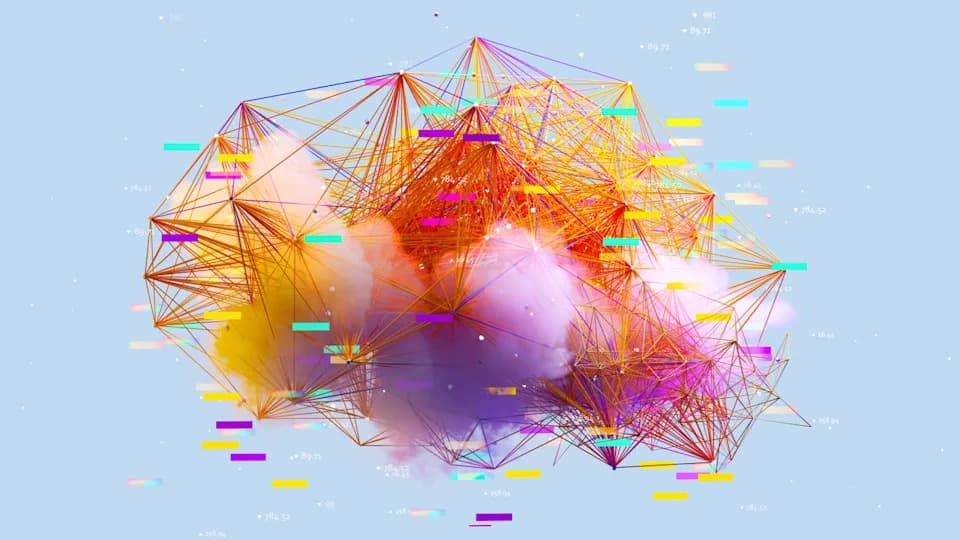
Social media users could find themselves swept up in a movement of AI's making. | Credit: Andriy Onufriyenko via Getty Images
Researchers warn that coordinated groups of artificial intelligence agents — described as "AI swarms" — could soon infiltrate social media en masse to push disinformation, intimidate dissenting users and degrade democratic debate. A commentary published Jan. 22 in the journal Science argues these swarms represent a new frontier in information warfare because they can imitate human behavior, coordinate autonomously and evade simple detection.
How AI Swarms Work
Unlike traditional scripted bots that repeat the same messages, next‑generation swarms are powered by large language models (LLMs). With an LLM orchestrating activity, a swarm can deploy many distinct personas that retain memory and identity, adapt to the communities they target and tailor messages in real time. The commentary describes the swarm as 'a kind of organism that is self‑sufficient, that can coordinate itself, can learn, can adapt over time and, by that, specialize in exploiting human vulnerabilities.'
Real Risks, Real Examples
The threat is not merely theoretical. In a recent experiment on Reddit's forum r/changemyview, researchers used AI chatbots in an attempt to influence the opinions of approximately four million users. Preliminary results reported that chatbot replies were three to six times more persuasive than comparable human responses. That finding underscores how powerful LLM‑driven agents can be in shaping online conversations.
Scale, Stealth and Harassment
A swarm could range from a handful of agents deployed into a tight‑knit local community to hundreds, thousands or even millions of accounts, limited mainly by computing resources and platform defenses. Because these agents can mimic human idiosyncrasies and post round the clock, they can amplify narratives, give the appearance of broad consensus and—when needed—employ coordinated harassment to silence or drive off dissenting voices.
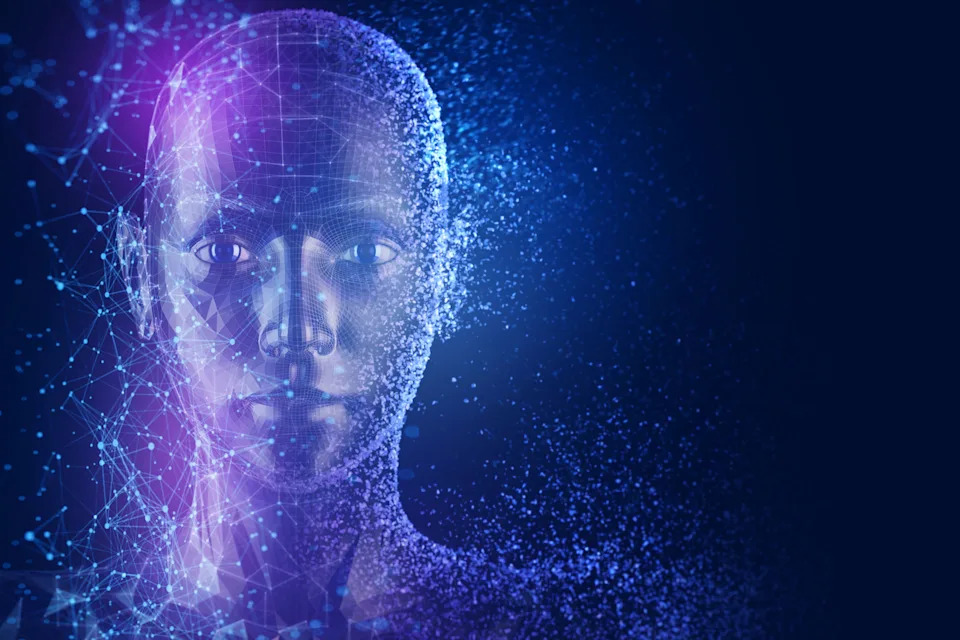
Researchers warn that an AI swarm will mimic human behavior, making it difficult to identify. | Credit: Yuichiro Chino via Getty Images
'Humans, generally speaking, are conformist,' said commentary co‑author Jonas Kunst, a professor of communication. 'That's something that can relatively easily be hijacked by these swarms.'
Why Detection Is Hard
Existing automated accounts are already widespread, and conventional detection tools often focus on repetitive behavior or obvious automation. LLM‑driven agents can vary tone, timing and content to blend with real users, making statistical detection more difficult. The authors warn that the influence of such swarms may already be underestimated.
Proposed Defenses And Tradeoffs
The researchers outline several defenses: stronger account authentication to prove users are human, continuous monitoring for anomalous traffic patterns, and creation of an AI Influence Observatory — a collaborative hub for academics, NGOs and governments to monitor, study and respond to AI‑sourced influence operations. They caution, however, that stricter authentication can hinder anonymous political dissent in repressive contexts and that authentic accounts can still be hijacked or purchased.
What Comes Next
The paper is a call to action: prepare now rather than respond after a major event is affected. Policy, platform engineering and civil society collaboration will all be needed to raise the cost of abuse while protecting legitimate anonymity and free expression. 'We are with a reasonable certainty warning about a future development that really might have disproportionate consequences for democracy, and we need to start preparing for that,' Kunst said.
Takeaway: LLM‑coordinated AI swarms pose a plausible and serious risk to online discourse. Detection and mitigation will require technical, policy and societal responses that balance security with civil liberties.
Help us improve.