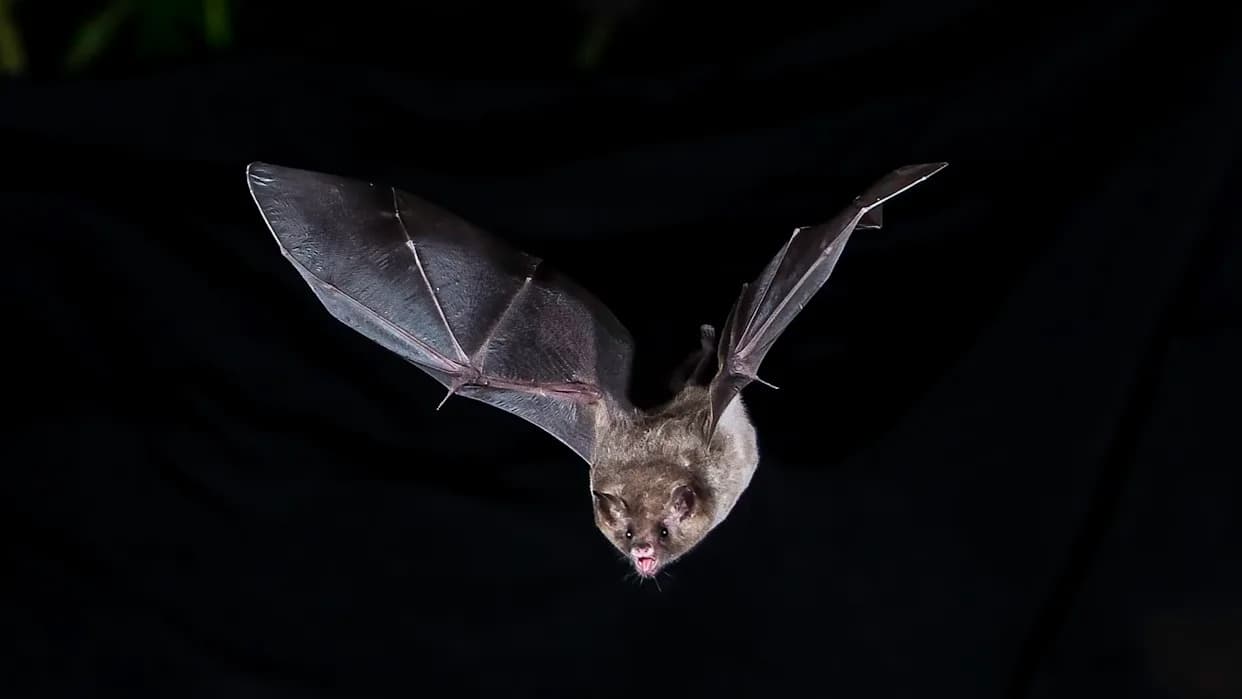
Howler monkeys balance sound and sperm: Males with enlarged hyoid bones produce far-carrying, resonant calls but tend to have smaller testes. Landmark research (Dunn et al., 2015) and follow-up studies show this trade-off reflects different mating strategies: loud males deter rivals and hold small-male harems, while quieter males in mixed groups invest in testes and sperm. The pattern extends across primates, illustrating a broad pre- vs. post-copulatory evolutionary balance.
Tiny but Mighty: How Howler Monkeys Trade Loud Calls for Smaller Testes
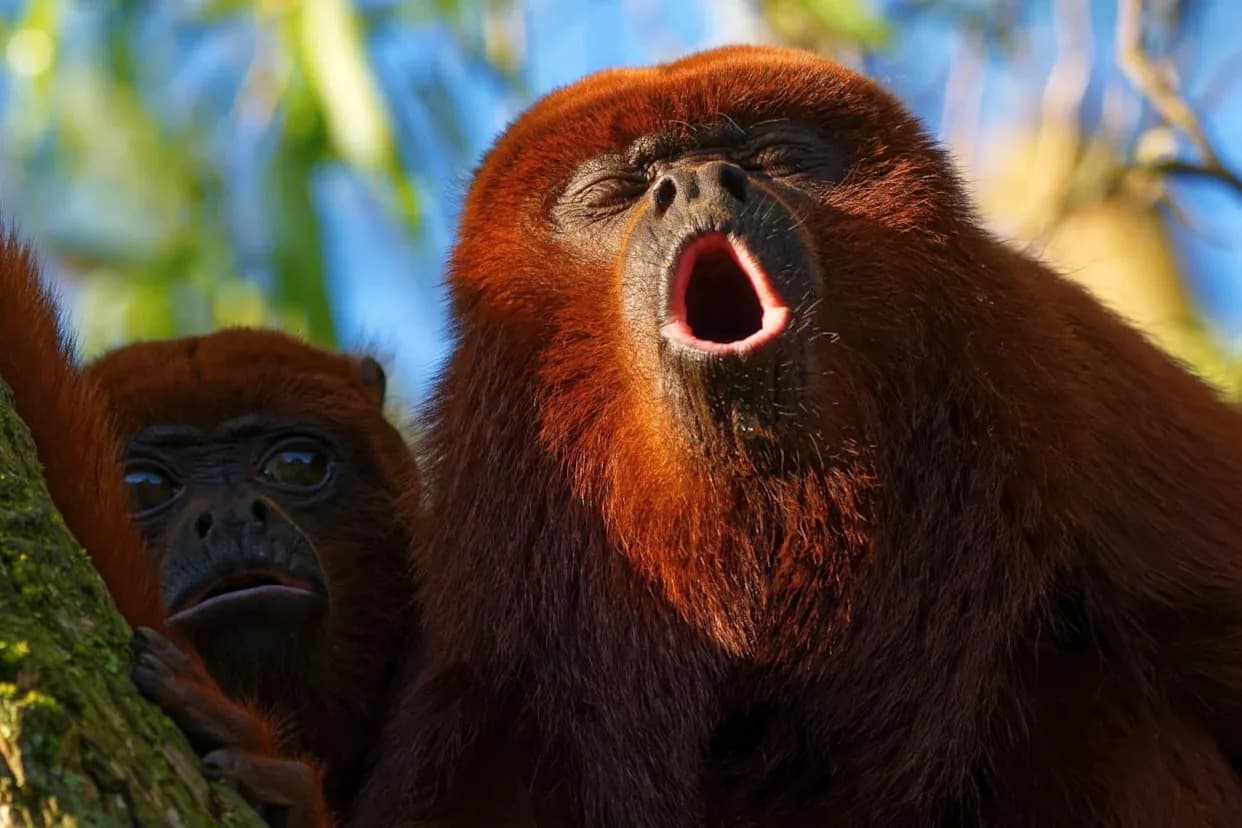
Venezuelan Red Howler (Alouatta seniculus). They inhabit rainforests and mountain forests of Central and South America. The loudest monkey. Morning roar of a red howler. Close-up.© Spiks/Shutterstock.com
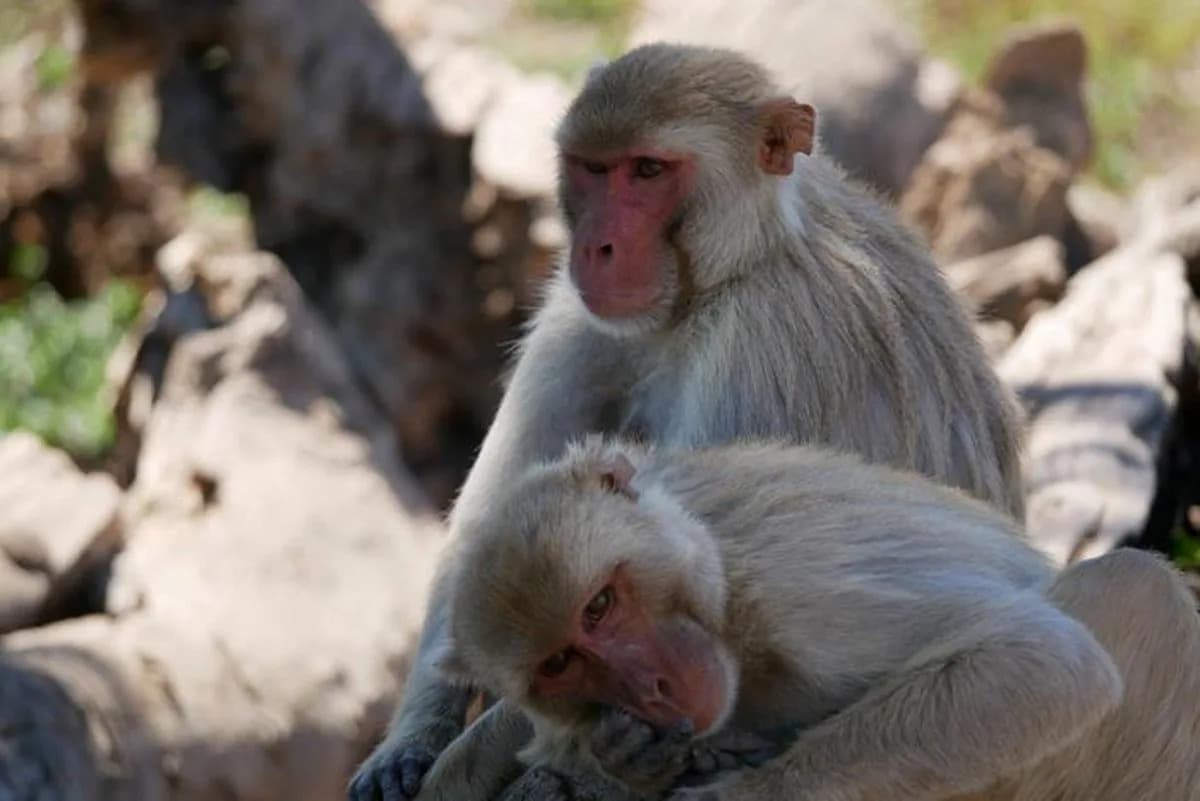
Animals often compensate for limitations by amplifying other traits, and howler monkeys provide a striking example. Research shows that the loudest howler males—those with dramatically enlarged throat anatomy—tend to have smaller testes, revealing a trade-off between vocal anatomy and reproductive investment.
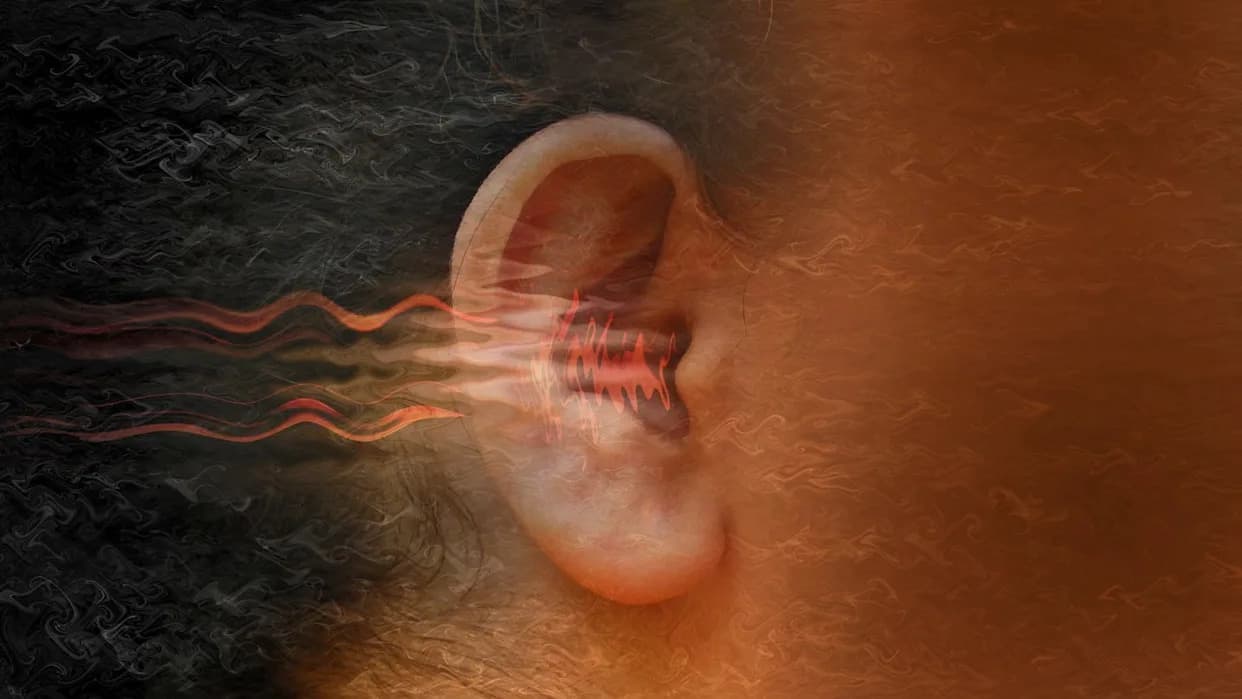
How loud are they? Some black howler monkeys produce calls that reach about 100 decibels and can carry for up to three miles. Those booming roars function as long-distance signals that shape territorial and mating dynamics across the forest canopy.
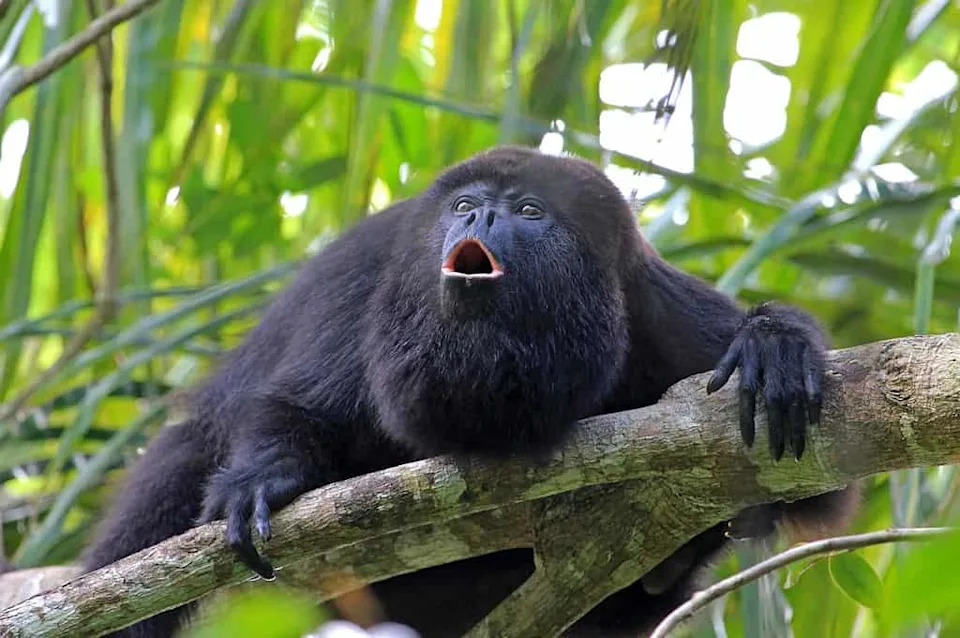
Black howler monkeys roar so loud that they are almost as loud as jet engines.©reisegraf.ch/Shutterstock.com(reisegraf.ch/Shutterstock.com)
The anatomical trade-off centers on the hyoid bone, a throat structure that supports the tongue and vocal tract. In many howler species the hyoid has evolved from a small horseshoe-shaped bone (as in humans) into a large, cup-shaped resonator. Comparative work—most notably the 2015 study led by Dr. Jacob Dunn and colleagues and published in Current Biology—found an inverse relationship between hyoid size (and the loudness/quality of calls) and testes size: bigger hyoids and louder calls are associated with smaller testes, and vice versa.
Why would evolution favor this? The pattern makes sense once you consider social mating systems. Males with large, resonant hyoids typically hold territories or harems with few rival males and many females; their powerful calls help deter competitors before mating even occurs (pre-copulatory competition). Quieter males with smaller hyoids tend to live in larger, mixed groups where many males mate with the same females; here, post-copulatory sperm competition favors larger testes and higher sperm production.
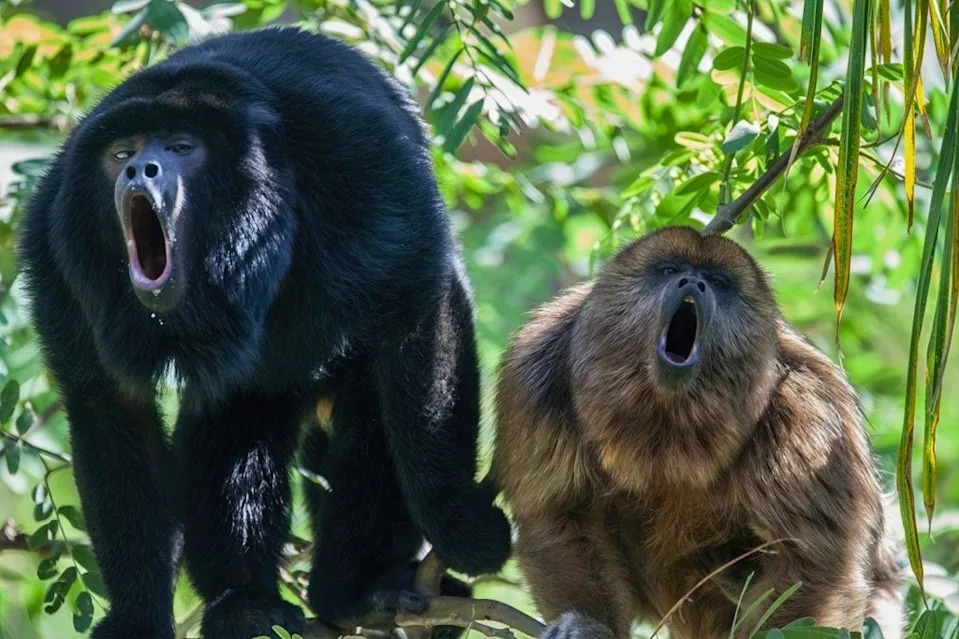
A terrifying howl is remarkably effective at keeping competing males away from a howler monkey harem.©Martens Coyotes/Shutterstock.com(Martens Coyotes/Shutterstock.com)
Anatomically, some loud males possess an extra narrow ribbon of tissue above the vocal cords that generates non-linear, attention-grabbing sounds when it vibrates. These strange acoustic features can exaggerate perceived size and intimidation, a form of "honest exaggeration" that reduces direct fights and sperm competition.
Broader comparative studies support the trade-off across primates. A 2019 analysis found that species investing in pronounced sexual ornaments (enlarged hyoids, larynges, or other vocal structures) often have relatively smaller testes—consistent with a balance between pre-copulatory display and post-copulatory investment.
Conclusion: Howler monkeys demonstrate a clear developmental and energetic trade-off between vocal anatomy and sperm production. By investing in a powerful, low-frequency acoustic presence, some males minimize rival intrusion and secure mates without investing heavily in testes—an alternative, evolutionarily successful reproductive strategy.
Quote: "Investment in a large vocal organ and roaring may be so costly that there is simply not enough energy left to invest in testes. Alternatively, using a large vocal organ for roaring may be so effective at deterring rival males that there is no need to invest in large testes." — Dr. Jacob Dunn
Help us improve.