The UK plans to expand live facial-recognition vans from 10 to more than 50, using software subcontracted by Digital Barriers to Israeli-based Corsight AI as part of a reported £20 million programme. Reporting indicates Corsight technology has reportedly been used in Gaza by Israel’s Unit 8200, and has been linked to wrongful arrests and concerns about accuracy. Human-rights groups, including Amnesty International, have warned the government against partnering with firms tied to surveillance in Gaza and urged stricter oversight. The Home Office declined to comment on operational matters and the companies did not respond to requests for comment.
UK to Expand Live Facial-Recognition Vans Amid Links to Technology Reportedly Used in Gaza
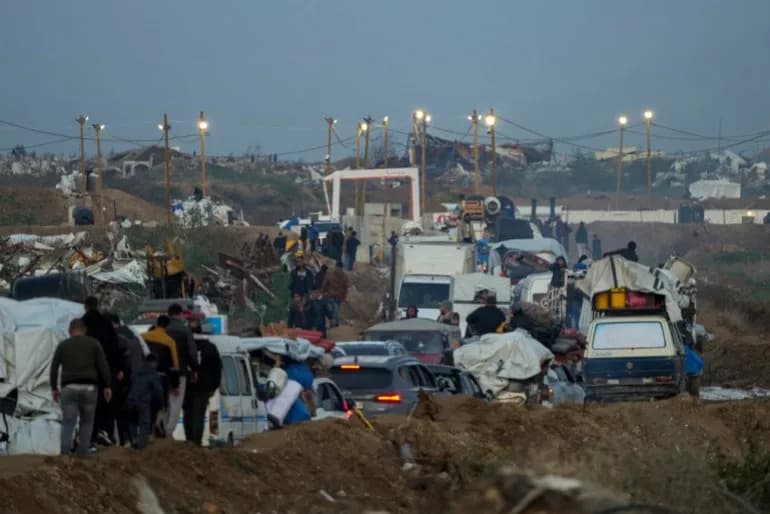
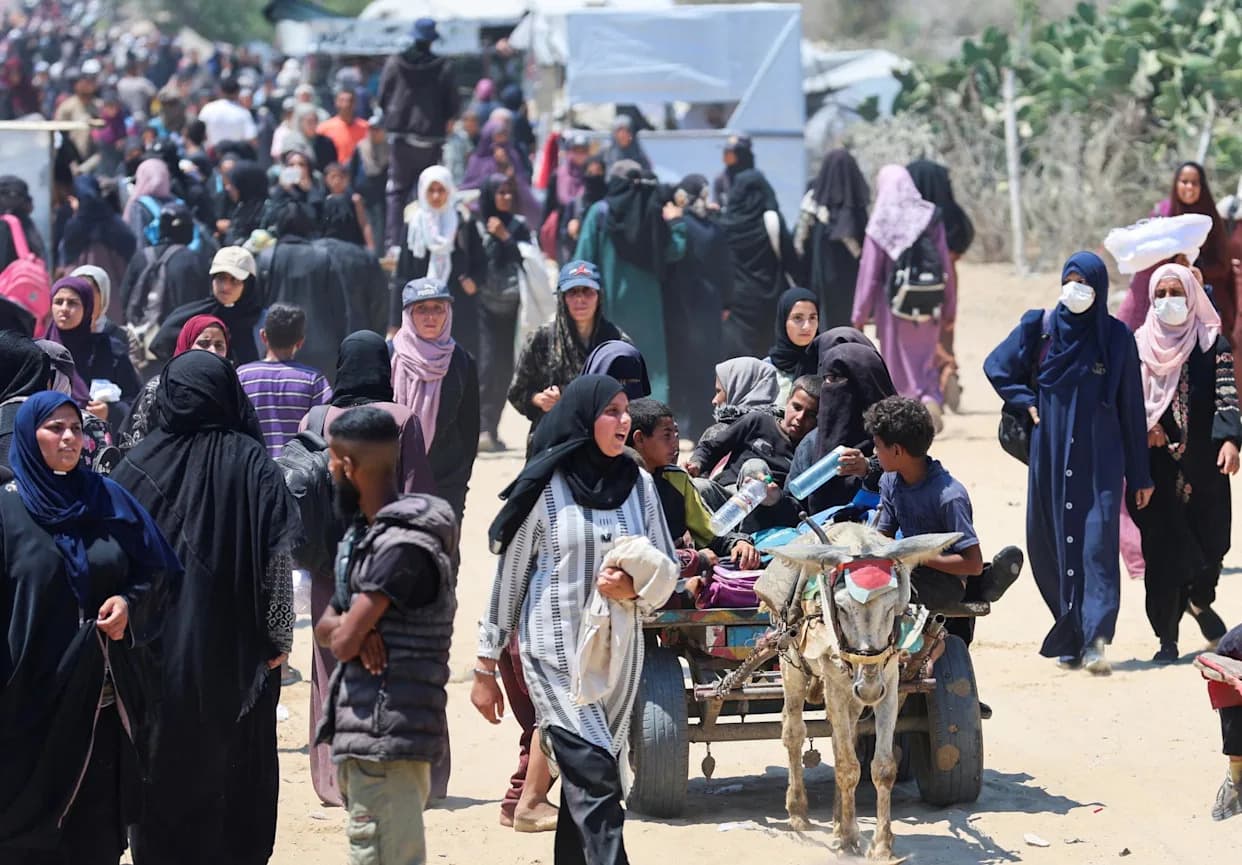
Displaced Palestinians, travelling in vehicles, wait in line to pass through a security checkpoint of the kind where concerns about Corsight’s face recognition software have been raised [Abdel Kareem Hana/AP]
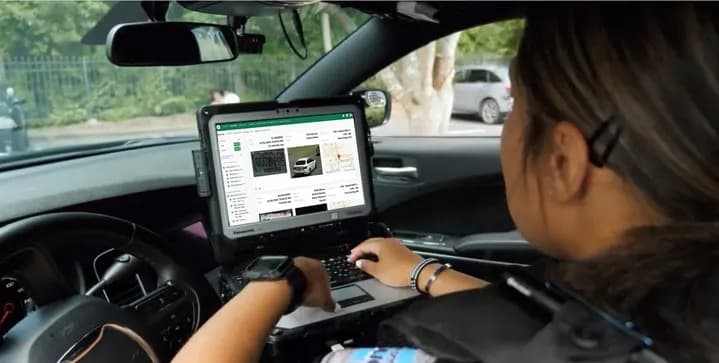
The UK government has confirmed a major expansion of live facial-recognition policing, contracting software that reports indicate has been deployed in Gaza. Home Secretary Shabana Mahmood announced plans to increase the fleet from 10 to more than 50 vans to identify people on police watchlists across the country.
Contracting and Alleged Links to Gaza
Al Jazeera's enquiries with the Home Office procurement body, Blue Light Commercial, indicate that UK firm Digital Barriers has subcontracted Israeli-based Corsight AI to supply the artificial-intelligence facial-recognition software. Digital Barriers said the contract forms part of a programme it described as a £20 million (about $27.6m) roll-out, after being named as one of three suppliers following a six-month trial in Essex.
Concerns Over Accuracy and Human Rights
Concerns about the technology's accuracy and human-rights implications have been raised by civil liberties groups and rights organisations. Reporting by the New York Times in March 2024 said Corsight technology had been used in Gaza by Israel's cyber-intelligence Unit 8200. That reporting and subsequent accounts linked the system to wrongful arrests and the detention of hundreds of Palestinians, prompting some Israeli security officials to voice doubts about the system's reliability.
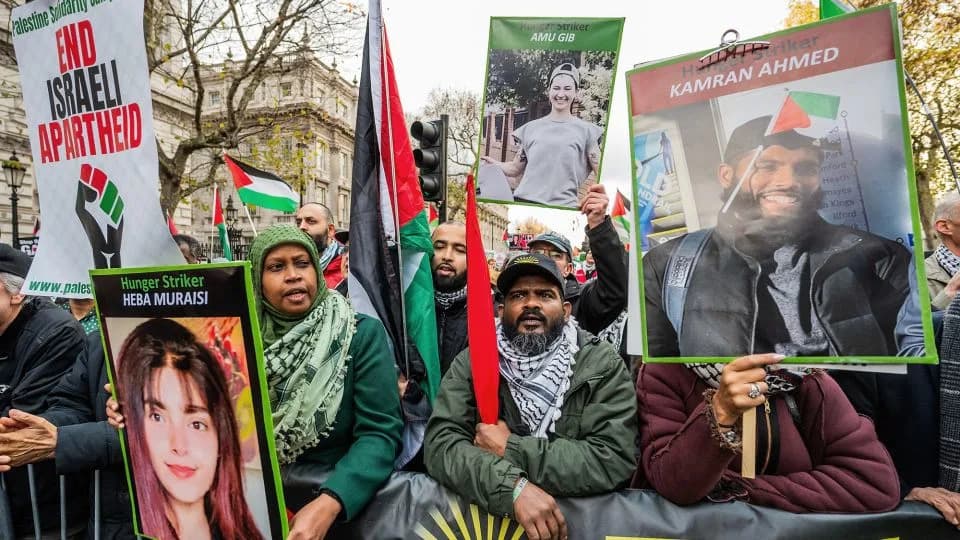
Human-rights groups, including Amnesty International, criticised the UK for proceeding with the partnership. Kristyan Benedict, Amnesty International UK’s Crisis Response Manager, said the government has obligations to help prevent and punish genocide and urged restrictions on investments in companies involved in weapons production, surveillance and policing technologies.

Corsight’s website listing its board of directors, among them Israeli intelligence officer Igal Raichelgauz, along with former Shin Bet officer Yaron Ashkenazi, as well as former Major-General Giora Eiland, thought to be responsible for the so-called ‘General’s Plan,’ or siege of Northern Gaza [Screengrab]
Political Context and Accountability Questions
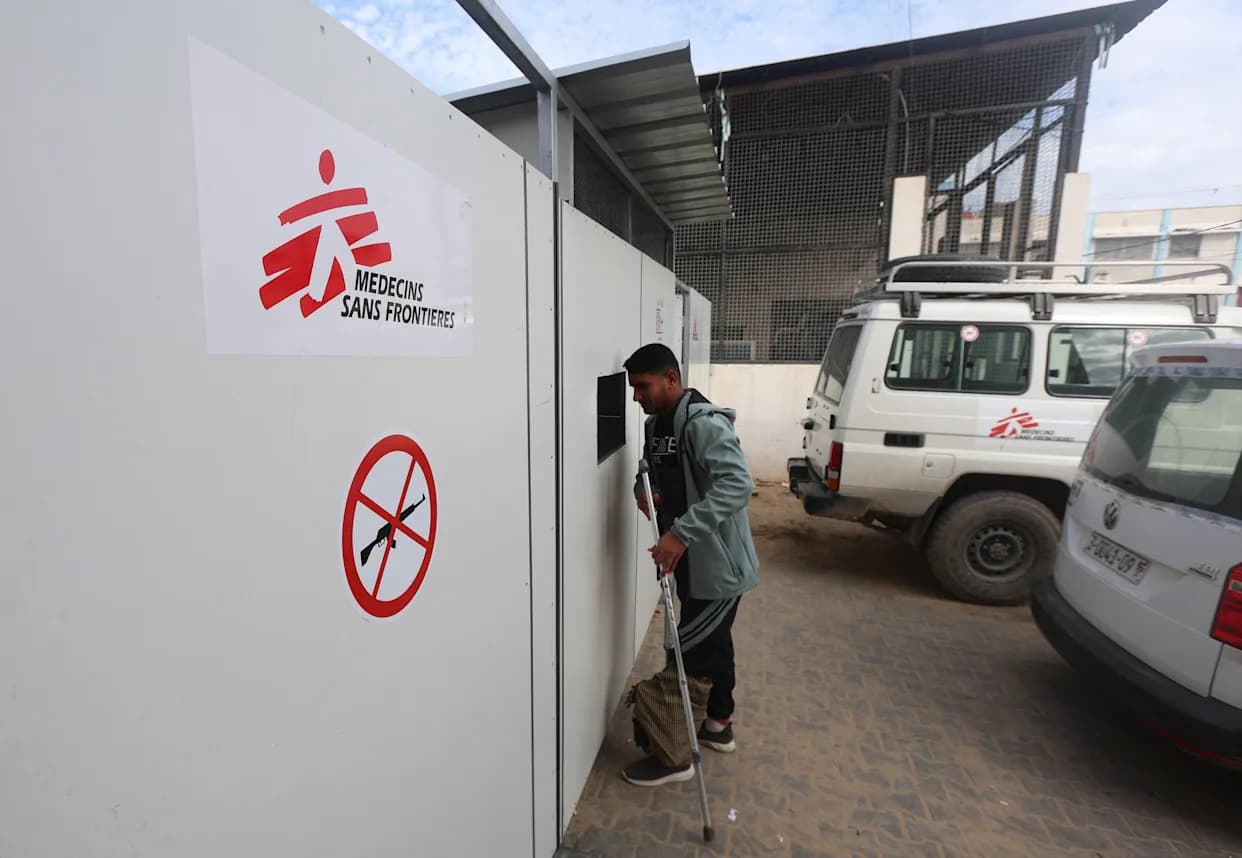
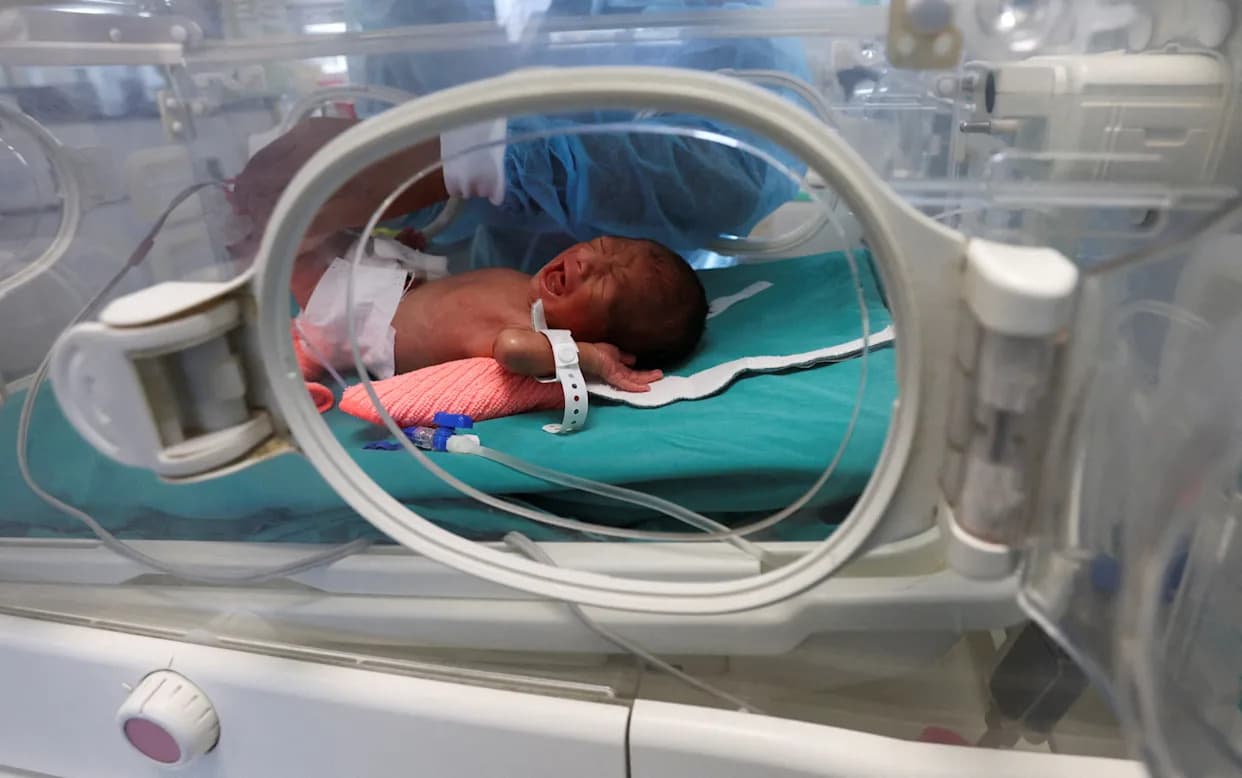
The decision comes against a backdrop of international criticism of Israel's conduct in Gaza. Reports about a so-called "General's Plan" to isolate northern Gaza in October 2024, associated in media accounts with retired Major-General Giora Eiland, described severe restrictions that rights groups say caused widespread suffering and damaged health infrastructure. The UK publicly criticised some Israeli actions at the United Nations and former Foreign Secretary David Lammy described conditions in northern Gaza as "dire."
Campaigners have also sought transparency from UK police. An Action on Armed Violence (AOAV) Freedom of Information request asking whether Essex Police met directly with Corsight representatives was refused on cost grounds, AOAV said. Al Jazeera has written to the Home Secretary asking what due diligence was carried out in selecting suppliers but has not received a response. A Home Office spokesperson told Al Jazeera it would not comment on "operational matters," and repeated approaches to Corsight and Digital Barriers went unanswered.
What This Means for UK Policing
Police supporters argue that live facial-recognition vans can help identify suspects and improve public safety. Critics warn of the risks to civil liberties, misidentification, and the potential normalisation of intrusive surveillance. Questions remain about accuracy, independent oversight, and safeguards to prevent misuse.
“The government must ensure robust safeguards, transparency and independent scrutiny before expanding intrusive technology into everyday policing,” said a civil liberties advocate.
As the roll-out proceeds, Parliament, oversight bodies and rights groups are likely to press for clearer information on procurement processes, technical performance, and the safeguards that will govern the system’s use in the UK.
Help us improve.