Refugees and exiles in contact with people inside Iran say calls for U.S. intervention have intensified as deaths rise amid a brutal crackdown. Photographer Shaghayegh Moradiannejad and other sources report door‑to‑door raids, arrests aided by facial recognition, and fear that the regime is carrying out killings. President Trump has signaled naval movement toward Iran and warned the regime; U.S. officials say they are monitoring the situation and keeping all options on the table. Human rights groups report at least 6,000 fatalities, while some sources cited to NewsNation suggest the toll may be significantly higher, though independent verification is limited.
Refugees Urge U.S. Intervention as Iran Crackdown Intensifies and Death Toll Rises
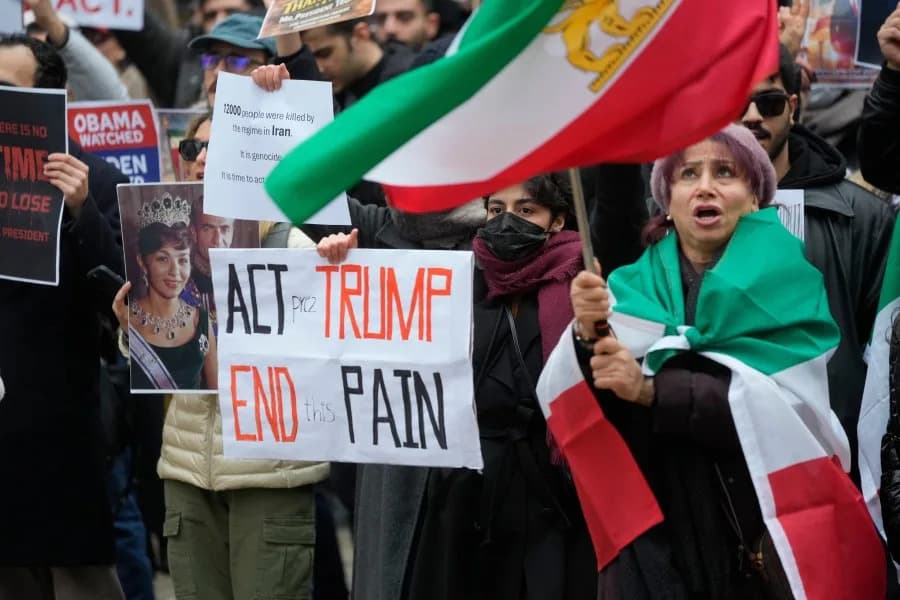
Iran protesters can’t topple regime with ‘bare hands’: refugees call for US intervention
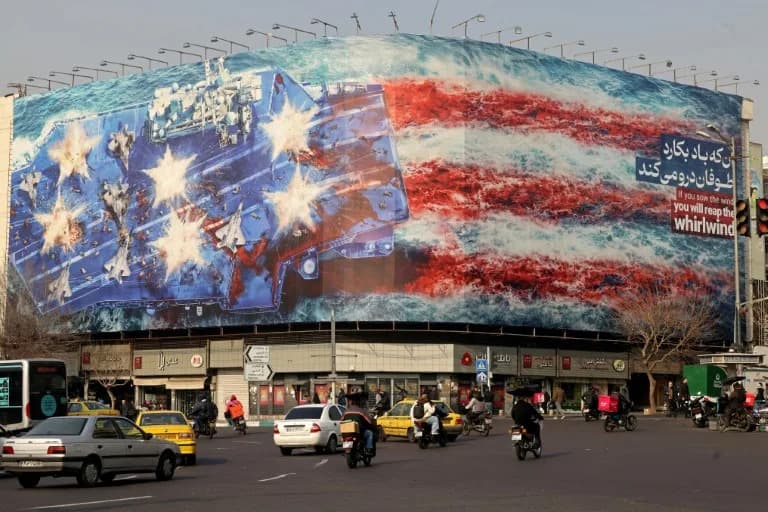
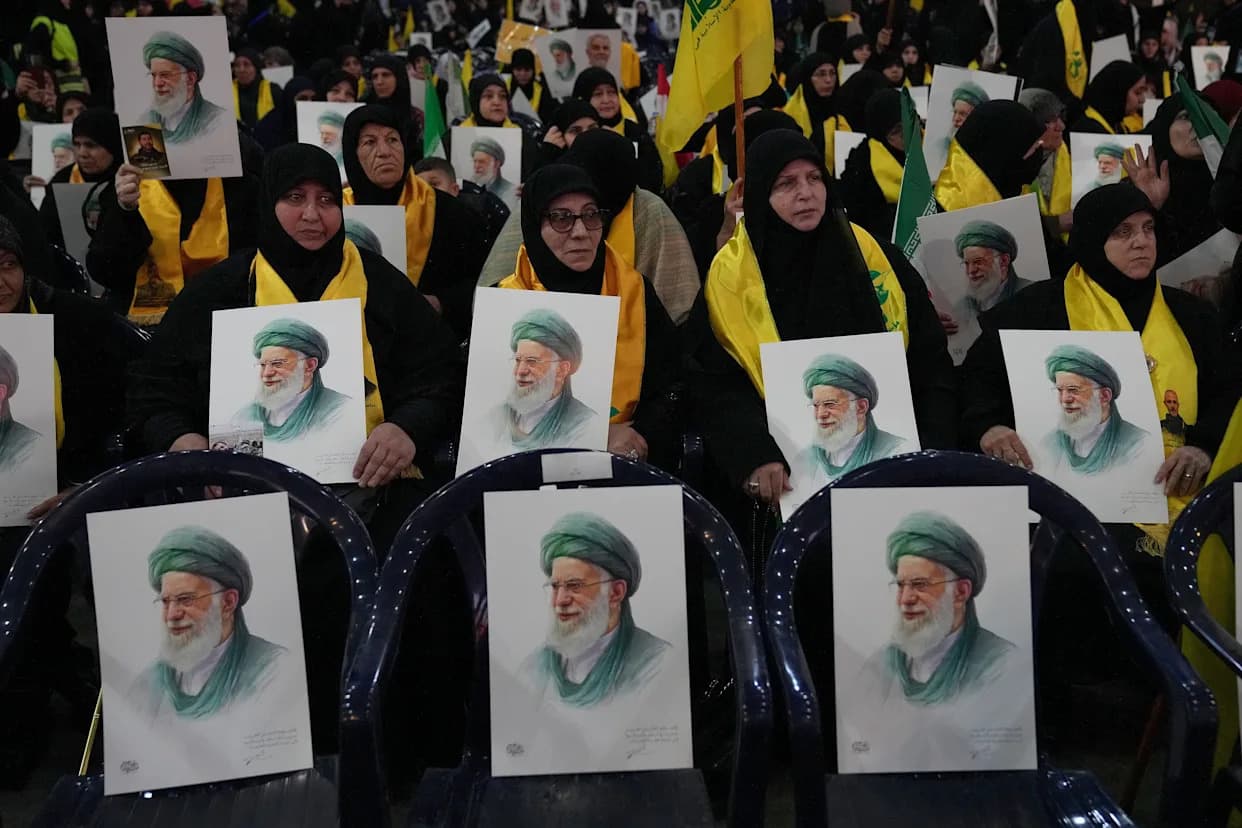
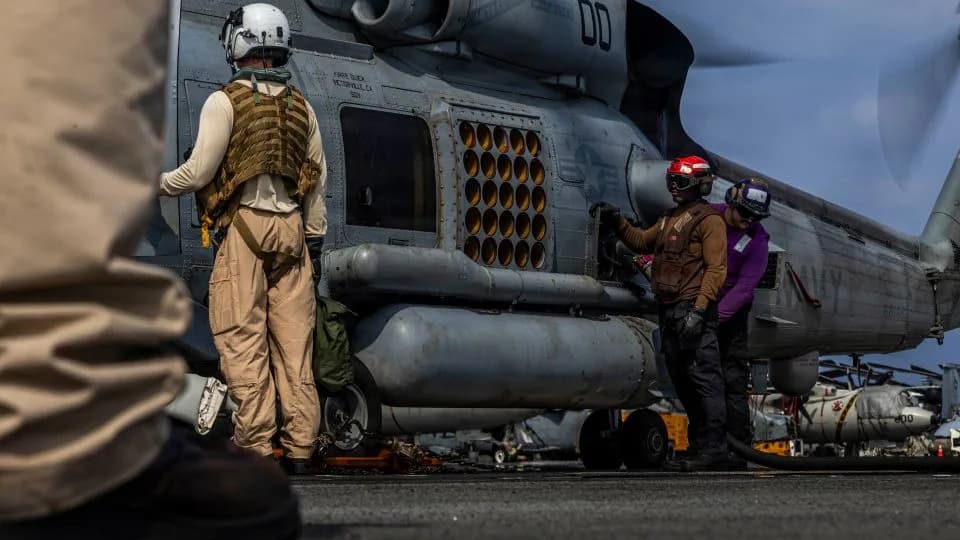
As the United States moves a naval armada toward Iran, refugees and exiles who remain in close contact with people inside the country say Iranians are urgently calling for outside intervention while casualties continue to rise.
Voices From Abroad
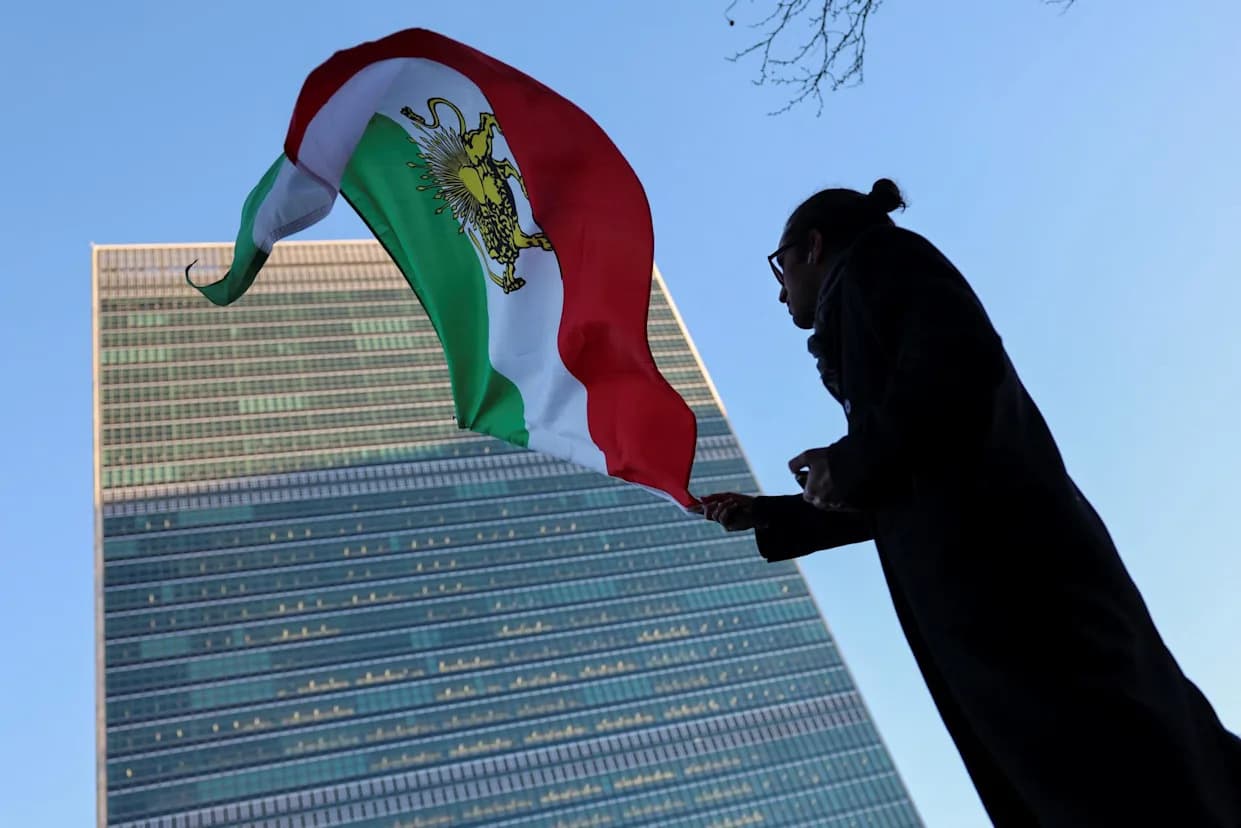
Shaghayegh Moradiannejad, an Iranian photographer who left Iran five years ago for her family’s safety, told NewsNation that those she speaks with inside the country are frustrated and fearful that the U.S. has not acted.
“Every additional minute that the Islamic Republic remains in power means more Iranian lives are lost. The people of Iran cannot overthrow the regime with their bare hands. The regime kills without fear. It is not afraid of killing, nor of the international reflection or consequences of those killings,” Moradiannejad said.
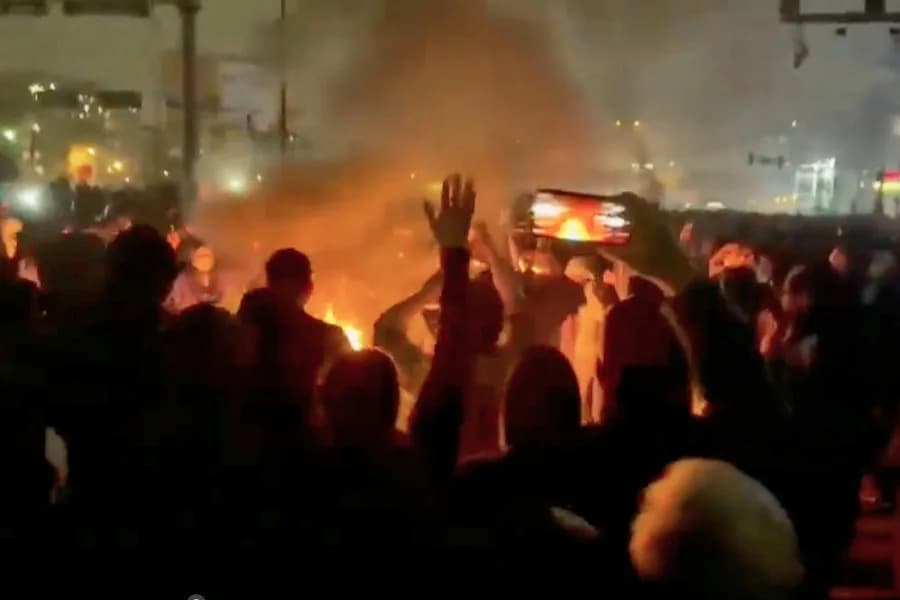
One contact inside Iran told Moradiannejad: “The entire time we were in the streets, our eyes were on the sky. Why hasn’t help arrived yet?”
U.S. Response And Warnings
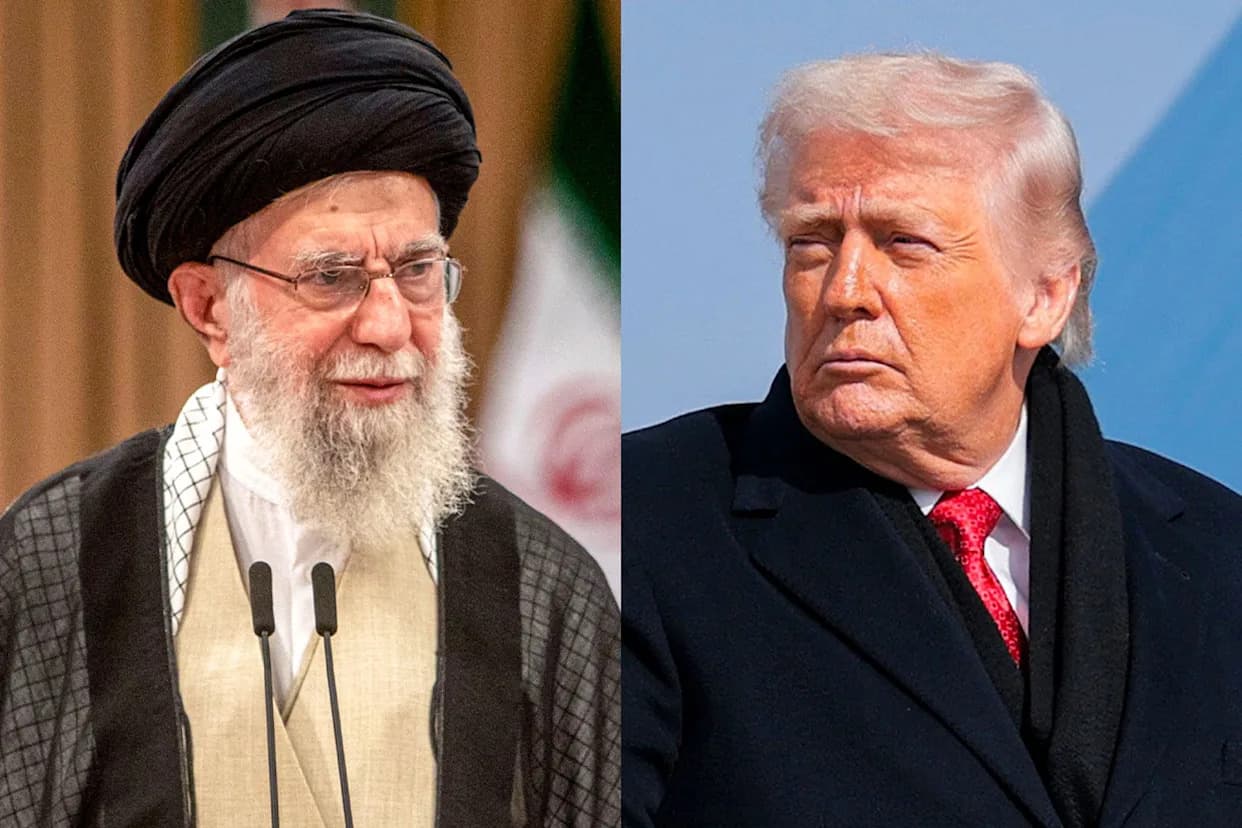
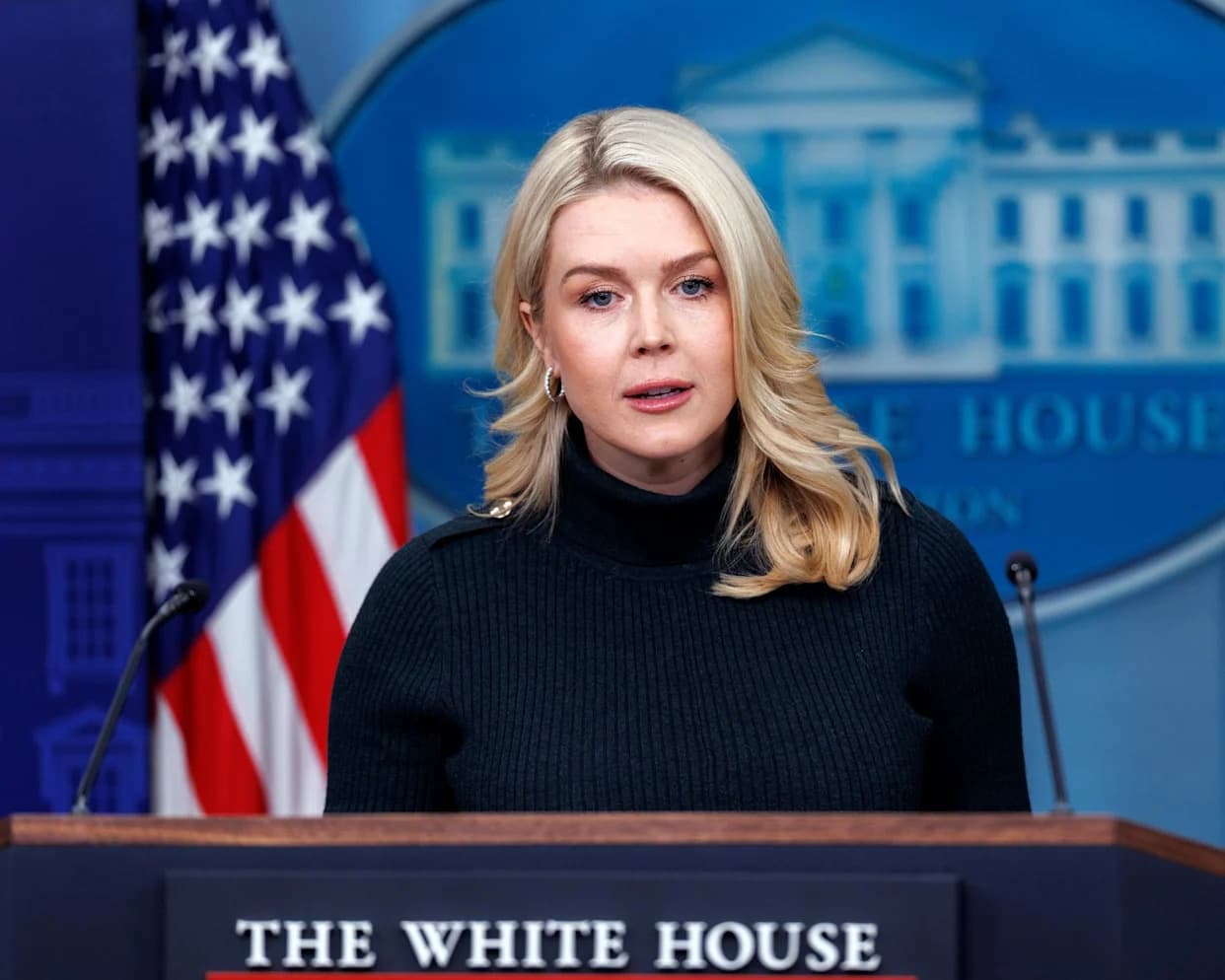
President Donald Trump posted on Truth Social that “A massive Armada is heading to Iran,” adding, “Time is running out, it is truly of the essence! As I told Iran once before, MAKE A DEAL!” A White House official told NewsNation the president is “watching the situation in Iran very seriously” and that “all options are on the table if the regime executes protestors.” The White House also credited prior presidential warnings with delaying some scheduled executions, calling that development positive.
Retired Lt. Col. Mike Nelson, a U.S. Central Command veteran, told NewsNation that the president’s public messaging appears aimed as much at preserving political face as at directly protecting Iranian civilians. Nelson warned any future strike could be framed around geopolitics or the nuclear program rather than solely to save protesters on the ground.
Reports From Inside Iran
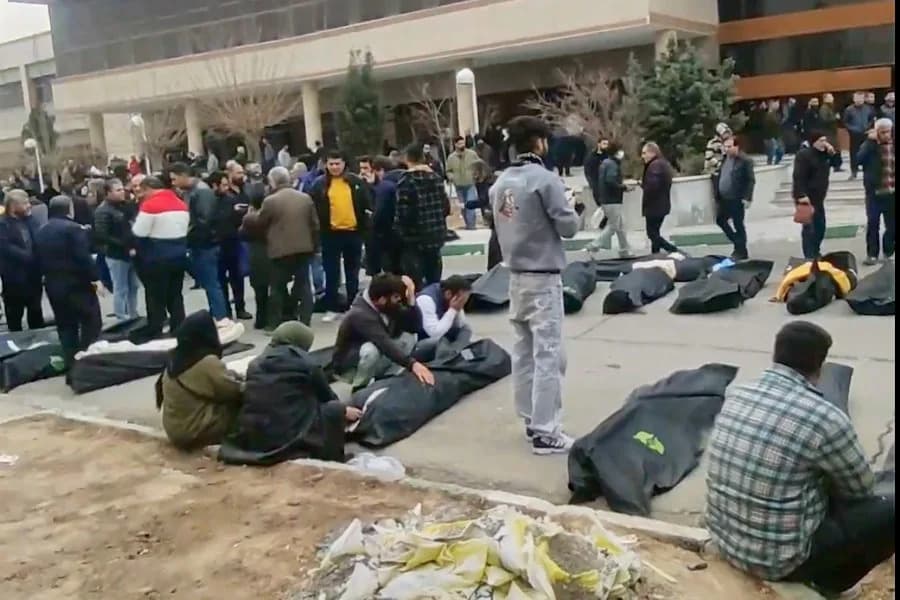
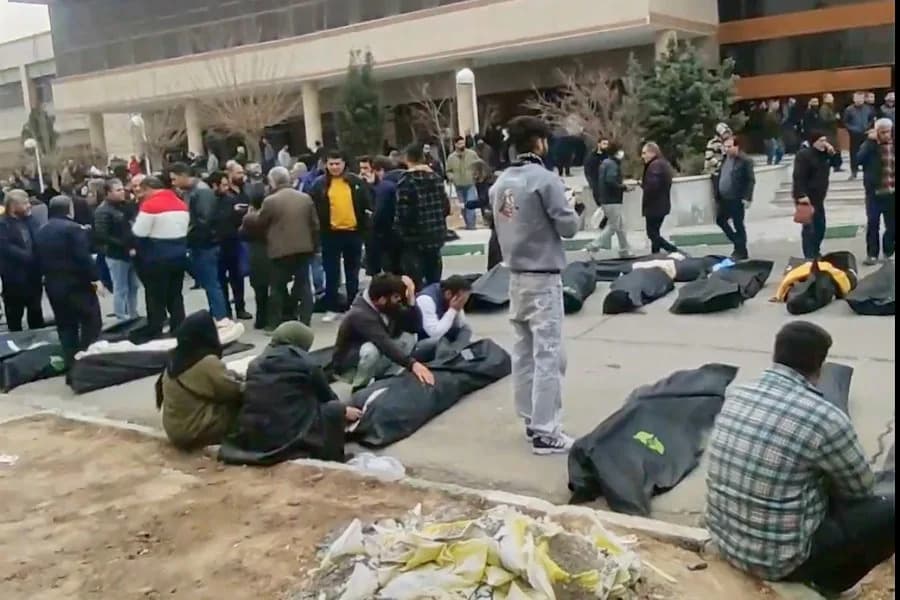
NewsNation and anonymous refugees report that Iranian security forces are conducting door-to-door raids to detain demonstrators and medical personnel who treated the wounded. Sources say some operations have involved mass killings followed by large-scale arrests using facial-recognition technology.
“Anyone whose face was identified through face recognition devices from the protests are also being arrested,” an anonymous refugee source said.
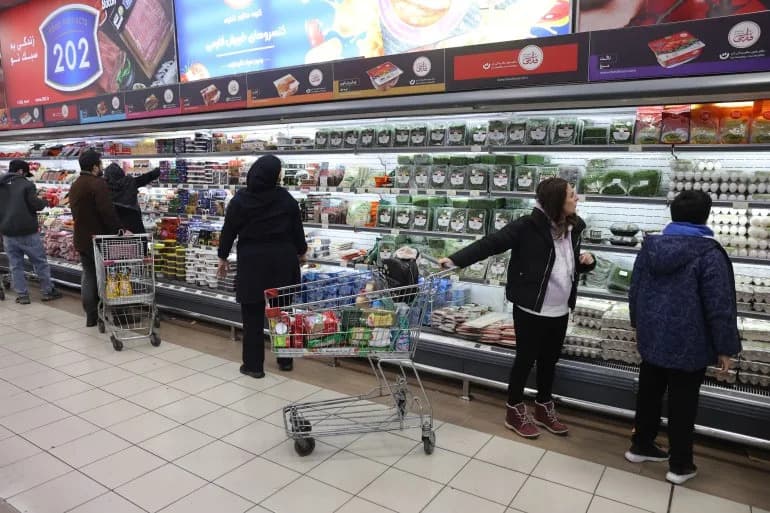
Refugees who remain in contact with friends inside Iran say those contacts fear retaliation if the United States strikes — including the possibility that the regime could target civilian sites and then blame outside forces. Families are reportedly keeping children home from school amid these fears even though many schools remain open.
Casualty Figures And Verification
The U.S.-based Human Rights Activists News Agency has reported more than 6,000 people killed in Iran’s crackdown and cautioned that its count should be seen as a minimum. Other sources who spoke with NewsNation say the toll could be much higher — claims that have not been independently verified and may reflect widely differing methodology and access to information.
Refugees and exiles say they continue to receive bleak reports from contacts inside Iran and that the urgency for international action is growing as the regime’s campaign of arrests and executions continues.
Note: Casualty and arrest numbers cited in this article are reported by human rights groups and anonymous sources; independent verification remains difficult due to restricted access and ongoing reprisals inside Iran.
Help us improve.