Four Arkansas women, represented by Amplify Legal, have sued to overturn the state’s near‑total abortion ban after alleging they were denied care in cases of miscarriage, fetal nonviability and sexual assault. The complaint argues the laws are vague, dangerous and violate state constitutional protections for life, liberty and equality. Plaintiffs describe being forced to travel out of state, facing financial hardship and fearing criminal exposure; one woman delivered a baby who died shortly after birth. The suit seeks to invalidate the statutes and to clarify emergency exceptions for medical care.
Four Arkansas Women Sue To Overturn Near‑Total Abortion Ban After Being Denied Care
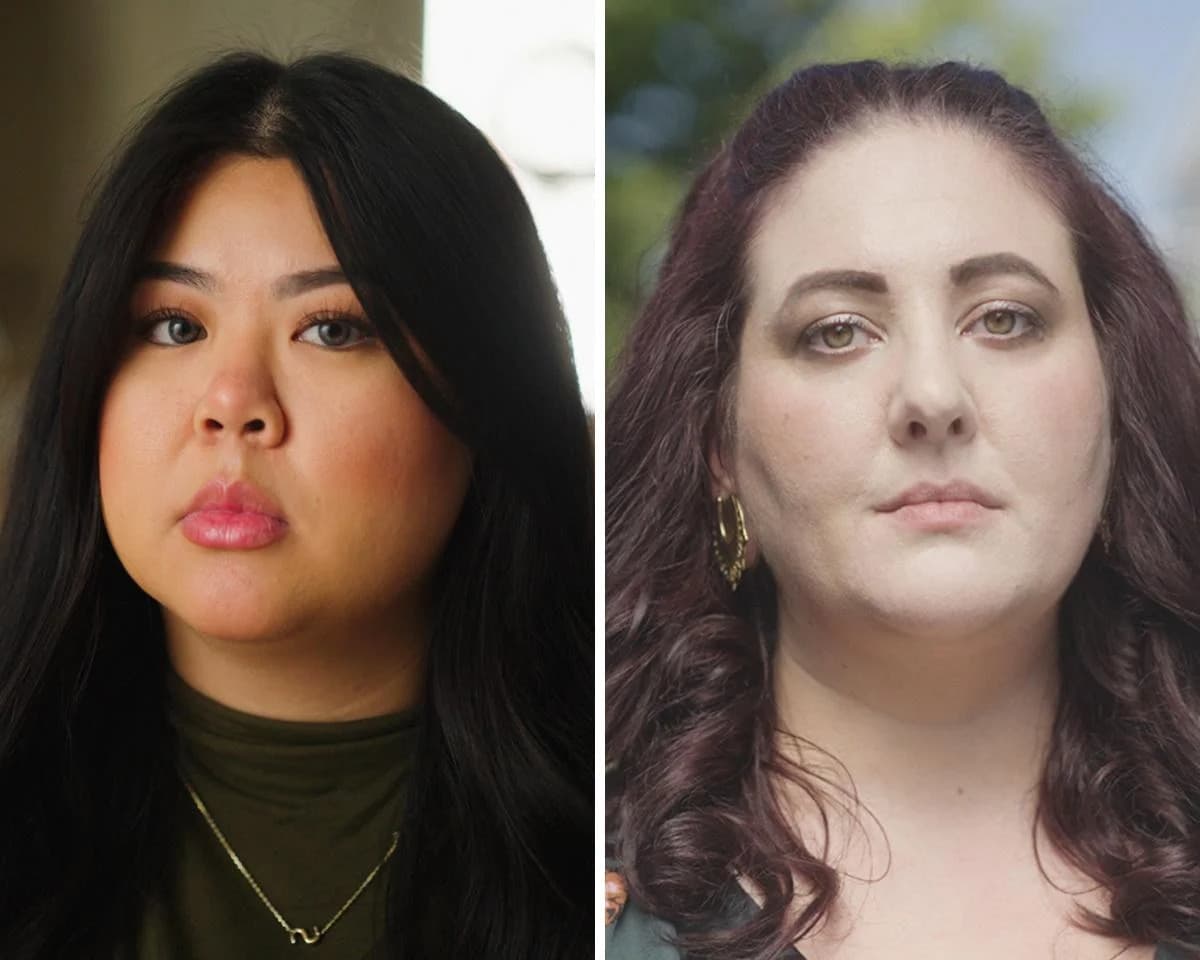
Theresa, left, and Chelsea, right, are suing the state of Arkansas over abortion bans.Composite: Hardpin(Composite: Hardpin)
Four Arkansas women have filed a lawsuit seeking to overturn the state's near‑total abortion ban after alleging they were denied medically necessary care in situations including miscarriage, fetal nonviability and sexual assault. The complaint, filed by Amplify Legal, argues the statutes are vague, dangerous and unconstitutional under the Arkansas Constitution.
What the lawsuit says
The suit contends that Arkansas's two nearly identical abortion bans create dangerous ambiguity for clinicians and patients, depriving Arkansans of timely emergency care and infringing rights to equality, life, liberty and the pursuit of happiness. It alleges the laws are so vague that physicians cannot reliably determine when the exceptions for life‑threatening emergencies apply.
Plaintiffs' accounts
Emily Waldorf
In 2024, Emily Waldorf — a 40‑year‑old physical therapist — says she experienced a miscarriage but hospital staff would not induce labor because the fetus still had a heartbeat. Facing the risk of a life‑threatening infection, Waldorf says she was told Arkansas law blocked doctors from taking steps to end the pregnancy. Her sister called Governor Sarah Huckabee Sanders's office for help; the lawsuit quotes a male official saying, 'What do you expect the governor to do?' and advising Waldorf to 'find a lawyer.'
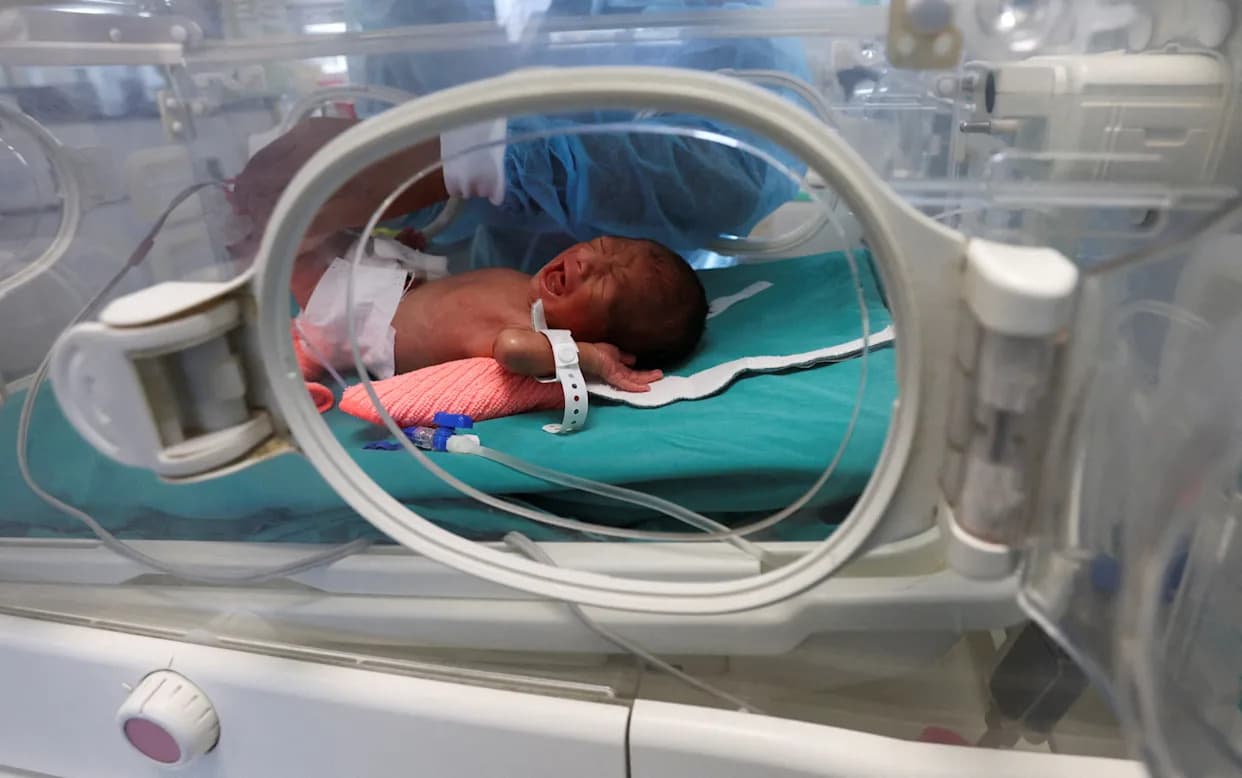
Hospital officials ultimately arranged ambulance transport to a Kansas facility where physicians induced labor at about 17 weeks. Waldorf delivered a baby who died shortly after birth; she named the child Bee.
Chelsea Stovall
Chelsea Stovall, a 35‑year‑old mother of two, learned in late 2022 that her fetus had a congenital anomaly that made the pregnancy nonviable. According to the complaint, Stovall and her husband emptied their savings to travel to Illinois for care; while at the clinic they were allegedly targeted by an anti‑abortion protester who threw a bloody maxi pad at their car.
Theresa Van
Theresa Van, 30, was told in 2023 that she had insufficient amniotic fluid for the fetus to develop. Because a fetal heartbeat remained, doctors in Arkansas declined to provide an abortion. She carried the pregnancy for weeks, reporting growing risks to her health, until the fetal heartbeat ceased and she delivered a stillborn daughter. The lawsuit says Van feared criminal exposure if she tried to travel for care and could not afford out‑of‑state treatment.
Allison Howland
Allison Howland alleges she became pregnant after a 2024 sexual assault in a hotel. Rather than immediately traveling for an abortion, she delayed to preserve possible DNA evidence. The complaint says police declined to pursue the case aggressively — one detective allegedly said the alleged assailant 'seemed like a really nice guy' — and told Howland not to bother preserving pregnancy tissue as evidence. Howland is quoted as saying, 'I do not want to keep the product of this assault. I was violated and put into extreme danger and living in a state like Arkansas — I was royally fucked.'
Legal and national context
The lawsuit is the first filed by Amplify Legal, the litigation arm of Abortion in America, an advocacy group co‑founded by the late Cecile Richards. Since the U.S. Supreme Court overturned Roe v. Wade in 2022, dozens of patients nationwide have reported being denied emergency or medically necessary abortions; many have joined suits seeking clearer statutory exceptions so clinicians can provide timely care without fear of criminal or civil liability.
In its filing, Amplify Legal asks a state court to strike down Arkansas's bans as unconstitutional under the state constitution and to clarify that emergency exceptions permit life‑saving and medically necessary obstetric care.
State response
Sam Dubke, director of communications for Governor Sanders's office, responded by email that 'Arkansas was named the most pro‑life state in the country for the sixth year in a row' and that the governor 'looks forward to defending Arkansas's pro‑life laws in court,' citing investments in foster care, adoption, maternal health and child wellbeing.
Why the case matters
The complaint argues these statutes not only limit reproductive autonomy but also endanger lives, fertility and economic security by forcing some people to travel out of state or carry nonviable pregnancies to term.
The outcome of the case could clarify how Arkansas law applies in medical emergencies and influence similar litigation in other states where criminal and civil restrictions on abortion have produced confusion and delays in care.
Help us improve.