Researchers using time-lapse cameras across 37 colonies found Adélie, gentoo and chinstrap penguins are breeding significantly earlier, with gentoos shifting by an average of 13 days and up to 24 days in some colonies. Local colony sites warmed about 0.3°C per year, far above the regional average. Scientists warn these rapid phenological shifts could increase interspecies competition, create predator-prey mismatches during chick rearing, and threaten ecosystem stability, though impacts on breeding success remain uncertain.
Antarctic Penguins Are Breeding Weeks Earlier — Climate Change Could Push Species Into Competition
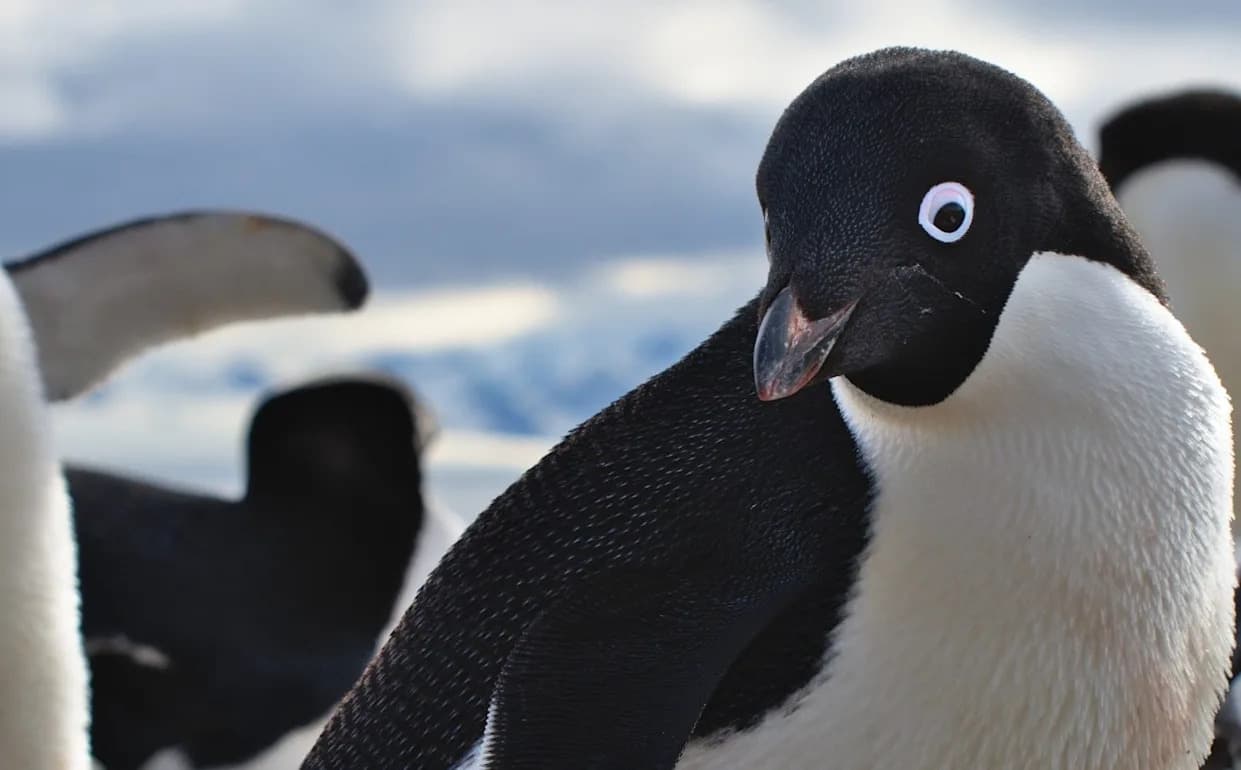
Adélie penguins were breeding around 10 days earlier on average, the study found - Ignacio Juarez Martinez/University of Oxford/Oxford Brookes University/PA
A decade-long study shows Adélie, gentoo and chinstrap penguins on the Antarctic Peninsula and nearby islands are shifting their breeding seasons earlier by about one to three weeks — a change scientists warn could intensify competition for food and destabilise local ecosystems.
Key Findings
Researchers from the University of Oxford and Oxford Brookes University used dozens of time-lapse cameras at 37 colonies to monitor penguin breeding from 2012 to 2022. They found that gentoos advanced their breeding by an average of 13 days (and up to 24 days at some colonies), while Adélie and chinstrap penguins began breeding roughly 10 days earlier on average.
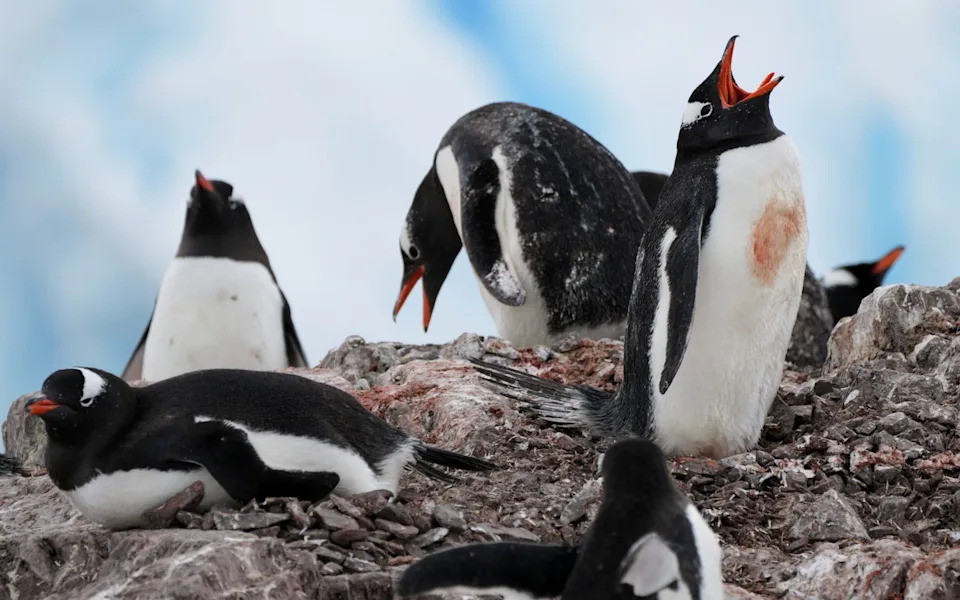
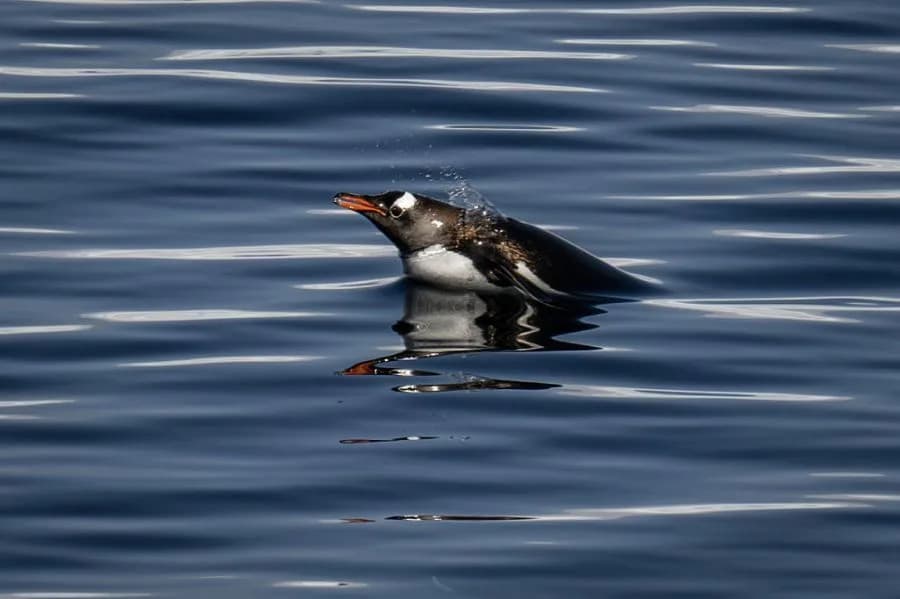
The breeding season of gentoo penguins had shifted by up to 24 days in some Antarctic colonies - Mark Baker/AP
Local Warming and Environmental Drivers
Data recorded at camera sites indicate colony locations warmed by about 0.3°C per year — roughly four times the Antarctic Peninsula’s broader average of 0.07°C per year. Researchers link the phenological shifts to reduced winter sea ice, increased ocean productivity, and rising temperatures.
Methods
The team analysed photographic records and on-site temperature measurements across colonies ranging from a dozen nests to hundreds of thousands. This long-term monitoring allowed them to document consistent, rapid changes in the timing of breeding across multiple species and locations.
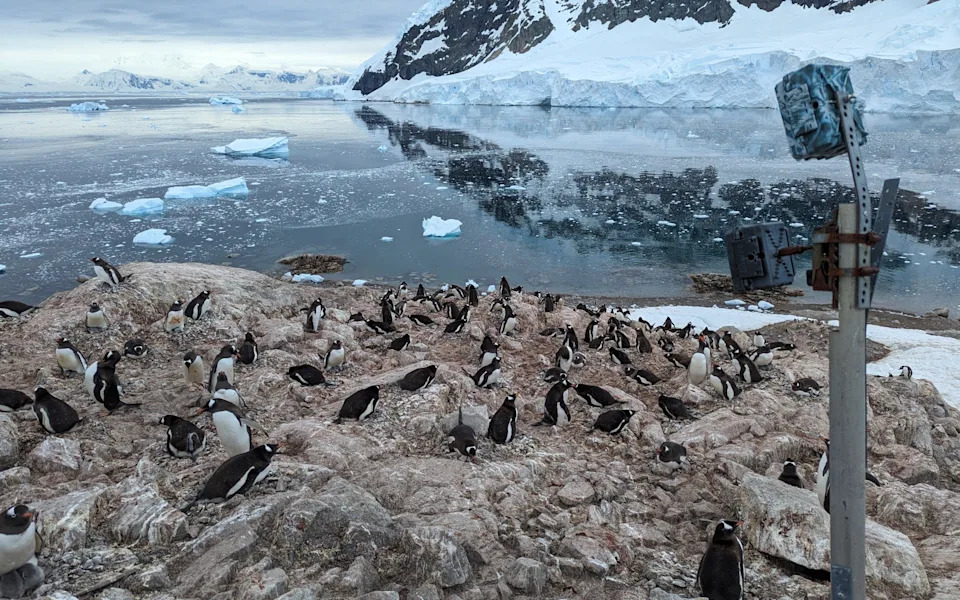
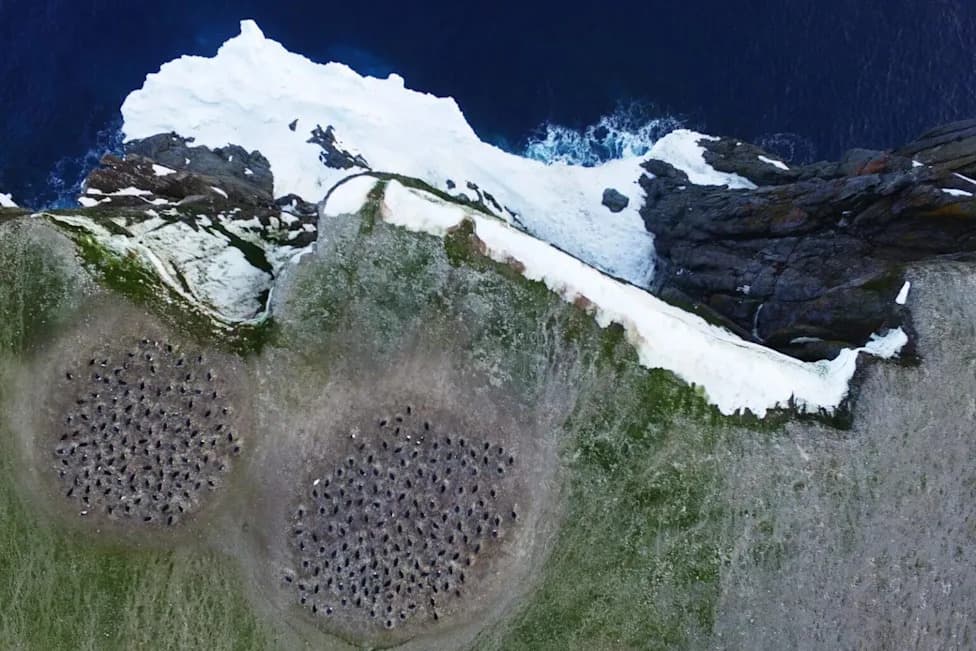
Time-lapse cameras monitored 37 penguin colonies across the Antarctic Peninsula - Ignacio Juarez Martinez/University of Oxford/Oxford Brookes University/PA
Implications
Shifting breeding times can create a mismatch between predators and prey during the critical chick-rearing period, potentially reducing reproductive success. The authors warn that generalist species such as gentoos may benefit from increasingly subpolar conditions, while specialists—the krill-dependent chinstraps and ice-adapted Adélies—could lose out.
Dr Ignacio Juarez Martinez, lead author: "Our results indicate that there will likely be 'winners and losers of climate change' for these penguin species. Penguins play a key role in Antarctic food chains, and losing penguin diversity increases the risk of broad ecosystem collapse."
Dr Fiona Jones, co-author: "As penguins are considered a bellwether of climate change, the results of this study have implications for species across the planet. Further monitoring is needed to understand whether this record advance in breeding seasons is impacting breeding success."
The study was published in the Journal of Animal Ecology and released to coincide with Penguin Awareness Day. While the pace of phenological shift is described as a record for birds—and possibly for vertebrates—the researchers caution that it remains unclear how much further species can shift their breeding or how these changes will affect long-term population trends.
What’s needed next: Continued long-term monitoring, direct measures of breeding success, and studies of food-web dynamics to determine whether earlier breeding will help some species adapt or push others toward decline.
Help us improve.