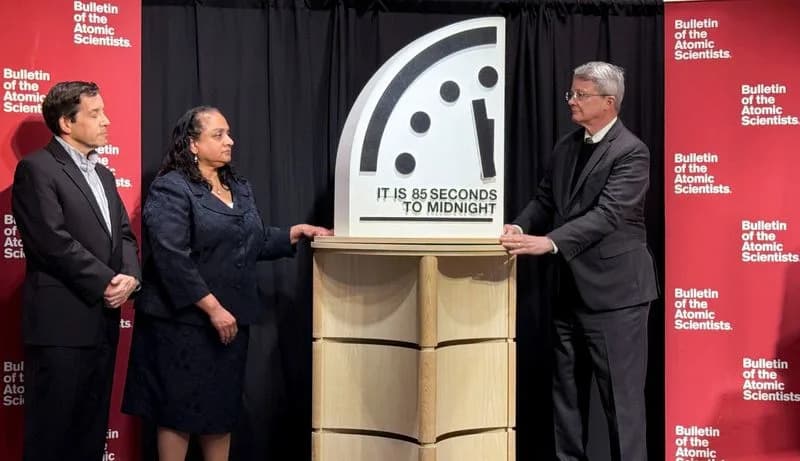
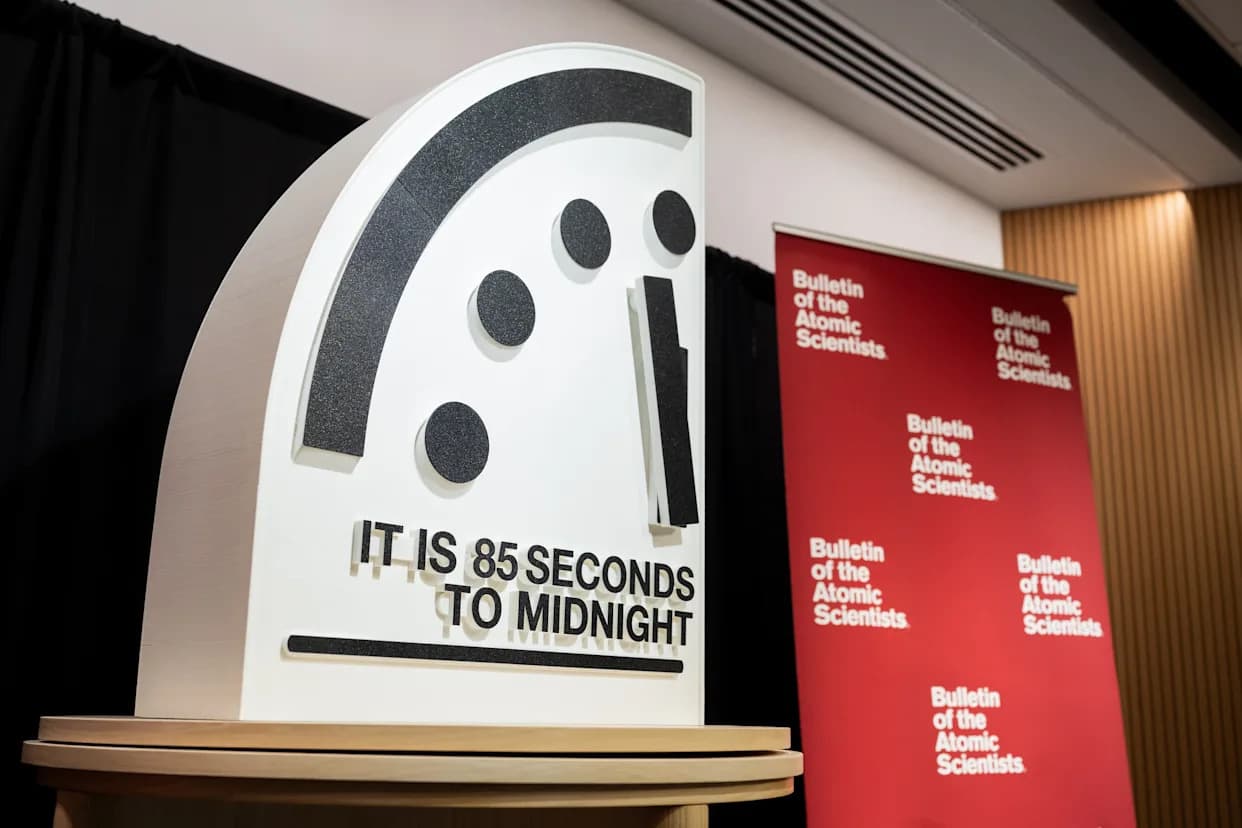
The Bulletin of the Atomic Scientists advanced the Doomsday Clock to 85 seconds to midnight on January 27, the nearest setting in its history. The move reflects growing nuclear tensions, record greenhouse gas emissions and fast-developing risks from AI and biotechnology. The decision, made by the Science and Security Board with input from sponsors including Nobel laureates, warns that leadership failures and declining cooperation are accelerating global risk.
Doomsday Clock Moves to 85 Seconds — Closest Ever as Nuclear, Climate and AI Risks Rise
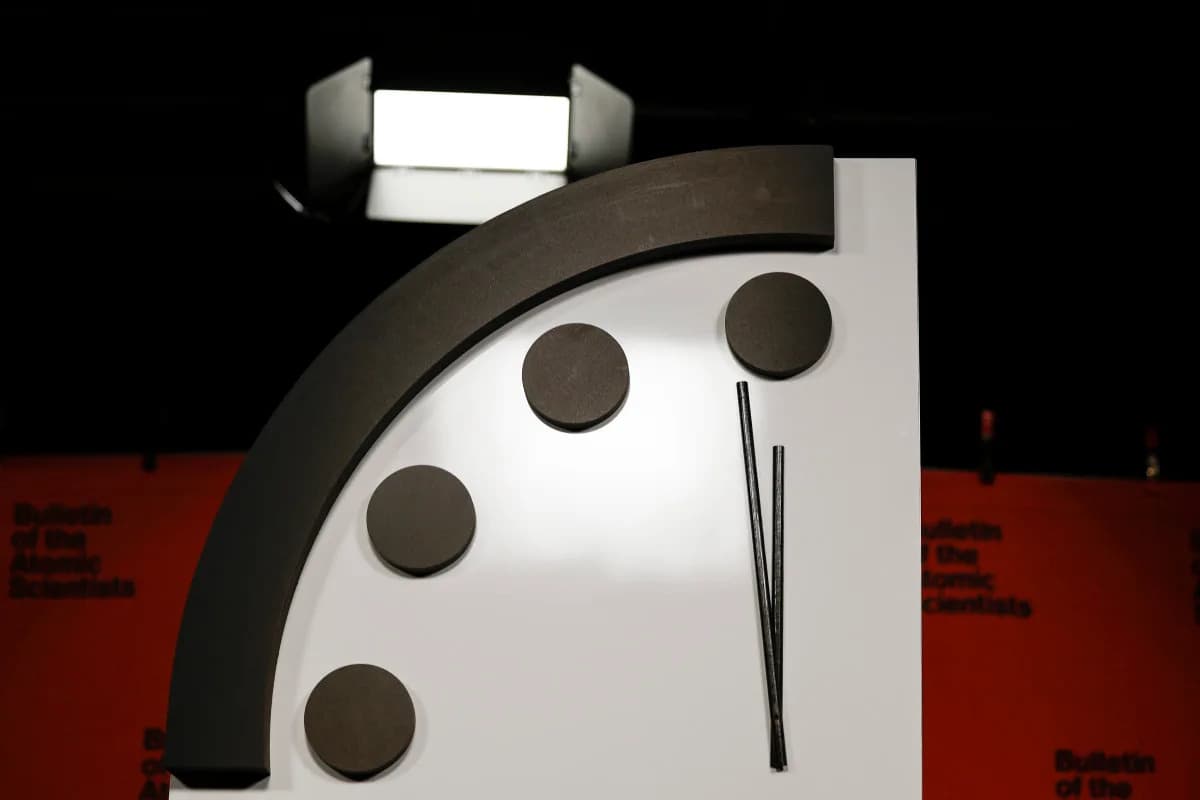
The Bulletin of the Atomic Scientists moved its symbolic Doomsday Clock to 85 seconds to midnight on January 27, marking the closest setting in the clock’s history. The annual measure is a widely recognized gauge of global risk, meant to communicate complex threats in a simple, urgent visual metaphor.
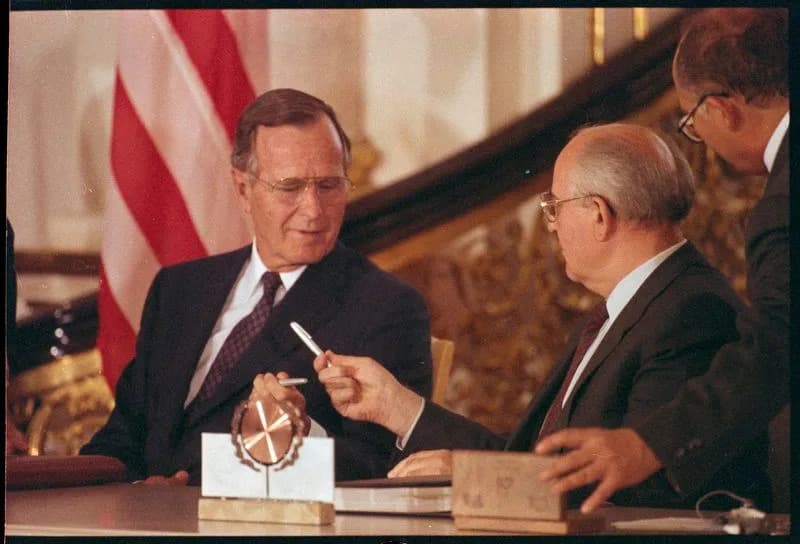
Created in 1947 amid post–World War II tensions, the clock was originally set at 7 minutes to midnight. Since then its dial has shifted with geopolitical events and technological change; the farthest it has ever been from catastrophe was 17 minutes to midnight in 1991 after the end of the Cold War and related nuclear-arms agreements.
Why the Clock Advanced
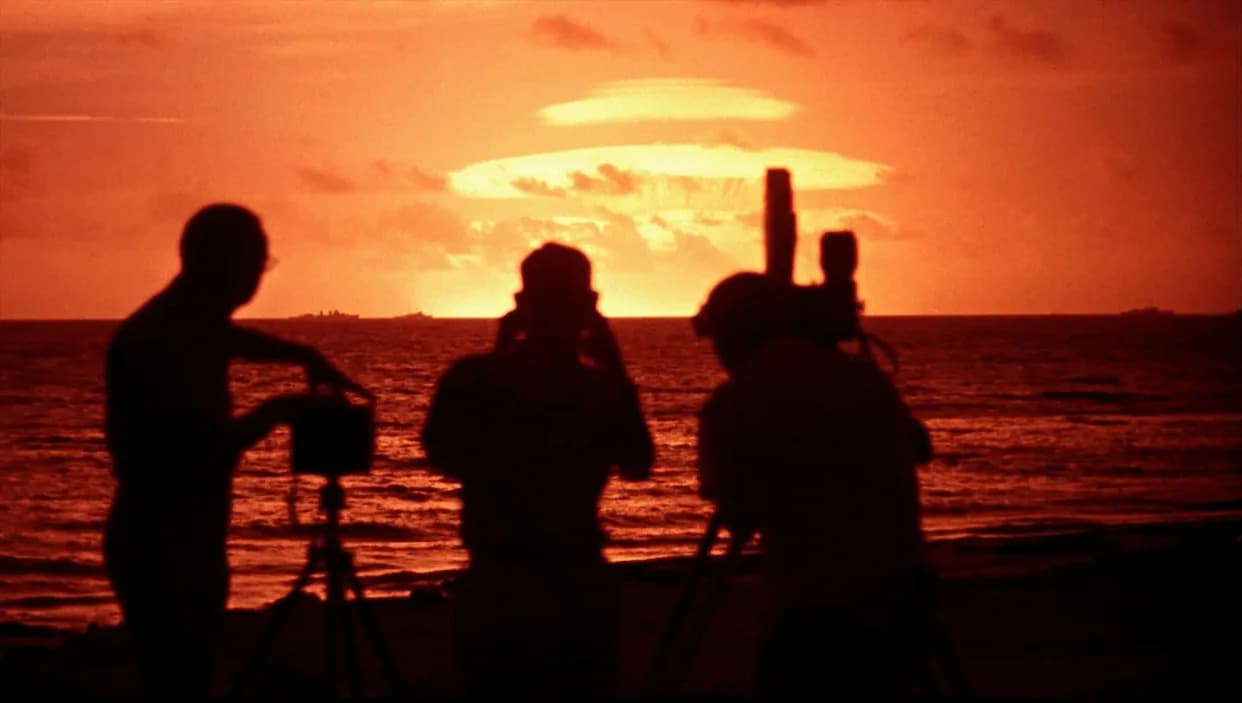
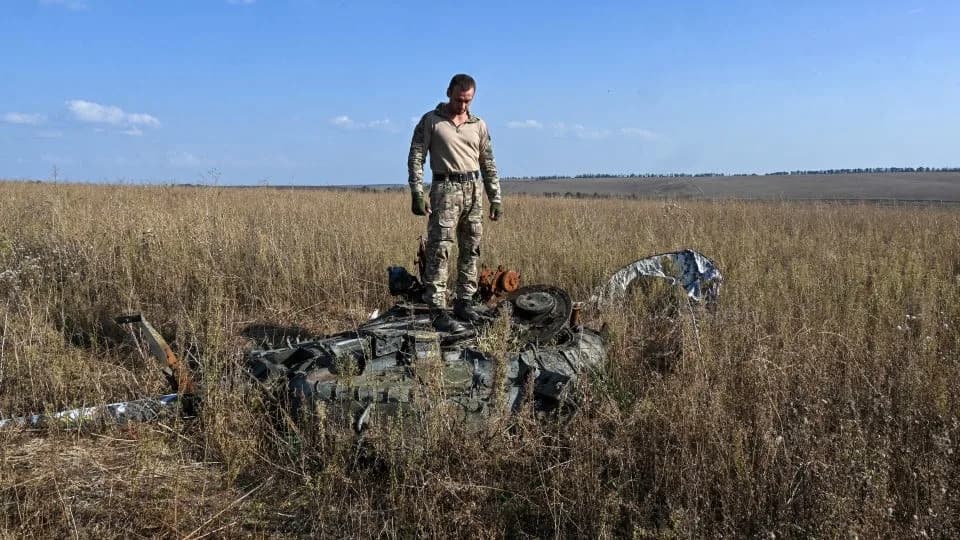
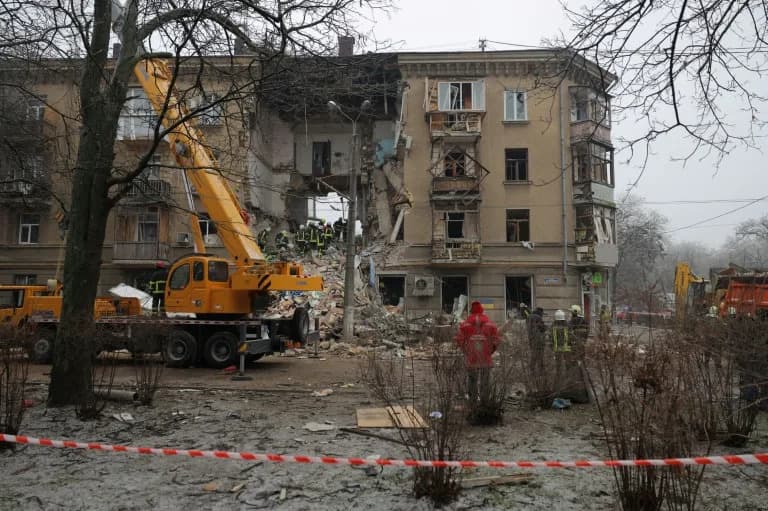
The Bulletin’s Science and Security Board cited three primary drivers for moving the clock: nuclear risk, climate change and disruptive technologies such as advances in artificial intelligence and biotechnology. The group said rising global tensions, record greenhouse gas emissions and new technological capabilities have increased the likelihood of catastrophic outcomes.
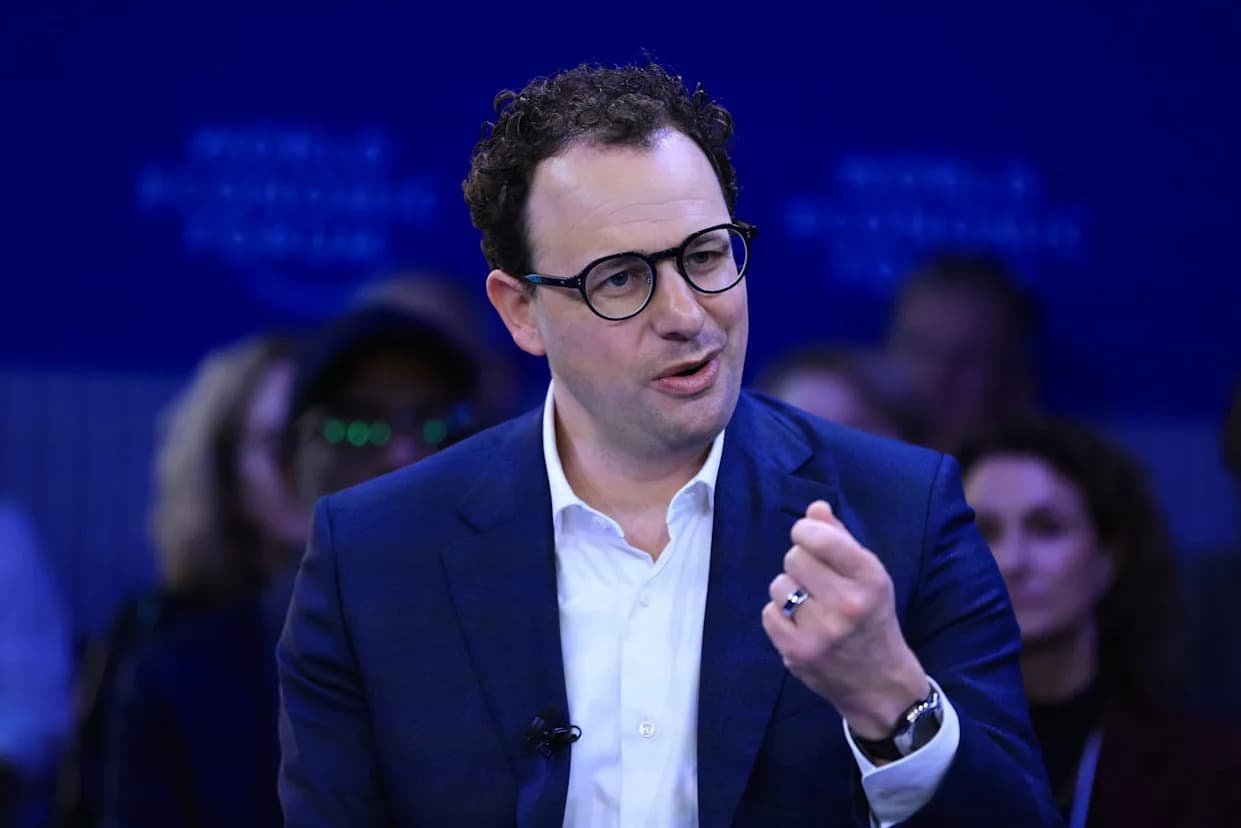
“The Doomsday Clock’s message cannot be clearer. Catastrophic risks are on the rise, cooperation is on the decline, and we are running out of time,” said Alexandra Bell, president and CEO of the Bulletin of the Atomic Scientists.
Specific Concerns Highlighted
- Nuclear tensions and geopolitical friction that erode arms-control norms.
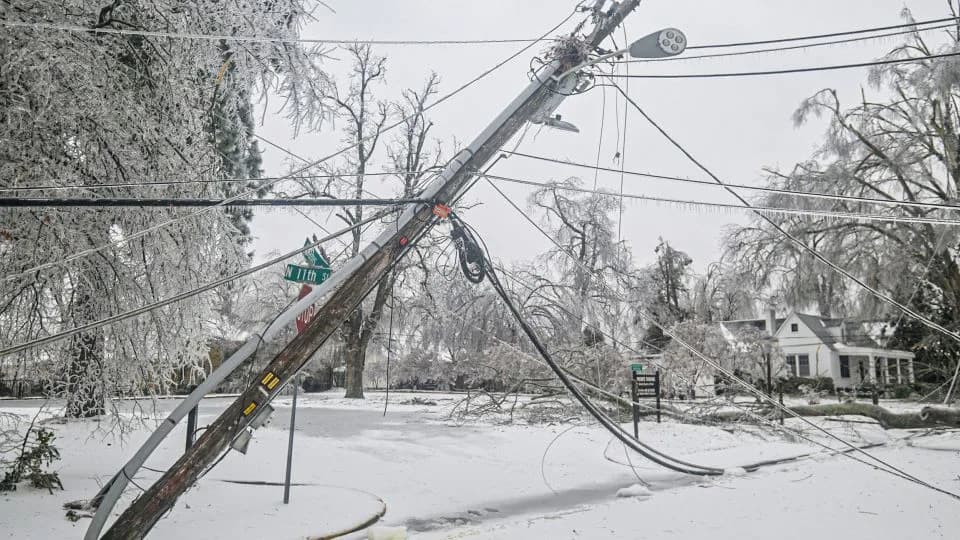
- Record-high greenhouse gas emissions and extreme weather events, including deadly heat waves and intensified flood-and-drought cycles.
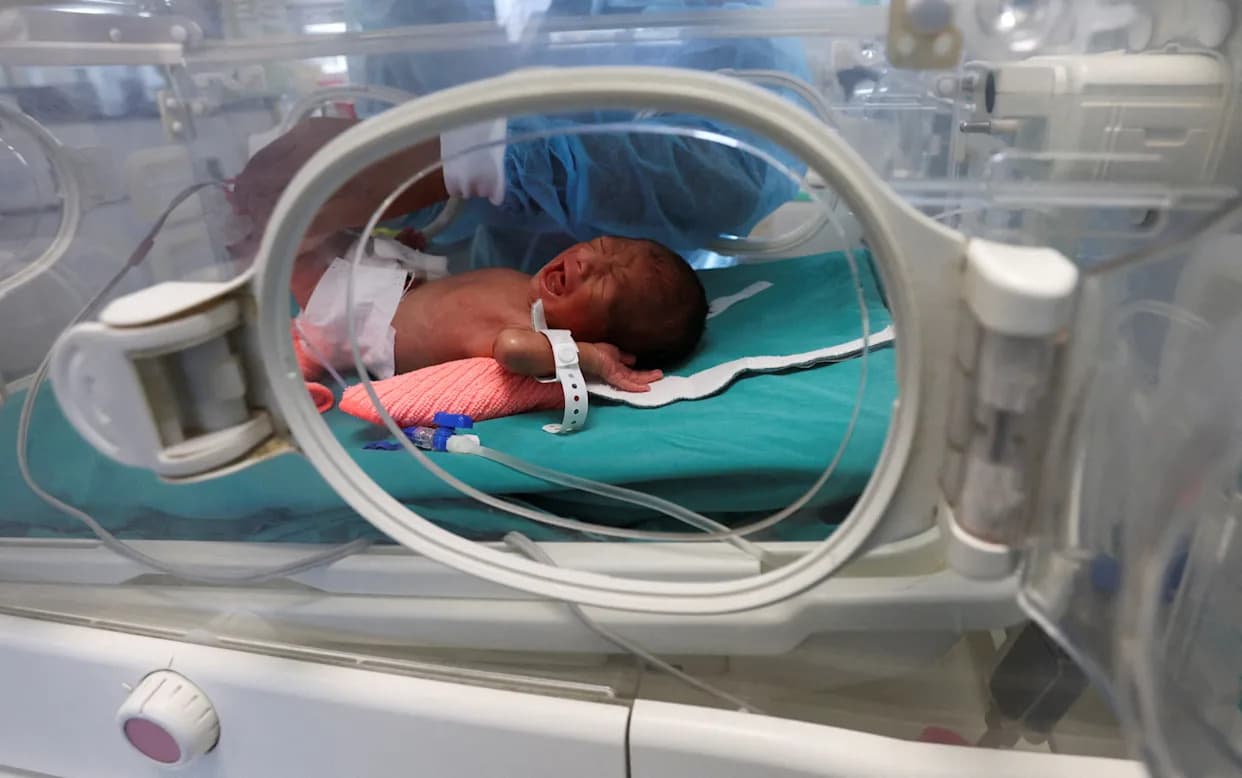
- Emerging technology risks, including AI systems that could design biological threats, the potential for self-replicating biological agents, state-sponsored bioweapons programs, and weakening public-health infrastructure.
The Doomsday Clock setting is decided each year by the Science and Security Board in consultation with the Bulletin’s Board of Sponsors, which includes several Nobel laureates. The Bulletin emphasized that because humans created these risks, coordinated human action can reduce them.
While the clock is a symbolic indicator rather than a predictive tool, its shift to 85 seconds underscores the Bulletin’s view that urgent, cooperative policy responses are needed to address the intersecting threats of the 21st century.
Help us improve.