Summary: The fatal shootings of Renee Good and Alex Pretti in Minneapolis have intensified scrutiny of the Trump administration's immigration enforcement. Video evidence and public polling show widespread concern, and initial official statements inflamed tensions. The White House softened its rhetoric slightly and replaced a senior border official with Tom Homan, whose past remarks suggest aggressive deportation policies may continue. Despite gentler language, major policy shifts appear unlikely without sustained political pressure and oversight.
After Minneapolis Shootings, Is Trump’s Second Term Entering a Darker Phase?
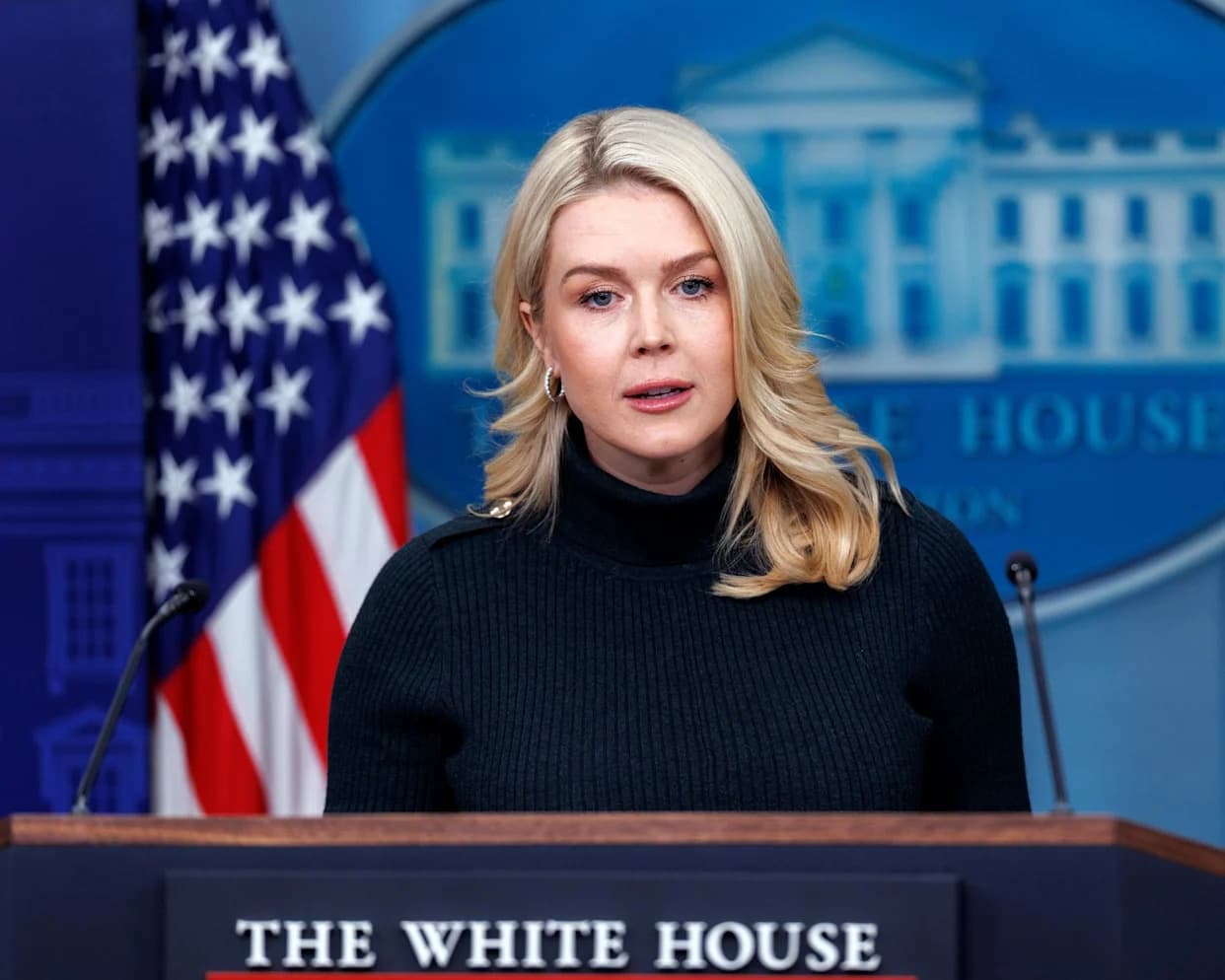
Karoline Leavitt, the White House press secretary, speaks during a press conference at the White House in Washington DC on Monday.Photograph: Will Oliver/EPA(Photograph: Will Oliver/EPA)
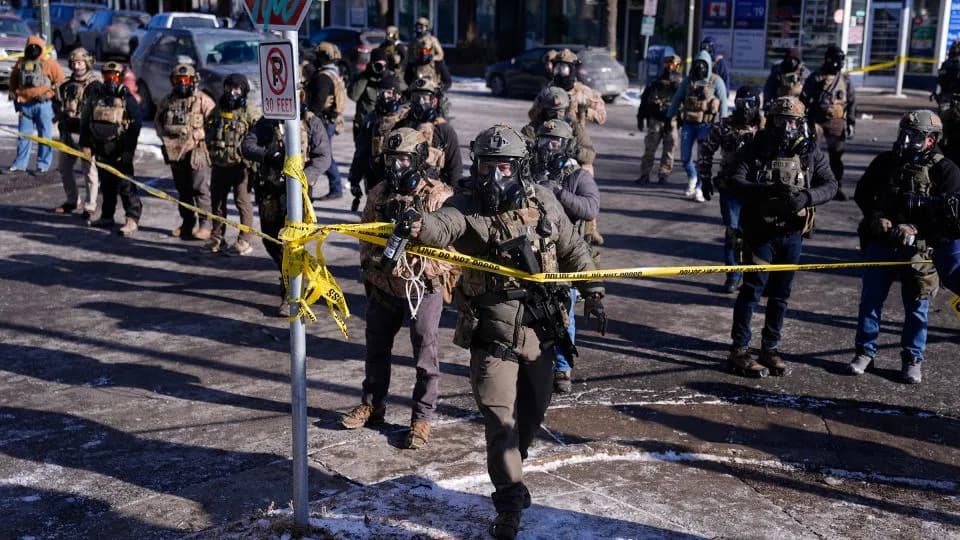
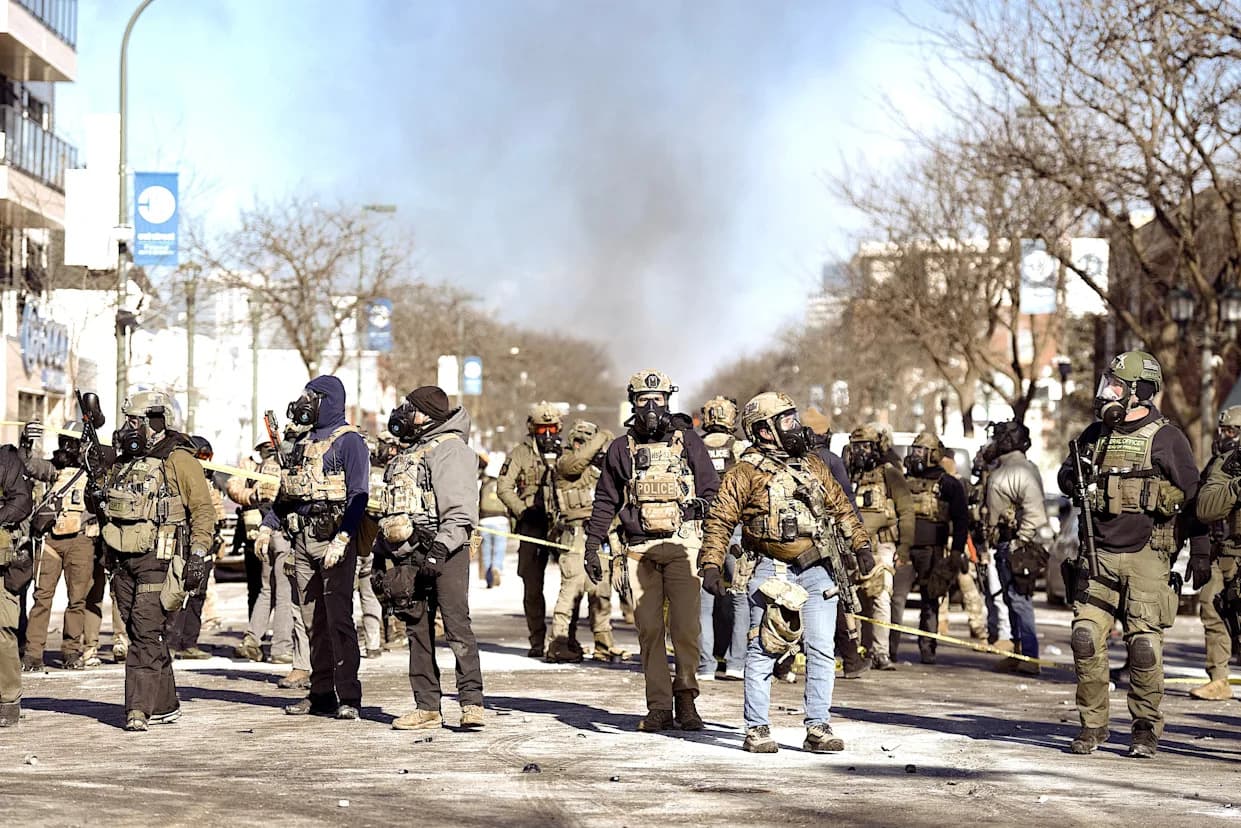
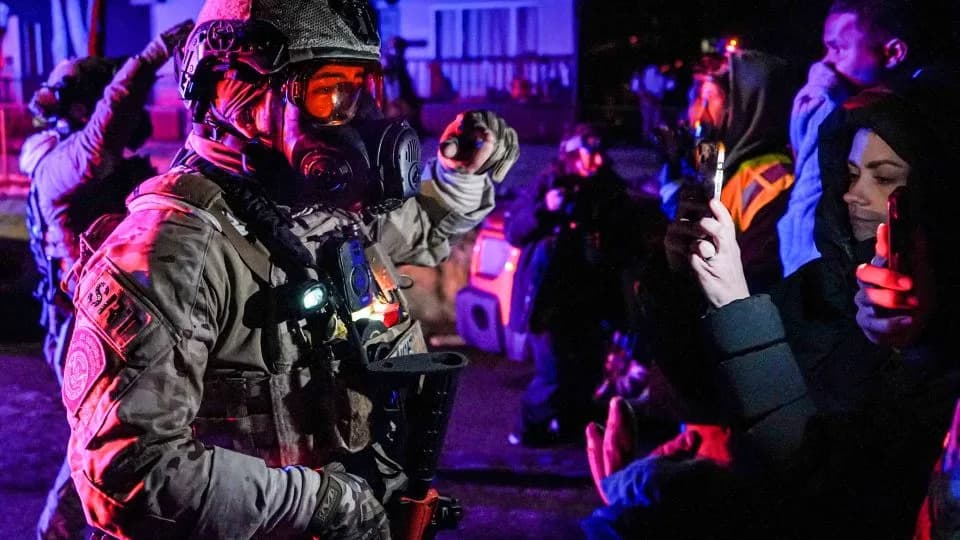
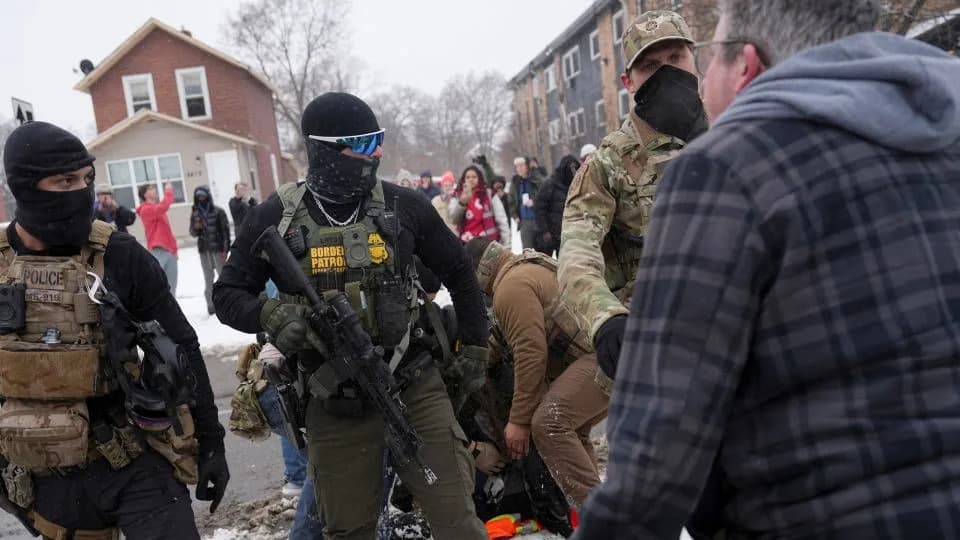
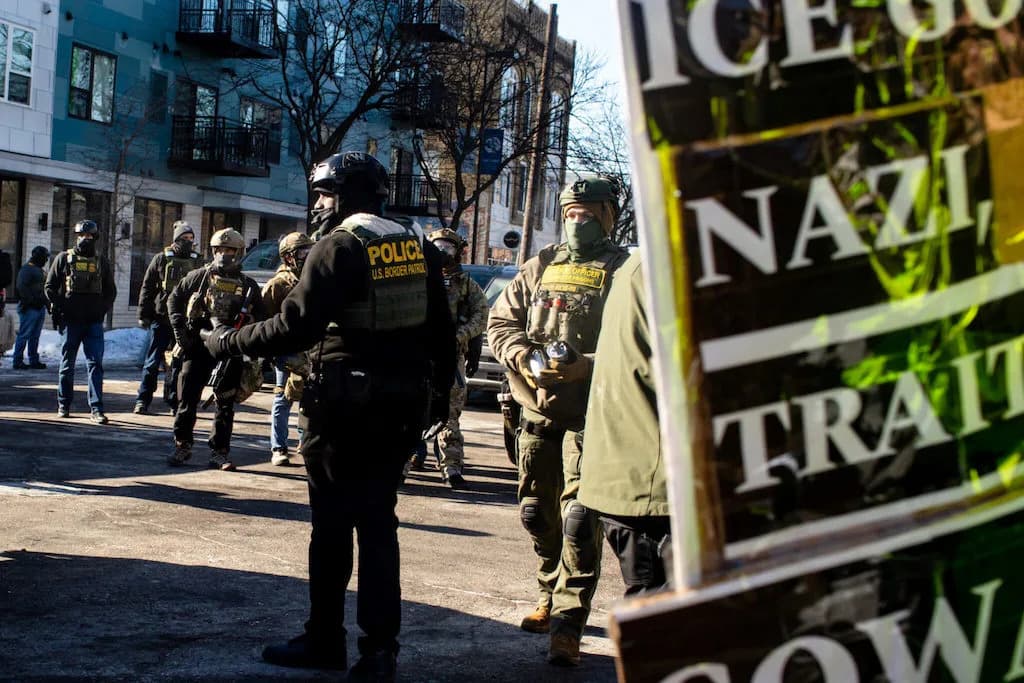
Has the United States entered a darker stretch of Donald Trump’s second term? The administration's hardline immigration stance—already tied to detentions, deportations and deaths—feels newly menacing after two high-profile fatal shootings in Minneapolis.
The killings of Renee Good and Alex Pretti, less than three weeks apart, have intensified public alarm. Video released in the aftermath appears to show Pretti holding a phone rather than a firearm when he was shot, yet several prominent figures initially characterized him as a lethal threat.
Initial Official Responses
Some political allies and enforcement officials responded quickly and defensively. Stephen Miller described Pretti in extreme terms, and senior Border Patrol figures framed agents as victims. South Dakota governor Kristi Noem and other conservative voices suggested links to domestic terrorism. Those swift, authoritative statements helped amplify outrage and concern.
White House Softens Its Tone — Slightly
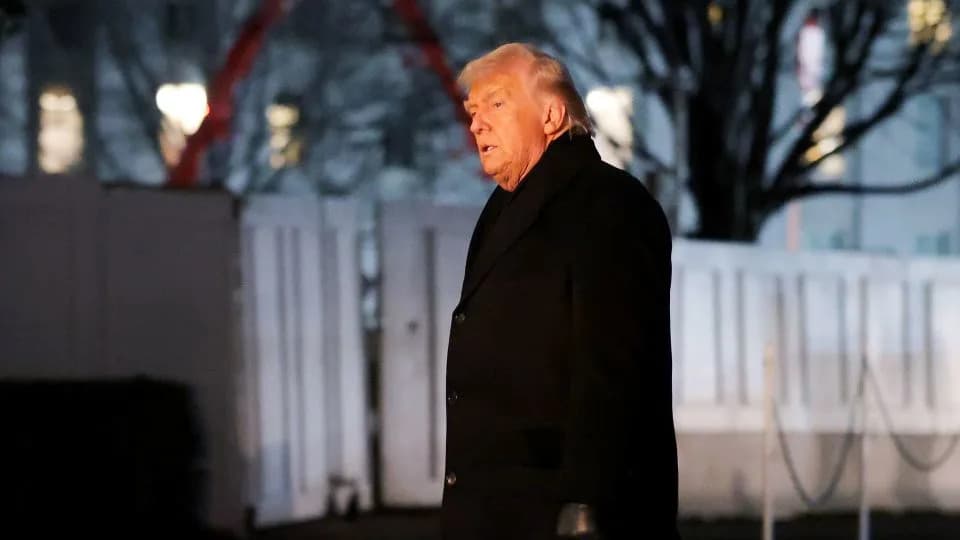
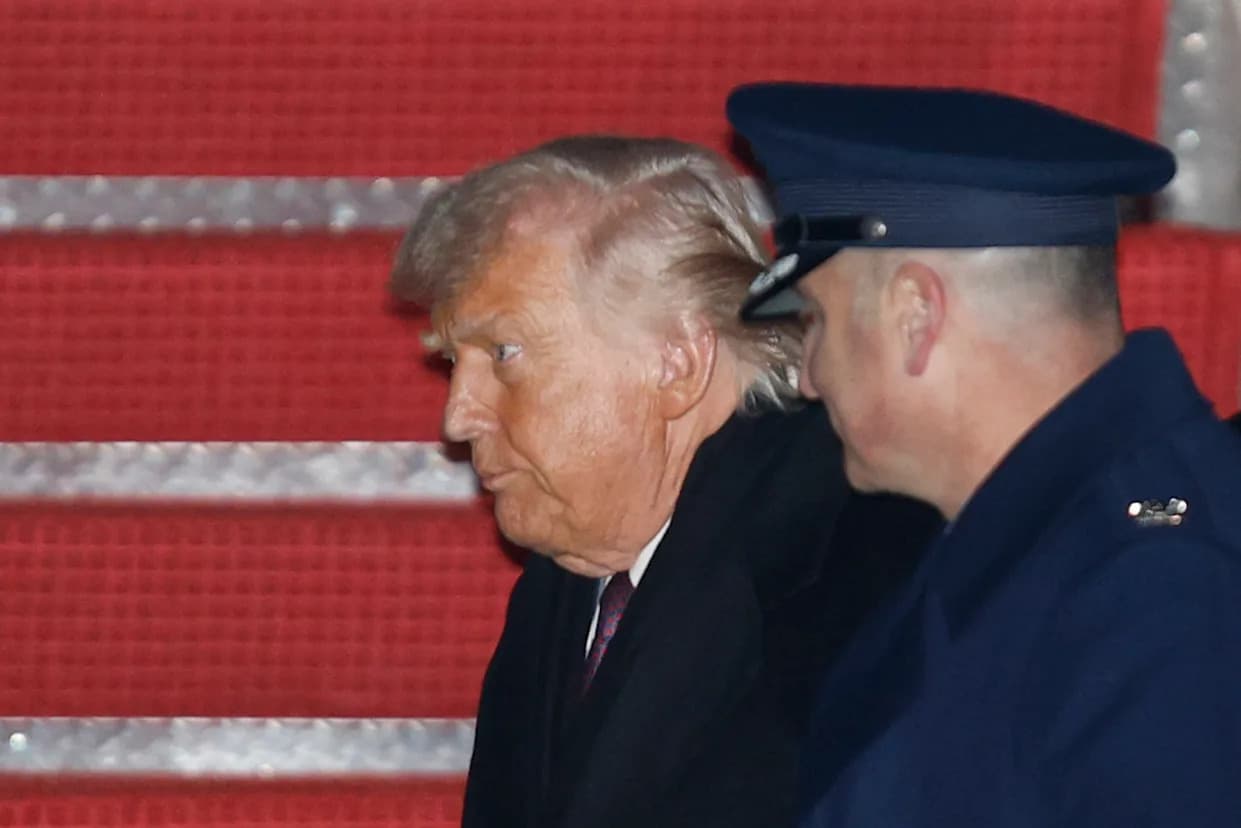
Within days, the White House moderated its language. Press secretary Karoline Leavitt called Pretti's death a 'tragedy,' and President Trump said his administration would review the shooting and that he did not agree Pretti had been 'acting as an assassin.' Still, the president reiterated restrictions on carrying guns into certain places, a stance that clashed with how many Americans view concealed-carry rights.
Public Reaction and Political Pressure
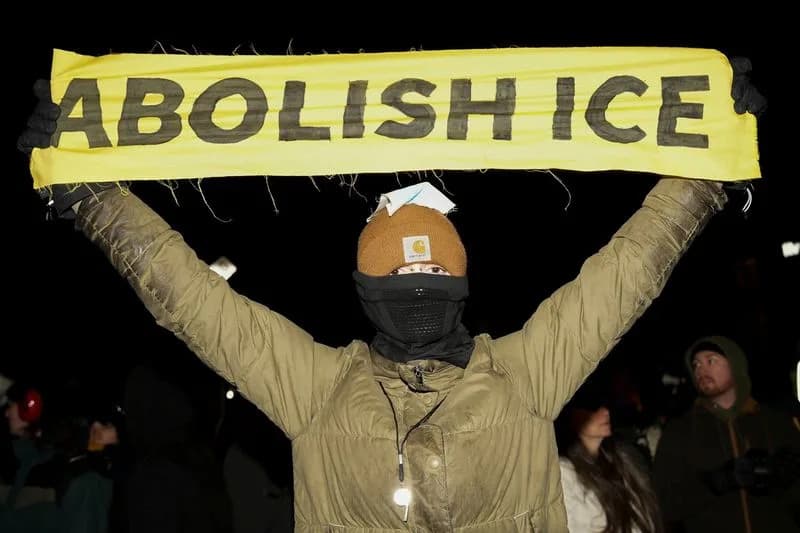
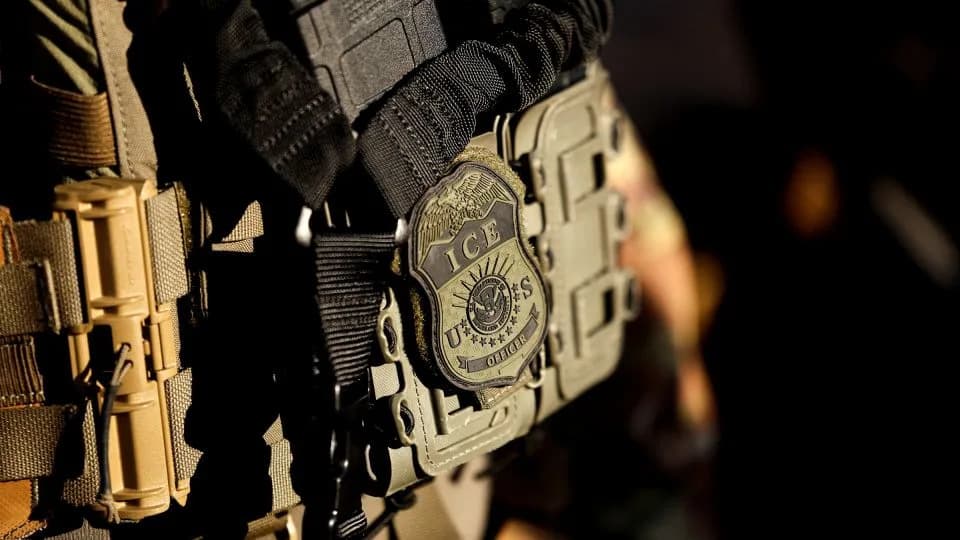
Public polling shows substantial skepticism about enforcement tactics. A Reuters/Ipsos poll taken over the weekend when Pretti was killed found 58% of Americans say Immigration and Customs Enforcement (ICE) has 'gone too far.' Earlier reporting and surveys from outlets including The New York Times, The Wall Street Journal and CNN had already recorded broad concern about the use of force. Even some Republican figures, including Congressman James Comer and Senator Bill Cassidy, urged scrutiny or called for investigations.
Personnel Changes and What They Mean
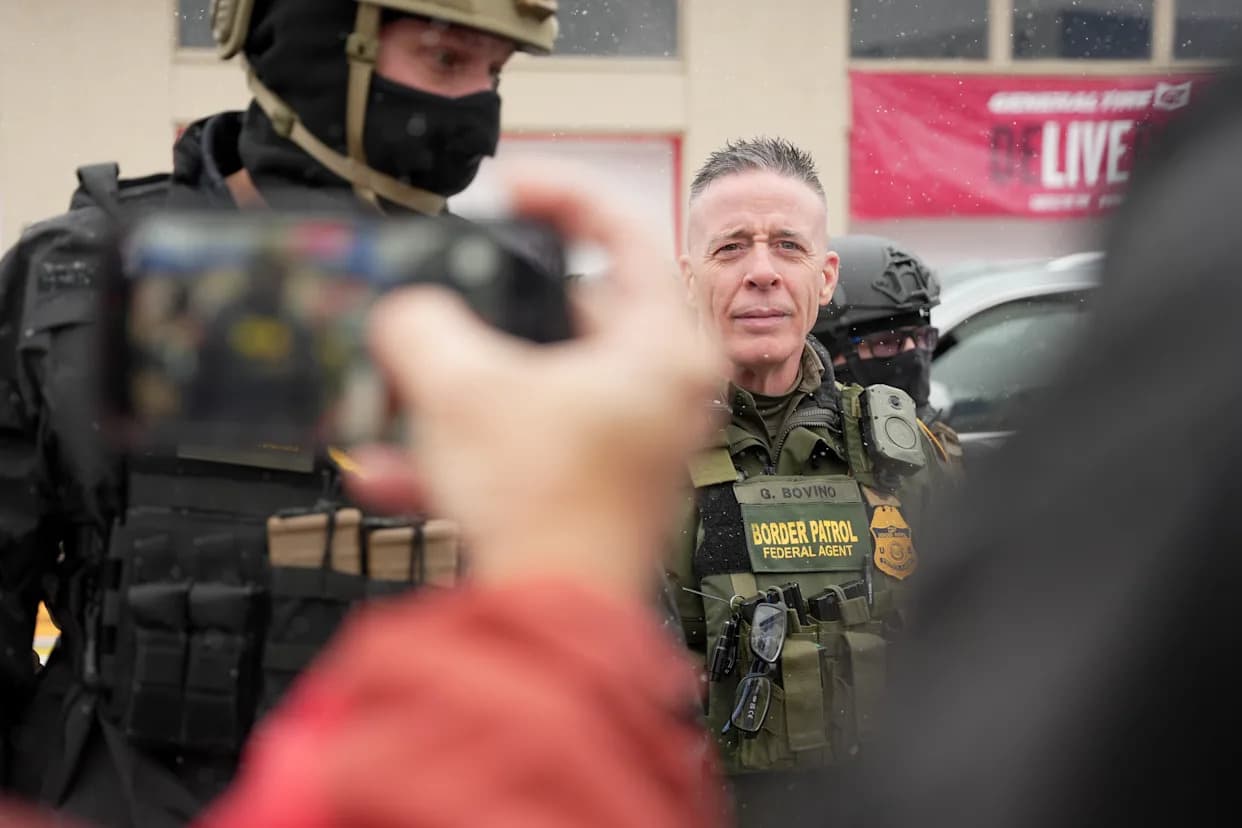
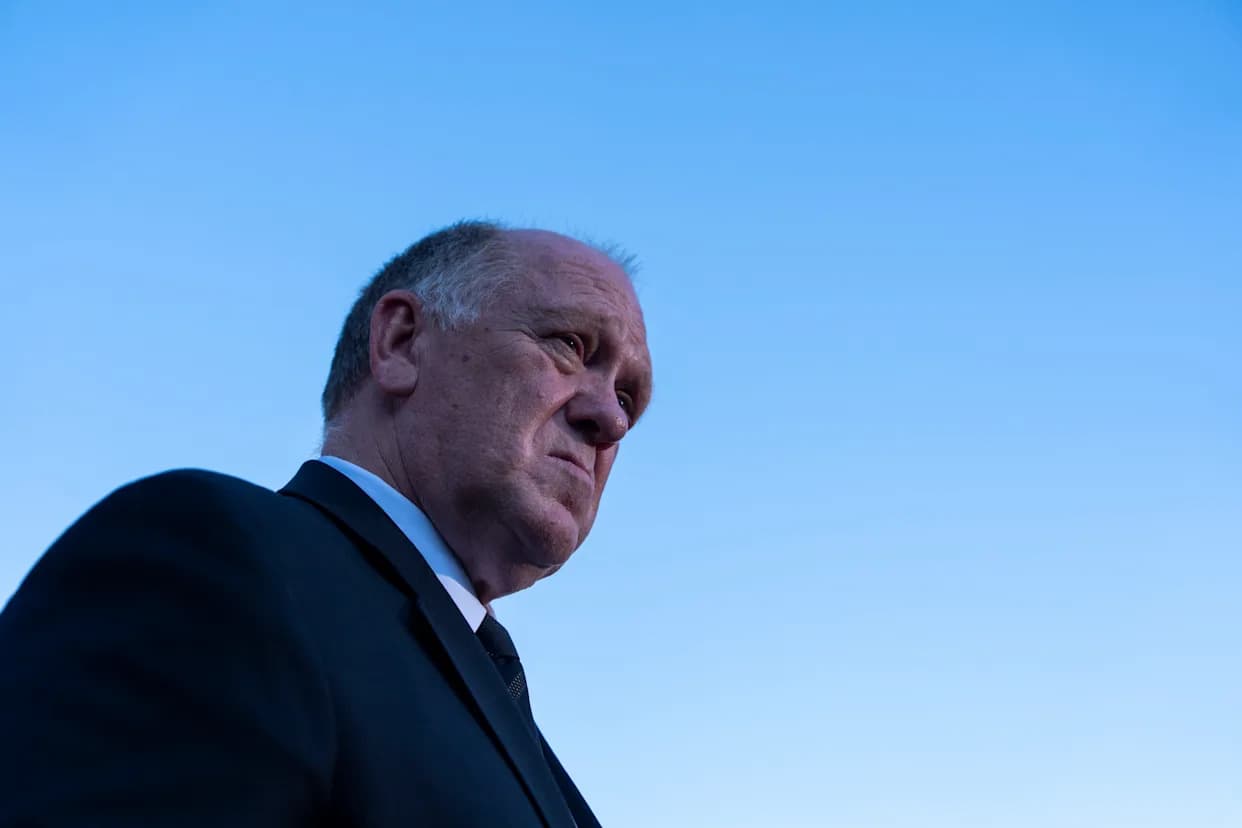
The administration replaced Gregory Bovino, a senior border official who had been prominent in Minnesota operations, with Tom Homan as border czar. Homan is a former ICE director whose past comments promise aggressive deportation efforts—he has said he would 'run the biggest deportation force this country has ever seen' and warned that critics should 'start packing now.' Such rhetoric suggests that a softer public tone will not necessarily translate into less aggressive policy on the ground.
Broader Context And Contradictions
Critics note inconsistencies between the administration's response to these shootings and how some right-wing commentators have praised armed civilians in other high-profile cases, such as Kyle Rittenhouse. The contrast has been widely discussed and has contributed to the perception of a double standard in attitudes about armed civilians and law enforcement use of force.
Conclusion
The White House's more conciliatory language appears to reflect political and public pressure rather than a fundamental policy shift. Personnel moves may change faces, but public statements and prior commitments from newly appointed officials point toward continued hardline immigration enforcement. For now, the shootings have crystallized public scrutiny and raised urgent questions about oversight, training and accountability for immigration agents operating in U.S. cities.
Help us improve.