The US is conducting multi-day air exercises in the Middle East to test readiness and coalition coordination amid heightened tensions with Iran. CENTCOM emphasized safety, precision and host-nation approval but did not disclose locations or participating assets. President Trump has issued stern warnings while Tehran vows to defend itself; human rights groups report thousands killed in recent protests. Regional partners say they will not permit their airspace to be used for strikes on Iran.
US Launches Multi-Day Air Drills in Middle East as Tensions With Iran Escalate
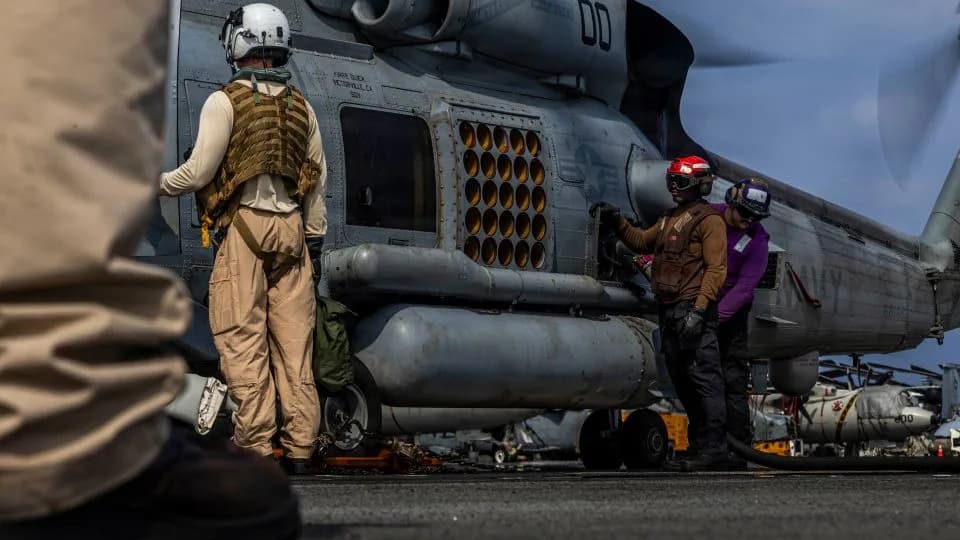
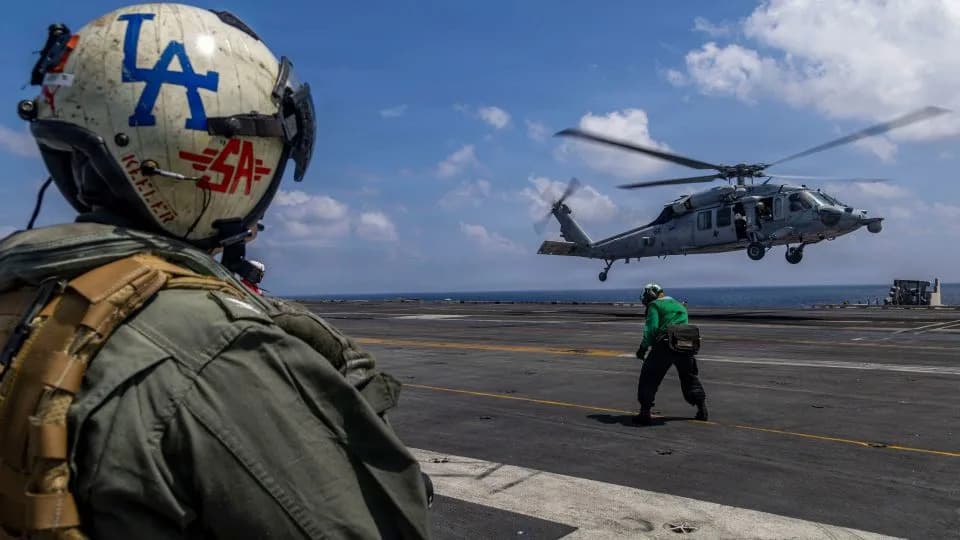
This photo provided by the U.S. Navy shows sailors fueling an MH-60R Sea Hawk helicopter on the flight deck of the Nimitz-class aircraft carrier USS Abraham Lincoln in the Indian Ocean on January 21, 2026. - Seaman Daniel Kimmelman/AP
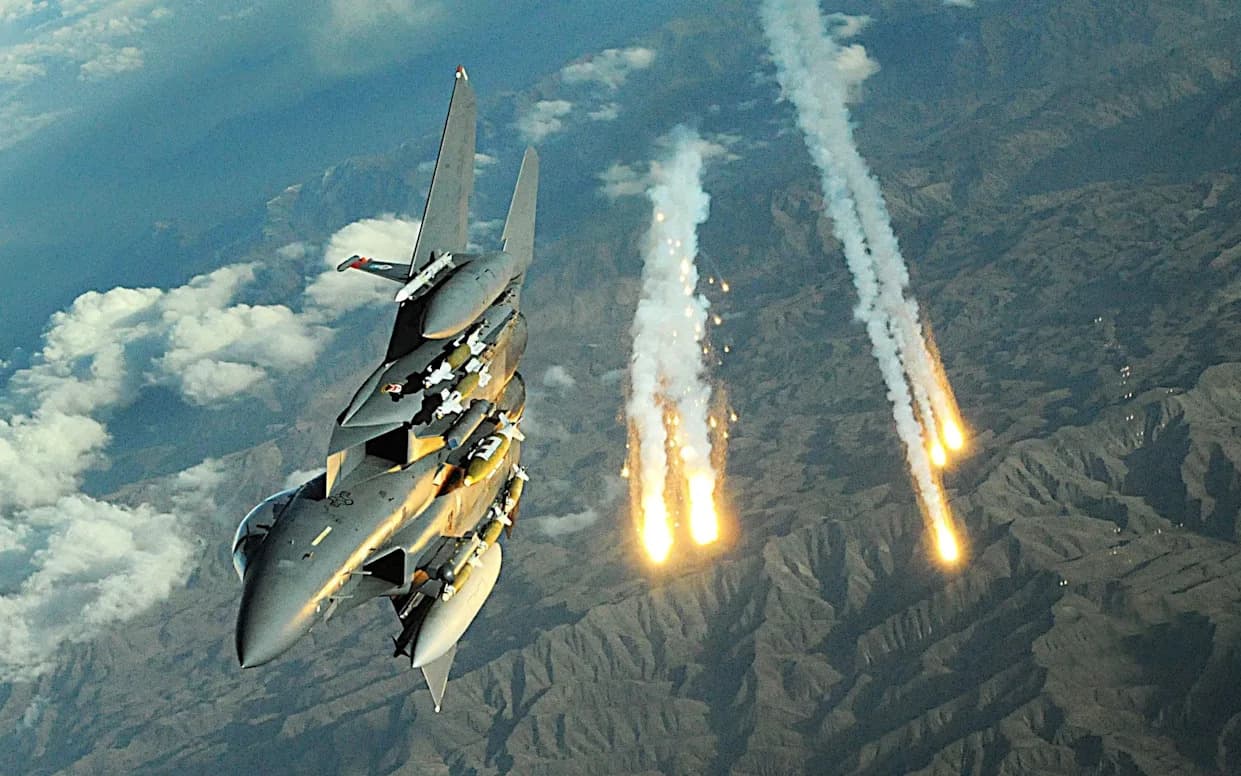
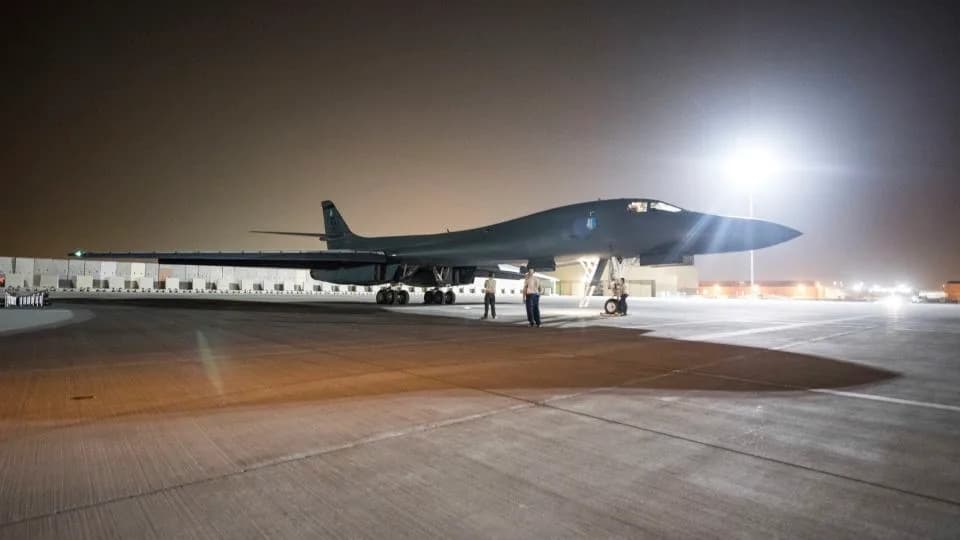
US forces will conduct multi-day air exercises in the Middle East as Washington strengthens its military posture amid rising tensions with Iran, Central Command said.
Purpose and Scope
According to a statement from Lt. Gen. Derek France, commander of US Central Command’s Air Forces Central and Combined Forces Air Component, the drills are designed to let aircrews demonstrate that "they can disperse, operate, and generate combat sorties under demanding conditions — safely, precisely and alongside our partners." CENTCOM did not specify exact locations, participating assets or the full duration of the exercises.
US Military Movements and Political Messaging
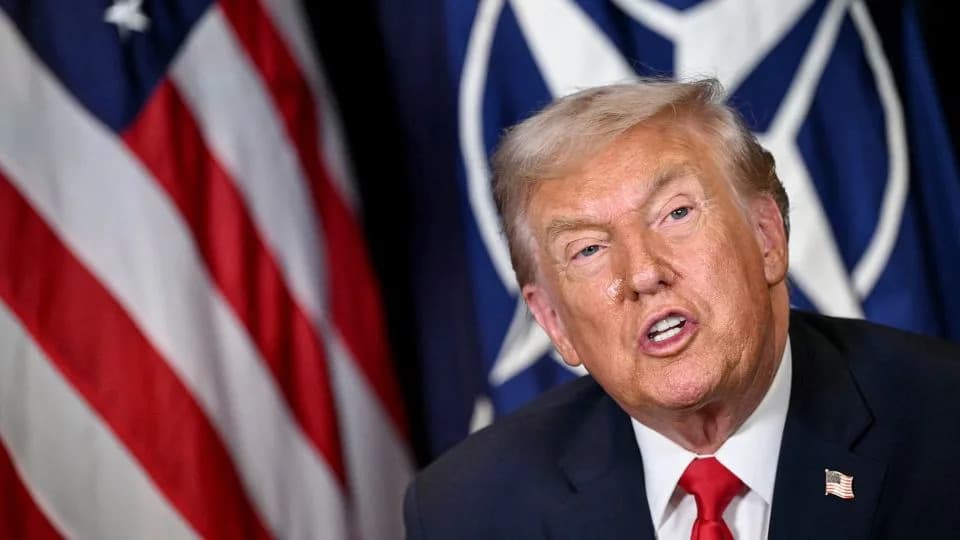
The announcement follows repeated warnings from President Donald Trump that an "armada" is headed toward Iran and threats of possible military action. On social media, Trump wrote that "time is running out" and warned that "the next attack will be far worse" than strikes the US has previously suggested or carried out.
"Time is running out," Trump wrote on Truth Social. "The next attack will be far worse."
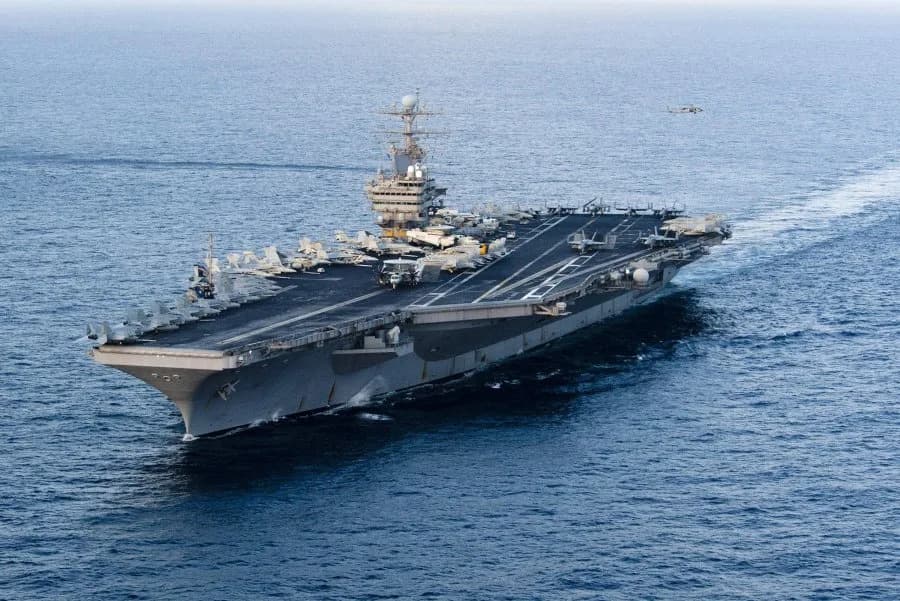
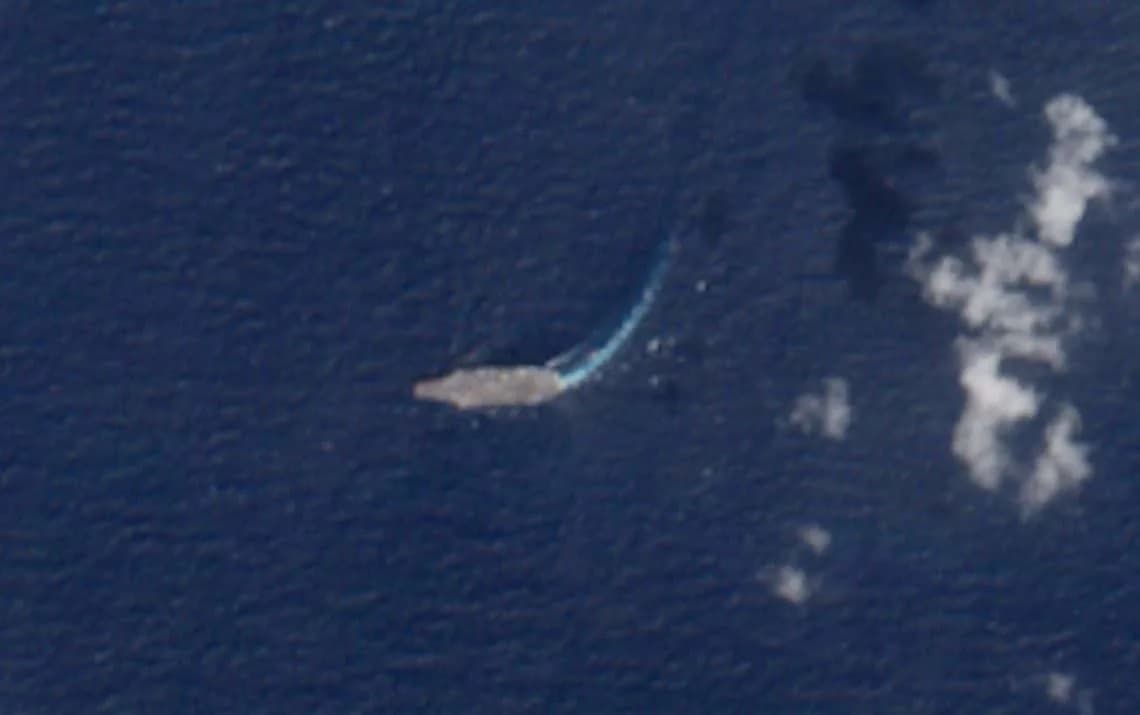
CENTCOM said the USS Abraham Lincoln carrier strike group has arrived in the region. US officials told CNN there is no indication a final decision has been made on direct military action; the administration is reportedly still weighing options.
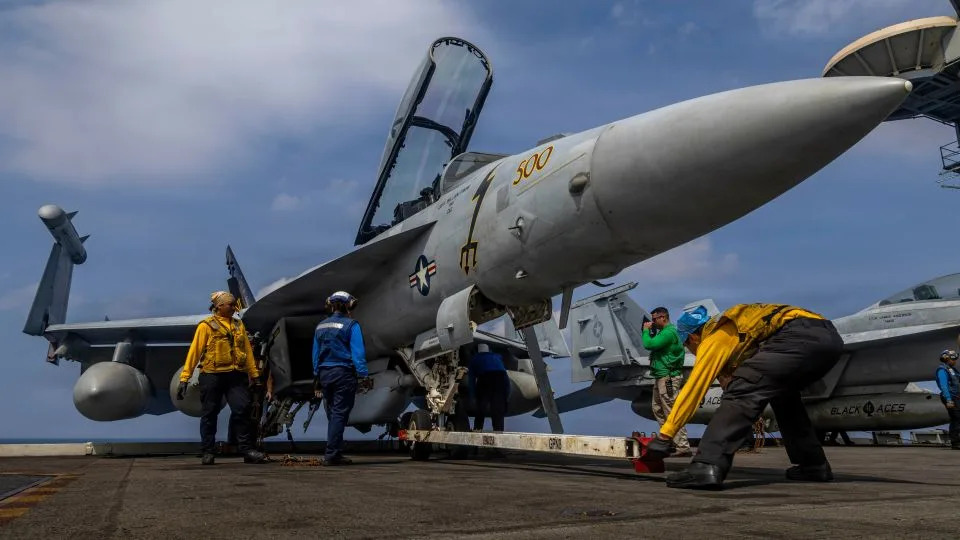
This photo provided by the US Navy shows sailors preparing a Boeing EA-18G Growler on the flight deck of the Nimitz-class aircraft carrier USS Abraham Lincoln in the Indian Ocean on January 21, 2026. - Seaman Daniel Kimmelman/AP
Iran's Response and Regional Reaction
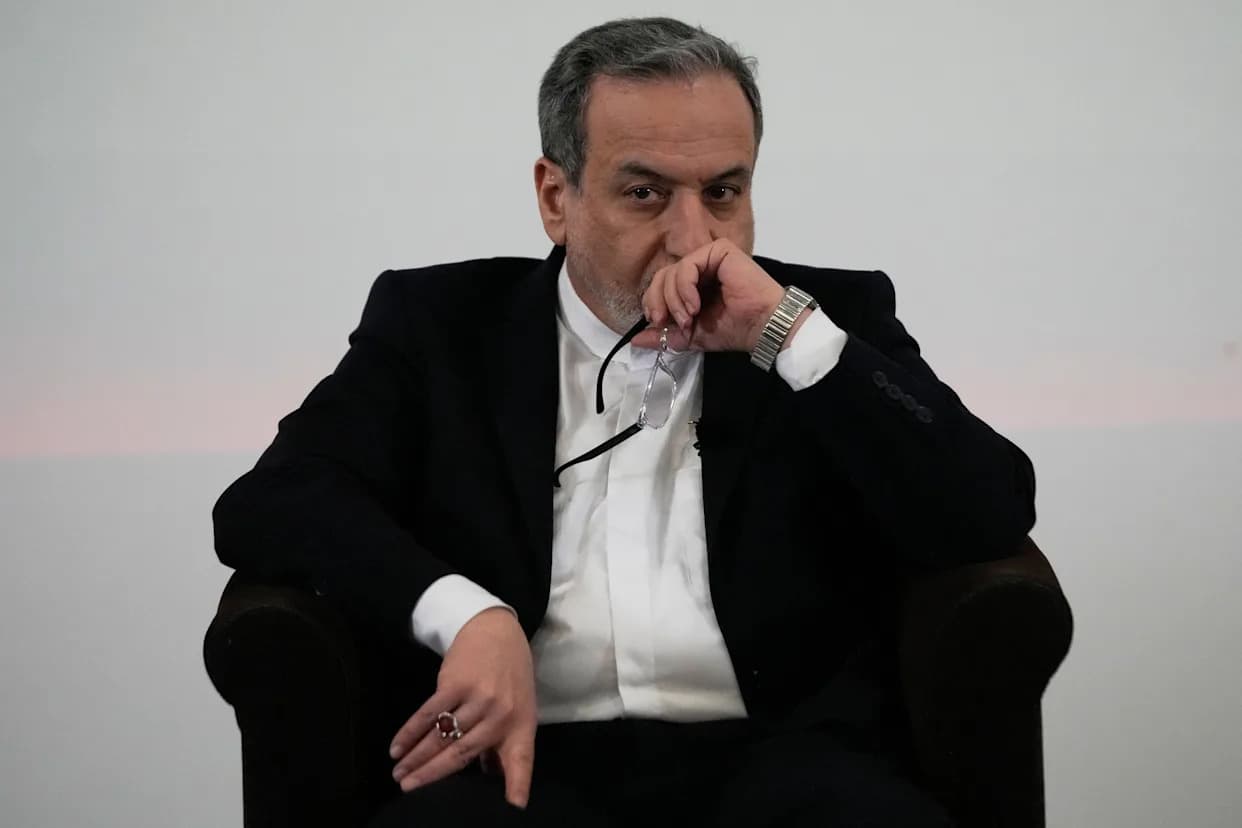
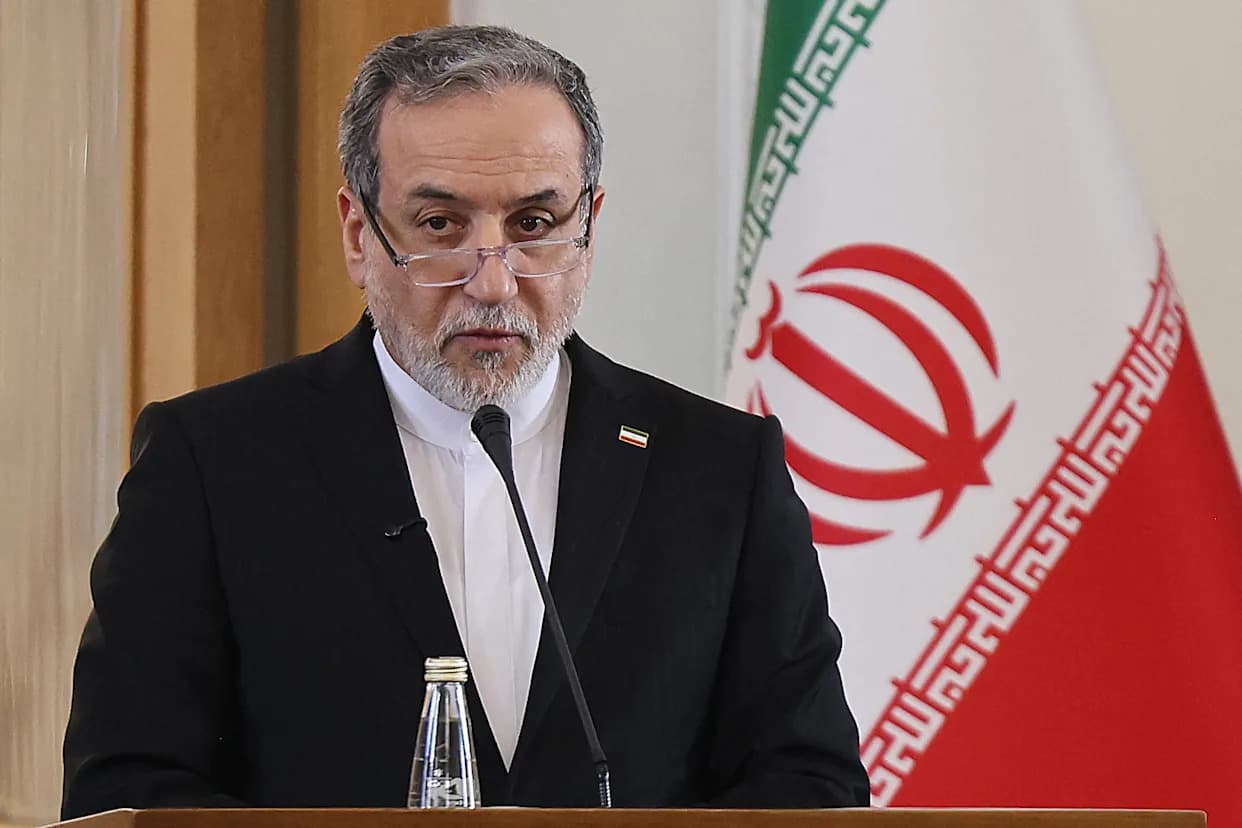
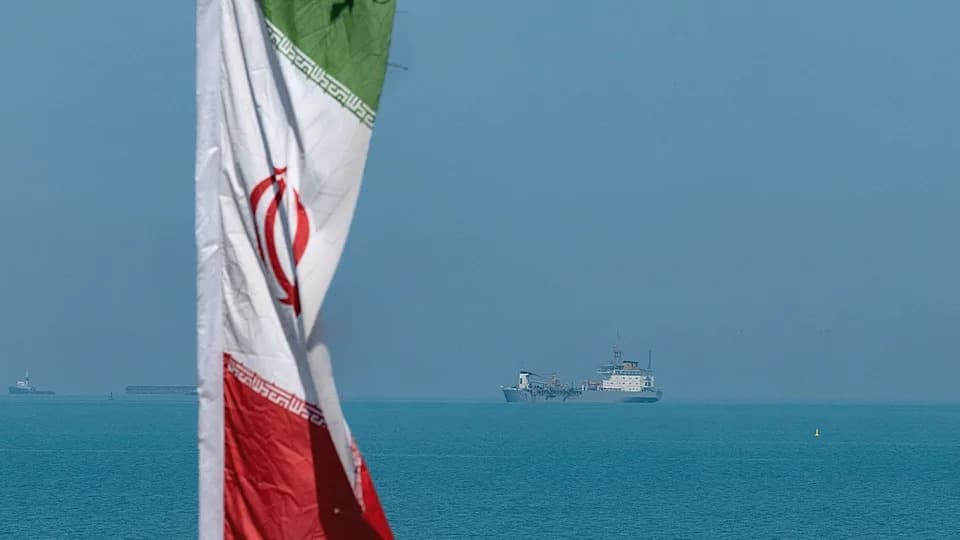
The Iranian Mission to the United Nations said Tehran "stands ready for dialogue based on mutual respect" but warned it would defend itself and respond "like never before" if pushed. Iranian Foreign Ministry spokesperson Esmaeil Baghaei told reporters that the arrival of warships "does not impact Iran's defensive determination" and that Iran is enhancing its capabilities.
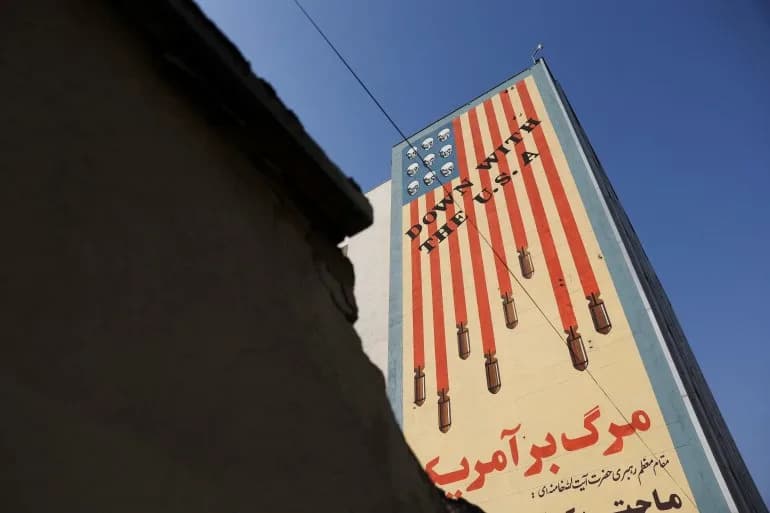
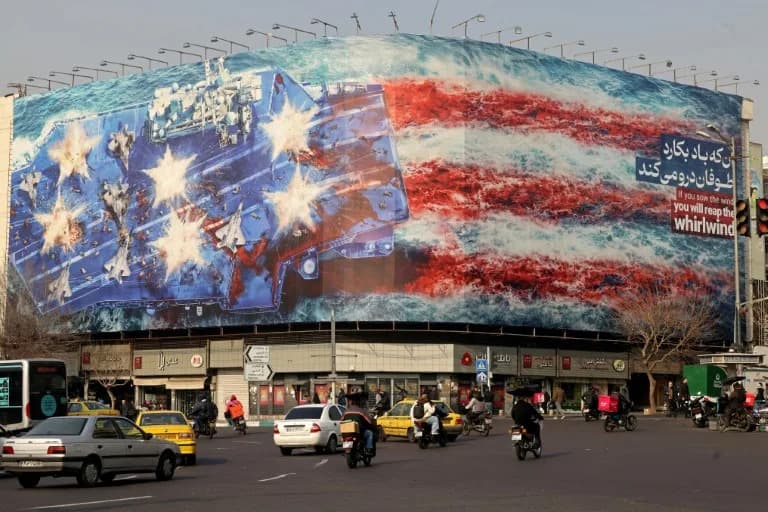
On the ground in Tehran, CNN journalists reported large government posters in Enghelab (Revolution) Square depicting threats to US naval assets and recalling the 2016 capture of a US Navy boat. These images underscore Tehran's public posture as tensions increase.
Human Rights Context
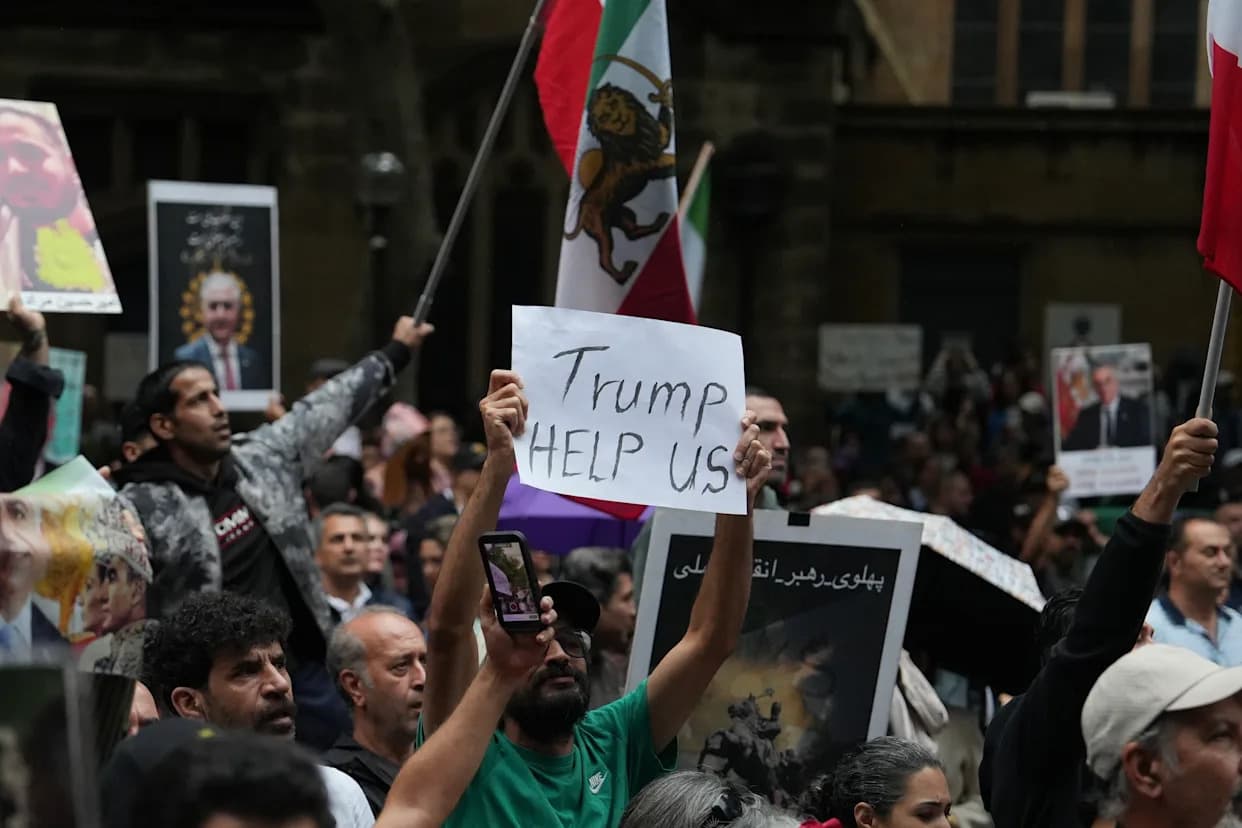
Tensions have intensified after Iran's violent suppression of widespread anti-government protests. The US-based Human Rights Activists News Agency (HRANA) reported more than 5,800 protesters killed since demonstrations began, with an additional 17,091 deaths under review; CNN has not independently verified those figures. The Iranian government has acknowledged that thousands were killed.
Coordination and Constraints
CENTCOM said the exercises will be conducted with approval from host countries and "in close coordination with civil and military aviation authorities," emphasizing safety, precision and respect for sovereignty. Several regional partners, including Saudi Arabia and the United Arab Emirates, have warned they will not allow their airspace to be used for strikes on Iran; the UAE has also said it will not provide logistical support for such operations.
Reporting: CNN correspondents contributed reporting. Details remain fluid as officials continue to evaluate options and monitor developments in the region.
Help us improve.