As temperatures plunge below -20°C in parts of Ukraine, a battered power network and intensified Russian strikes are leaving millions at risk without heat and electricity. January attacks on Kyiv cut power to about one million people and left some 6,000 apartment blocks without heating; roughly 610,000 Kyiv households still lack power and about 700 buildings remain unheated after repairs. Ukraine is operating at roughly 60% of winter needs (11 GW available vs. 18 GW required); new solar capacity and EU imports provide partial relief while scheduled cuts help balance the grid.
Ukrainians Brace for Harsh Weeks as Russian Strikes Cripple Power Network During Deep Freeze
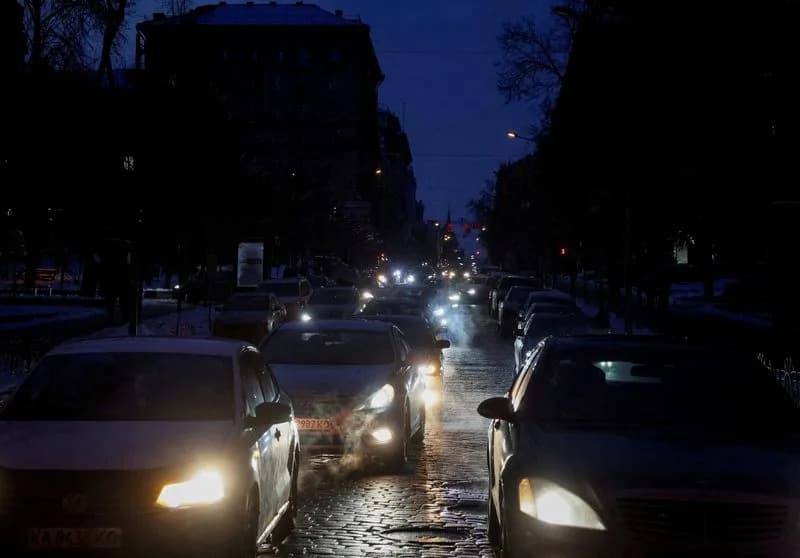
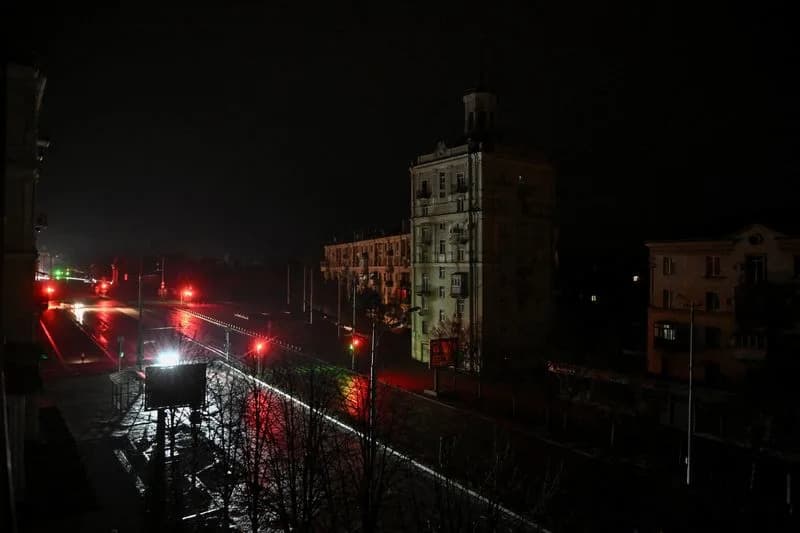
FILE PHOTO: Cars move on a dark street during a power blackout after critical civil infrastructure was hit by recent Russian missile and drone strikes, amid Russia's attack on Ukraine, in Kyiv, Ukraine January 25, 2026. REUTERS/Gleb Garanich/File Photo
KYIV — Ukrainians face a particularly difficult few weeks as plunging temperatures collide with an energy network badly degraded by intensified Russian strikes, leaving millions without reliable heat and power, a senior lawmaker warned on Wednesday.
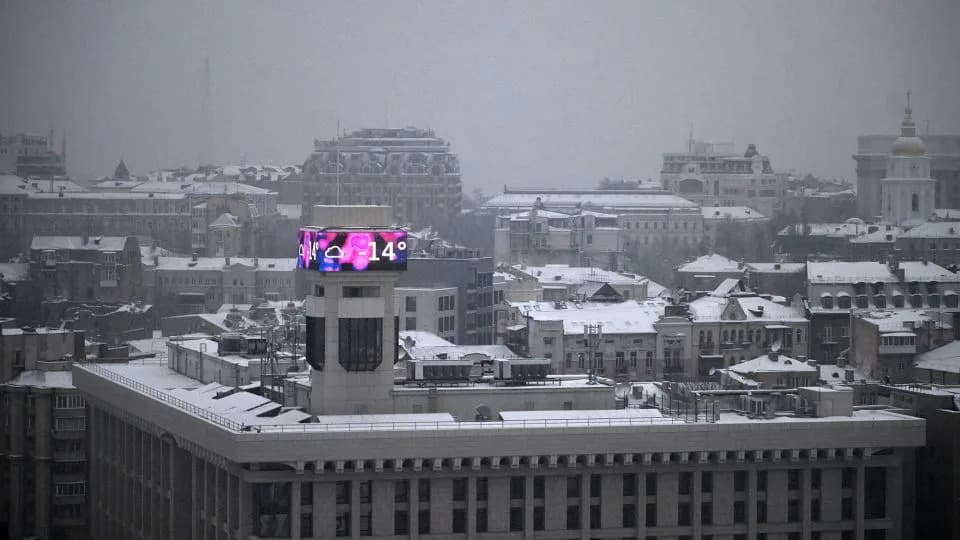
Despite recent progress in negotiations that has opened trilateral talks between Russia, Ukraine and the United States, Moscow has stepped up bombardments beyond the frontline that runs across eastern and southern Ukraine. Forecasters expect temperatures to fall below -20°C (-4°F) next week in northern and eastern regions — conditions unusually severe for the country.
"The bad news is that there will indeed be frosts, and it will be difficult," Andriy Gerus, head of parliament's energy committee, told Marathon TV. "The good news is that we need to hold out for three weeks, and then it will get easier," he said, noting forecasts for milder weather and rising solar output as days lengthen.
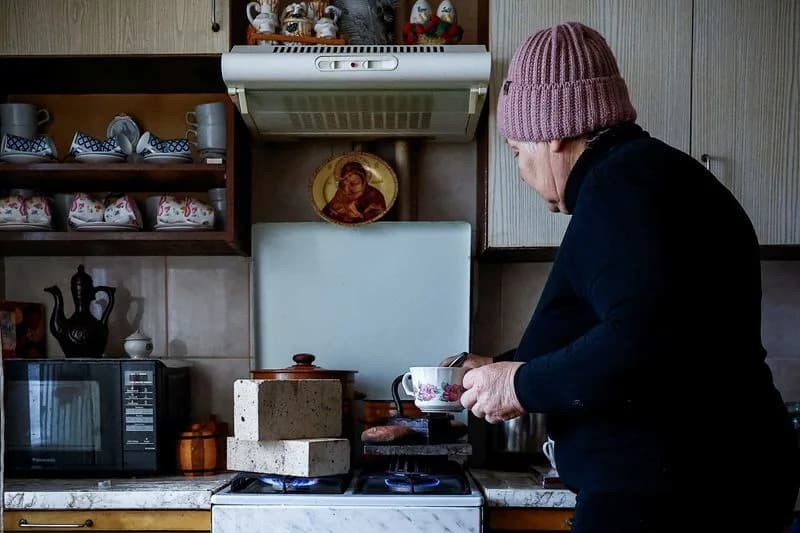
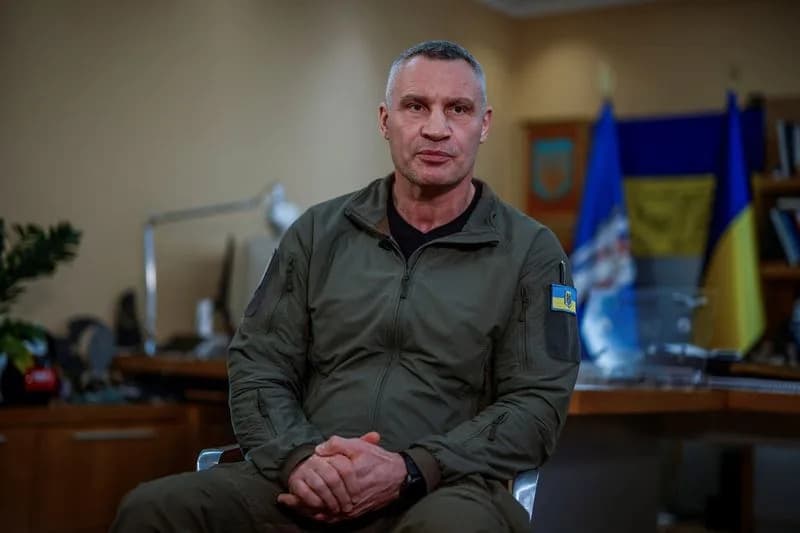
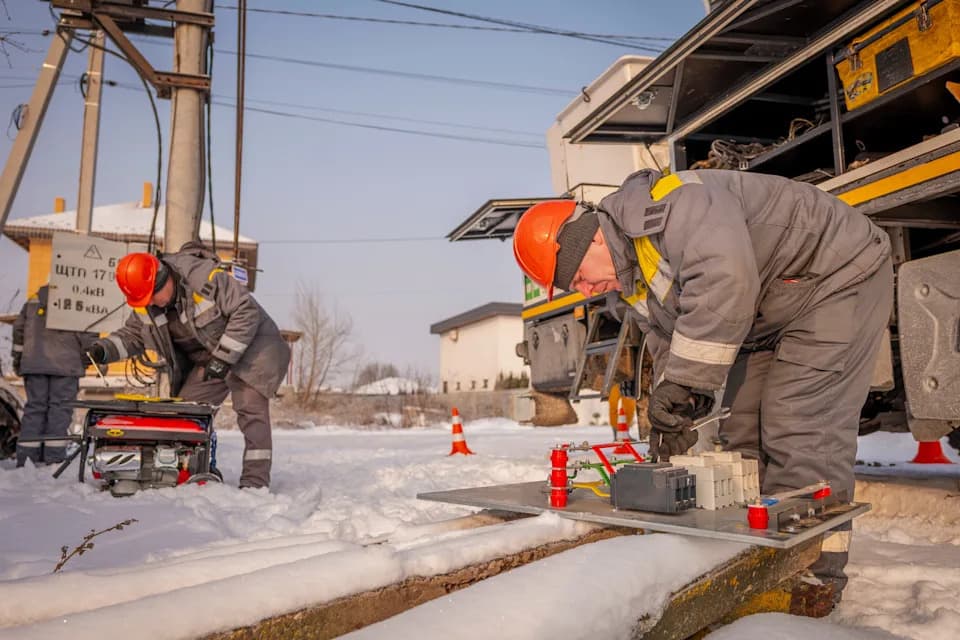
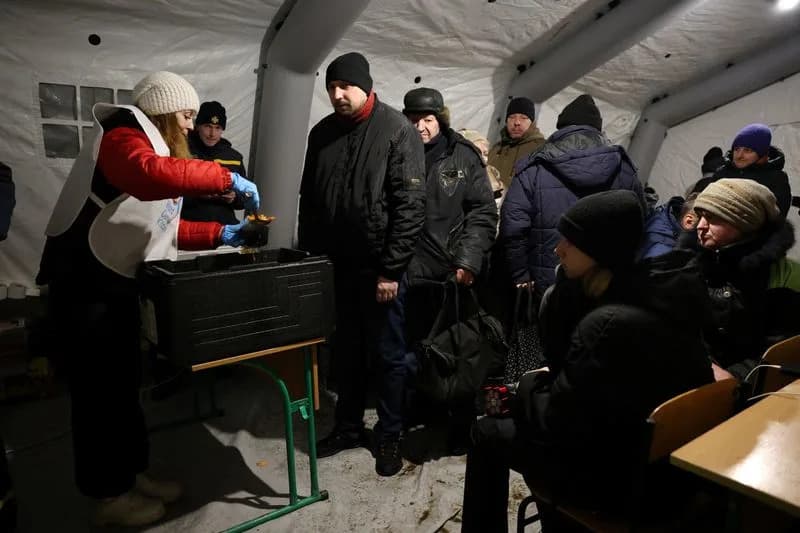
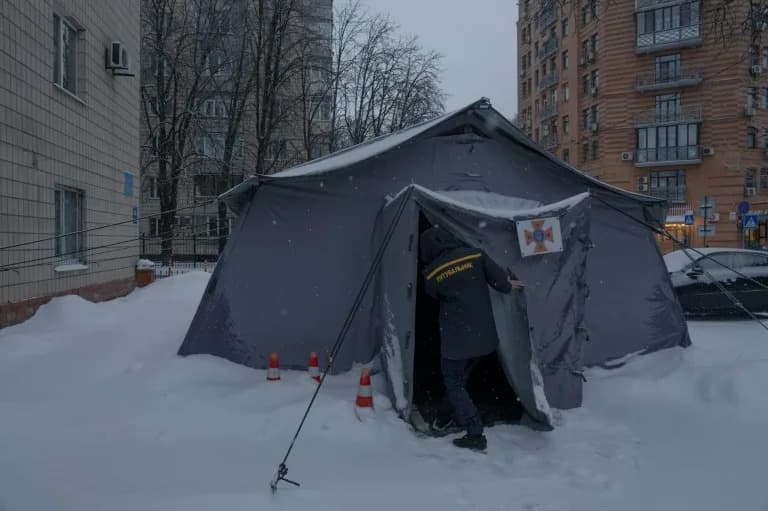
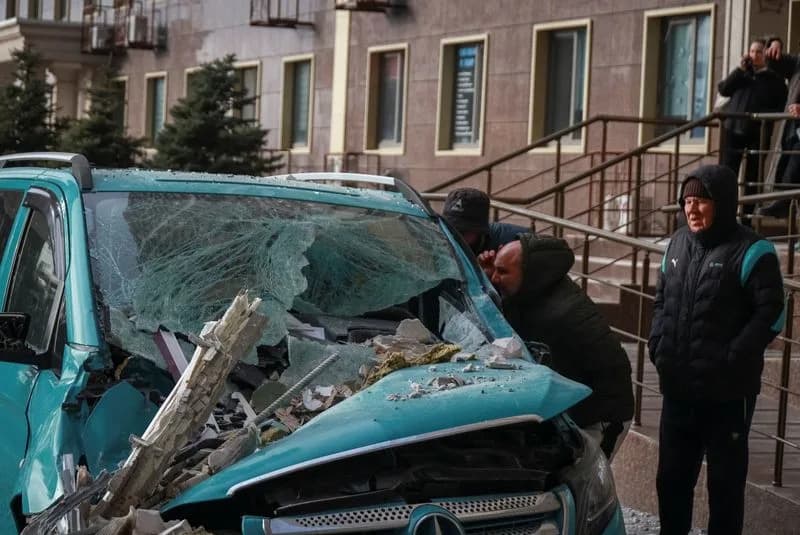
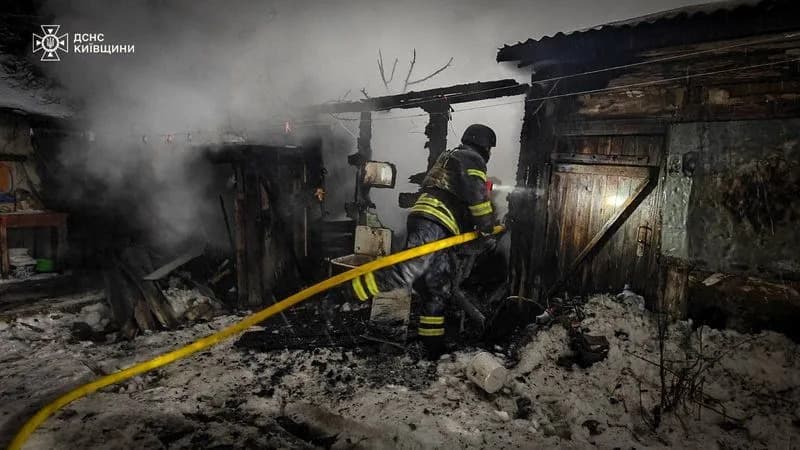
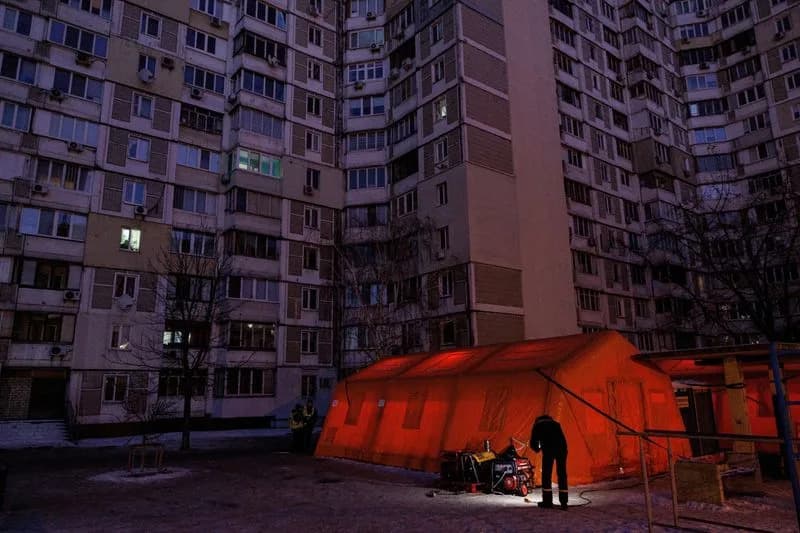
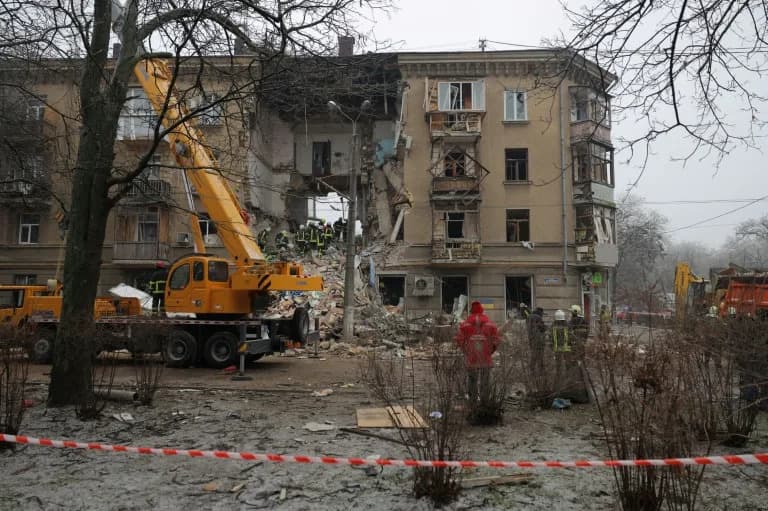
Authorities said January missile and drone strikes on Kyiv cut power for about one million people and left roughly 6,000 apartment blocks without heating. After weeks of repairs, around 700 buildings still lack heating. Energy Minister Denys Shmyhal reported on Telegram that roughly 610,000 Kyiv households remained without power following the latest attacks and repair efforts.
Nationwide Impact and Responses
Similar conditions are playing out across northern and eastern Ukraine — including major cities such as Kharkiv, Chernihiv and Sumy — where repeated strikes on generation facilities, transmission lines and gas infrastructure have prompted rolling restrictions for industry and outages for consumers. Attacks on energy infrastructure have been a persistent feature of the full-scale invasion Moscow launched in February 2022; Russia says it aims to undermine Ukraine's ability to fight.
The head of Ukraine's largest private power producer, DTEK, warned Reuters last week that the combined damage and freezing weather risked a "humanitarian catastrophe" and urged a ceasefire for energy assets. Kyiv has also targeted Russian oil-processing facilities to reduce revenues that fund the war.
DTEK said on Wednesday the situation had improved enough for Kyiv to introduce, from midnight, a scheduled roster of power cuts for the first time in weeks. President Volodymyr Zelenskiy said Ukraine's damaged energy system is meeting only about 60% of this winter's electricity needs: generation capacity stands near 11 gigawatts (GW) against an estimated 18 GW requirement.
Relief From Solar And Imports
Ukraine's solar industry reported roughly 1.5 GW of new solar capacity commissioned in 2025, bringing total installed solar capacity above 8.5 GW (including residential rooftop systems). That cumulative solar capacity now exceeds the combined installed capacity of Ukraine's three domestically controlled nuclear power plants (7.7 GW) and helped during summer repairs — though solar output remains weather-dependent.
Maximum electricity imports from European Union countries, together with regional power cuts, have helped keep the grid balanced for now, but officials caution the next three weeks will be critical as temperatures fall and repair work continues.
What To Watch: the progress of repairs to critical generation and transmission assets, the severity and duration of subzero temperatures, the scale of EU electricity imports, and whether international pressure can curb strikes on energy infrastructure.
Help us improve.