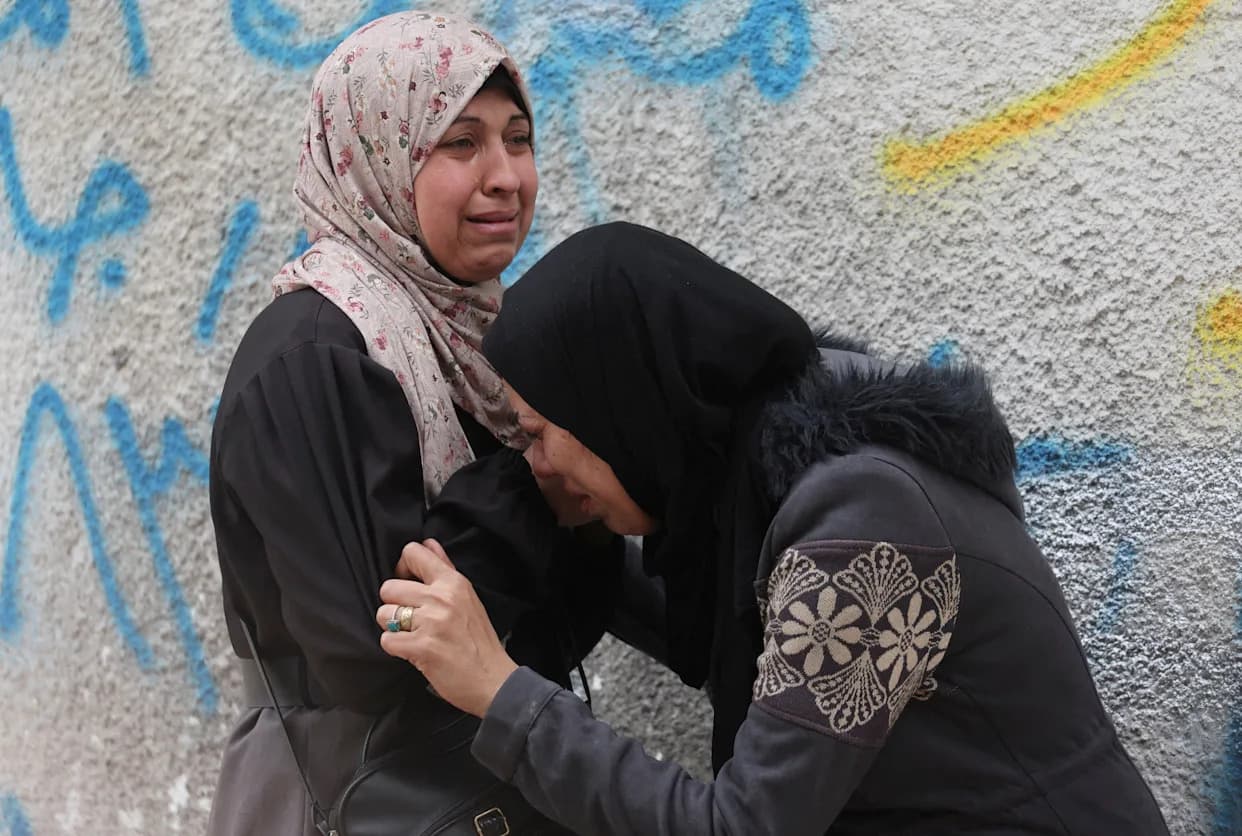
Israel’s offensive in Gaza has devastated fertility clinics and reproductive services, destroying frozen embryos and undermining prospects for parenthood. UN investigators and rights groups say attacks on maternity and fertility facilities, along with shortages caused by the blockade, have affected hundreds of thousands of women of reproductive age and may amount to measures intended to prevent births. The Gaza Health Ministry reported a 41% drop in births in the first half of 2025. Local doctors say they hope to resume IVF services when conditions improve.
Gaza Fertility Clinics Ravaged: Frozen Embryos Lost, Birth Rates Plummet
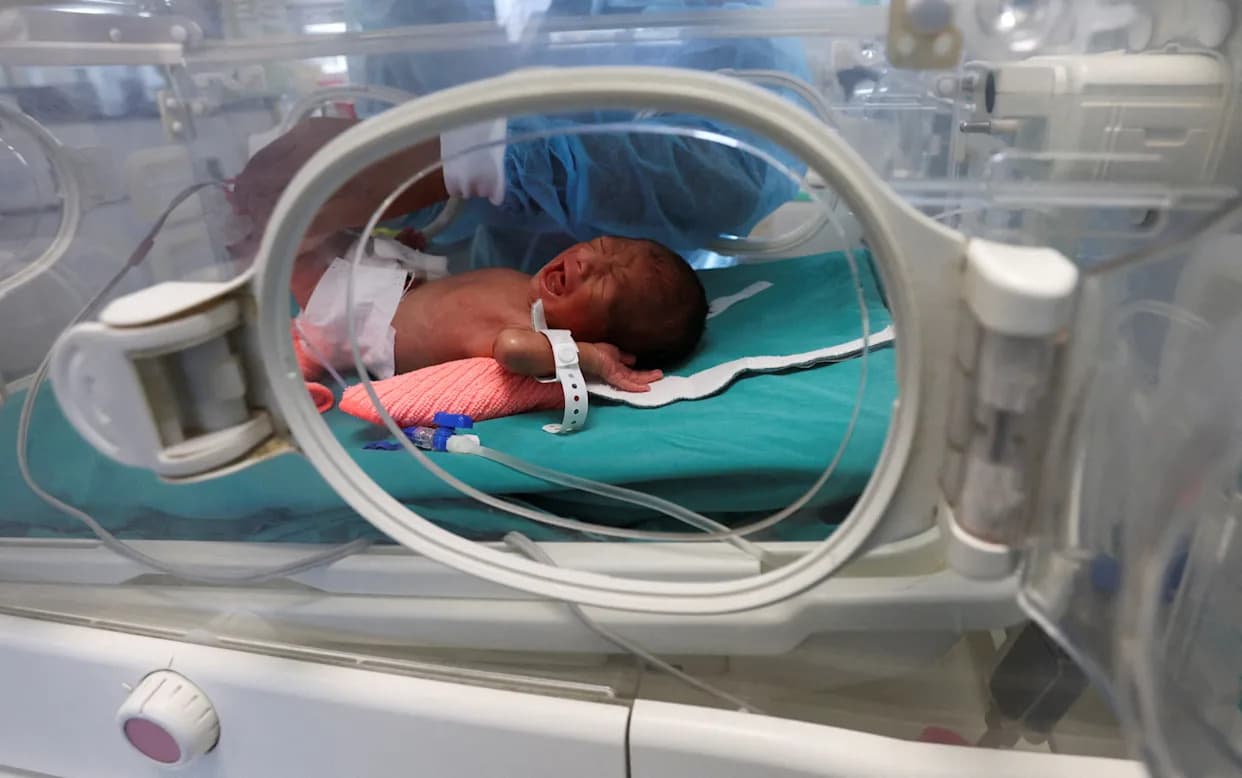
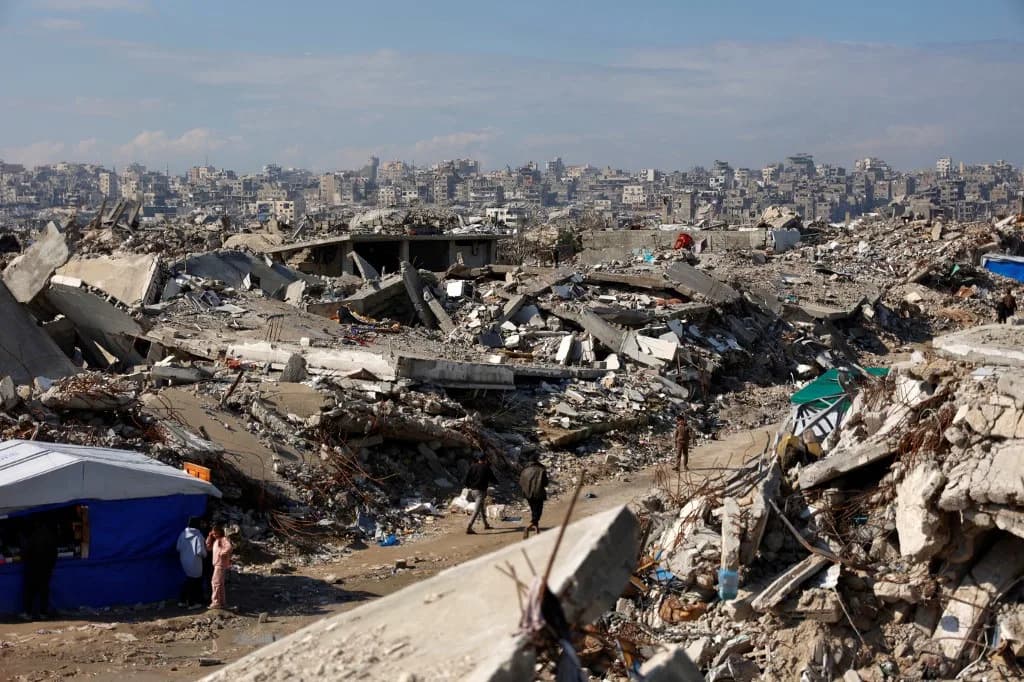
Israel's war has devastated Gaza's reproductive health system [File: Reuters]
Gaza City — Maysera al-Kafarna sits with tiny blue baby overalls bought for the child she hoped to have. After years of trying, she and her husband turned to in‑vitro fertilisation (IVF). Their embryos were frozen and stored at a Gaza fertility clinic — until the clinic was hit in an Israeli strike.
“We had four viable embryos stored there in the first months of the war. We were shocked to learn they had been destroyed when the clinic was attacked,” al‑Kafarna told Al Jazeera. “It was deeply painful. We felt like we had lost a part of ourselves. We were waiting for a chance to have our baby.”
Gazan health officials say nine out of ten fertility clinics in the territory have been destroyed. Clinics that remain face ongoing threats: stored embryos and reproductive material require constant ultra‑cold temperatures maintained by liquid nitrogen and reliable fuel — supplies that are scarce amid the conflict and blockade.
International Findings and Human Rights Concerns
United Nations investigators and human rights groups have raised alarm over the targeting of reproductive healthcare in Gaza. A UN Commission of Inquiry concluded in 2024 that Israeli operations during the war had included actions amounting to measures intended to prevent births, a practice cited in the 1948 Genocide Convention. The Commission specifically reviewed the December 2023 strike on the Al‑Basma IVF clinic in Gaza City, which it found destroyed thousands of embryos, sperm samples and other reproductive material.
“The Commission found that the authorities knew that the medical centre was a fertility clinic and that they intended to destroy it,” the UN inquiry said, concluding that the attack constituted a measure intended to prevent births among Palestinians in Gaza.
Wider Impact on Maternal and Newborn Health
Beyond the direct strikes, the blockade on medical supplies and restrictions on fuel and food have compounded harm to maternal and newborn health. A study by Physicians for Human Rights reported that inability to access care and adequate nutrition has contributed to infertility, miscarriage, maternal complications and poor newborn outcomes.
The Gaza Ministry of Health reported a 41 percent drop in births in the first half of 2025 compared with the previous three years. UN investigators estimated that attacks on healthcare and reproductive services have affected roughly 545,000 women and girls of reproductive age in Gaza.
Local Doctors and the Prospect of Recovery
Fertility specialists in Gaza, while working under extreme conditions, say they hope to restart services when safety, supplies and infrastructure allow. Abdel Nasser al‑Kalhout told Al Jazeera: “We hope that after the war ends, we can start again, restoring hope for people who lost their embryos and for the couples whose treatment began but couldn’t continue because of the war.”
The destruction of fertility clinics and the loss of stored reproductive material represent a long‑term human and public‑health consequence of the conflict: beyond immediate casualties, entire plans for family life have been shattered, and rebuilding services will require international assistance, supplies and protections for medical facilities.
Help us improve.