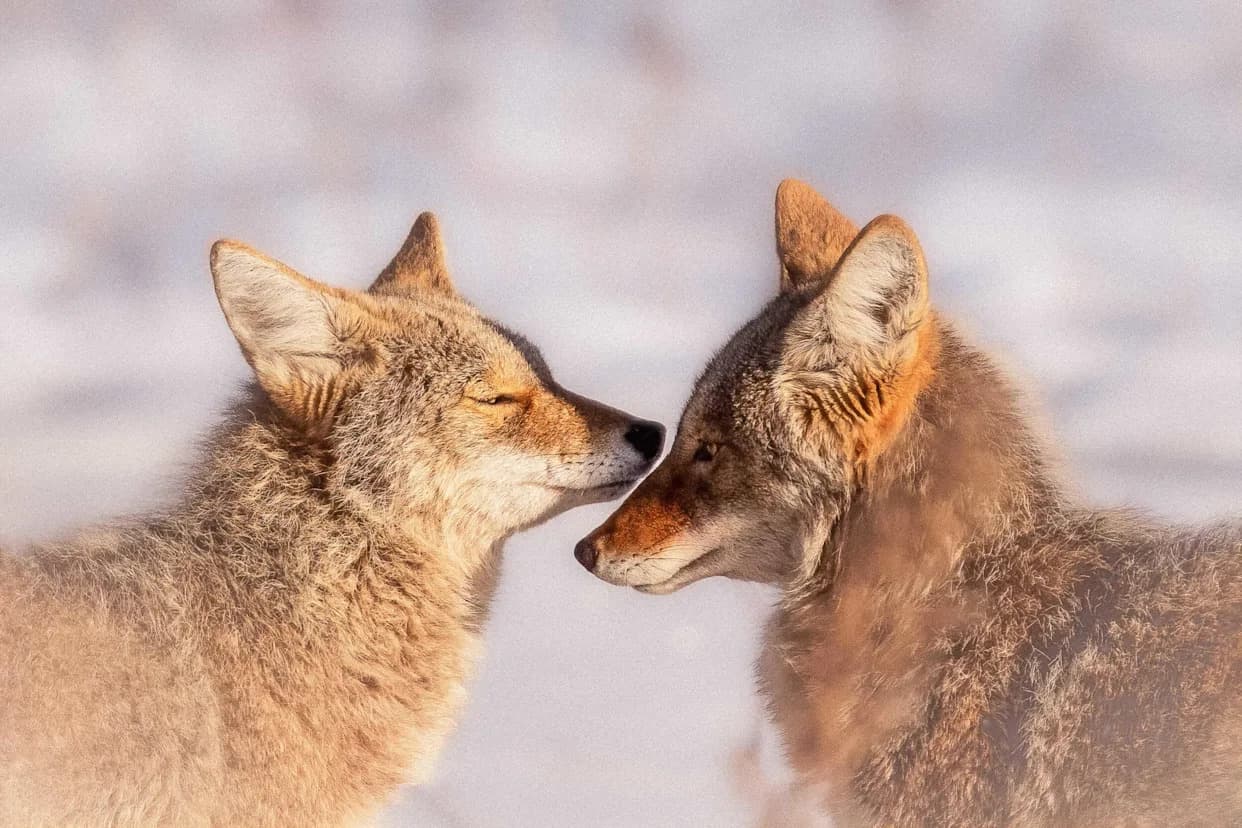
Coyotes frequently form long-term, sometimes lifelong, mating pairs across urban and wild landscapes. These bonds boost pup survival through cooperative parenting, strengthen territorial defense and can include delayed dispersal of older offspring. When a mate dies, survivors often show prolonged behavioral and physiological changes—greater howling, reduced appetite and altered stress responses—paralleling attachment effects seen in other species and domestic dogs. Recognizing these social dynamics has important implications for wildlife management and coexistence.
Social Bonds in Coyotes: Lifelong Pairing, Family Life and How They Respond to Loss
© Project Coyote
Coyotes are often portrayed as solitary, adaptable survivors that thrive alongside humans. Recent research shows a more nuanced picture: many coyotes form long-term, sometimes lifelong, pair bonds that shape reproduction, territorial behavior and responses to loss.
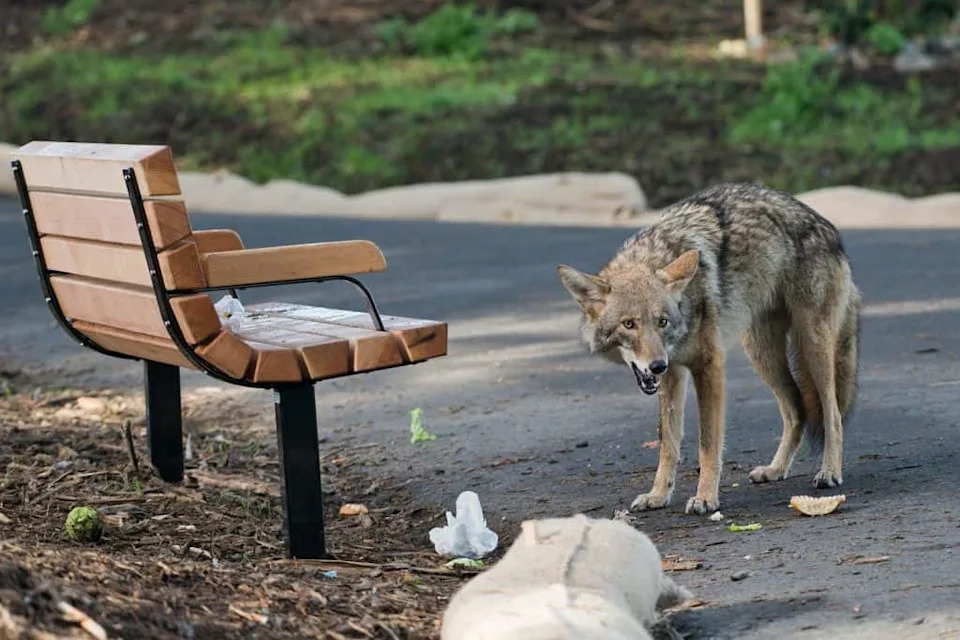
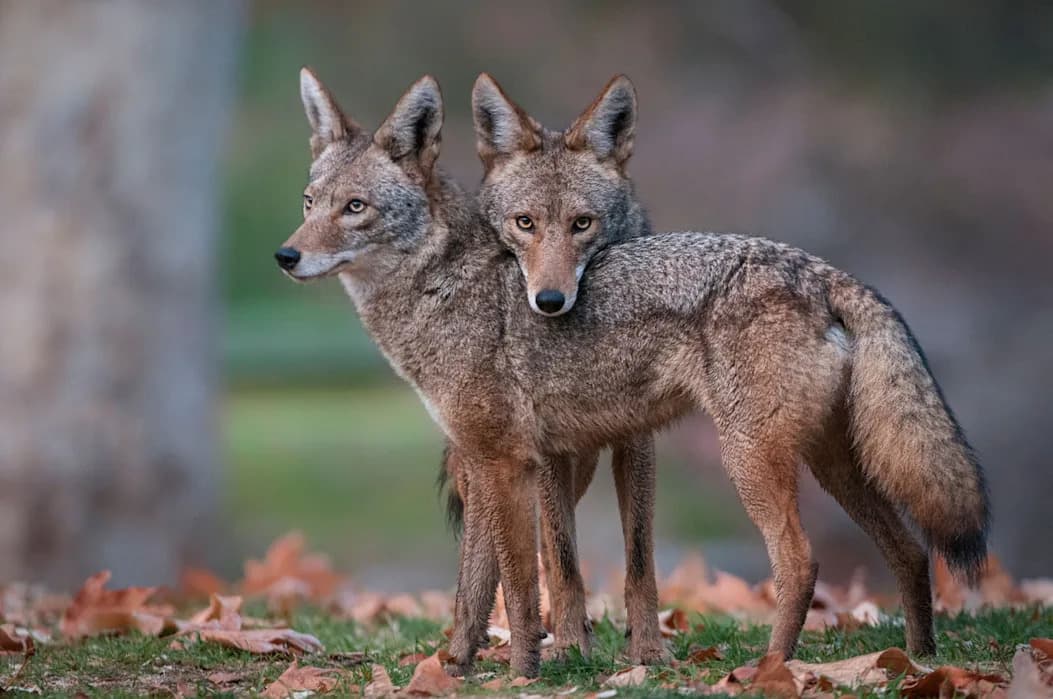
Coyotes are increasingly common in urban and suburban areas. This makes understanding their behavior a priority for researchers.©Matt Knoth/Shutterstock.com(Matt Knoth/Shutterstock.com)
Lifelong Pairing and Genetic Monogamy
Field studies across urban, suburban and wild landscapes demonstrate that once a male and female coyote pair up, they frequently stay together for years and often until one partner dies. Genetic testing of parents and offspring confirms a high degree of sexual exclusivity—genetic monogamy—within many of these pairs, a pattern that is uncommon among wild mammals and particularly notable for carnivores facing changing environments.
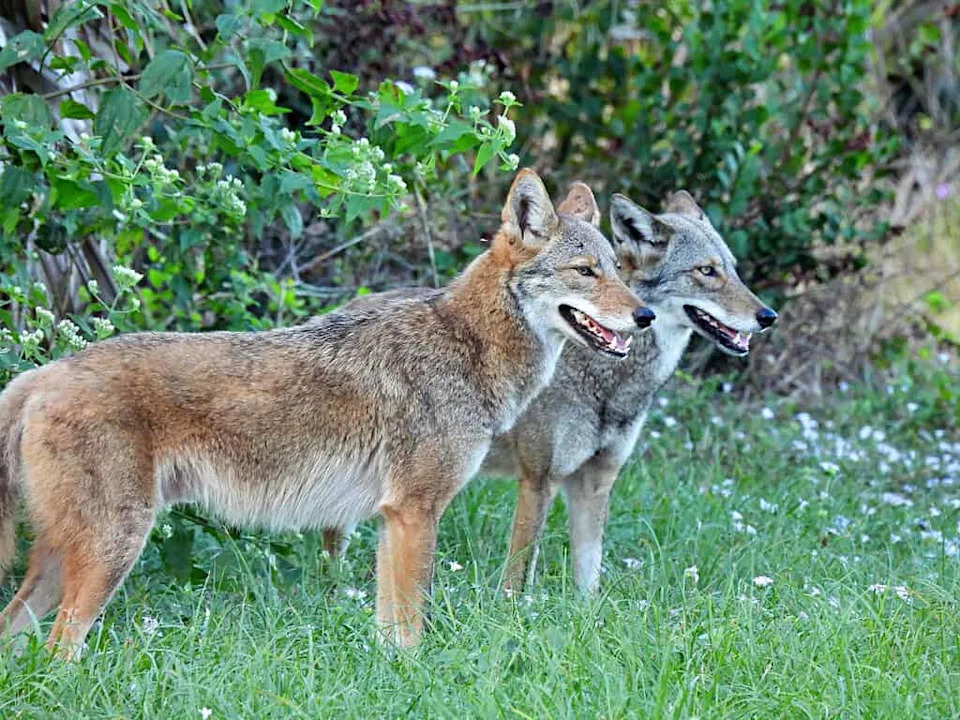
Regardless of habitat, coyotes show a tendency to form lifelong pairs.©iStock.com/passion4nature(iStock.com/passion4nature)
Cooperative Parenting and Territory Defense
Enduring pair bonds offer clear survival advantages. Cooperative parenting lets one adult hunt while the other guards the den or cares for pups, reducing exhaustion and increasing pup survival. Stable pairs also defend territories more effectively through patrolling and scent marking, securing access to food and lowering the frequency of conflict. In human-dominated landscapes, where hazards include traffic, development and management actions, having a reliable partner can be a critical strategy for navigating risk.
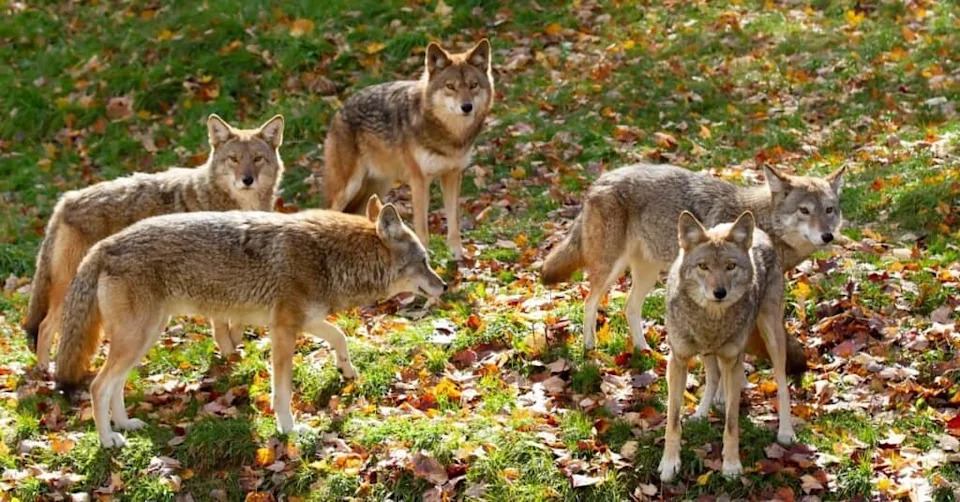
Coyotes sometimes form multigenerational family packs.©Jim Cumming/Shutterstock.com(Jim Cumming/Shutterstock.com)
Family Groups and Delayed Dispersal
Social life often extends beyond the pair. Juveniles typically disperse from their natal group between about 6 months and 2 years of age, but in some populations older offspring delay dispersal and remain with parents. These helpers can assist in defending territory and caring for younger pups, creating small multigenerational family groups that rely on cooperation rather than the rigid dominance hierarchies seen in wolves.
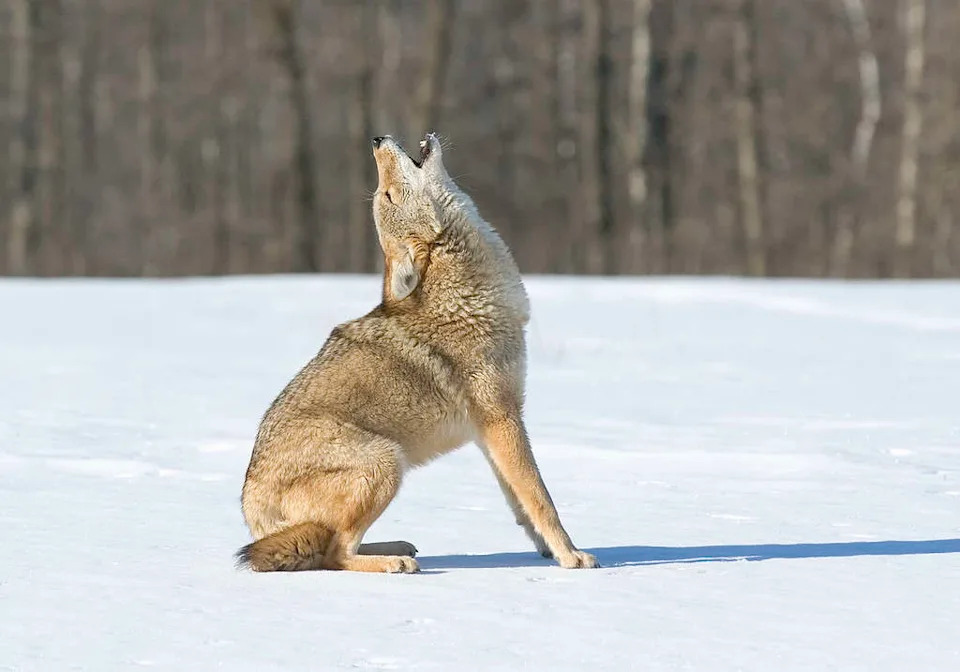
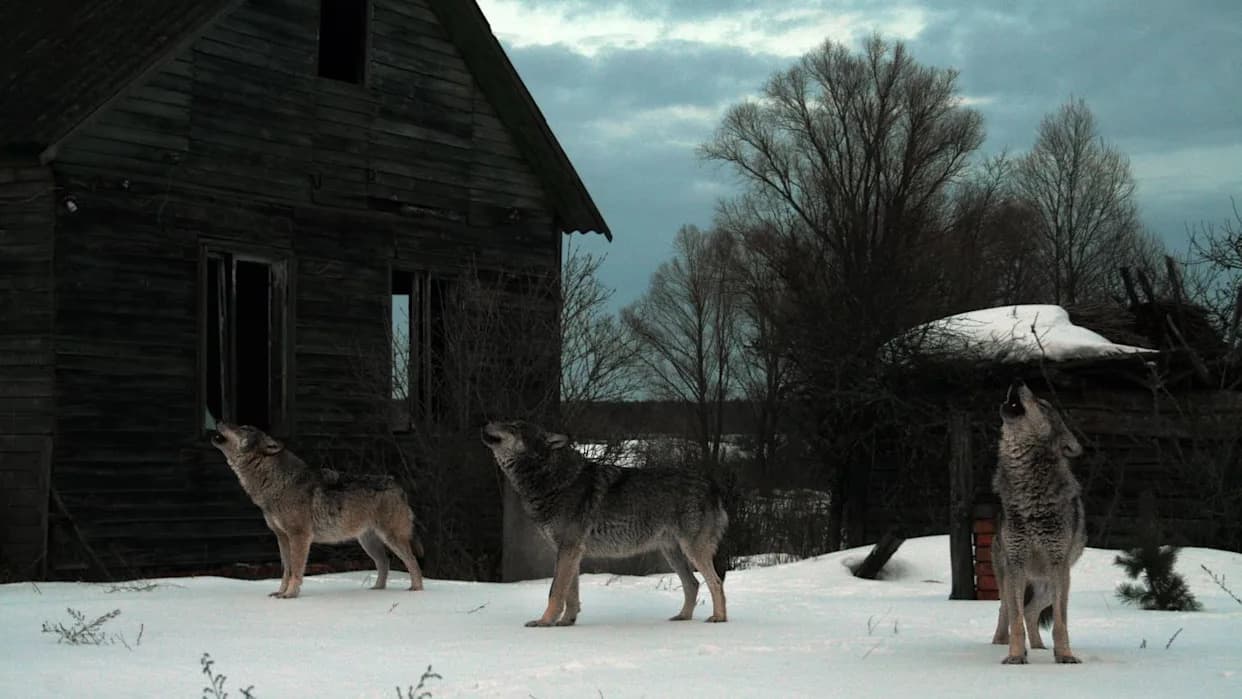
Coyotes may howl more often after losing a mate.©John Pitcher/iStock via Getty Images(John Pitcher/iStock via Getty Images)
Communication and Individual Recognition
Coyotes use scent marking and vocalizations to identify territory and maintain social bonds. Scent cues play an important role in individual recognition and in preserving pair relationships. Vocalizations, including howls, help family members coordinate movement and warn intruders, reinforcing group cohesion.
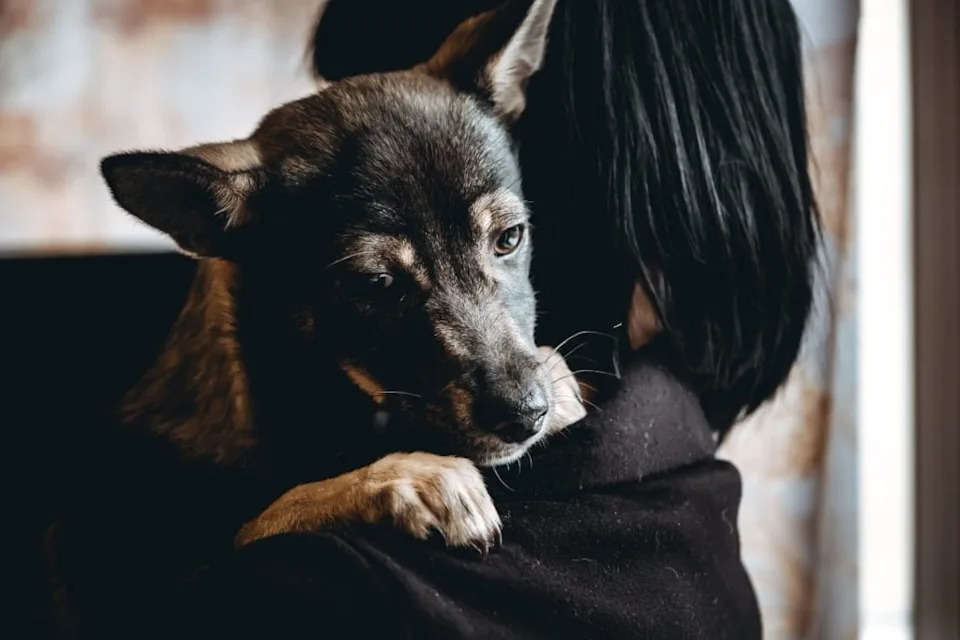
Dogs grieve the loss of human companions they have bonded with, not just other dogs.©Hanna Taniukevich/Shutterstock.com(Hanna Taniukevich/Shutterstock.com)
Behavioral and Physiological Responses to Partner Loss
When a coyote loses its mate, researchers have documented consistent changes in behavior: increased howling that can persist for weeks or months, revisiting locations associated with the missing partner, reduced appetite, lower activity and altered posture. These patterns suggest prolonged stress rather than a brief shock response.
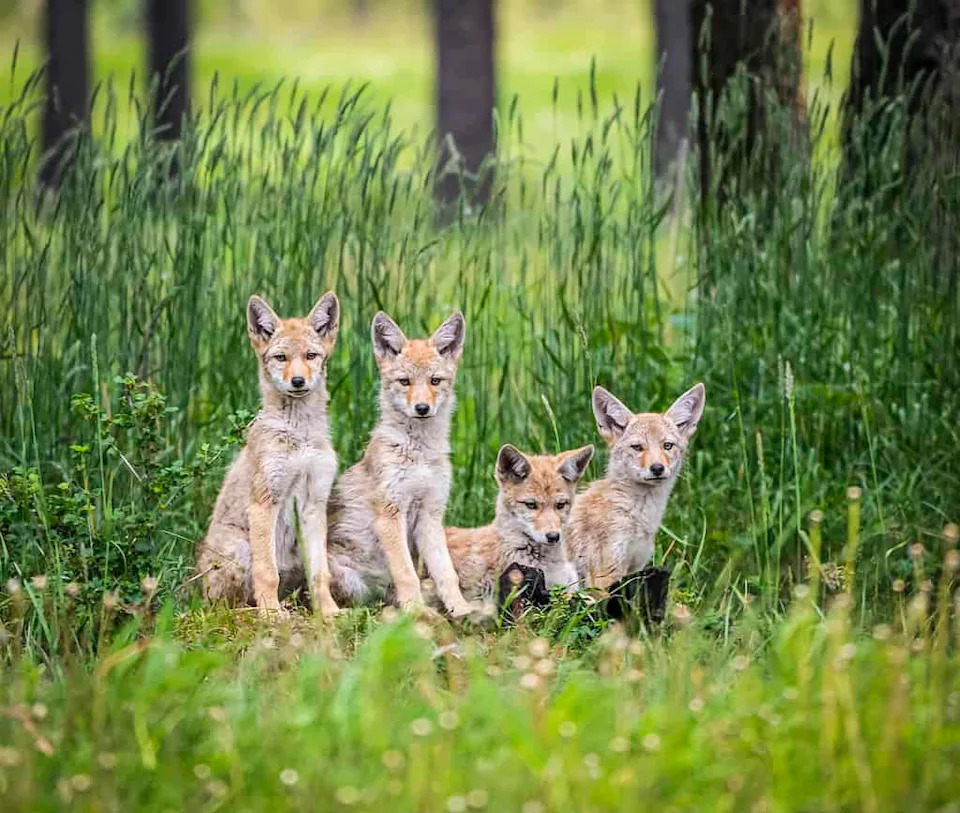
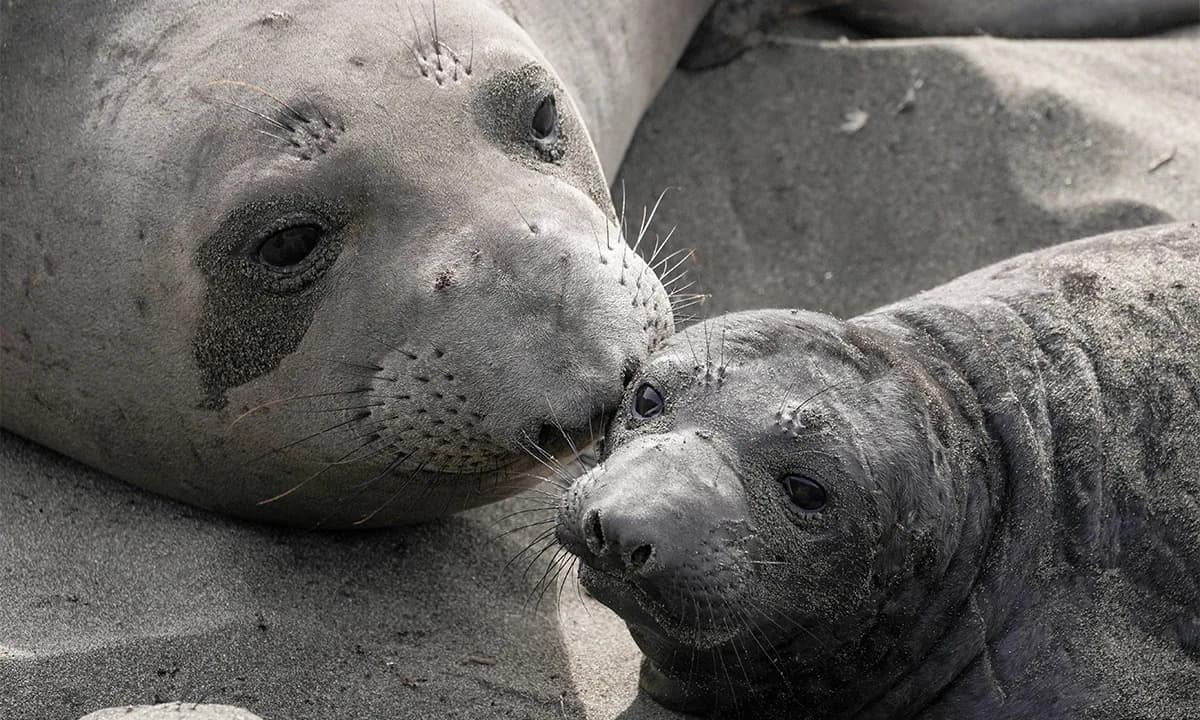
Lethal culling of coyote populations can result in an increase in their numbers, as more animals breed when pack structure breaks down.©Annie Hewitt/iStock via Getty Images(Annie Hewitt/iStock via Getty Images)
Physiological studies have investigated stress systems such as corticotropin-releasing factor and downstream cortisol release. Analyses of tissue from deceased coyotes have revealed differences in stress-related receptor activity in brain regions tied to memory and olfaction. Such neural shifts may explain why widowed coyotes search familiar routes and respond strongly to partner-linked scent cues, though sample sizes are still small and further work is needed.
Comparisons With Other Species and Relevance to Dogs
Comparative research links coyote findings to laboratory models like prairie voles, which also show altered motivation and stress responses after mate loss. Because domestic dogs share many of the same attachment systems as coyotes, this work helps explain why dogs sometimes exhibit grief-like behaviors—reduced appetite, sleep disruption, withdrawal or increased vocalization—after losing a companion, human or animal.
Management Implications
Recognizing coyotes as social animals clarifies why some population control strategies backfire. Lethal removal that breaks pair bonds and family structure can destabilize territories, attract new immigrants and stimulate increased breeding, sometimes causing local numbers to rise. Management that considers social dynamics and nonlethal coexistence measures is more likely to yield predictable outcomes.
Conclusions
Evidence that many coyotes form long-term partnerships and show consistent responses to partner loss reshapes how we view this species. Rather than strictly solitary opportunists, many coyotes are cooperative animals whose long-term relationships influence reproduction, territorial stability and resilience in human-shaped environments. Continued research will refine our understanding of attachment in wild carnivores and inform more thoughtful coexistence strategies.
Help us improve.