Ras Ein al-Auja, a Palestinian shepherding village in the southern Jordan Valley, was emptied after years of escalating settler harassment, theft and intimidation. Nearly 120 extended families—over 800 people—left after armed settlers and newly built outposts closed in, with residents reporting theft of water, stolen livestock and power cuts. Rights groups, including B’Tselem and OCHA, count the displacement among dozens of shepherding communities uprooted since October 2023 and warn it echoes patterns of forced dispossession.
“We Are Reliving the Nakba”: West Bank Village Emptied as Settler Violence and Land Seizures Intensify
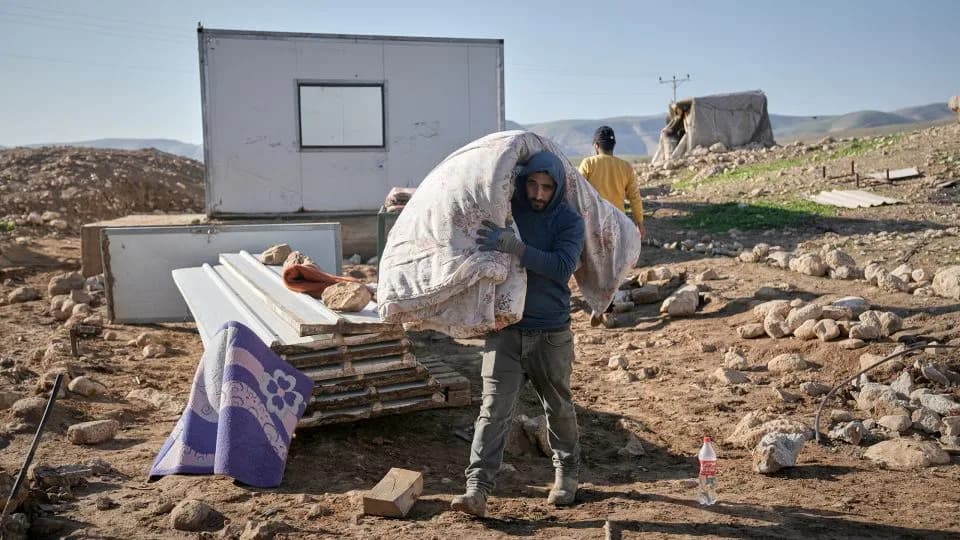
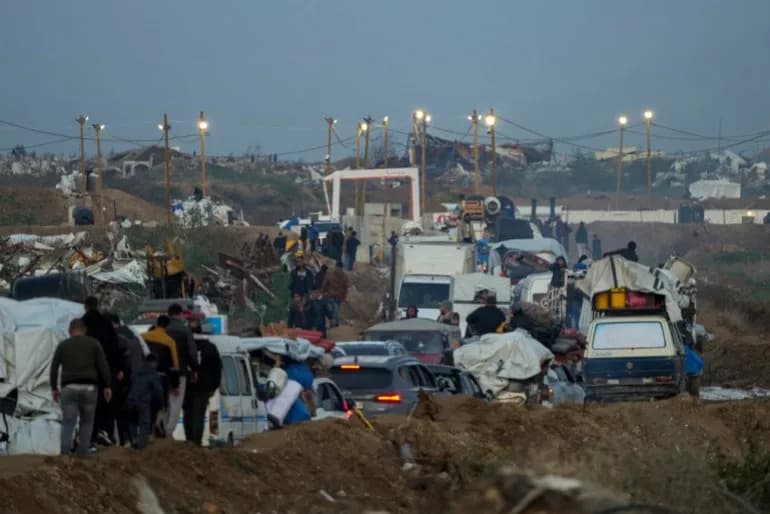
Palestinian residents of Ras Ein al-Auja village, West Bank pack up their belongings and prepare to leave their homes after deciding to flee mounting settler violence, Friday, Jan. 16, 2026. (AP Photo/Mahmoud Illean) - Mahmoud Illean/AP
Suleiman Ghawanmeh says he has reached the limit of speaking out. For more than a decade he pleaded for help until he concluded words alone could not protect his community from being driven away. After his final requests went unanswered, he left too.
“I am angry with the world… nobody listens to us… it’s as if we are not human beings,” Ghawanmeh told CNN.
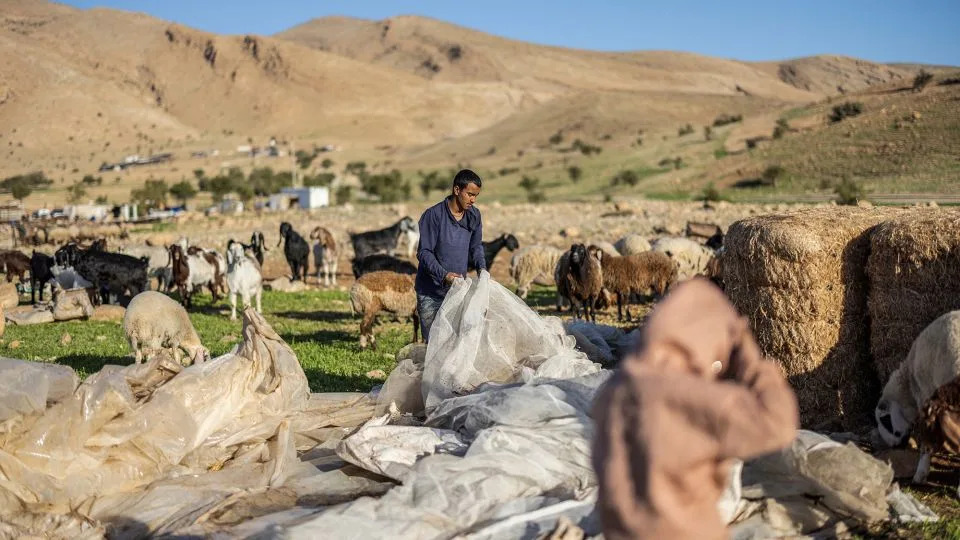
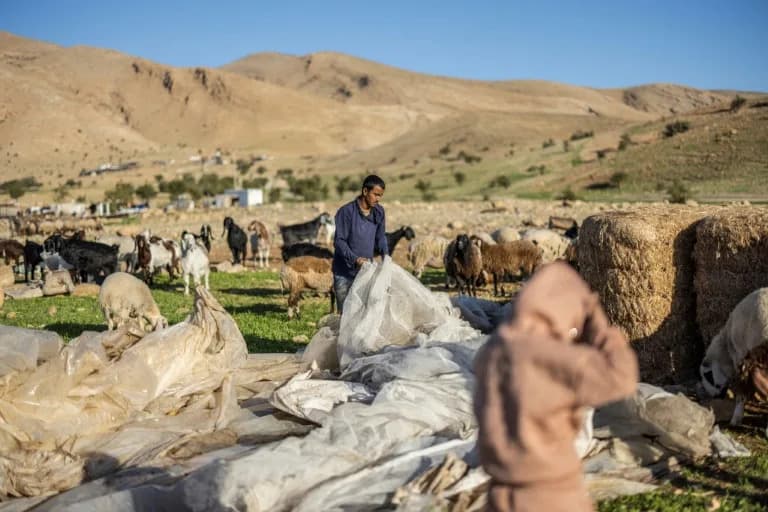
A Bedouin man gathers plastic sheeting as families begin to gather their belongings to leave their homes after continues harassment from Israeli right-wing settlers in Ras Ein al-Auja, near the city of Jericho in the Israel-occupied Palestinian West Bank on January 11, 2026. - Ilia Yefimovich/AFP/Getty Images
Ras Ein al-Auja, a Palestinian shepherding village in the southern Jordan Valley of the occupied West Bank, has been effectively emptied after years of persistent settler harassment that escalated sharply over the past two years. Residents and rights groups say a campaign of violence, theft and intimidation left nearly 120 extended families—more than 800 people—forced to abandon their homes by the end of January 2026.
Daily Harassment and Escalation
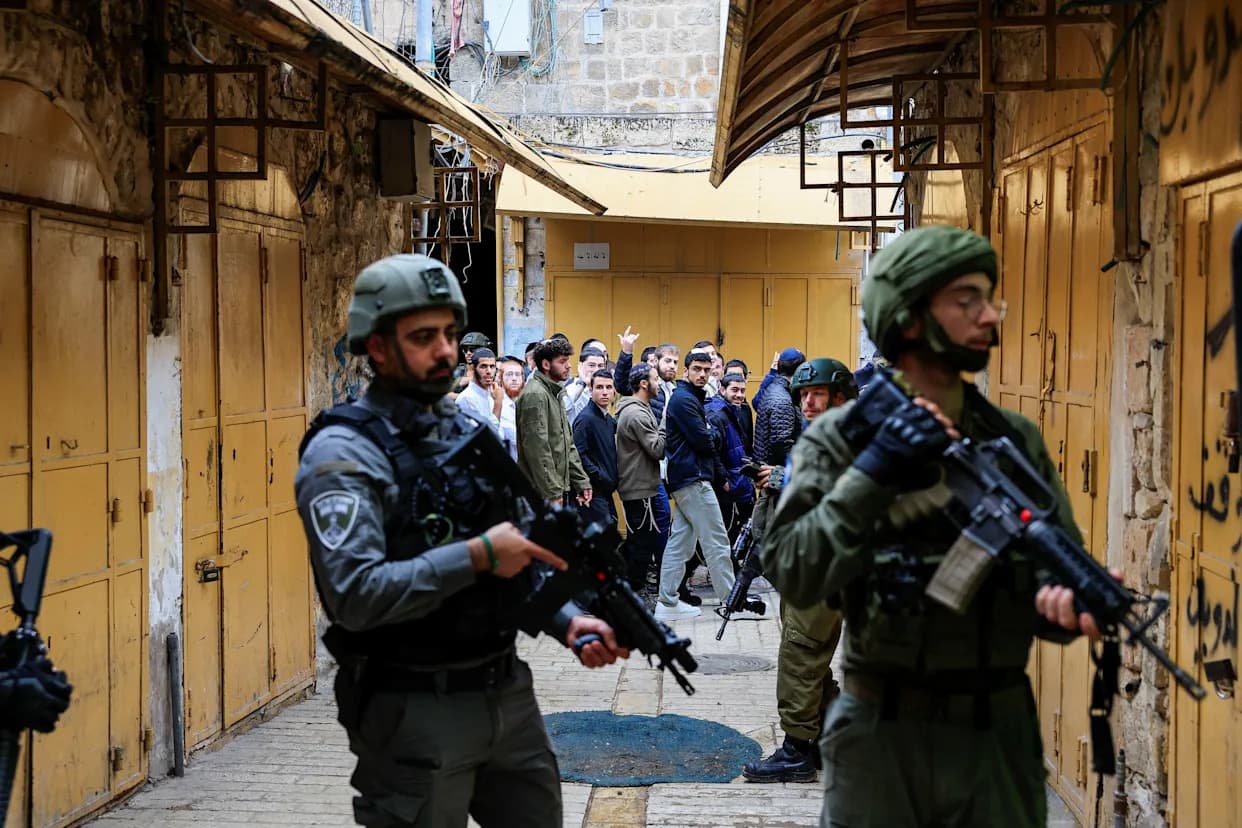
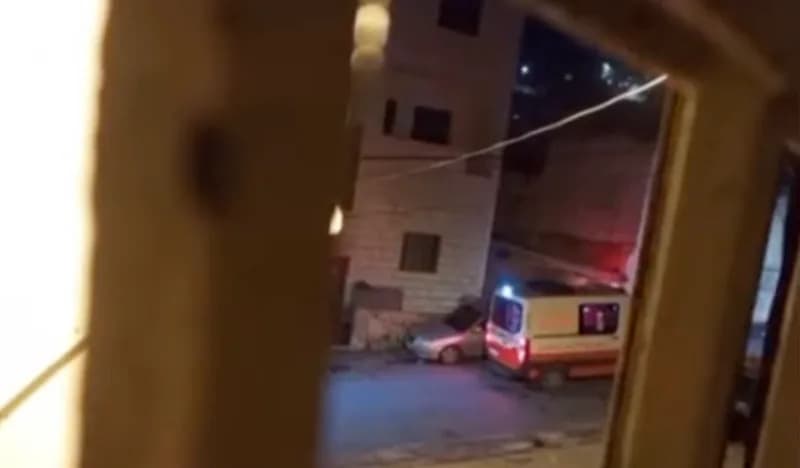
According to residents, activists and video reviewed by CNN, armed and masked settlers—many of them teenagers—began entering Ras Ein al-Auja daily, terrorizing families and damaging vital infrastructure. Reported attacks include theft or destruction of water tanks, cutting electricity lines, vandalism of sheep pens, and the stealing of thousands of livestock. Community members say these actions have been accompanied by either direct support from, or passivity by, Israeli security forces on the ground.
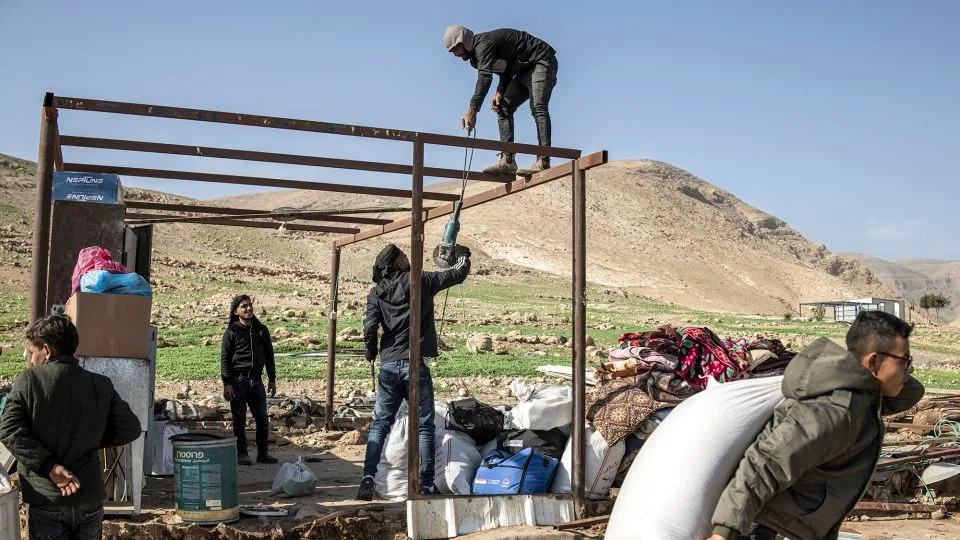
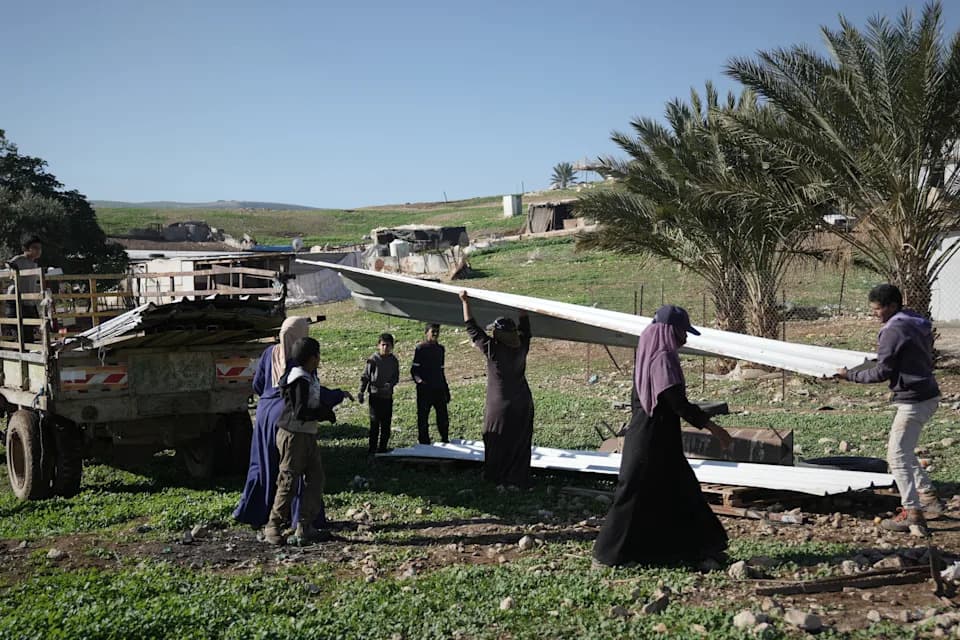
Men help dismantle a house as a Bedouin family pack their belongings and leave their home after months of harassment from a nearby illegal Israeli settler outpost in Ras Ein al-Auja, near Jericho in the Israel-occupied Palestinian West Bank on January 8, 2026. - John Wessels/AFP/Getty Images
“We didn’t get displaced because a shepherd or a settler attacked us. No. The issue is bigger than that. The shepherd is a tool — a means of the occupation,”
— Suleiman Ghawanmeh, former resident
Outposts, Land Declarations and Accusations
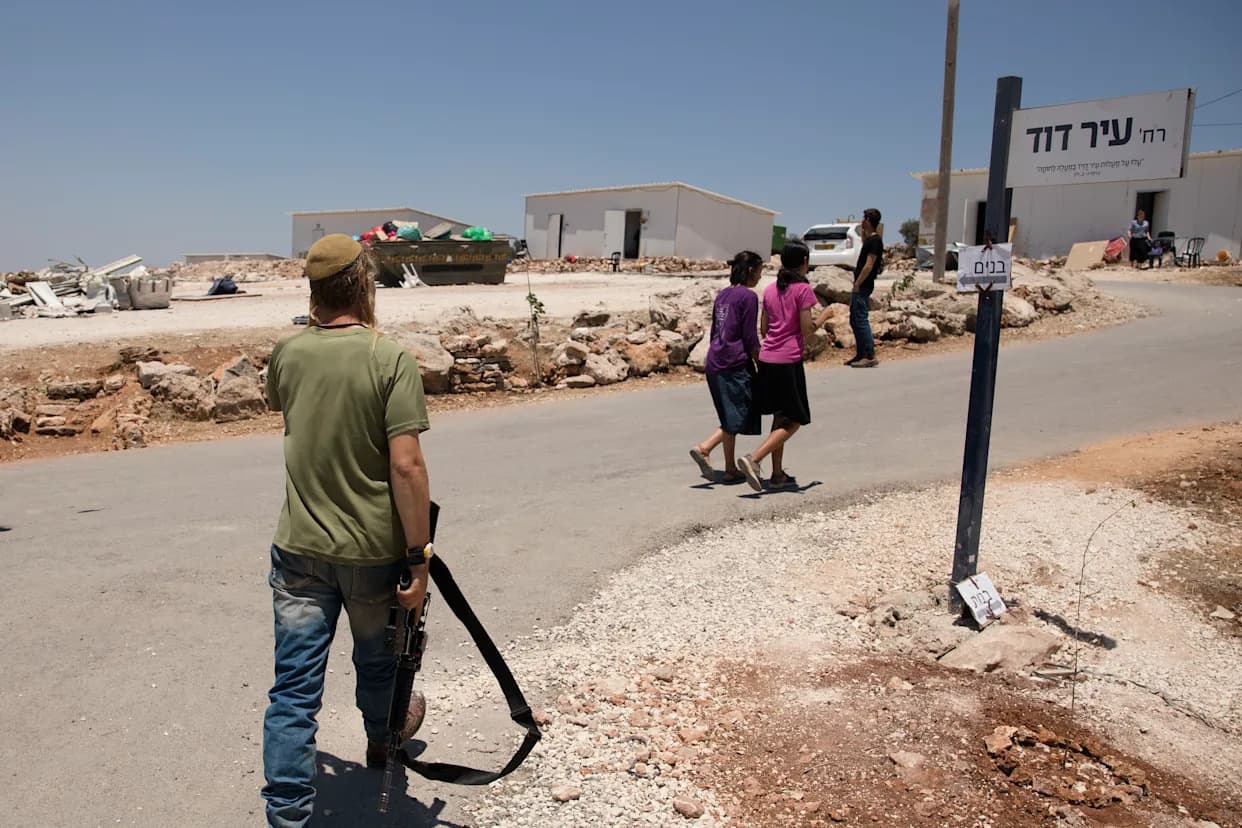
Humanitarian and rights organizations report that settlers established four new illegal outposts around the village since April 2024 (OCHA), bringing them closer to Palestinian homes. Israeli rights group B’Tselem counts Ras Ein al-Auja as the 46th shepherding community in the West Bank forcibly displaced since October 7, 2023, and characterizes the pattern as a form of "ethnic cleansing." The Israeli military said it "views violence of any kind with severity and condemns it," but residents say the force’s actions on the ground fell short of that language.
In June 2024 Israel declared roughly 3,000 acres of the Jordan Valley—including Ras Ein al-Auja—state land, the largest such seizure since the Oslo Accords, according to Peace Now. That designation restricts Palestinian use and access and, critics say, is a mechanism for consolidating control over occupied territory.
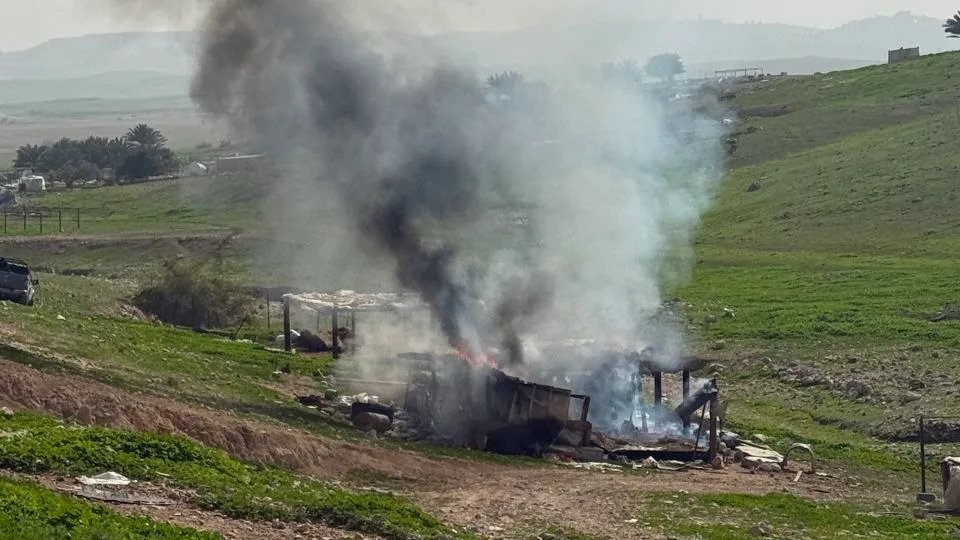
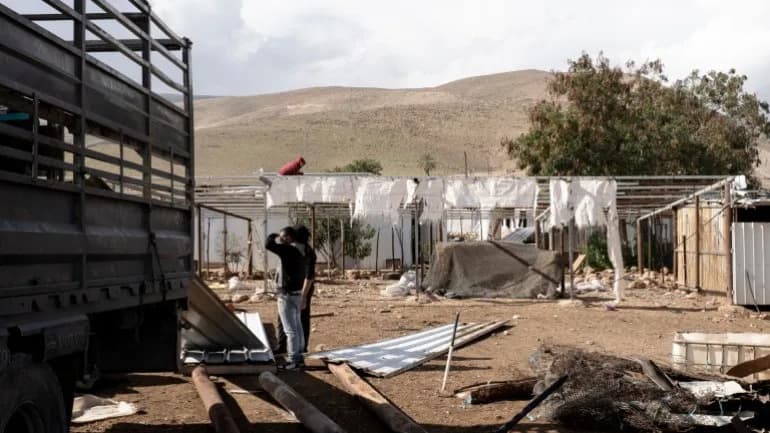
Palestinian Bedouins burn the remains of their homes after being forcibly displaced from Ras Ein al-Auja. Credit: - Zeena Saifi/CNN
Displacement, Destruction and Memory
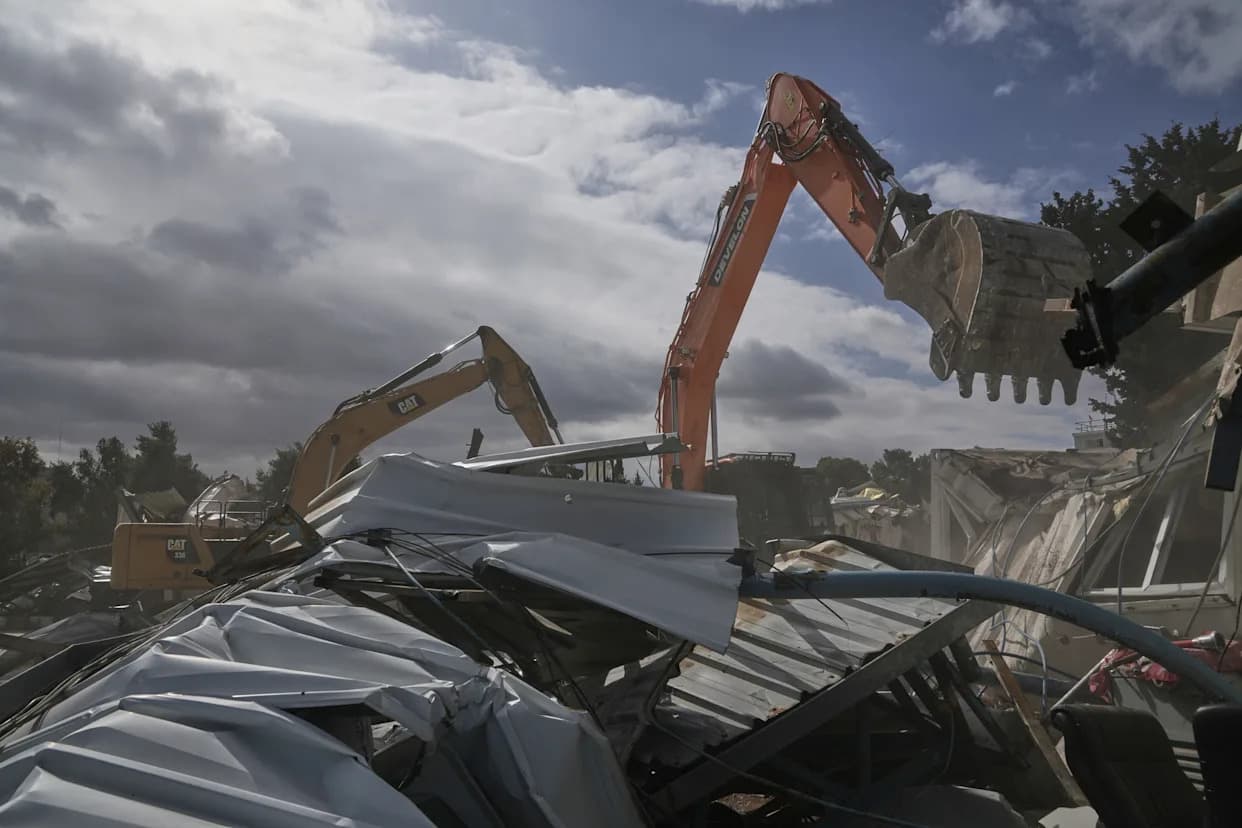
Families dismantled their own homes, pulling apart metal panels to try to rebuild elsewhere. Women and children packed belongings into pickup trucks; items that could not be moved were burned so settlers would not profit from them. Men spray-painted messages such as "the last displacement 2026" and "the third Nakba" on sheds—invoking the Nakba of 1948, when roughly 700,000 Palestinians fled or were expelled from their homes.
Ghawanmeh’s family had already been displaced twice before—first in 1948 from a village near Be’er Sheva and again in 1967 after the Six-Day War. Now, forced from their home for a third time, they are camped about two miles away and uncertain of where to go next.
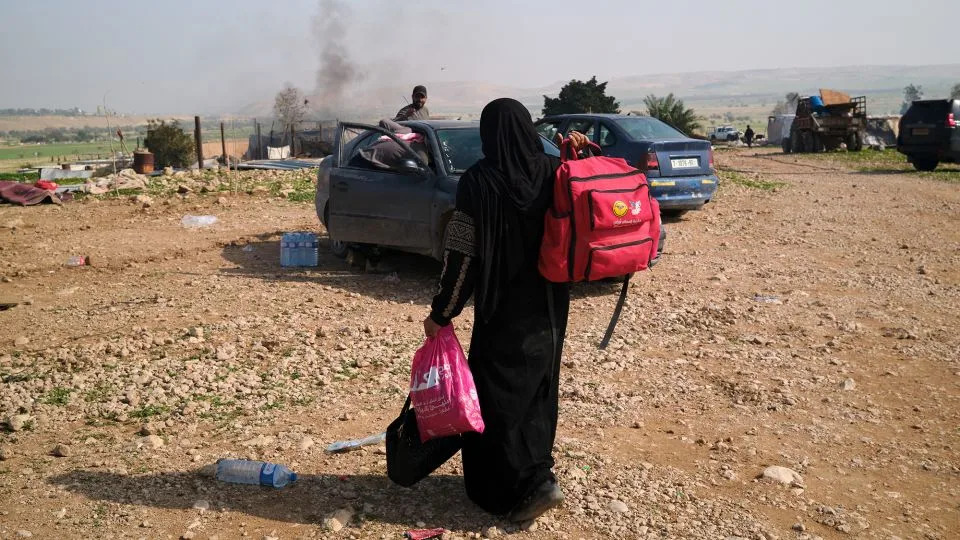
A Palestinian Bedouin woman grabs her belongings from a village that was her home for 45 years, forced to be displaced. Credit: - Jeremy Diamond/CNN
“There is no more life in Ras Ein al-Auja. We are reliving the Nakba,”
— Haitham Zayed, 25, former resident
The human toll—loss of homes, livelihoods and access to water and pasture—adds to broader concerns among rights groups and humanitarian agencies about the displacement of Palestinian shepherding communities across the West Bank. Local activists and international organizations continue to document the situation and press for protection and accountability.
Reporting note: This account draws on interviews with former residents, video evidence reviewed by CNN, and statements from human rights and humanitarian organizations cited in reporting.
Help us improve.