President Trump warned Iran to "Come to the Table," saying that if talks fail "the next attack will be far worse," and announced a large U.S. naval force led by the USS Abraham Lincoln is headed to the region. The administration's tone suggests a possible shift toward military options amid growing concern over Iran's nuclear program. Other top stories: two federal agents placed on leave after a Minneapolis shooting, Chuck Schumer's push for DHS reforms, the Federal Reserve holding interest rates steady, a dip in the U.S. dollar, and an FBI search at the Fulton County election office.
Trump Warns Iran: "The Next Attack Will Be Far Worse" — U.S. Fleet Moves Toward Region
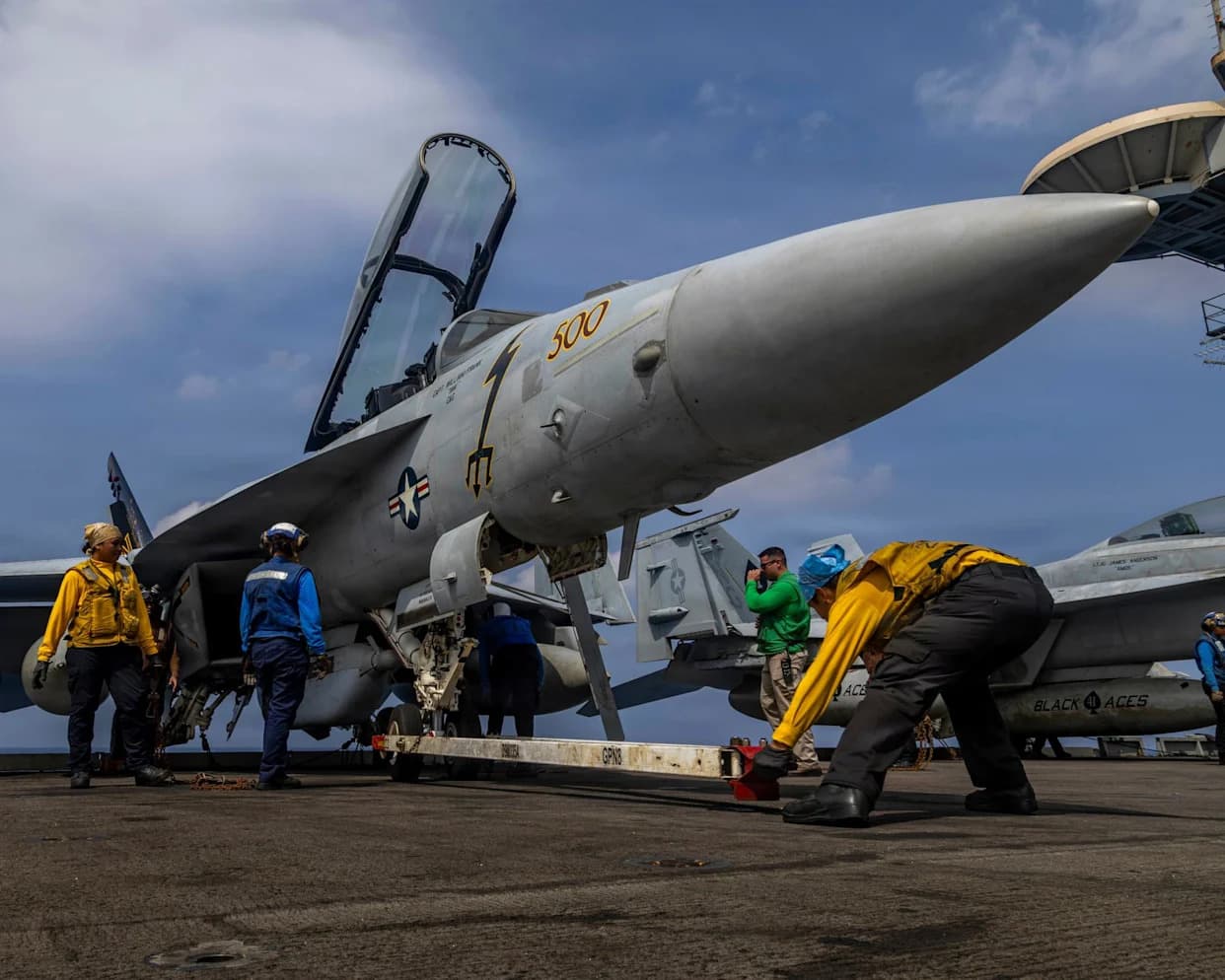
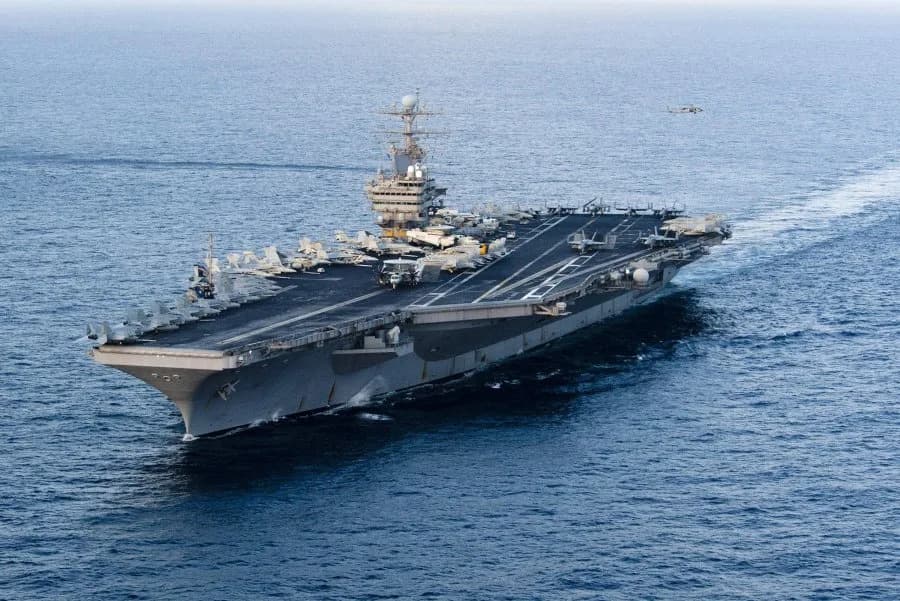
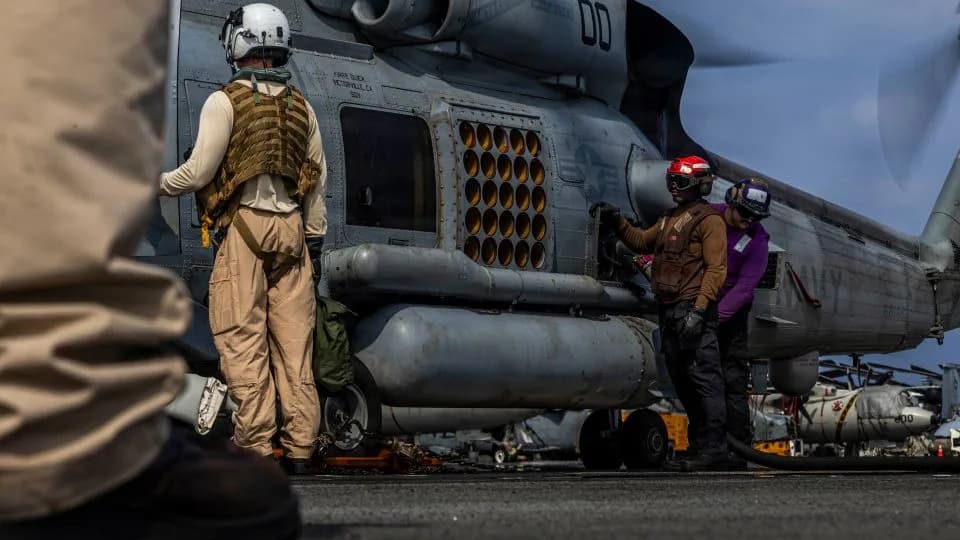
Sailors prepare a Boeing EA-18G Growler on the flight deck of the USS Abraham Lincoln in the Indian Ocean on 21 January.Photograph: Seaman Daniel Kimmelman/AP(Photograph: Seaman Daniel Kimmelman/AP)
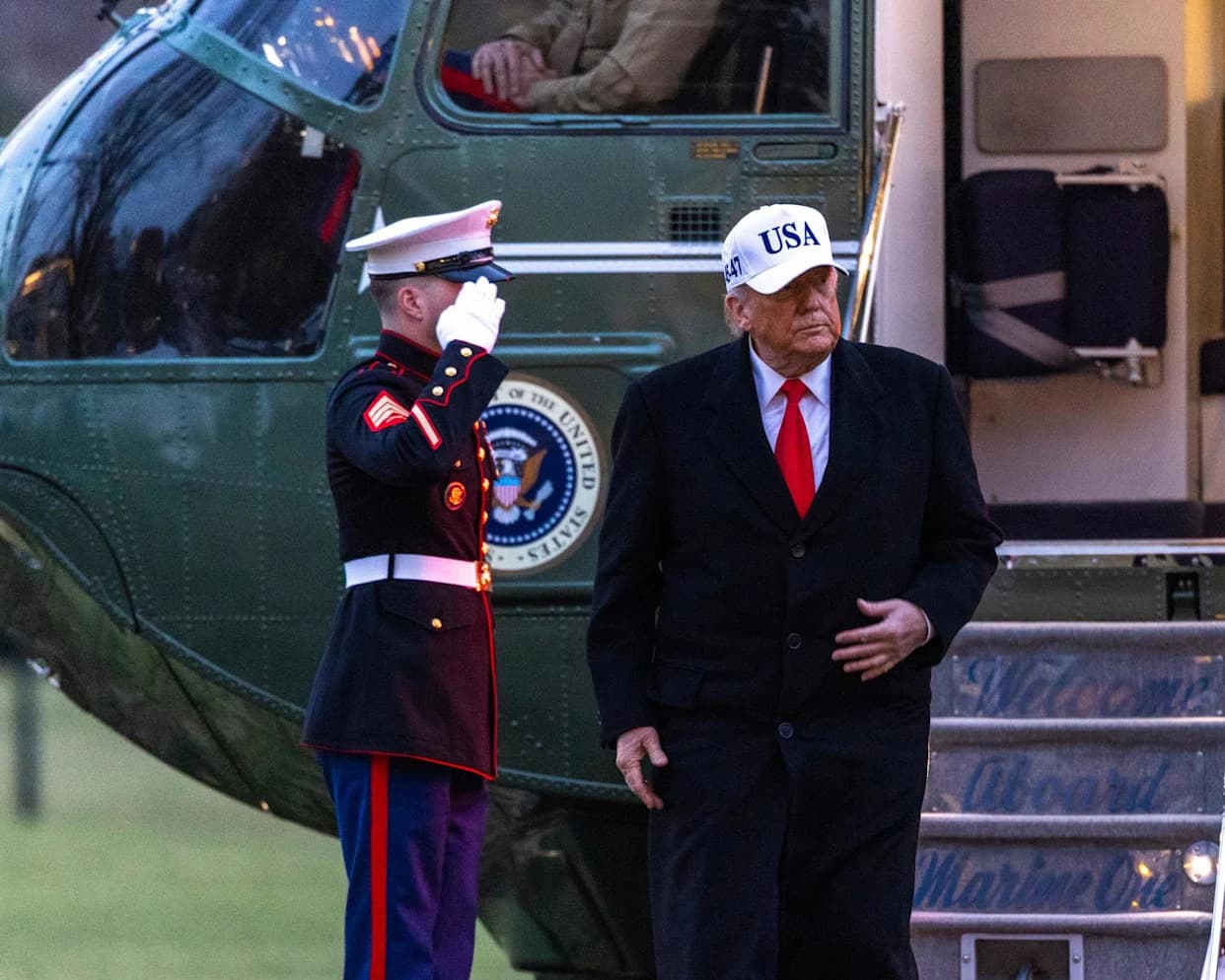
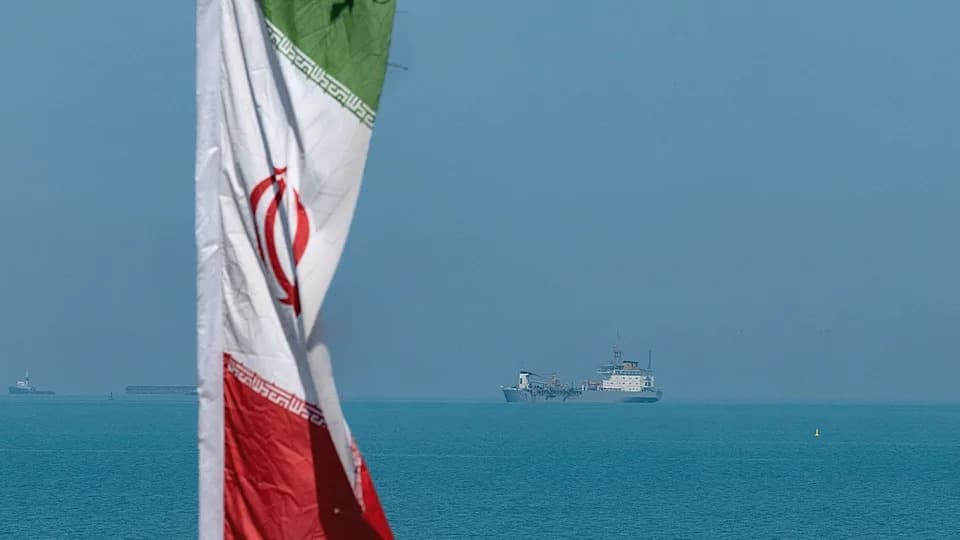
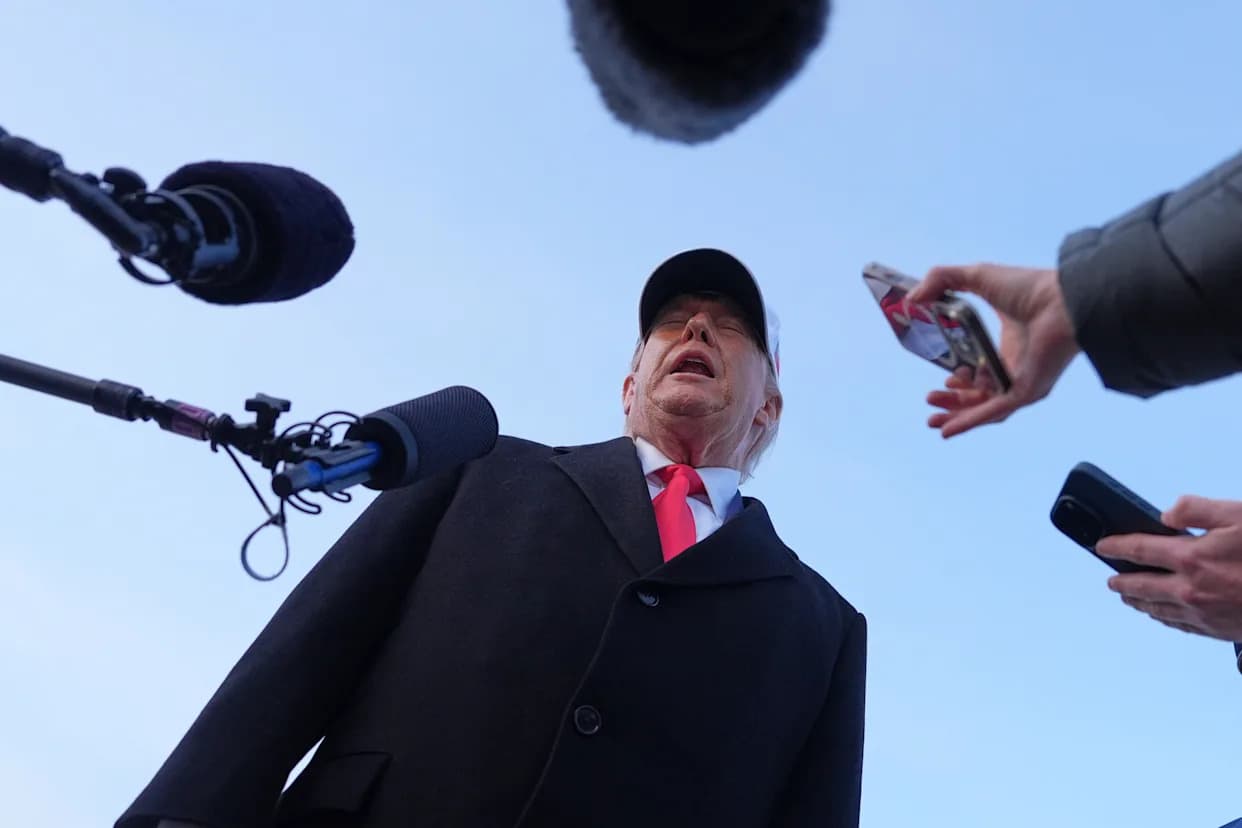
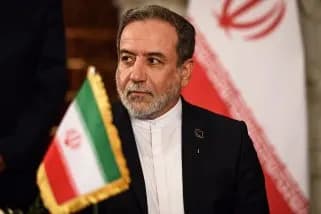
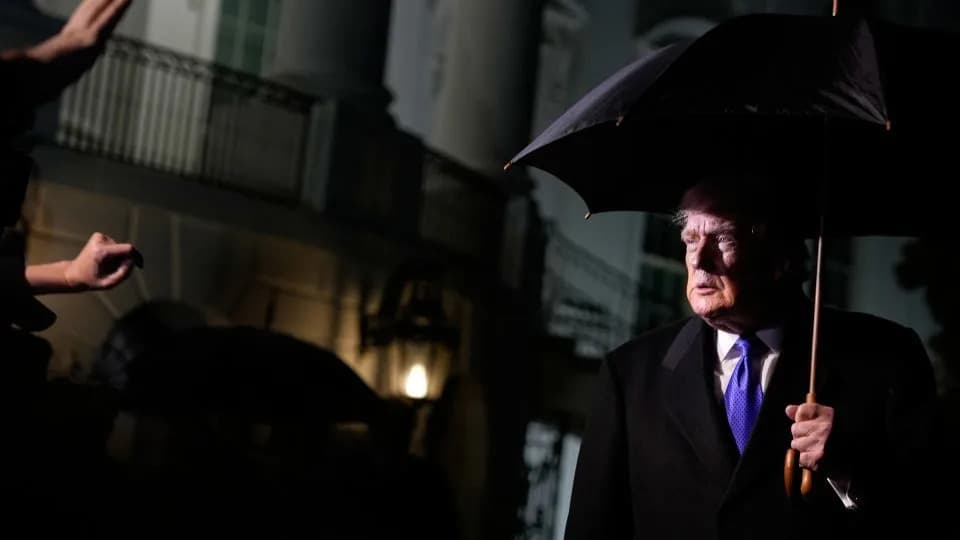
President Donald Trump has again raised the prospect of military action against Iran, urging Tehran to "Come to the Table" and warning that if negotiations fail "the next attack will be far worse." His remarks, posted on social media, were the clearest signal yet that the administration might consider a military strike — a shift in emphasis from earlier public outrage over protesters' deaths to renewed focus on Tehran's nuclear program.
Key Developments
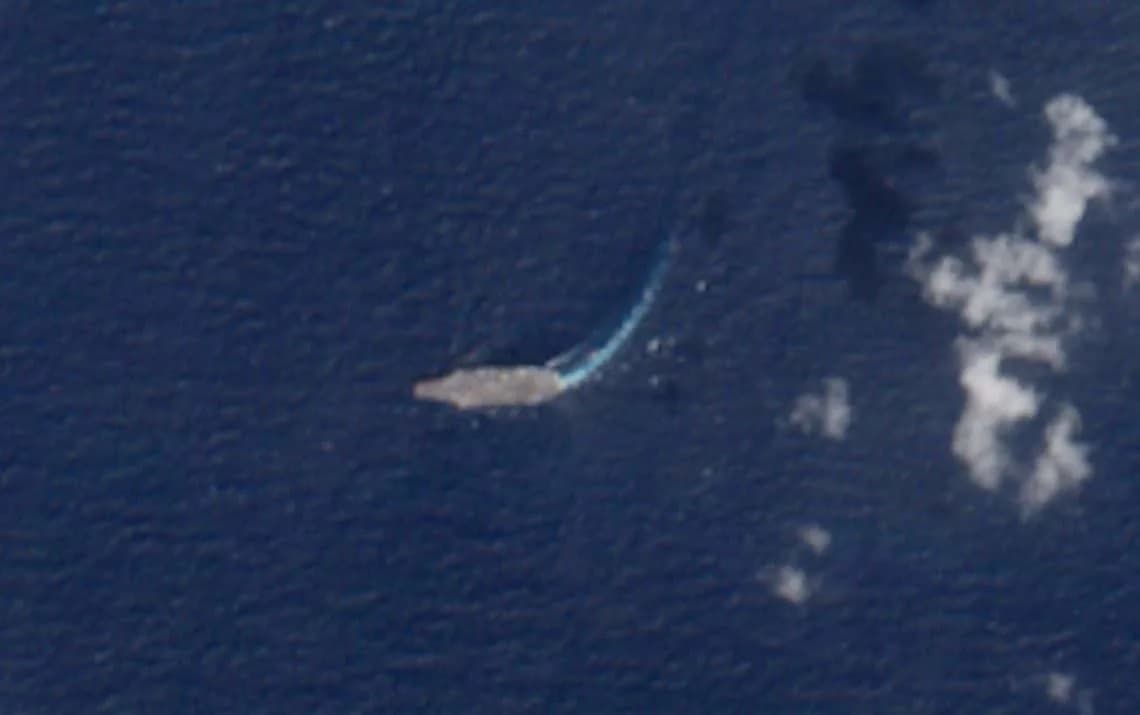
Threat to Iran. Trump wrote that time was running out for Tehran and described a large U.S. naval force moving toward the region "with great power, enthusiasm and purpose." He said the carrier-led fleet was larger than a recent deployment near Venezuela and "is prepared to rapidly fulfil its missions with speed and violence if necessary."
"The next attack will be far worse! Don’t make that happen again." — President Donald Trump
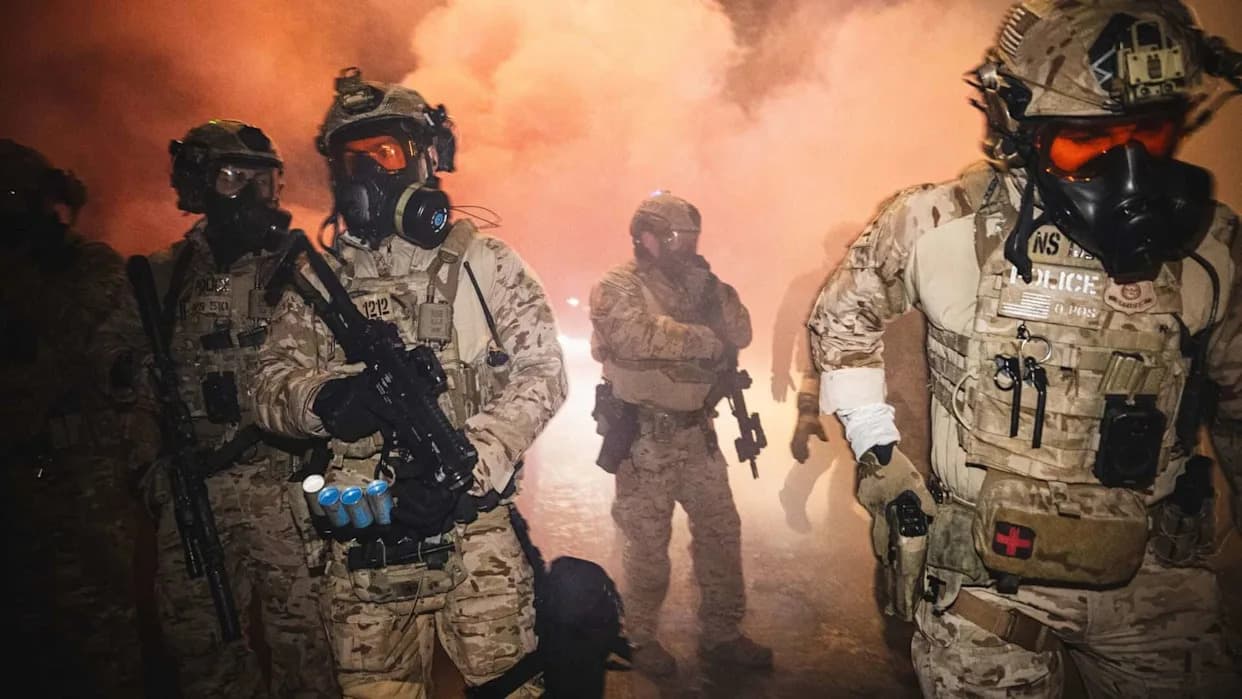
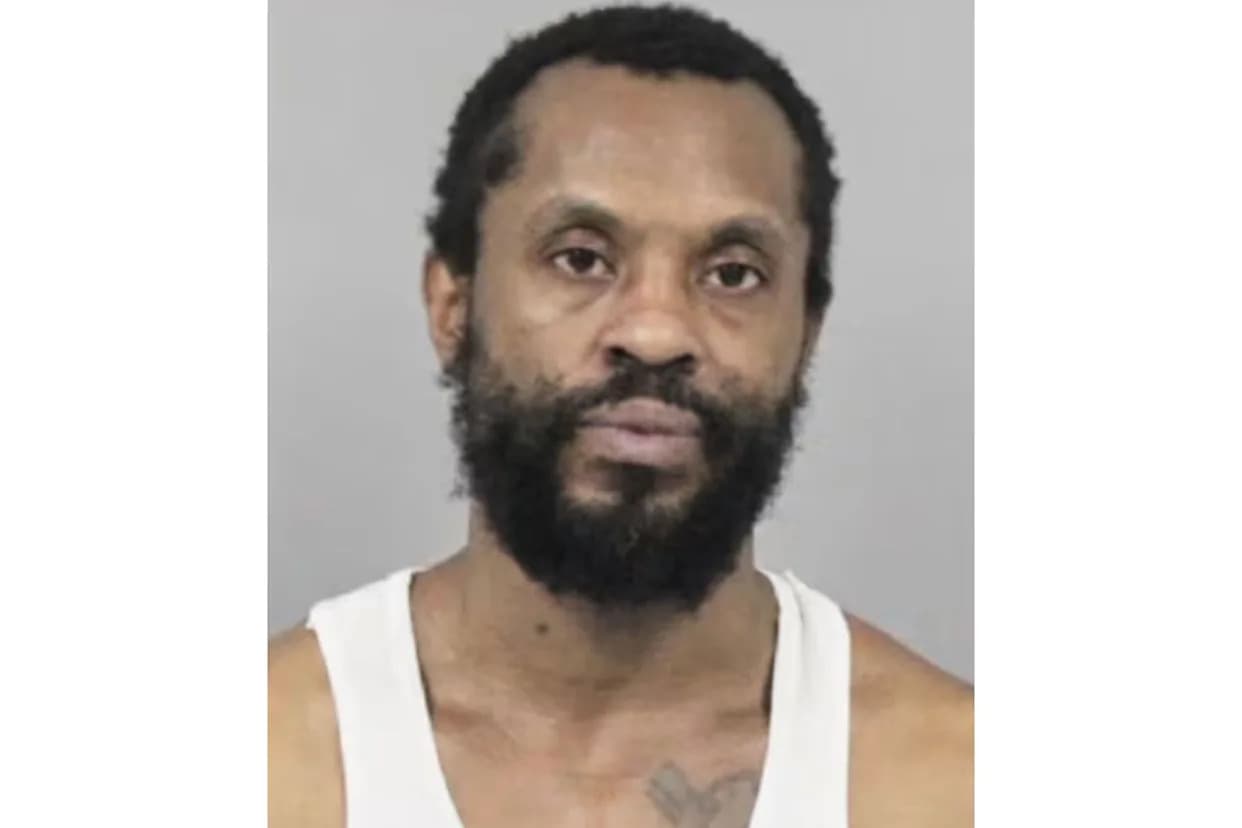
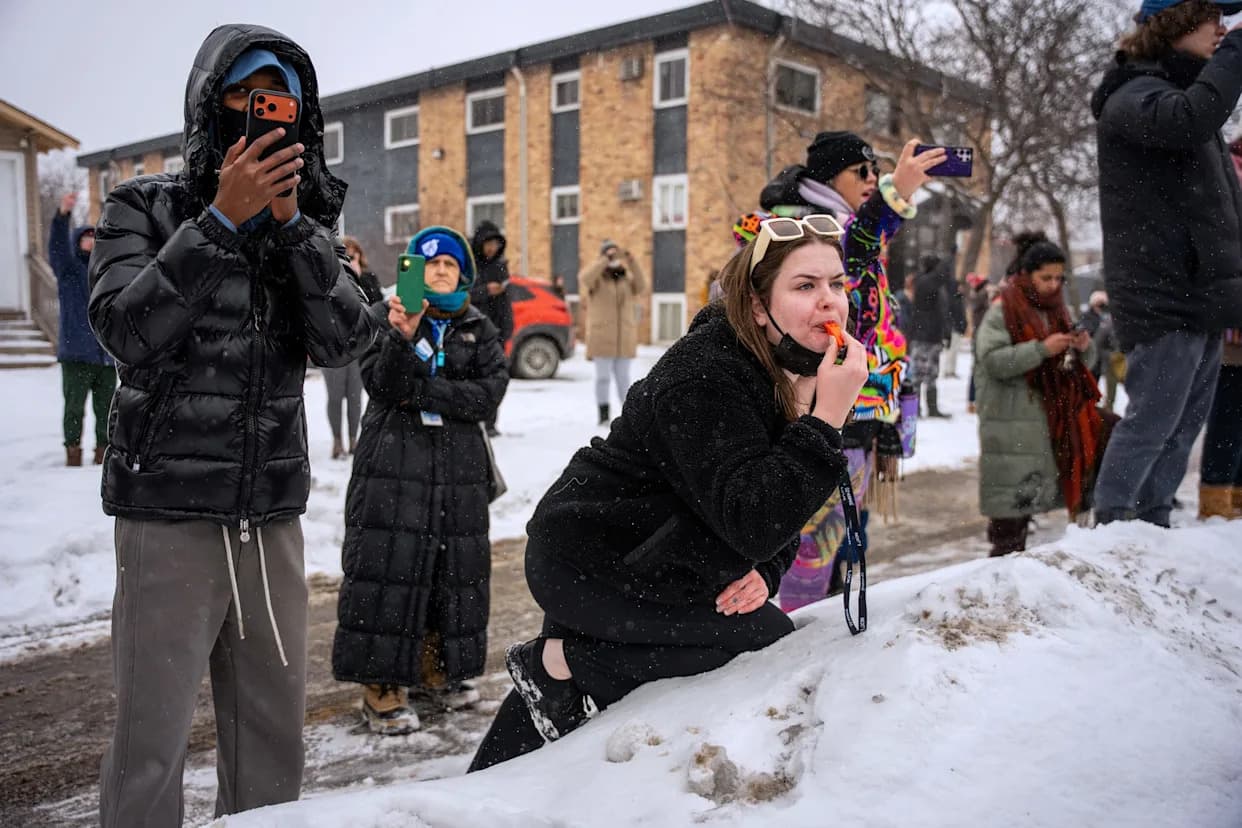
Minneapolis shooting. Two federal agents who fatally shot a man in Minneapolis over the weekend have been placed on administrative leave, the Department of Homeland Security said, even as immigration operations in the city continued.
DHS funding showdown. Senate Democratic leader Chuck Schumer demanded that upcoming legislation funding the Department of Homeland Security include a ban on masks for federal immigration agents and additional enforcement reforms, risking a partisan clash that could complicate funding talks.
Fed holds rates. The Federal Reserve left interest rates unchanged after its first rate-setting meeting of the year, resisting pressure from the White House to cut borrowing costs.
Venezuela tensions. U.S. officials have signaled readiness to take additional action in Venezuela if the interim leadership diverges from U.S. expectations, a stance underscored in recent public comments by U.S. lawmakers and officials.
Markets react. The U.S. dollar fell to its weakest level in four years after President Trump downplayed concerns about the currency's decline, prompting investors to seek safe havens such as gold and the Swiss franc.
EPA policy shift. After a turbulent year under the Trump administration, the Environmental Protection Agency has adopted a markedly different posture — rolling back several regulations and signaling support for coal, less fuel-efficient cars and broader use of new technologies.
Storms and investigations. Tennessee officials reported eight storm-related deaths after a powerful winter system swept parts of the country; forecasters are monitoring another possible storm for the East Coast. Separately, the FBI executed a search warrant at the Fulton County, Georgia, election office, the Atlanta field office said.
What This Means
The president's public threats increase tensions in an already volatile region and create new uncertainty for markets and U.S. allies. Domestic political battles over immigration enforcement, federal funding and oversight—combined with economic signals from the Fed and currency markets—underscore a week of heightened geopolitical and economic risk.
Help us improve.