From regenerating hydras to glowing platypuses and sand-swimming fairy armadillos, nature is full of creatures whose odd looks and behaviors are surprisingly purposeful. This article profiles a dozen such species, explaining the evolutionary adaptations behind their quirks and highlighting where extraordinary science meets everyday survival. Read on for a concise tour of the planet’s most remarkable animals and the fascinating biology that drives them.
These 12 Creatures Are So Strange They Seem Made Up — Nature’s Wildest Adaptations
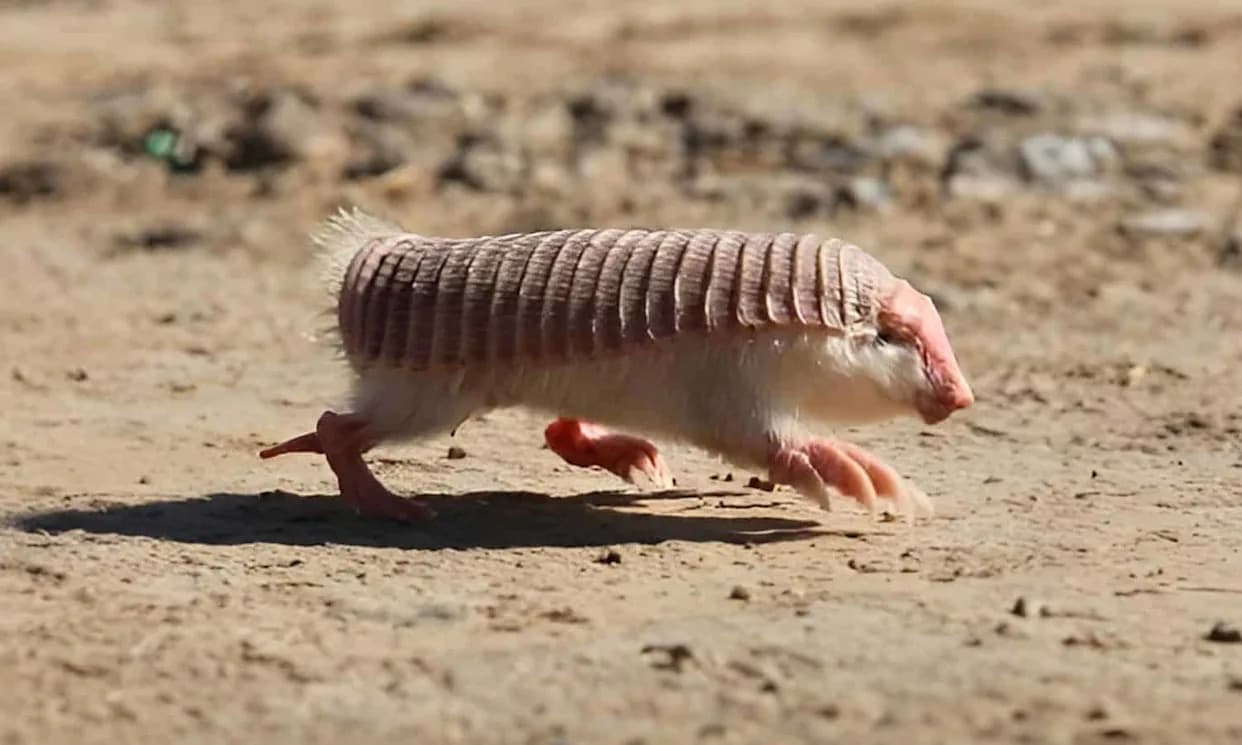
Endangered Pink Fairy Armadillo, the world’s smallest armadillo species, adapted to sandy deserts and grasslands of Argentina© Harsha_Madusanka/Shutterstock.com
The natural world is packed with animals whose appearance and behavior blur the line between reality and fantasy. Many of their odd traits look like they were cobbled together from spare parts, yet each quirk is an adaptation honed by millions of years of evolution. Below is a readable guide to a dozen of the planet’s most astonishing species and the biological reasons their unusual features exist.
©Rattiya Thongdumhyu/Shutterstock.com
Hydra
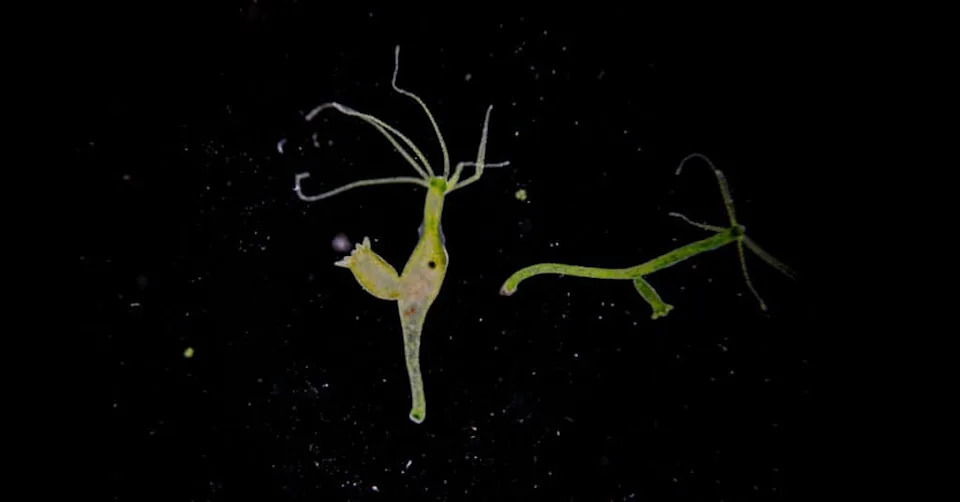
Hydras are tiny freshwater animals known for extreme regenerative abilities and an apparent lack of aging. They reproduce both asexually—by budding, producing clones of the parent—and sexually when conditions worsen. Fertilized eggs develop tough coats and can withstand harsh periods, lingering on the bottom of ponds or streams until conditions improve. Some researchers have speculated that hydras may be biologically non-senescent and could, under ideal conditions, live for very long periods; claims of lifespans like 1,400 years remain unproven.
©Imogen Warren/Shutterstock.com
Kakapo
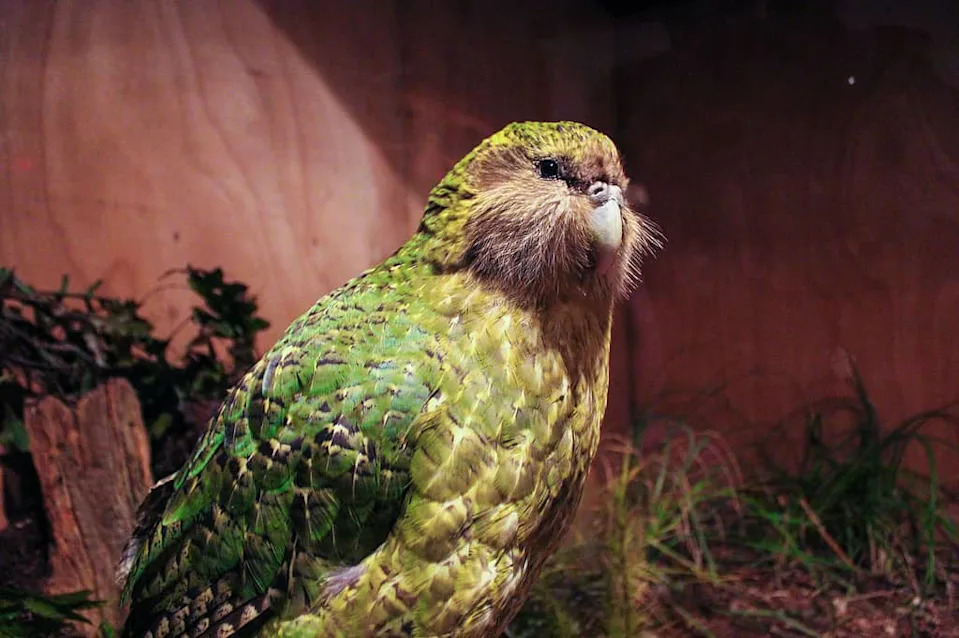
The kakapo is the world’s only flightless parrot and is endemic to New Zealand. This large, nocturnal bird (about 23–25 inches tall and 2–9 pounds) has owl-like facial discs and mossy-green, mottled plumage that provides excellent ground camouflage. Males build display bowls and produce deep, foghorn-like booms that can travel for kilometers; they sometimes repeat these calls nightly for months during the mating season to attract females.
©John Carnemolla/Shutterstock.com
Platypus
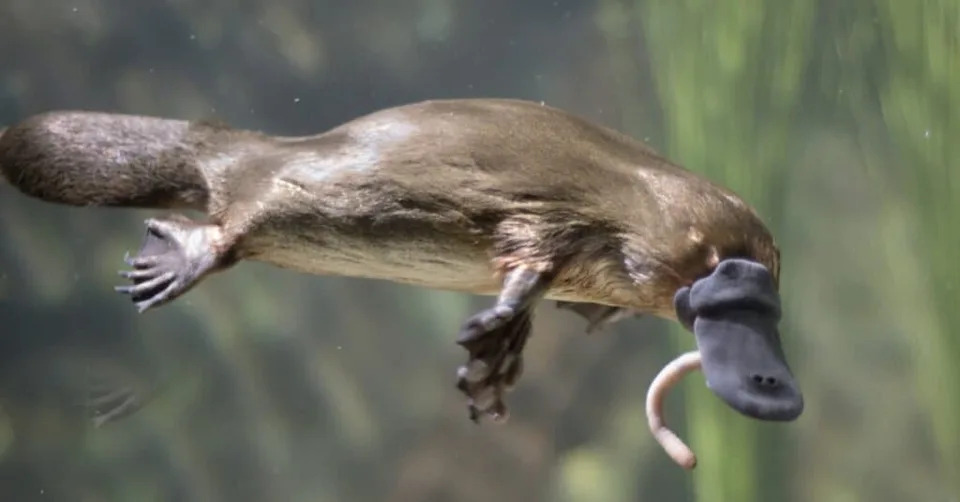
The platypus mixes characteristics from several animal groups: it lays eggs, has a duck-like bill, and males possess venomous spurs on their hind legs. Platypuses locate prey by detecting electrical fields through receptors in their bills—a rare ability shared with a few species such as the Guiana dolphin. Females have two ovaries though only the left is functional; milk is secreted through mammary gland ducts and absorbed by the young rather than delivered from teats. Remarkably, platypuses fluoresce blue-green under ultraviolet light. Lifespans are roughly 12 years in the wild and 17–20 years in captivity.
©Seb az86556 / CC BY-SA 3.0 -Original/License
Solenodon
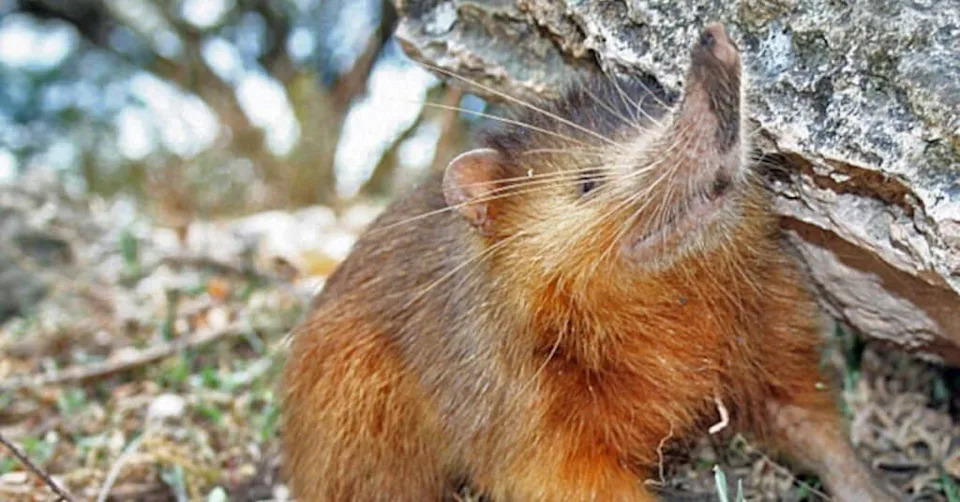
The solenodon is a nocturnal insectivore found on the Caribbean island of Hispaniola (Haiti and the Dominican Republic). It resembles a large shrew or rat and has a long, nearly hairless tail. Notably, solenodons are one of the few venomous mammals: grooves in their lower incisors deliver a toxin that can immobilize small prey. Females have unusual teat placement (one on the back and one near the rump), and adults generally live around 11–12 years.
©GUDKOV ANDREY/Shutterstock.com
Komodo Dragon
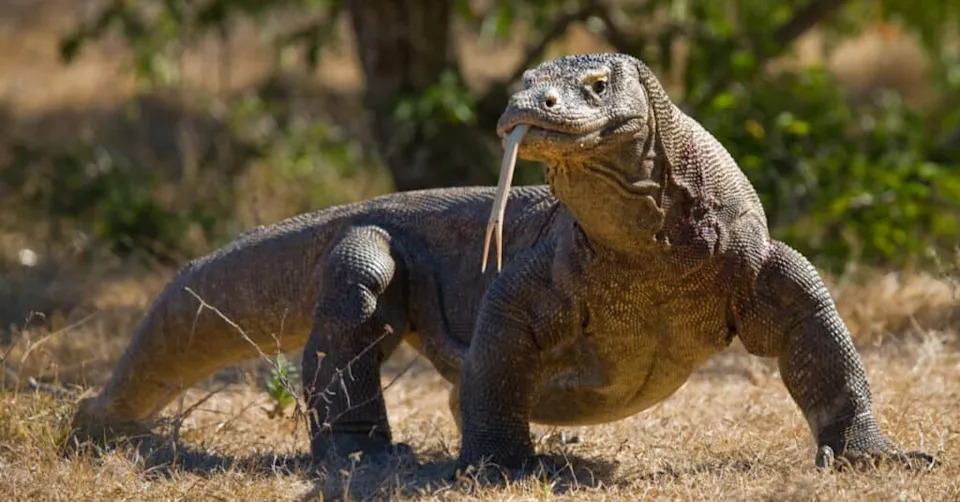
Indonesia’s Komodo dragon is the largest living lizard and a powerful ambush predator that often scavenges carrion. Social feeding at a carcass favors the biggest males. After meals, Komodo dragons sometimes regurgitate gastric pellets of indigestible material such as hair. Typical lifespans range from 25 to 30 years.
©Heiko Kiera/Shutterstock.com
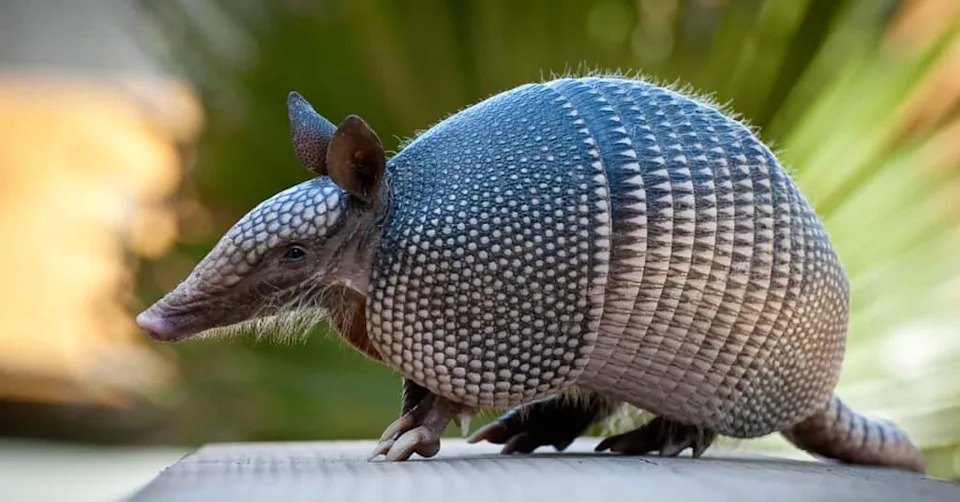
Armadillo
Armadillos are best known for their armored plates of bone covered by scutes. Some species can curl into a ball, while the nine-banded armadillo may leap several feet when startled. Many armadillos exhibit delayed implantation: a fertilized egg may pause before implanting and later split into genetically identical multiples (quadruplets in the nine-banded armadillo). They can carry Mycobacterium leprae, the bacterium associated with leprosy.
©Janossy Gergely/Shutterstock.com
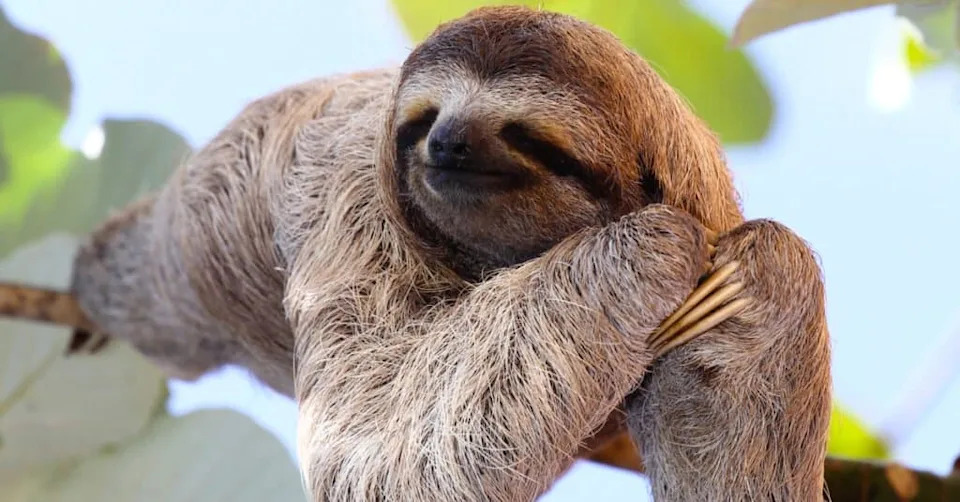
Sloth
Sloths spend most of their lives hanging upside down in trees—eating, sleeping, mating and even giving birth while suspended. They typically descend only to defecate and do so slowly and deliberately. Algae often grow in their fur, tinting it green and supporting a miniature ecosystem of moths, mites and beetles. Sloths have low and variable metabolisms; in the wild they live about 20–30 years and some have exceeded 40 years in captivity.

©Martin Prochazkacz/Shutterstock.com
Sperm Whale
The sperm whale is the largest toothed predator and has the biggest brain of any animal. Heavily hunted in the past for spermaceti oil, it remains an ecologically important species. Sperm whales dive deeper than most marine mammals—sometimes to around 6,600 feet—to find giant squid, using learned vocalizations and echolocation for hunting and communication. They can produce ambergris, a gut substance historically prized in perfumery, and have been observed sleeping vertically near the surface. Lifespans typically reach around 70 years.
©Bartosz Budrewicz/Shutterstock.com
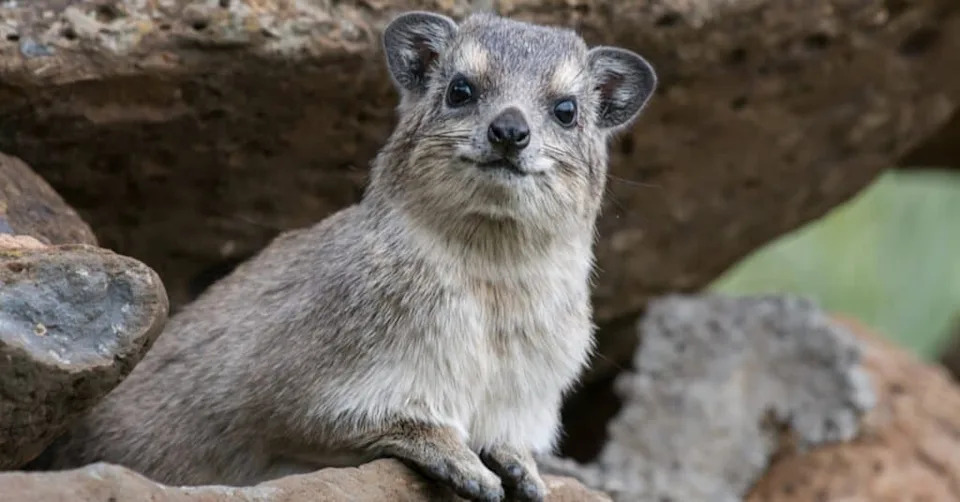
Hyrax (Dassie)
Hyraxes are small mammals from Africa and the Middle East that look superficially like large rodents but are actually more closely related to elephants and manatees. They have continuously growing tusk-like incisors, hoof-like nails, and a dorsal gland used in social communication. Hyraxes are omnivorous and thermally inefficient; they commonly bask in the sun to raise their body temperature and live about 9–14 years.
©Cliff / CC BY 2.0 -Original/License
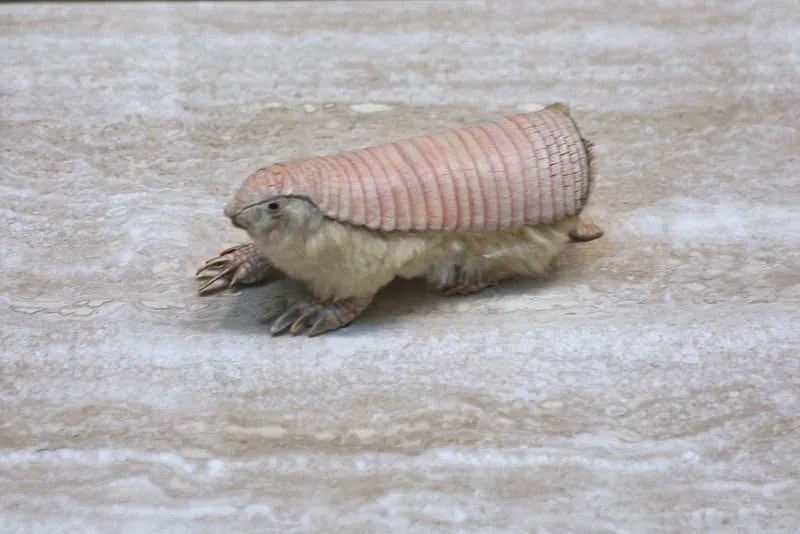
Pink Fairy Armadillo
The pink fairy armadillo of central Argentina is tiny—small enough to fit in a human hand—and spends most of its life burrowing beneath sandy plains and grasslands. Nicknamed the “sand swimmer,” it has a flexible shell that is not fully attached to the body and appears to aid thermoregulation. Its pale fur, delicate pink shell and large digging claws make it one of the most unusual armadillos.
©Braam Collins/Shutterstock.com
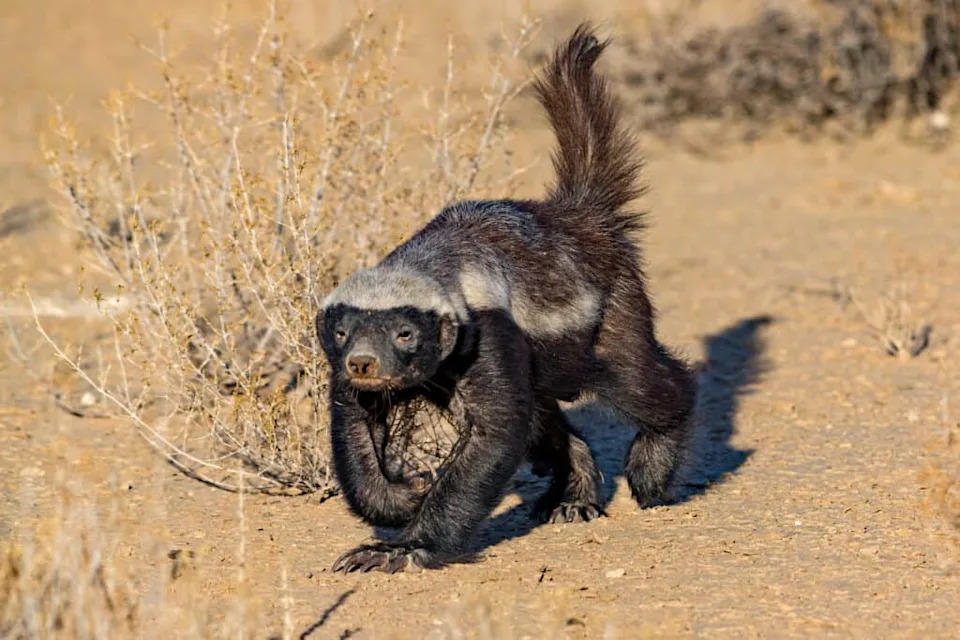
Honey Badger
Honey badgers are tenacious omnivores of the weasel family, eating everything from bee larvae and roots to venomous snakes. They possess loose, thick skin that helps them shrug off bites and stings; repeated exposure has given them partial tolerance to some venoms. Honey badgers inhabit diverse habitats across Sub-Saharan Africa and parts of the Middle East and are famed for their fearless behavior.
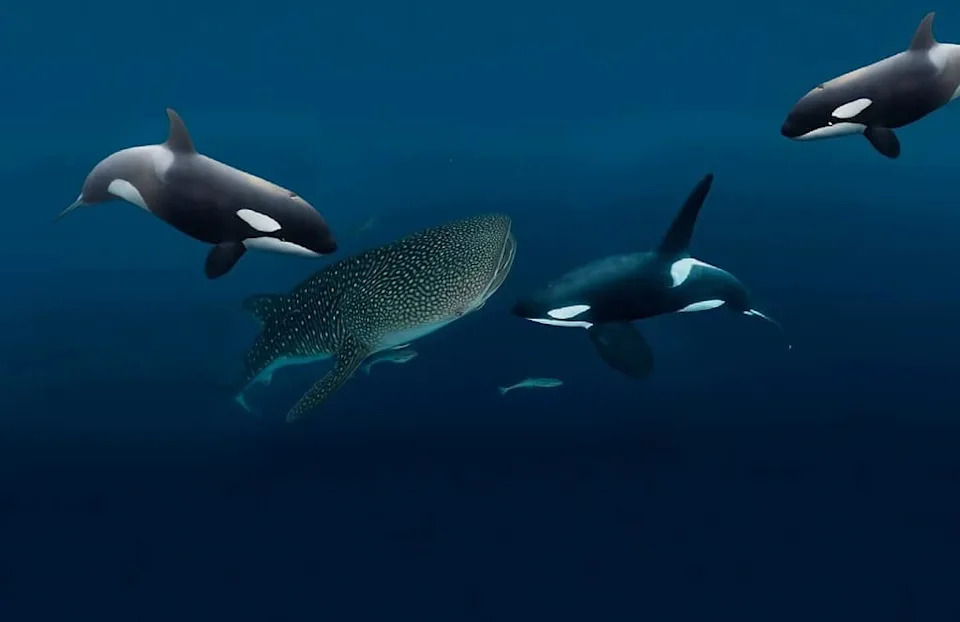
©Vladimir Turkenich/Shutterstock.com
Orca (Killer Whale)
Orcas are the largest members of the dolphin family and are highly intelligent, social predators that hunt in coordinated pods—sometimes compared to wolf packs. They can consume large quantities of food and have developed learned behaviors, such as preying on great white sharks and selectively eating nutrient-rich livers. Some localized pod behaviors—like overturning small boats—have been reported, but these are rare and not indicative of generalized aggression toward humans.
These twelve species show how evolution can produce astonishing solutions—some beautiful, some bizarre—to the challenges of surviving on Earth.
Help us improve.