Satellite images show Iran has installed roofs over damaged buildings at the Natanz and Isfahan nuclear complexes, likely to hide salvage operations after strikes attributed to Israel and the United States. The coverings block satellite observation and come as Iran continues to deny IAEA inspectors access. Analysts say the work appears aimed at concealing recovery of materials such as enriched uranium rather than at immediate reconstruction. Additional excavation near Natanz and rebuilding at the destroyed "Taleghan 2" site suggest broader protective and redevelopment activity.
Satellite Images Show Iran Erecting Roofs Over Bombed Natanz and Isfahan Facilities — Analysts Say Concealment, Not Reconstruction
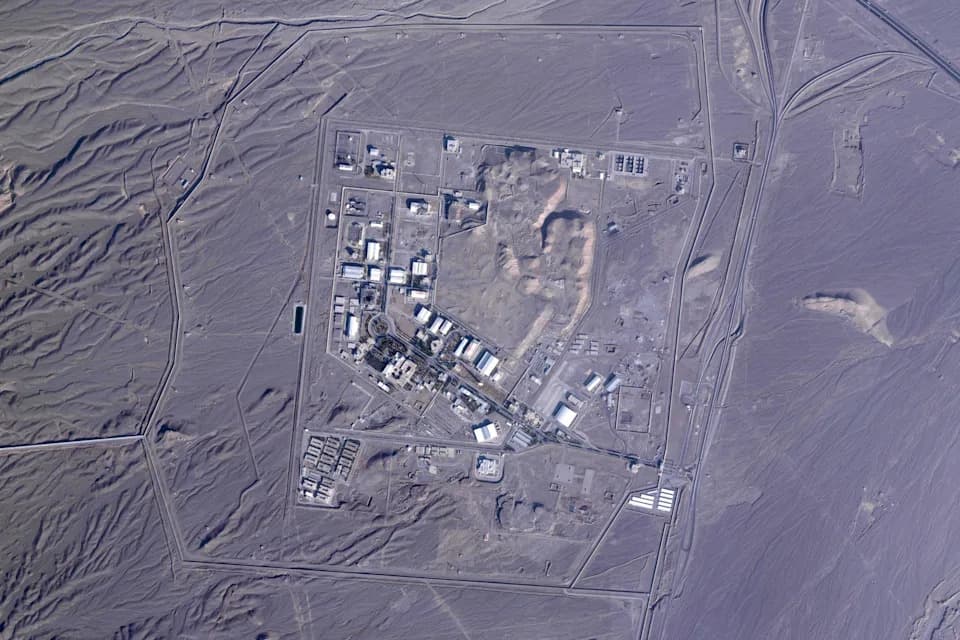
This satellite image from Planet Labs PBC shows Iran's Natanz nuclear enrichment site on Dec. 3, 2025. (Planet Labs PBC via AP)(ASSOCIATED PRESS)
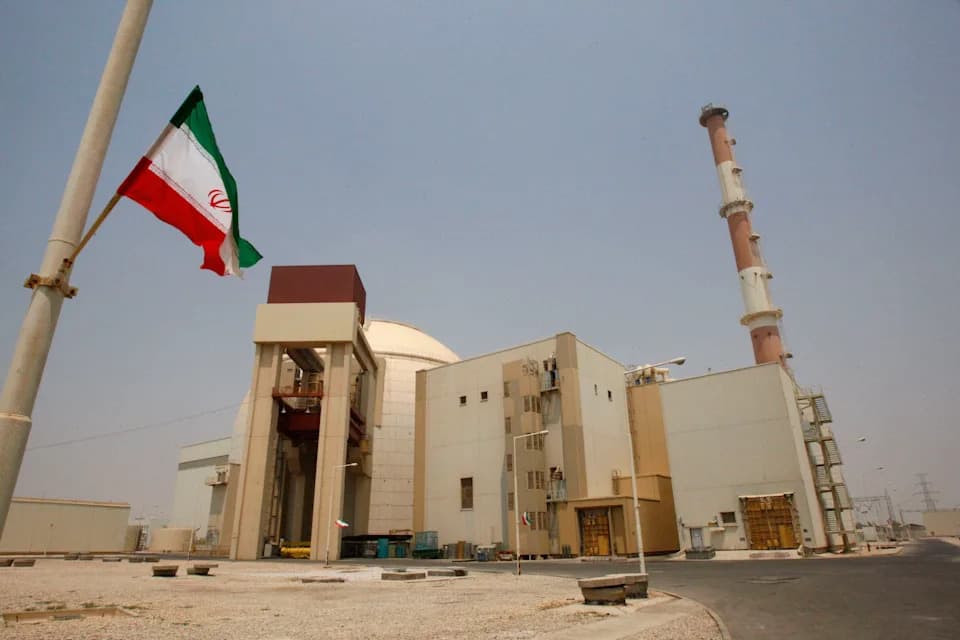
Satellite imagery reviewed by analysts shows Iran has built new coverings over damaged buildings at two of its nuclear complexes — Natanz and Isfahan — that were struck last year in operations attributed to Israel and the United States. Observers say the shelters appear intended to obscure salvage or recovery work rather than to signal an immediate programmatic reconstruction, and Iran has not allowed International Atomic Energy Agency inspectors back onto the sites.
What The Images Show
High-resolution images from Planet Labs PBC reveal completed roofs over ruined structures at Natanz and Isfahan. The coverings block optical satellite observation and complicate independent verification of on-site activity. Separate imagery also shows continued excavation a few hundred meters south of Natanz at Kūh-e Kolang Gaz Lā ("Pickaxe Mountain") and reconstruction work at a site known as "Taleghan 2," which was previously hit in an October strike.
Why Analysts Call It Concealment
Experts who examined the imagery say the roofs do not resemble steps to resume normal enrichment operations. Instead, the structures likely serve to hide salvage efforts — for example, searching for or recovering limited stocks of enriched uranium or other sensitive materials that might have survived the strikes.
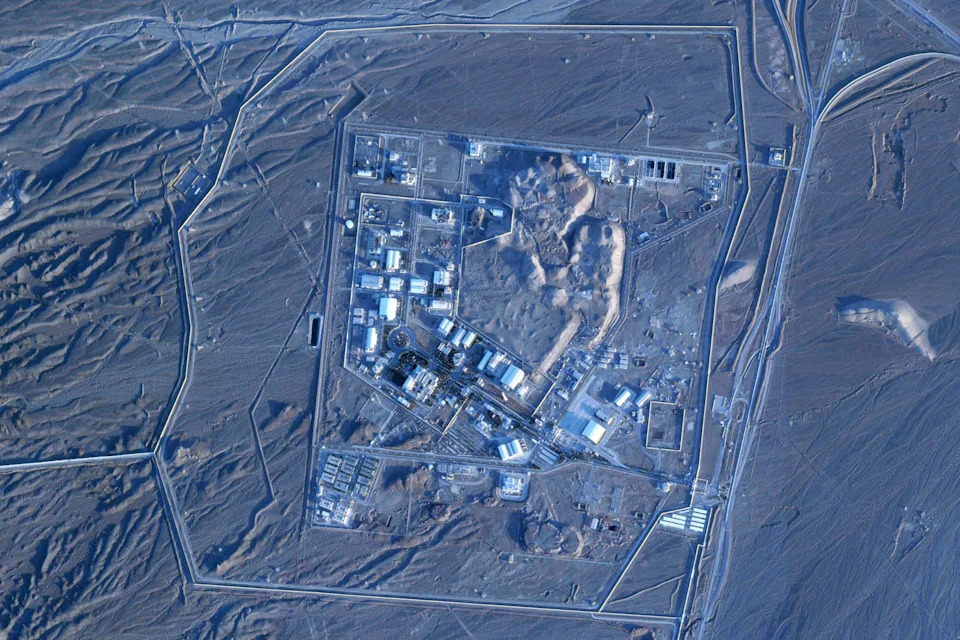
This satellite image from Planet Labs PBC shows Iran's Natanz nuclear enrichment site on Wednesday, Jan. 28, 2026. (Planet Labs PBC via AP)(ASSOCIATED PRESS)
“The coverings appear intended to let Iran recover any remaining assets or rubble without letting Israel or the United States see what survived,” said Sarah Burkhard, senior research associate at the Institute for Science and International Security.
Site-by-Site Details
Natanz: Once home to the Pilot Fuel Enrichment Plant, Natanz sustained severe above-ground and underground damage. Planet imagery indicates a roof was built over the damaged plant in December and completed by month’s end, while Natanz’s electrical infrastructure appears still impaired. Excavation activity at nearby Pickaxe Mountain suggests work on an additional underground facility.
Isfahan: Imagery shows a similar roof installed over a building near the facility’s northeast corner, finished in early January. Israel previously said it targeted centrifuge-manufacturing sites at Isfahan. Satellite photos also indicate tunnels near Isfahan have been packed with dirt for protection, and one tunnel entrance has been reinforced.
Taleghan 2 and Other Sites: Reconstruction at a site called Taleghan 2, destroyed in an October strike, has also been visible in recent imagery. Analysts report rapid reconstitution and hardening measures there, including the possible installation of a large containment vessel that could be used for explosive testing.
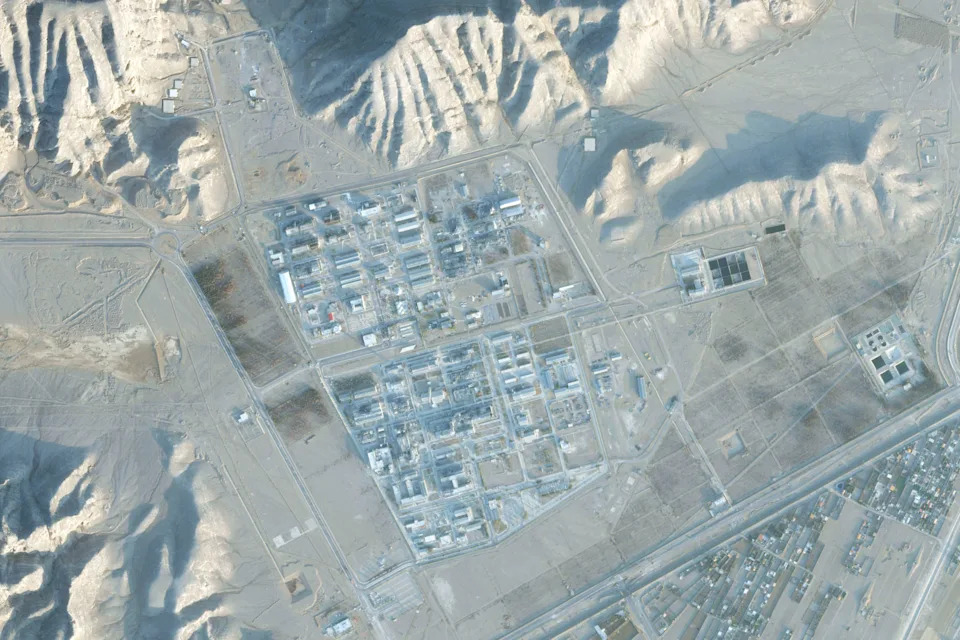
This satellite image from Planet Labs PBC shows Iran's Isfahan Nuclear Technology Center outside of Isfahan, Iran, on Dec. 7, 2025. (Planet Labs PBC via AP)(ASSOCIATED PRESS)
International Context
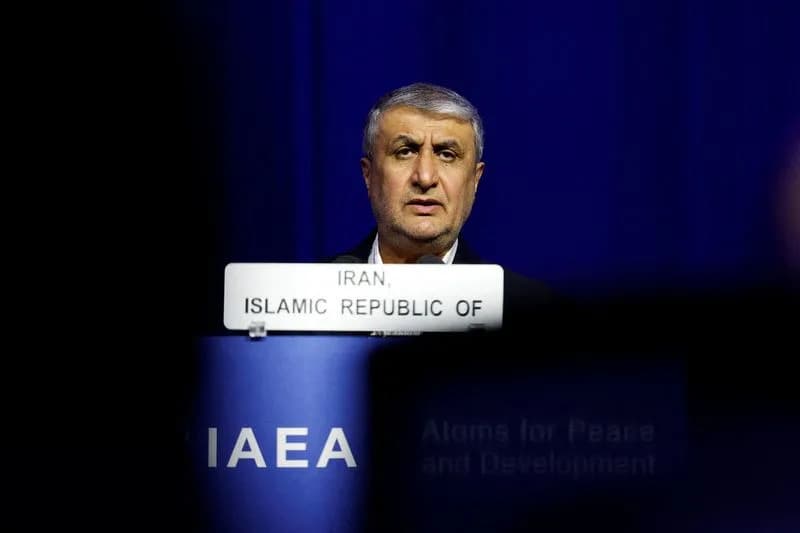
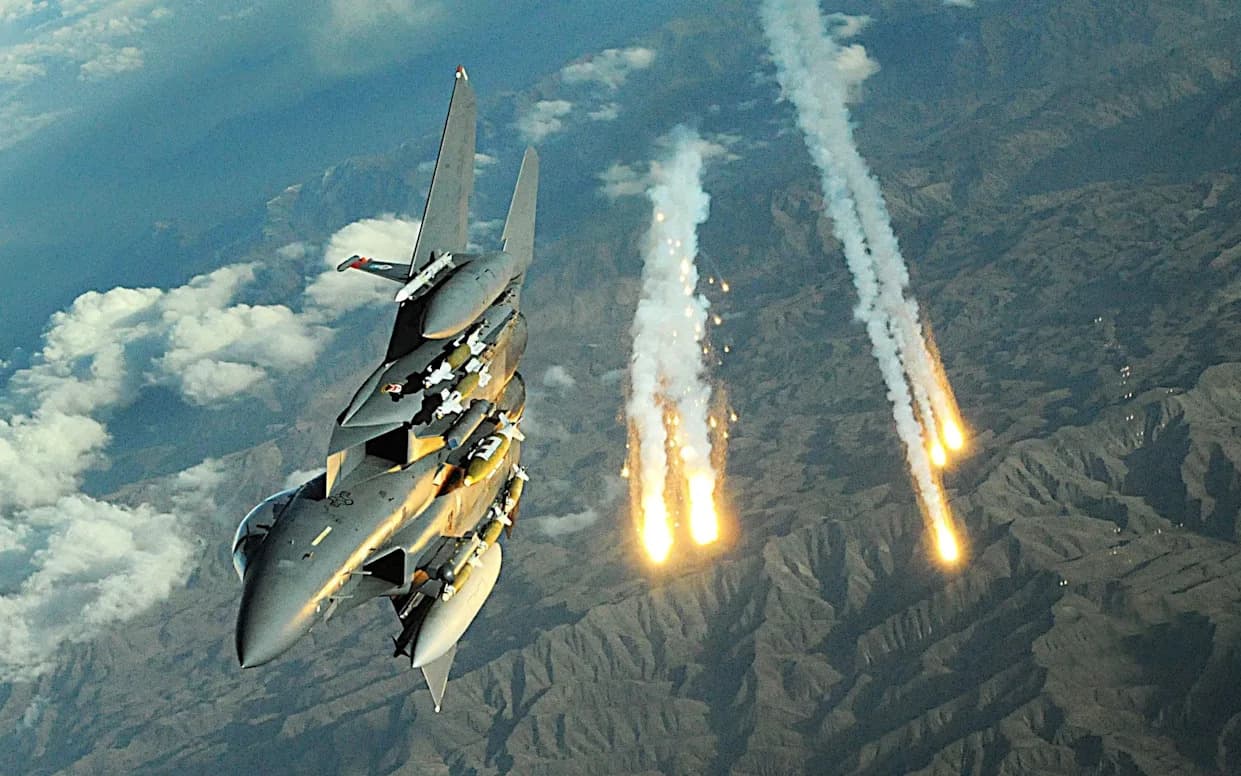
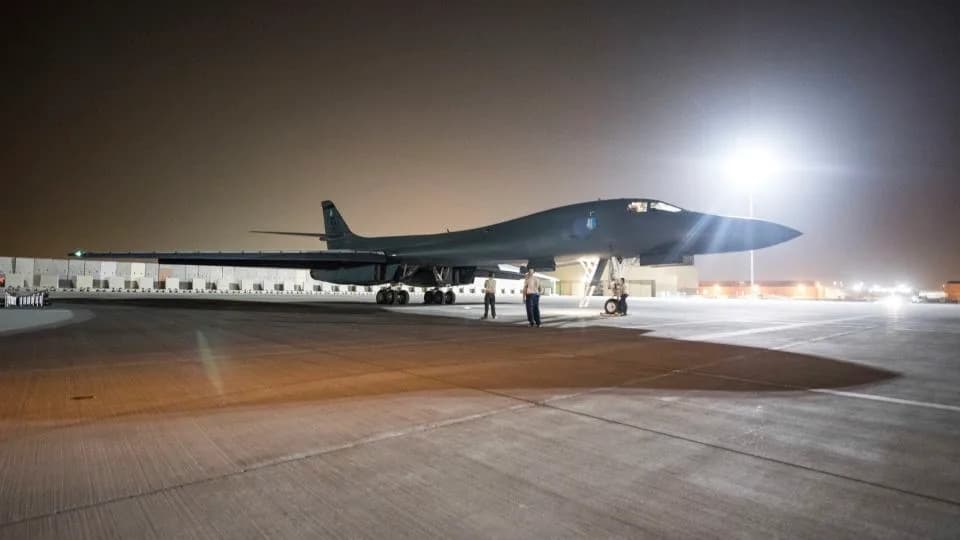
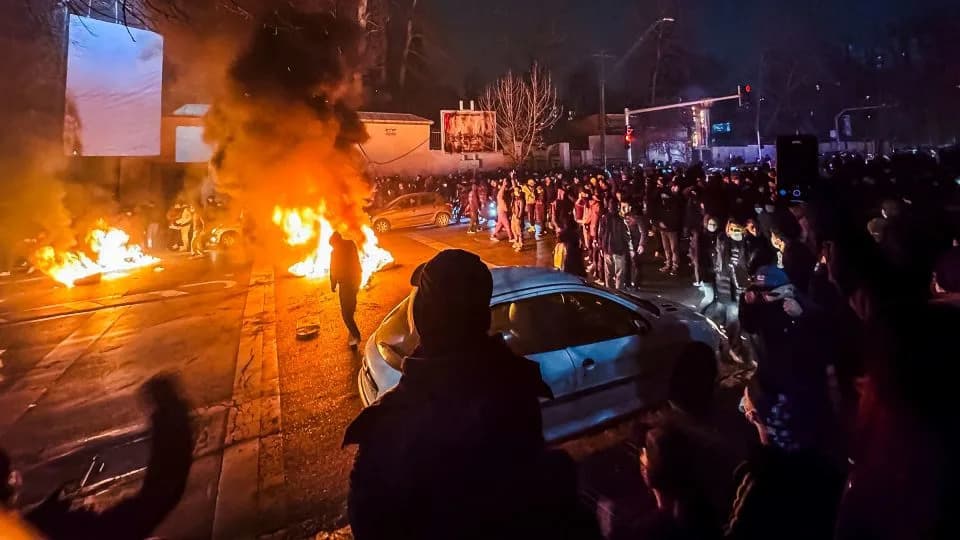
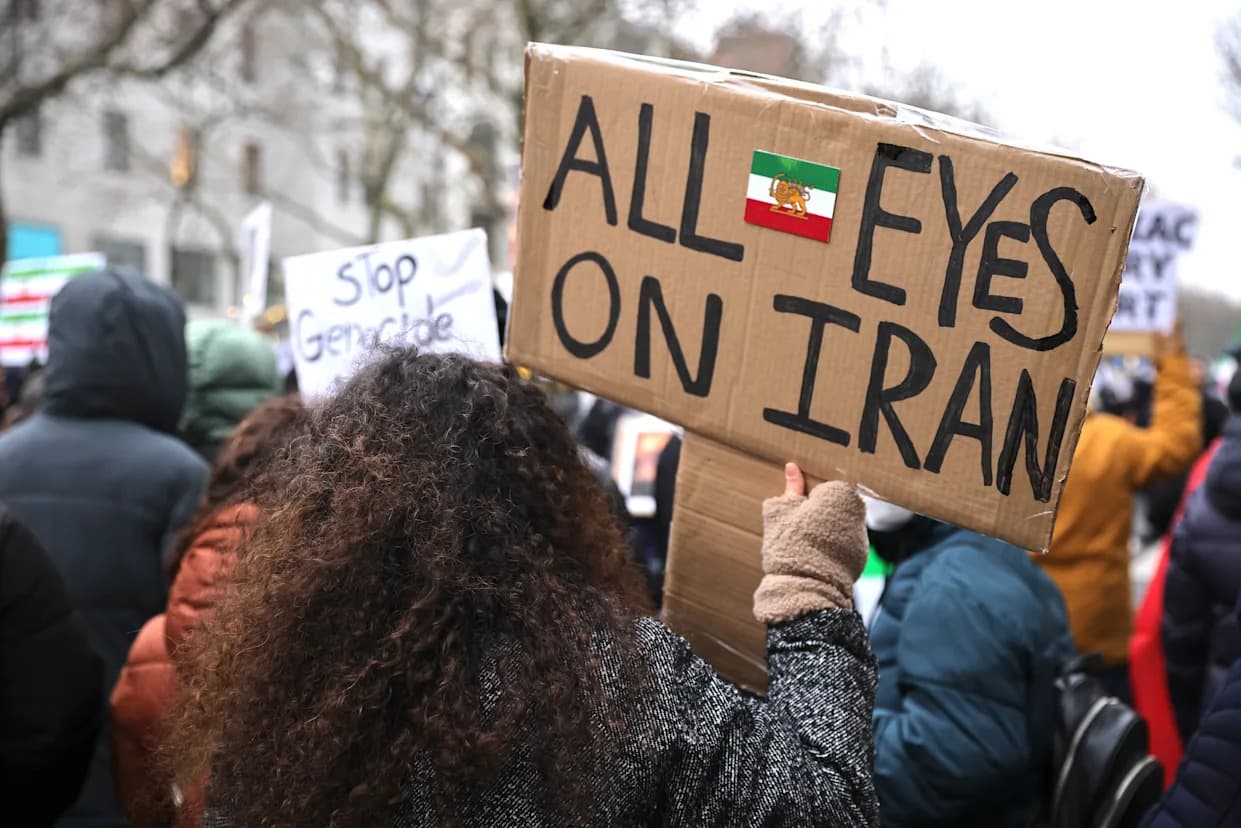
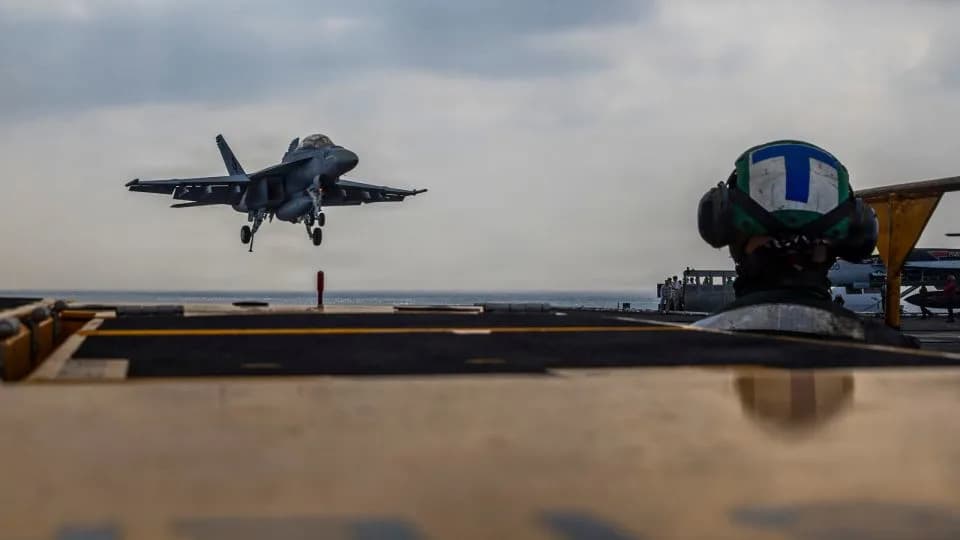
Iran has denied or not publicly acknowledged these specific works and has not permitted IAEA inspectors to inspect the damaged sites since the attacks. The United States and Israel carried out strikes last year that officials say substantially degraded Iran’s nuclear infrastructure. The US also deployed naval forces to the region amid heightened tensions tied to Iran’s domestic crackdown on protesters.
Implications
Covering damaged buildings to obstruct satellite observation limits transparency and raises international concern about undisclosed recovery of nuclear materials or technologies. Analysts say the measures are consistent with efforts to conceal sensitive activities while retaining the option to recover valuable components — not necessarily to restart enrichment immediately.
Sources: Planet Labs PBC imagery; statements and analysis from the International Atomic Energy Agency, the Institute for Science and International Security, Janes, and other open-source analysts; Associated Press reporting.
Help us improve.