The U.S. is considering options that would differ from last year’s B-2 strikes on Iranian nuclear sites, shifting focus to IRGC, Basij and police command centers, as well as economic targets tied to the IRGC. Analysts warn many potential targets sit inside populated areas, so minimizing civilian casualties is essential to avoid alienating protesters. Preferred tools likely include Tomahawk and JASSM cruise missiles, armed drones and long-range standoff strikes; carrier availability and tanker movement would affect timing and posture. Observers expect quick, targeted, media-visible raids designed to limit U.S. exposure while maximizing political effect.
How the U.S. Could Strike Iran Again: Targets, Risks and Likely Weapons
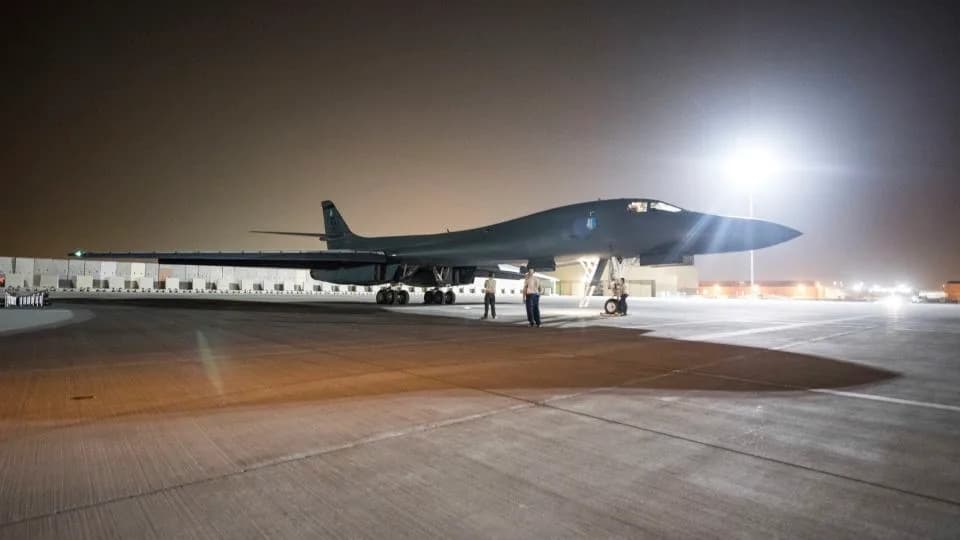
A B-1B bomber is seen at Al Udeid Air Base in Qatar in 2018. Bombers deployed to the base at that time used the Joint Air to Surface Standoff Missile-Extended Range (JASSM-ER), in combat for the first time in strikes on sites in Syria. - Master Stg. Phil Speck/AP
Last year the Trump administration hailed a raid on Iran’s nuclear infrastructure as a major military success. U.S. Air Force B-2 stealth bombers reportedly delivered multiple large munitions against nuclear sites without American casualties or aircraft losses, aided by a wide range of support aircraft.
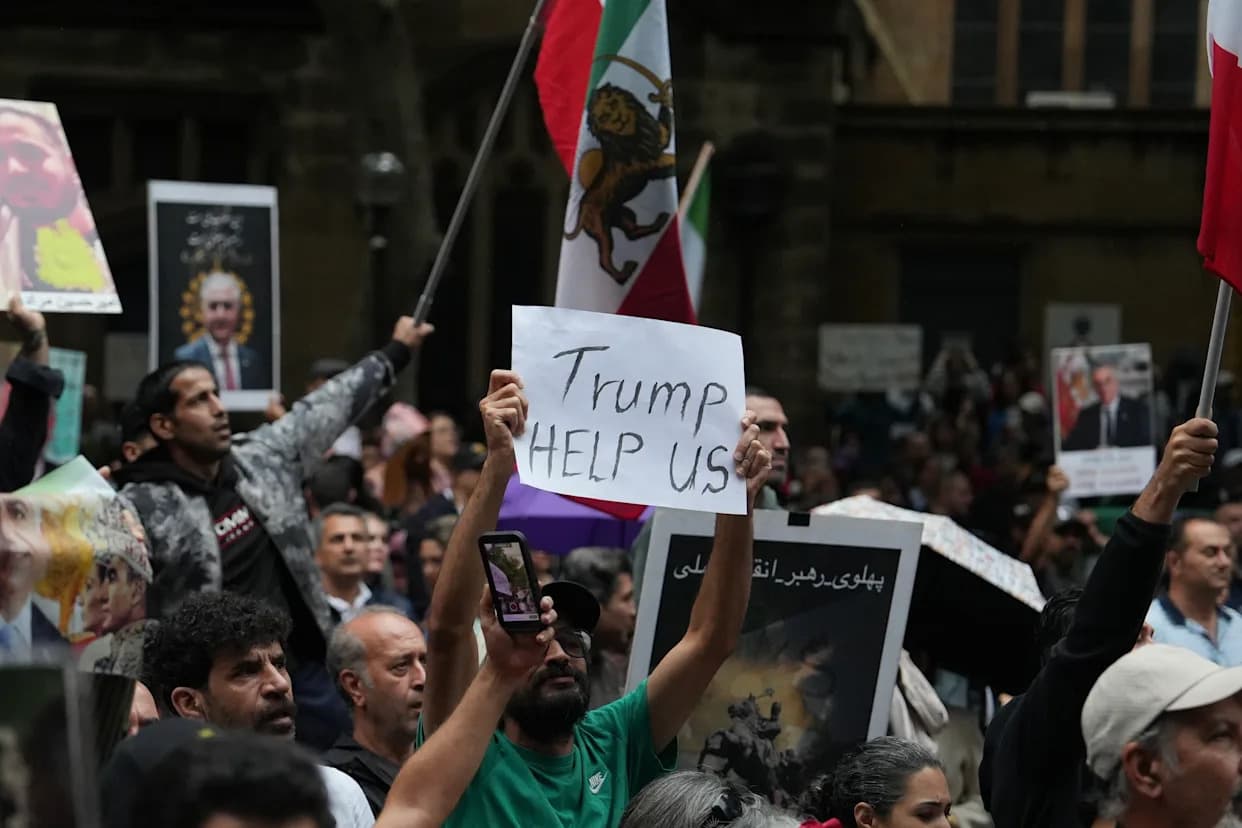
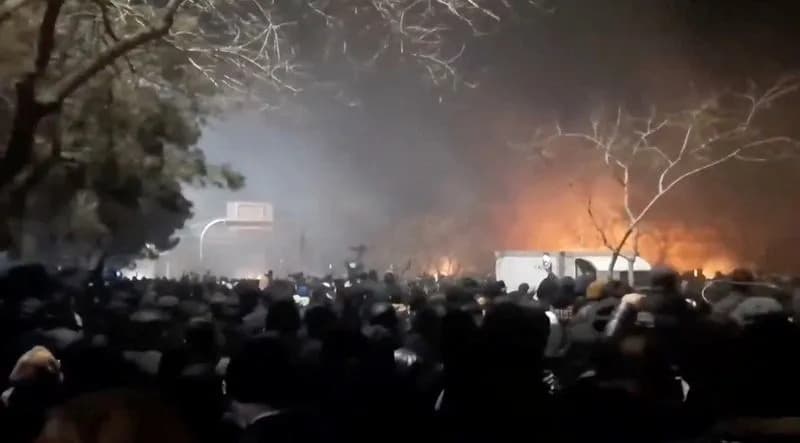
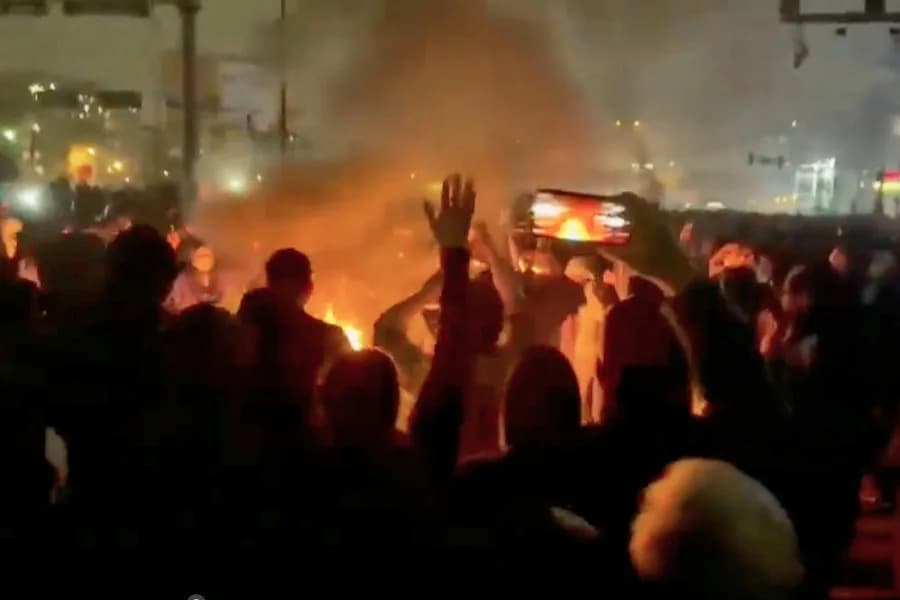
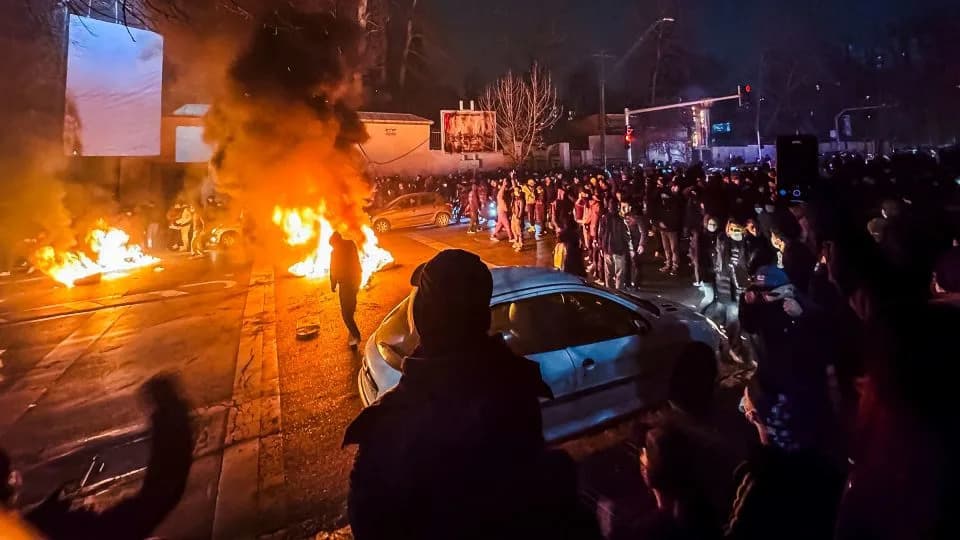
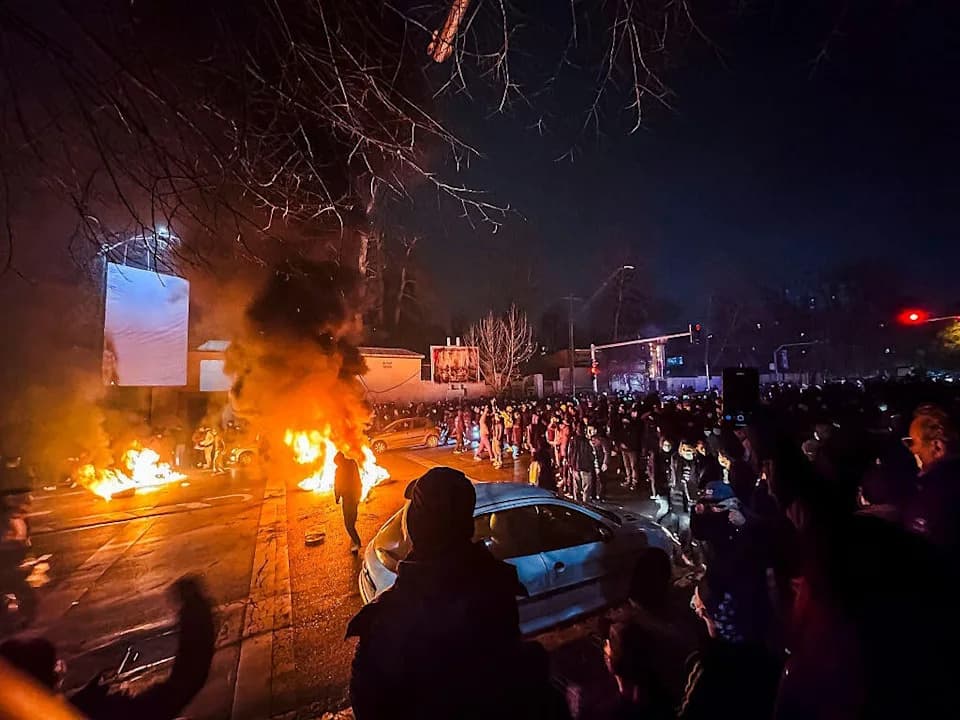
With President Donald Trump publicly threatening further action — framed as solidarity with mass protests inside Iran — analysts say any new strikes would look very different from last summer’s one-off mission. Instead of isolated nuclear facilities, potential operations aimed at supporting protesters would likely focus on command nodes, IRGC-linked facilities and economic targets. Those sites are often embedded in populated urban areas, raising the prospect of civilian casualties and the political blowback that would follow.
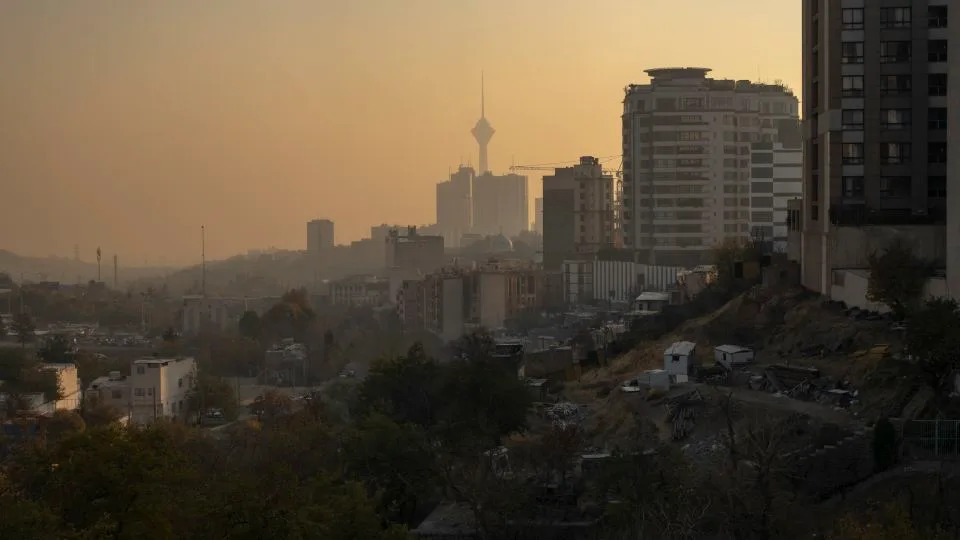
A view of northern Tehran, Iran, and the Milad telecommunication tower on November 22, 2025. - NurPhoto/Morteza Nikoubazl/Getty Images
Primary Target Sets
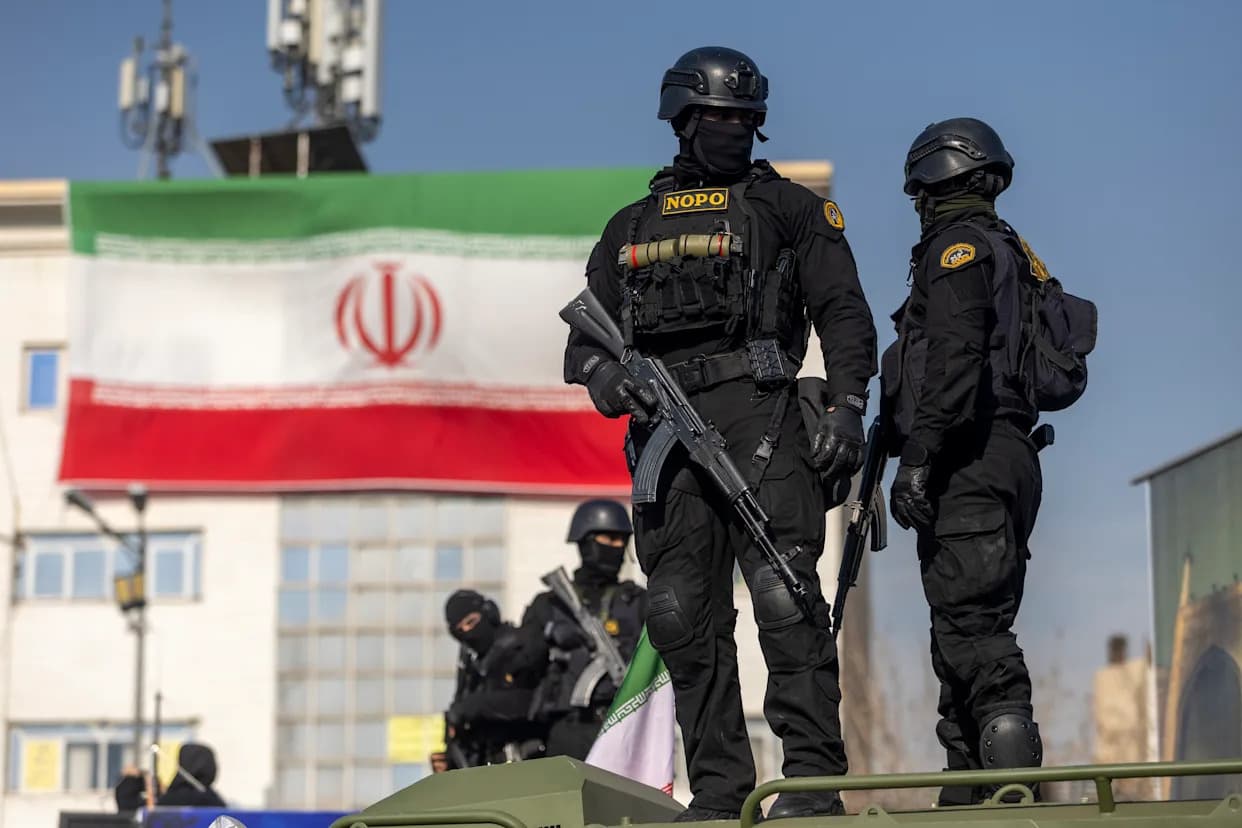
Security and Command Centers: Analysts expect Washington to consider regional headquarters and bases tied to the Islamic Revolutionary Guard Corps (IRGC), its Basij militia, and Iran’s police forces — the organizations most implicated in the crackdown on dissent. These command centers are frequently located within urban neighborhoods, making precision and collateral-mitigation critical.
Leadership and Symbolic Strikes: Hitting the homes or offices of senior regime figures would carry limited military value but substantial symbolic impact. Such strikes are likely to be weighed heavily against the risk of civilian harm and the potential to turn protesters against foreign intervention.
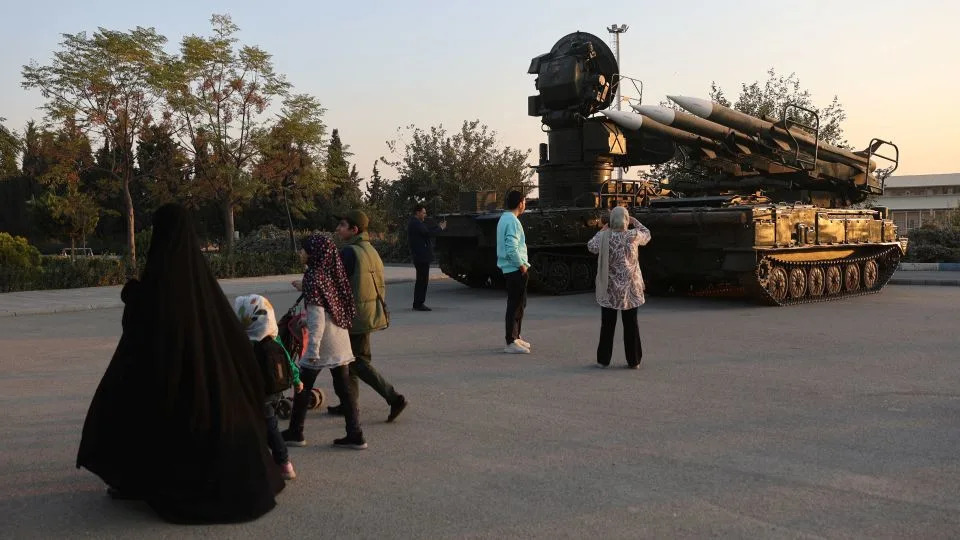
Iranian missiles are displayed at the Islamic Revolutionary Guard Corps(IRGC) Aerospace Force Museum in Tehran, Iran, November 12, 2025. - Majid Asgaripour/Wana News Agency/Reuters
Economic Targets: Another option is to strike IRGC-controlled commercial assets. Analysts cite government estimates that a sizeable portion of Iran’s economy is linked to IRGC enterprises; selectively damaging those facilities could exert financial pressure on the leadership without striking deep inside population centers.
Weapons and Platforms Analysts Expect
Cruise Missiles: Tomahawk cruise missiles launched from submarines or surface ships offer high accuracy while keeping U.S. aircrews distant from Iranian airspace. The Joint Air-to-Surface Standoff Missile (JASSM), with a penetrating warhead and roughly 620-mile (1,000-km) range, can be fired from a variety of U.S. strike aircraft operating far from targets.
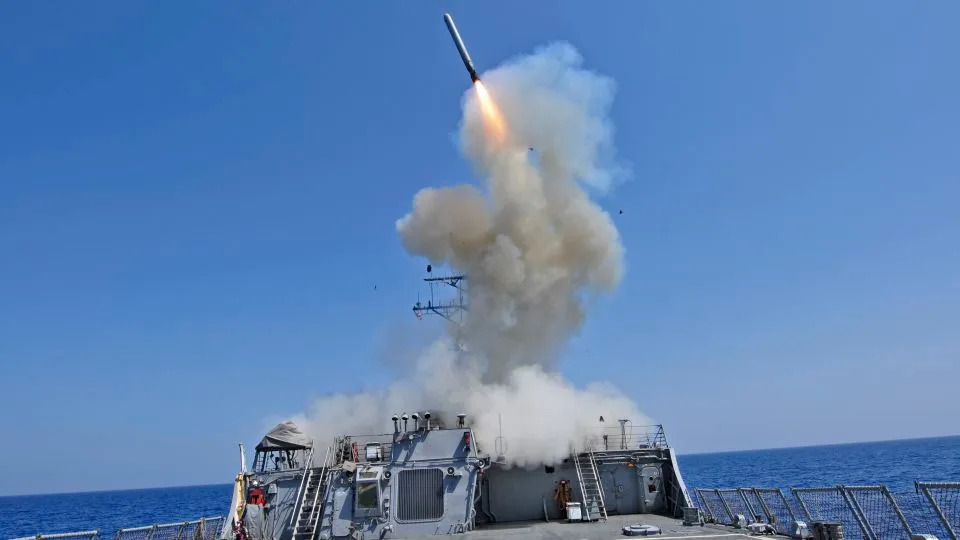
The guided-missile destroyer USS Barry launches a Tomahawk cruise missile from the ship's bow in the Mediterranean Sea in this US Navy handout photo dated March 29, 2011. - Ho New/Reuters
Standoff Airstrikes and Drones: Armed drones and stand-off munitions are likely to play a central role because they reduce risk to U.S. personnel and can be highly precise. Analysts view crewed aircraft dropping unguided bombs over urban areas as too hazardous and prone to collateral damage.
Carrier and Base Considerations: Carrier-based options exist but may be limited by force posture. For example, the nearest U.S. carrier at the time was operating in the South China Sea, and previous redeployments have temporarily constrained regional strike-group availability. That means strikes may be launched from regional airbases, long-range bombers with aerial refueling, or sea-launched cruise missiles.
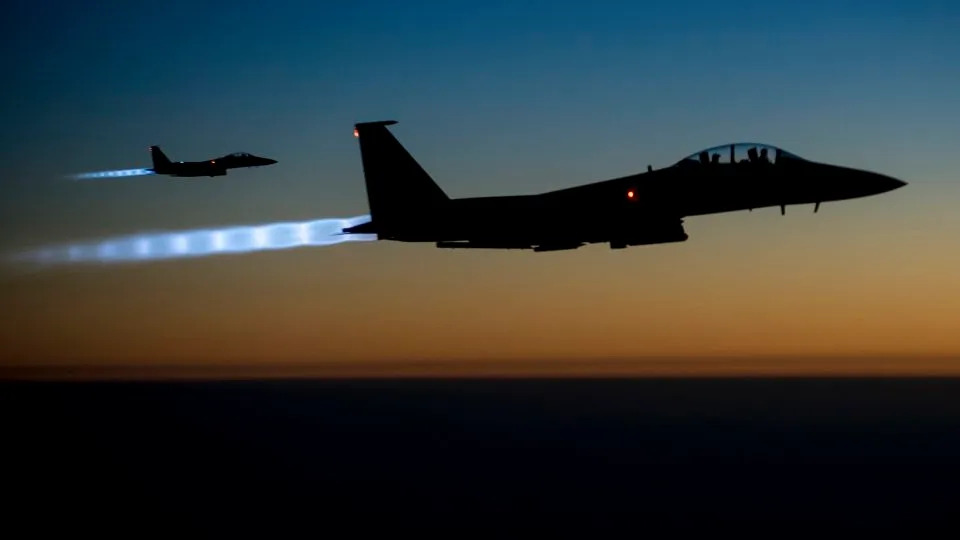
A pair of US Air Force F-15E Strike Eagles fly over northern Iraq after conducting airstrikes in Syria, in this U.S. Air Force handout photo taken early in the morning of September 23, 2014. - US Air Force/Reuters
Risks, Signals and Strategy
Civilian Casualties and Political Backlash: Analysts stress that any U.S. action must minimize non-IRGC casualties. Even inadvertent civilian deaths risk alienating protesters and allowing the regime to portray the U.S. as an external aggressor, undermining the intended message of solidarity.
"Whatever [the U.S.] does, it has to be very precise with no non-IRGC casualties," said Carl Schuster, a Hawaii-based analyst and former U.S. Navy captain.
Indicators of Imminent Action: Movement of aerial refueling tankers, repositioning of strike aircraft such as B-1 bombers or F-15E Strike Eagles, or the launch/movement of submarines and surface combatants are among the signs observers would watch for.
Likely Style: Commentators expect the administration to prefer short-duration, media-visible raids that minimize risk to U.S. forces. Options such as strikes on oil infrastructure in the Persian Gulf could deliver economic impact and dramatic imagery while avoiding deep urban engagements.
Any decision to strike will require balancing military effectiveness, the safety of civilians and protesters, and the political ramifications both inside Iran and internationally. Precision, clear objectives and a plan to limit collateral damage would be essential to avoid counterproductive outcomes.
Help us improve.