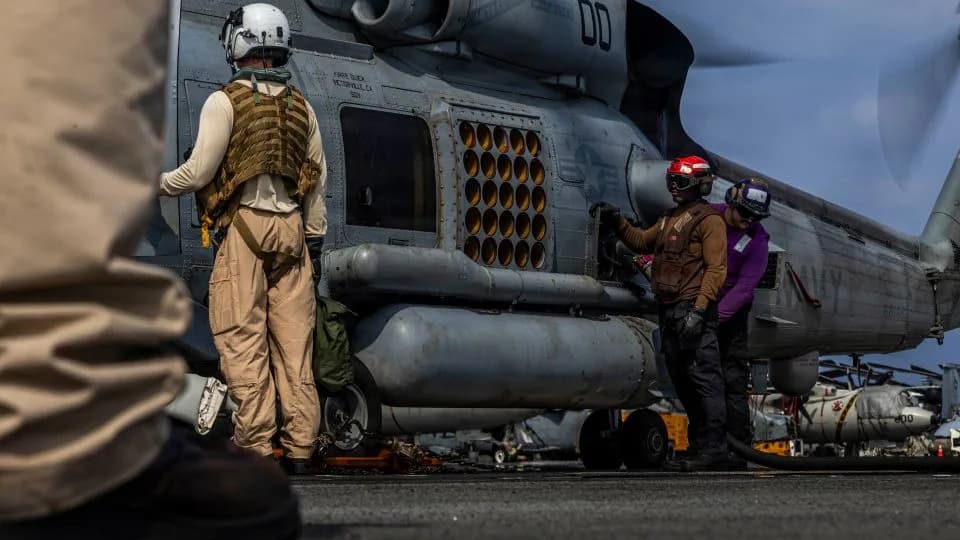
The US has accelerated a weeks-long military buildup in the Middle East as President Donald Trump considers a possible strike on Iran amid stalled negotiations over Tehran’s nuclear and missile programs. The Lincoln Carrier Strike Group and multiple destroyers, plus air-defense batteries (THAAD, Patriot), reconnaissance platforms and tanker movements, have been repositioned to increase strike and defensive options. Persistent surveillance flights, redeployments of fighters including F-35s, and regional exercises underscore US readiness while also raising tensions in the region.
US Intensifies Military Buildup In Middle East As Trump Weighs Possible Strike On Iran
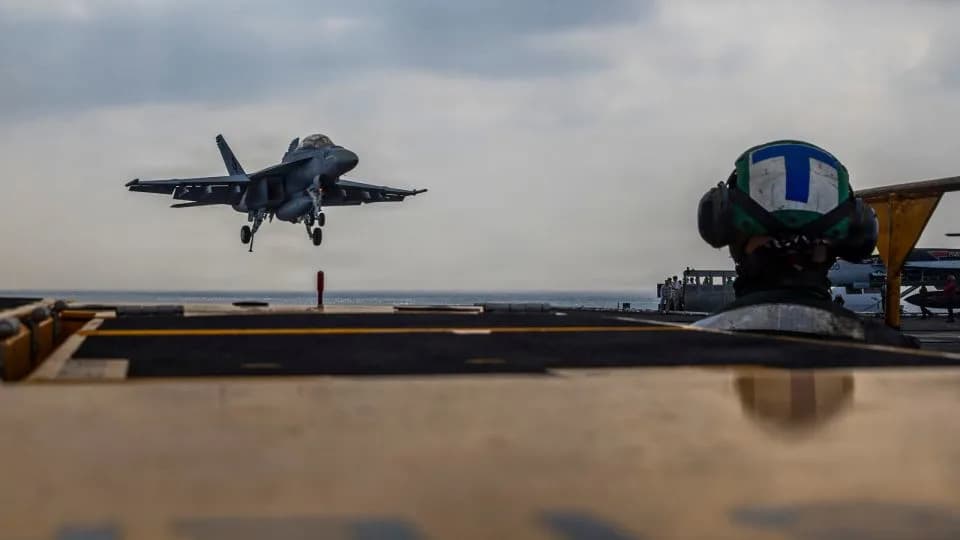
This photo provided by the US Navy shows a Boeing F/A-18E Super Hornet landing on the Nimitz-class aircraft carrier USS Abraham Lincoln in the Indian Ocean. - Mass Communication Specialist Seaman Daniel Kimmelman/US Navy/AP
As President Donald Trump weighs a potential strike on Iran amid stalled talks over Tehran’s nuclear program and ballistic missile production, open-source tracking shows the US has accelerated a weeks-long buildup of military equipment across the Middle East.
Key Deployments
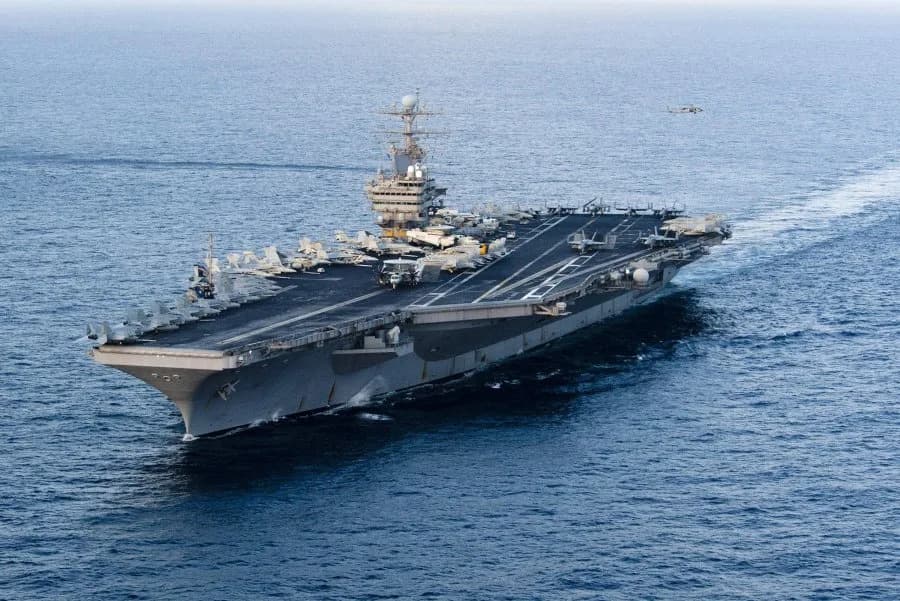
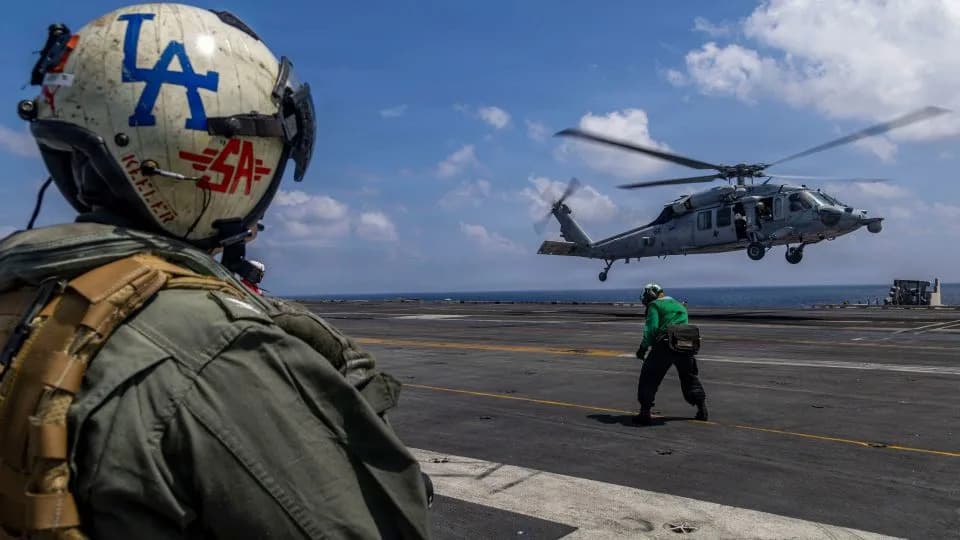
The most notable repositioning is the Lincoln Carrier Strike Group, now operating in the northern Arabian Sea. The group centers on USS Abraham Lincoln and sails with three guided-missile destroyers plus a carrier air wing that includes F/A-18E Super Hornets, F-35C Lightning IIs and EA-18G Growlers.
Separately, the Navy has additional destroyers in the region (USS Delbert D. Black, USS McFaul and USS Mitscher), and three Bahrain-based Littoral Combat Ships — USS Santa Barbara, USS Canberra and USS Tulsa — that could be tasked with minesweeping if Iran deploys sea mines.
Air And Missile Defenses
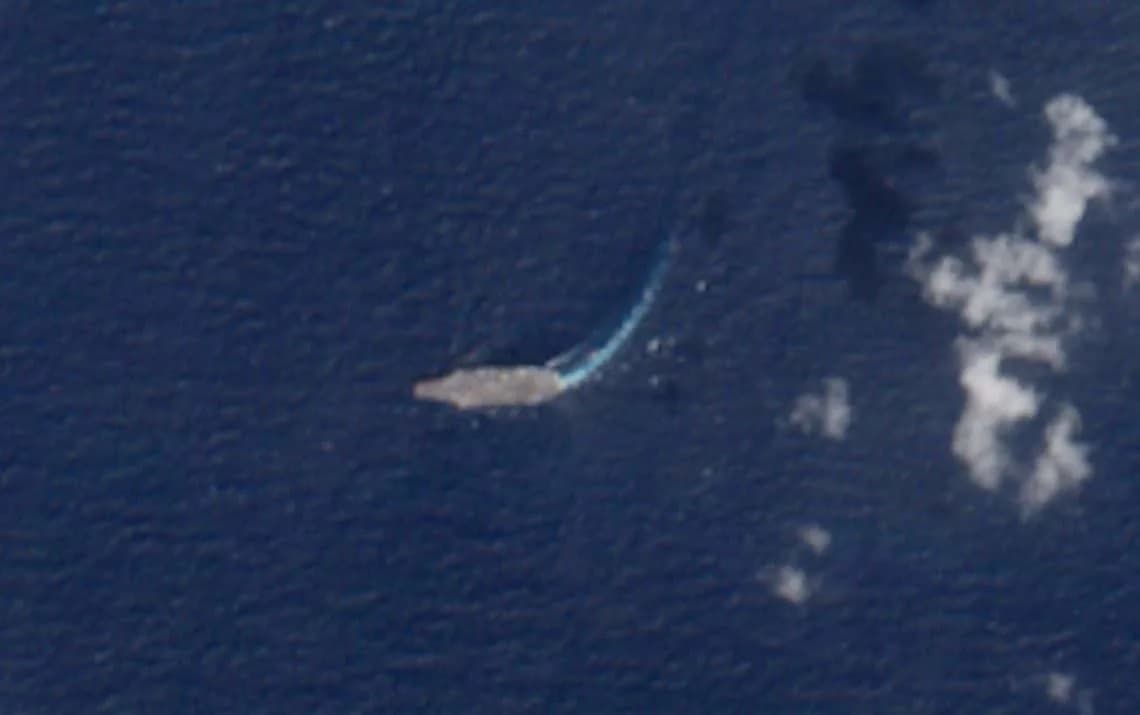
In recent days the US has deployed extra air-defense assets, including Terminal High Altitude Area Defense (THAAD) batteries and Patriot missile systems. Satellite imagery captured on January 25 showed Patriot systems at Al Udeid Air Base in Qatar. These defenses would be central to countering retaliatory missile strikes aimed at US forces or allied infrastructure.
Air, Reconnaissance And Support Assets
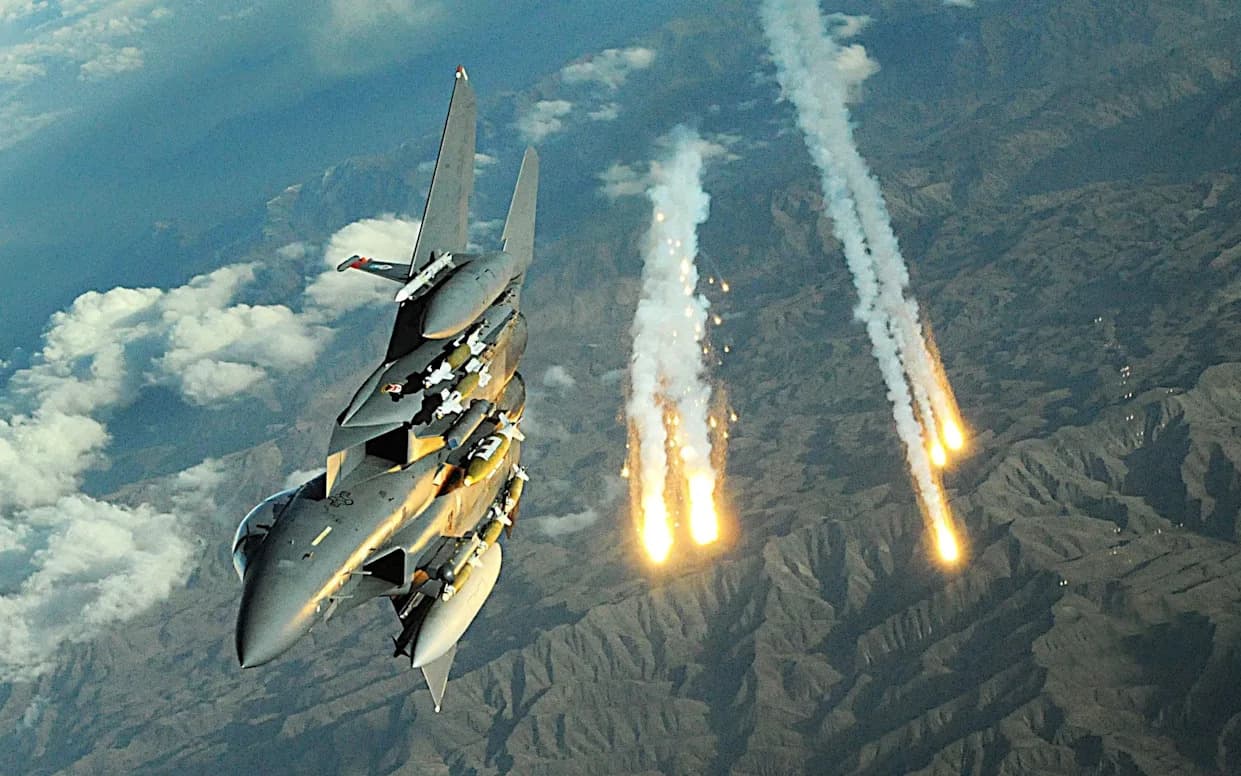
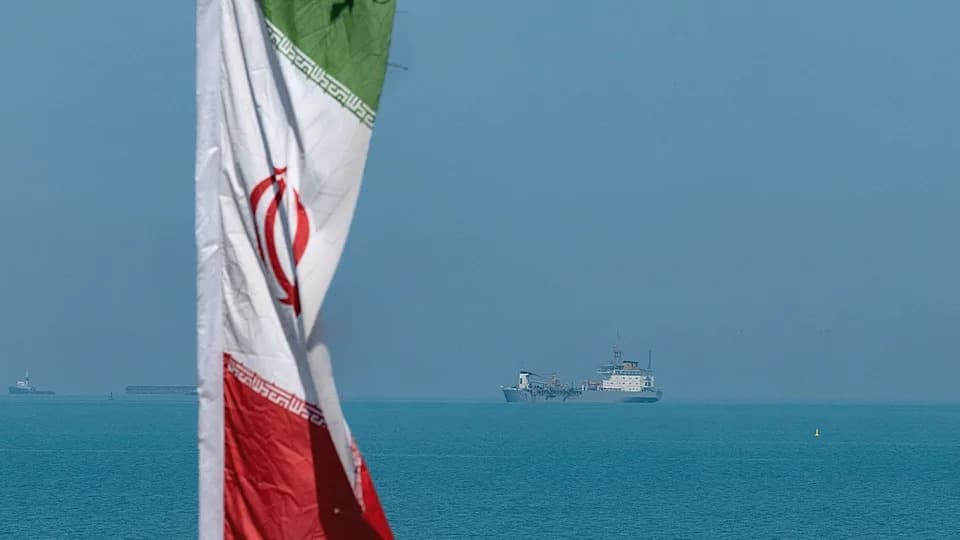
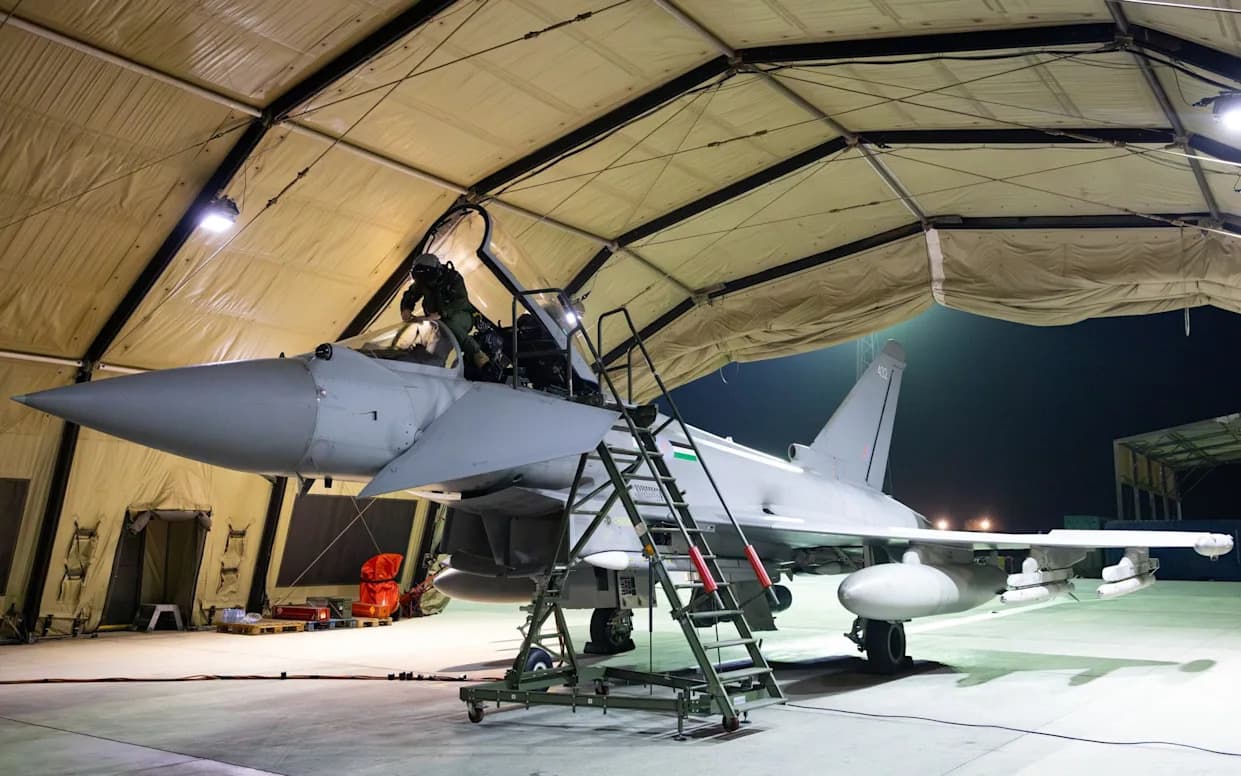
Transport and surveillance movements have been extensive: dozens of C-17 and C-5 cargo flights have delivered materiel across the region, while near-constant drone and reconnaissance sorties have patrolled the Strait of Hormuz and Persian Gulf. RC-135 variants and an E-11A communications-relay jet have arrived to bolster electronic surveillance and command-and-control. A modified combat search-and-rescue cargo plane and a squadron of F-15E Strike Eagles also recently moved into the theater.
Transatlantic ferry movements were visible this week: at least eight air-refueling tankers landed at Morón Air Base in Spain after broadcasting that they were supporting additional smaller aircraft on the flight. Messages logged on flight-tracking services referenced an F-35 operations center, and six F-35s were photographed landing at Lajes Air Base in Portugal — evidence of fighter redeployments from the continental US.
Submarines, Tomahawks And Long-Range Options
Guided-missile destroyers in the region are capable of launching dozens of Tomahawk Land Attack Missiles (roughly 1,000-mile range with large conventional warheads). Carrier strike groups commonly operate with attack submarines that can also launch Tomahawks, though submarine movements are rarely publicized. The US Navy also operates Ohio-class guided-missile submarines that can carry large Tomahawk loads.
Recent Exercises And Historical Context
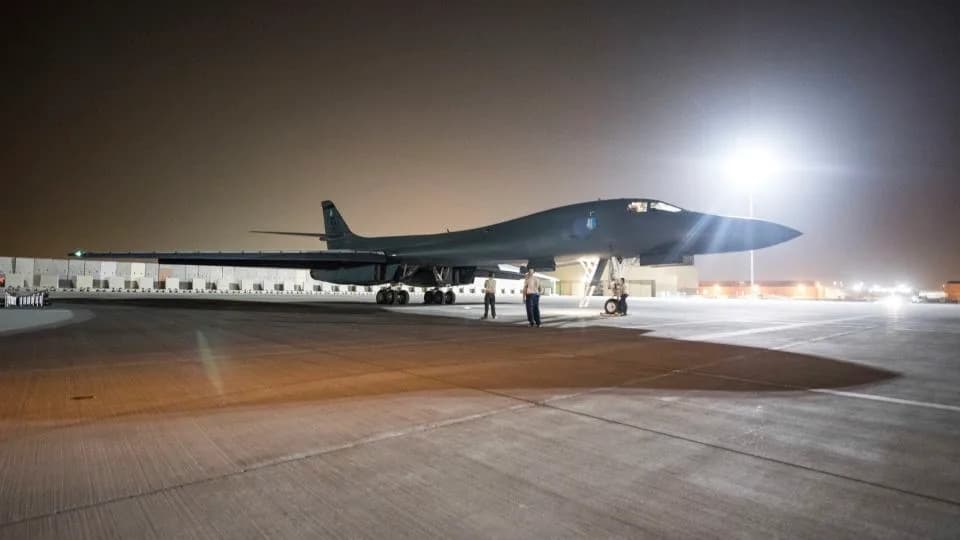
The Air Force conducted a multiday exercise in the region this week to demonstrate its ability “to deploy, disperse, and sustain combat power” across the Middle East, US Central Command said. The article also references a prior long-range mission in which strategic bombers and submarines were used in strikes on Iranian nuclear sites.
What This Means
Taken together, the movements increase both US strike options and defensive posture in the region. The deployment of carriers, destroyers, advanced fighters, air-defense batteries, surveillance platforms and tanker support gives US commanders flexible options for escalation or deterrence. At the same time, the buildup raises tensions and the risk of retaliatory strikes, making the presence of missile defenses and robust surveillance crucial.
Note: All movements described are based on open-source imagery, flight-tracking logs and official statements; some sensitive assets (for example, submarines) are typically not publicly disclosed.
Help us improve.