Regional and global actors are racing to prevent a US–Iran military confrontation as both sides intensify preparations—Washington redeployed the aircraft carrier USS Abraham Lincoln and Iran announced 1,000 new strategic drones. Tehran says it will not negotiate under threat and is pursuing parallel diplomatic outreach to neighbours, including Turkey, Pakistan, Saudi Arabia, the UAE and India. The EU imposed sanctions and designated the IRGC as a terrorist organisation, while China and Russia urged restraint. Experts warn regional diplomacy may reduce escalation risks but could have limited influence on US decision-making.
Diplomatic Rush To Avert US–Iran War As Tensions Escalate
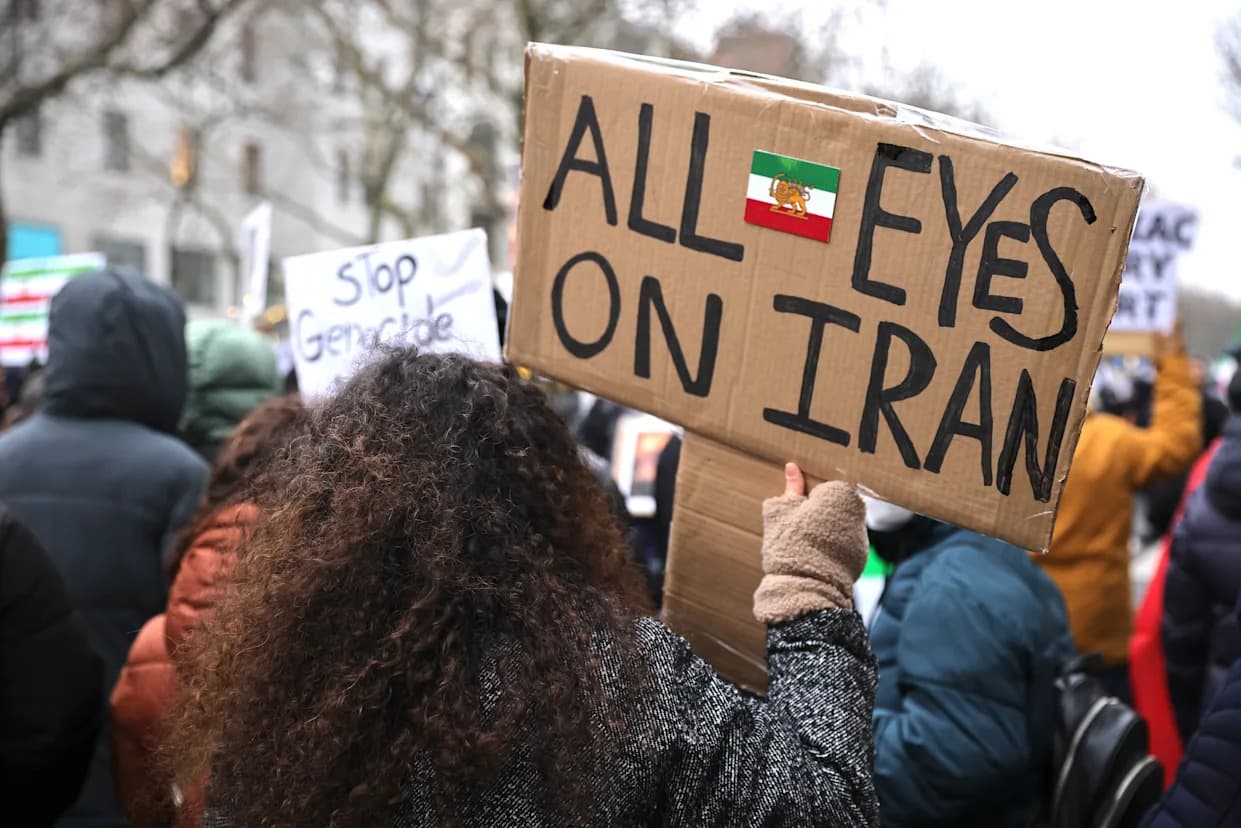
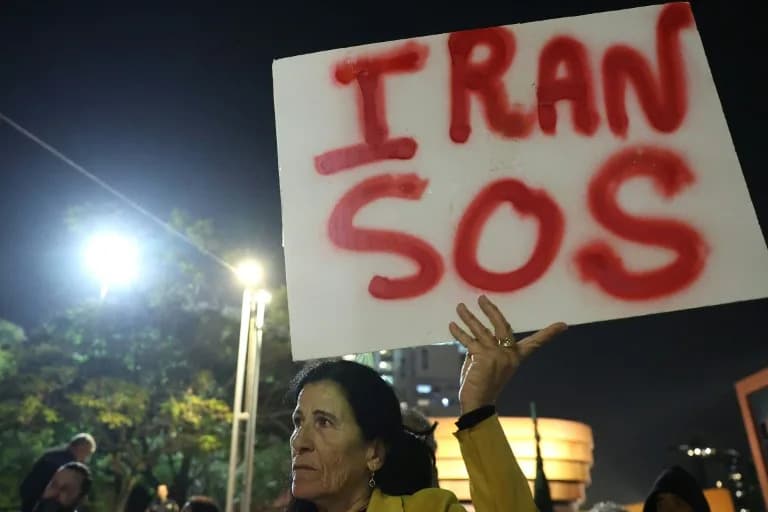
At a January 24, 2026 demonstration in Berlin under the slogan 'Help Iran. No Business With The Mullahs', a protester holds a banner reading 'All eyes on Iran', after officials admitted more than 5,000 people were killed in the recent nationwide crackdown on protests [Omer Messinger/Getty Images]
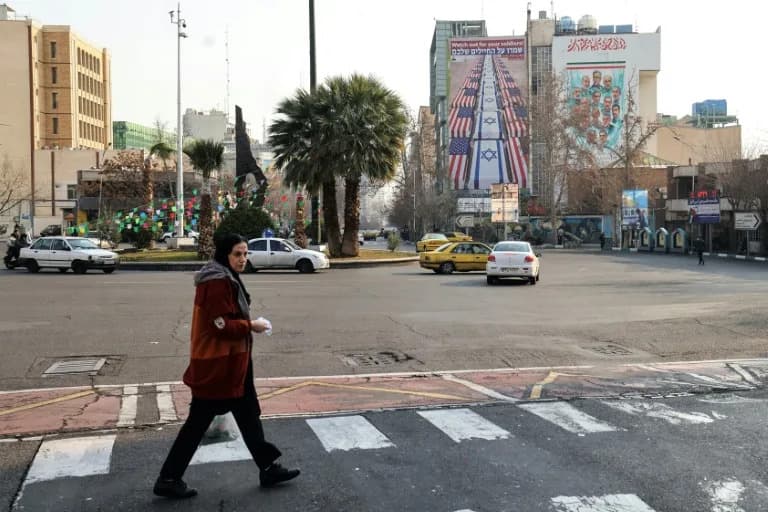
As fears of a military confrontation between Iran and the United States mount, regional and global powers are racing to defuse the crisis through intense diplomacy even as both sides step up their military posturing.
Military Posturing
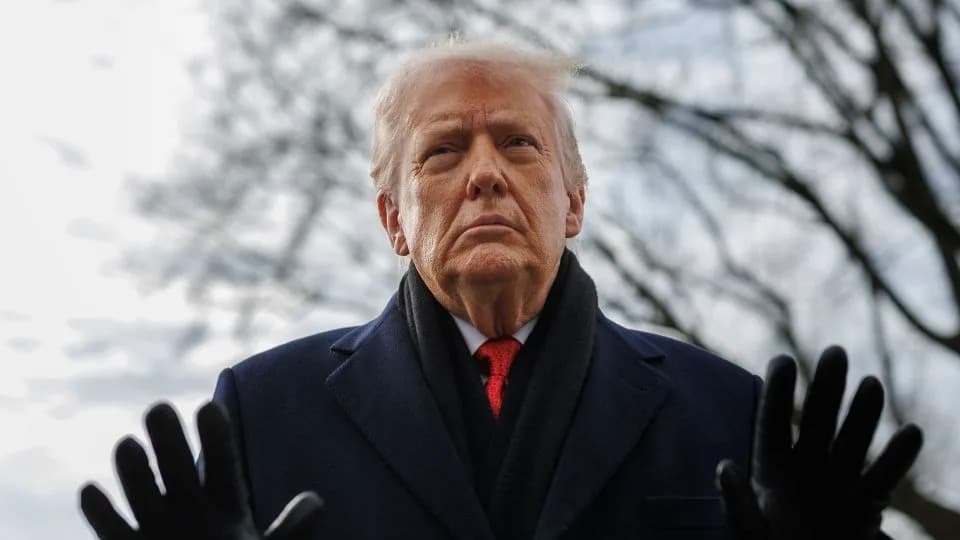
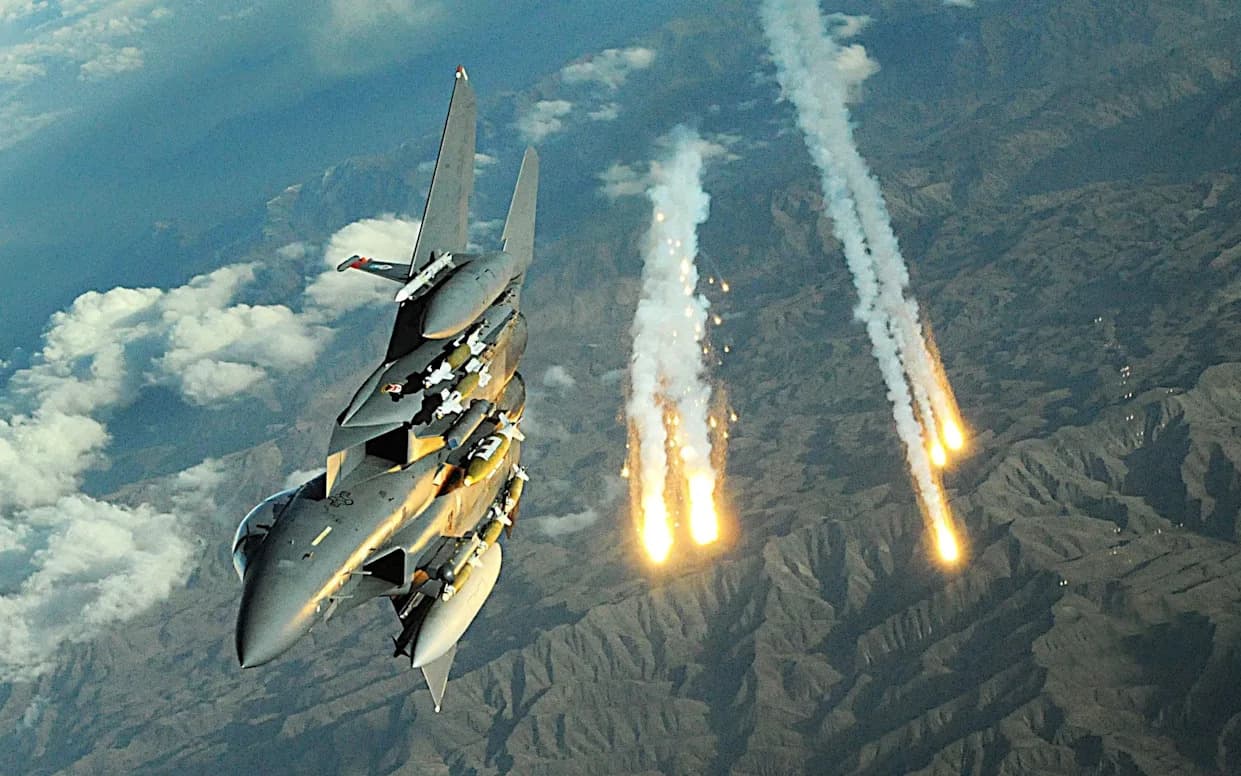
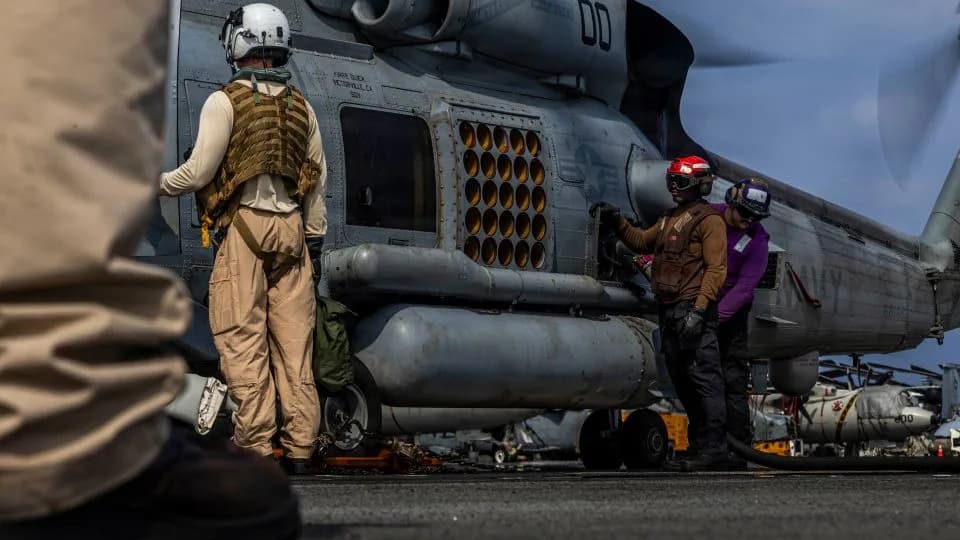
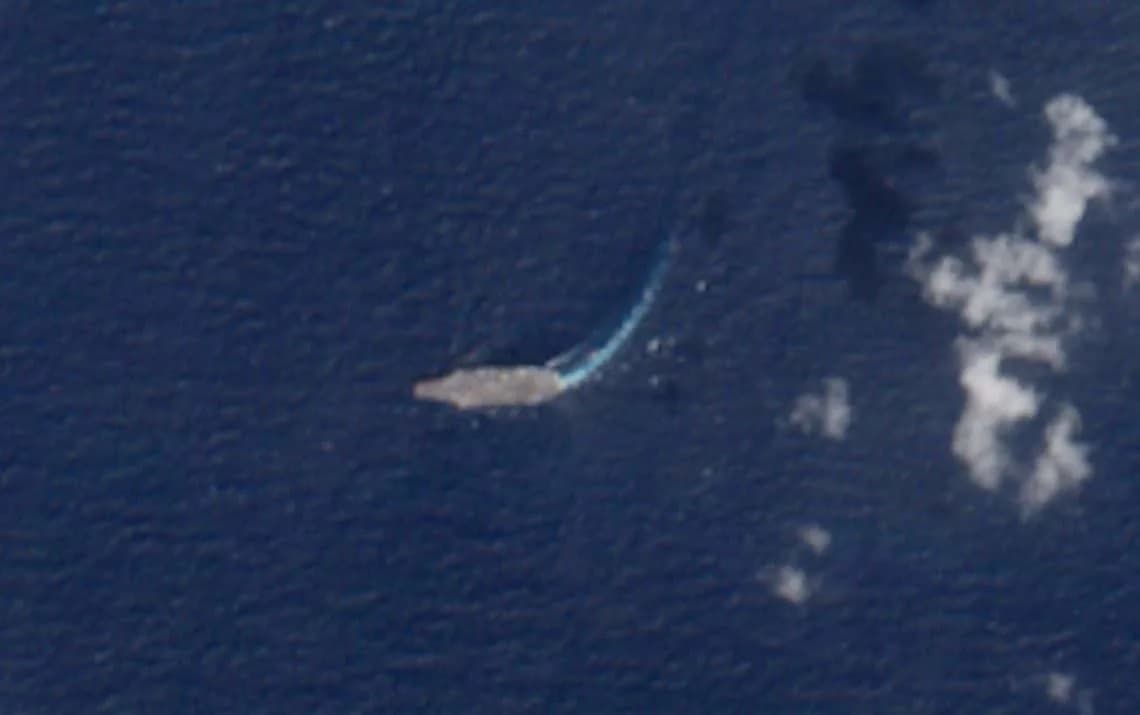
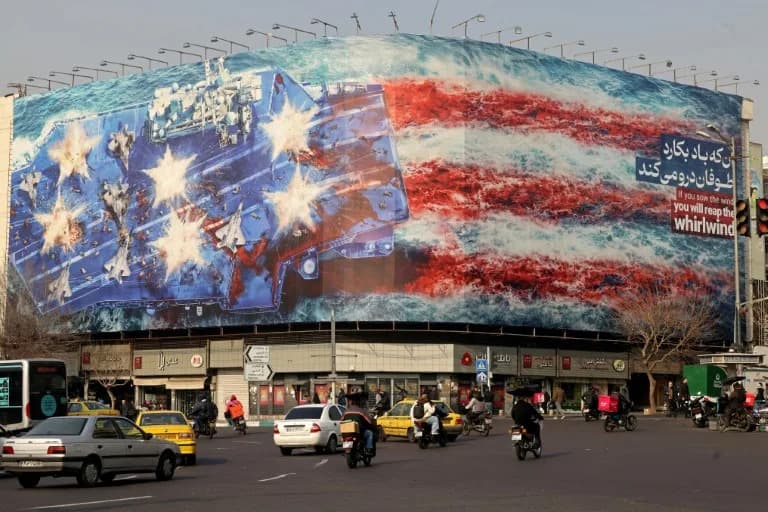
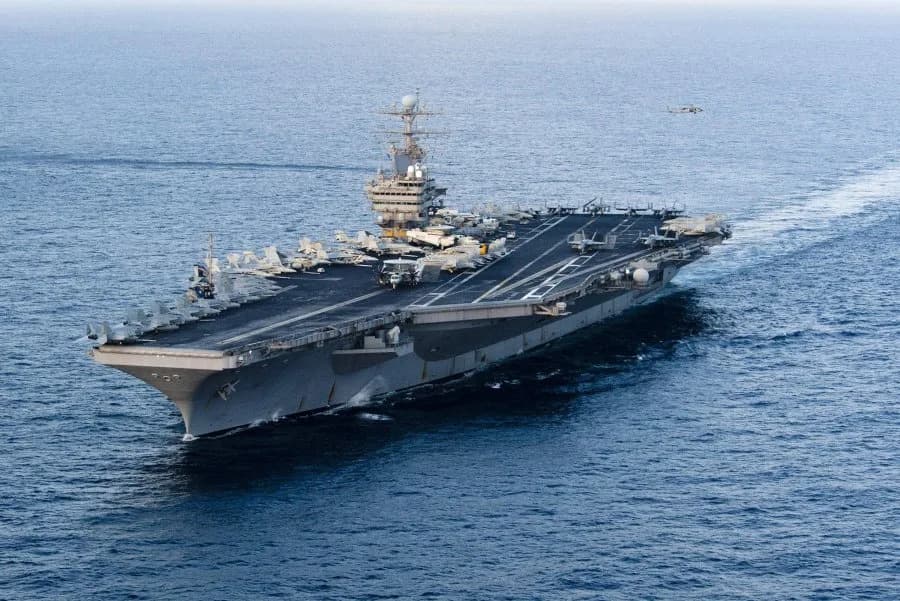
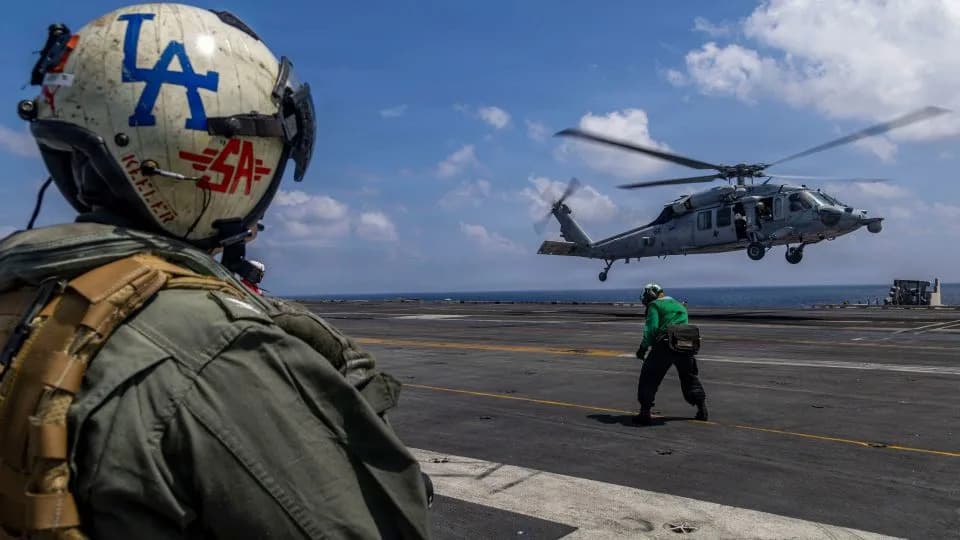
On Wednesday, US President Donald Trump renewed threats of military action against Iran unless Tehran agrees to limits on its nuclear programme and ballistic missile capabilities. In a post on Truth Social he warned: "A massive Armada is heading to Iran." The US carrier USS Abraham Lincoln, one of the Navy's largest vessels, was confirmed by US Central Command (CENTCOM) on X to have been redeployed to the Middle East from operations in the South China Sea.
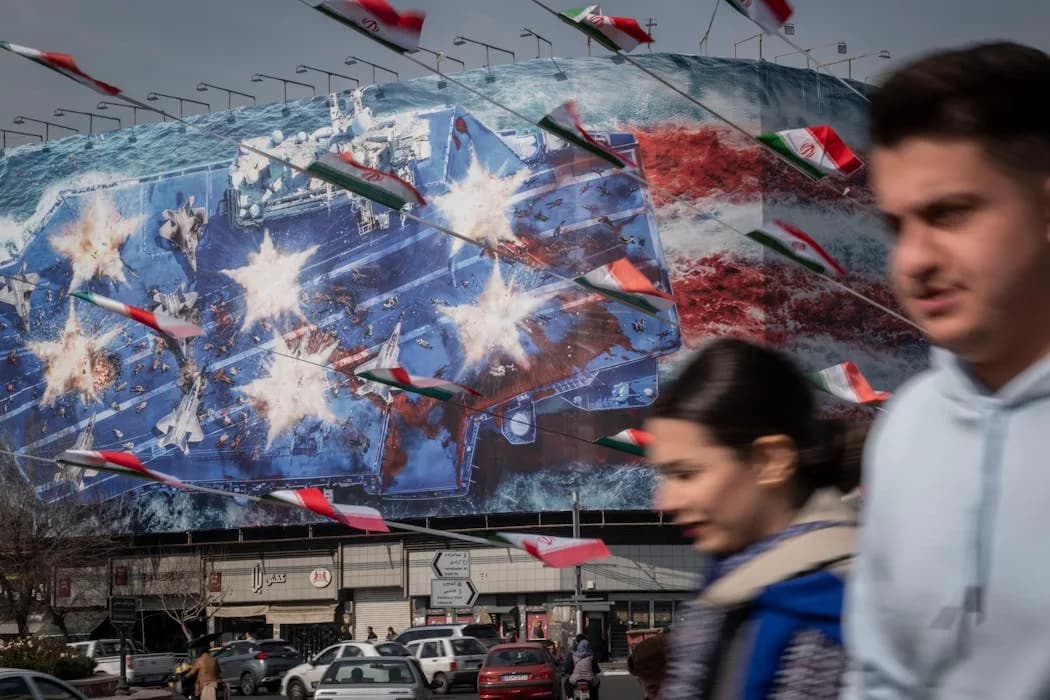
Iran has responded by accelerating its own preparations. The Iranian army announced the addition of 1,000 "strategic" drones — including one-way attack systems and combat, reconnaissance and cyber-capable platforms — saying they are meant to strike fixed and mobile targets on land, at sea and in the air. "Proportionate to the threats facing us, the agenda of the army includes maintaining and improving strategic advantages for fast combat and a decisive response to any aggression," army commander Amir Hamati said.
Diplomatic Outreach
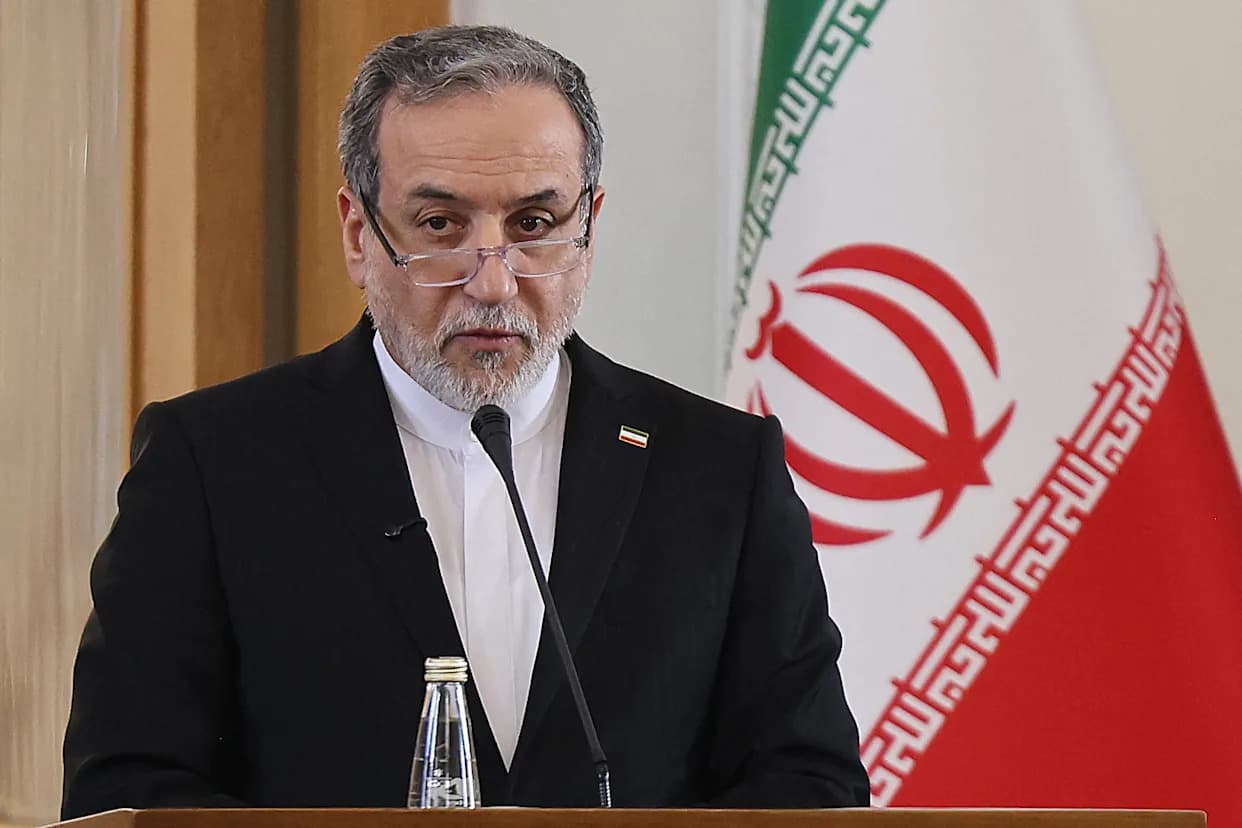
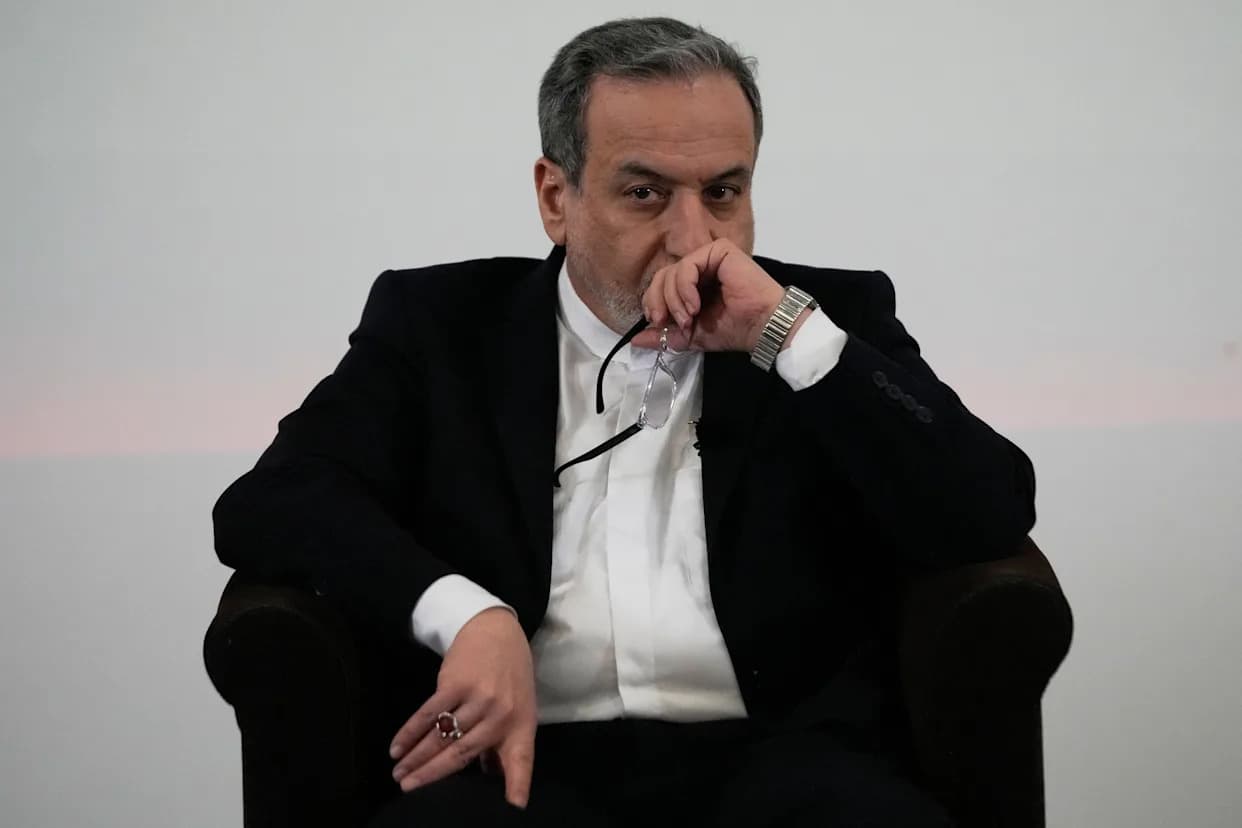
At the same time, Tehran has pursued broad diplomatic engagement with regional neighbours. Foreign Minister Abbas Araghchi travelled to Istanbul for talks with Turkish leaders and has held contacts with Pakistani, Egyptian, Indian and other officials. Pakistani leaders reiterated respect for state sovereignty and condemned interference in internal affairs, while Saudi Arabia and the UAE publicly pledged not to allow their territory or airspace to be used for strikes on Iran.
India sent its deputy national security adviser to Tehran for high-level meetings, and China and Russia used international forums to call for restraint and renewed negotiation. Fu Cong, China's UN envoy, warned that "the use of force cannot solve problems" and urged parties to avoid "adding fuel to the fire." Kremlin spokesperson Dmitry Peskov said negotiation channels remain open and urged all sides to renounce force.
Sanctions, Designations And International Responses
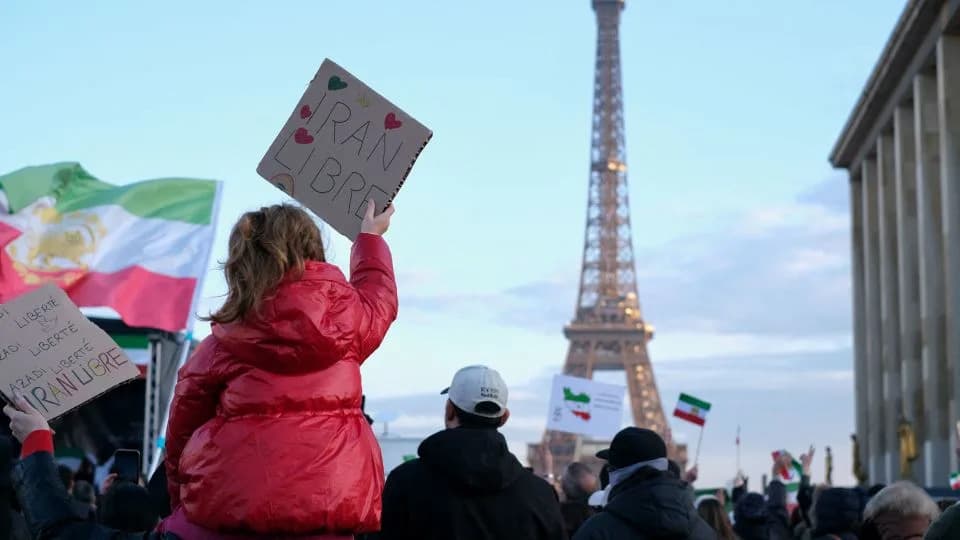
European governments have largely condemned Iran's violent suppression of recent protests and the European Council adopted sanctions on 15 individuals and six entities, while formally designating Iran's Islamic Revolutionary Guard Corps (IRGC) as a "terrorist organisation." The US, Canada and Australia previously listed the IRGC as a terrorist group. Several European officials framed the sanctions and designations as responses to serious human rights violations during the protests.
Political Signals And Risks
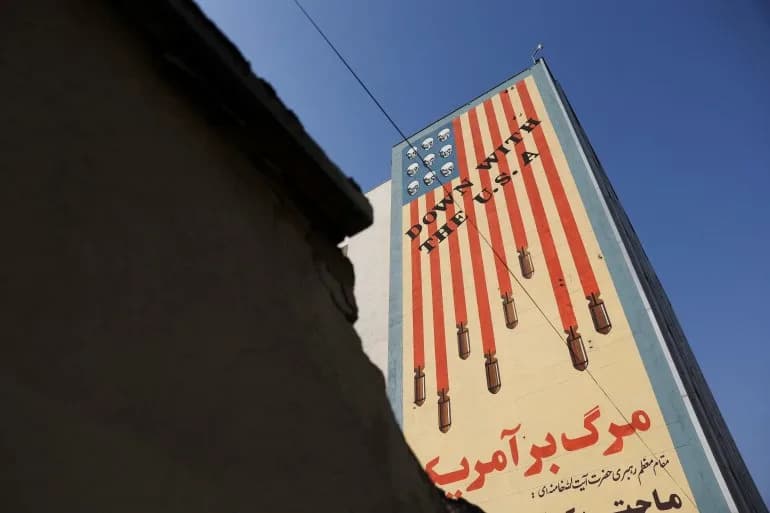
Iranian officials say they will not negotiate under threat and emphasize readiness to defend the country. "Tehran's priority is currently not to negotiate with the US, but to have 200 percent readiness to defend our country," Kazem Gharibabadi, a senior member of Iran's negotiating team, told state media. He also referenced a US strike on Iranian nuclear facilities in June last year that coincided with a window for talks.
Western leaders have been cautious: some condemn Tehran's crackdown while stopping short of endorsing immediate military action. French and German officials expressed support for the Iranian people but emphasised that military intervention is not the preferred option.
Outlook
Analysts say regional diplomacy can help lower the immediate risk of wider escalation by limiting access to logistics or basing and by amplifying calls for restraint, but they caution it may have limited influence on Washington's ultimate calculations. Adnan Hayajneh, a professor of international relations at Qatar University, observed that regional appeals may not sway US decisions: "[Trump] doesn't really care about regional actors. At the end of the day, he listens to himself."
Bottom line: Military preparations and diplomatic engagement are proceeding in parallel. The next days of diplomacy will be critical, but the situation remains fragile and contingent on choices in Washington, Tehran and among key regional actors.
Help us improve.