MSF has declined to provide Israeli authorities with personal data on its Gaza and West Bank staff, saying it could not secure guarantees that the information would be used safely. The decision reverses an earlier, conditional offer to share names and follows Israeli rules that require sensitive staff and operational details and the revocation of 37 NGO licences. MSF warned that expelling its teams would severely harm medical care amid widespread destruction and urgent needs.
MSF Refuses To Hand Over Staff Personal Data To Israeli Authorities, Citing Safety Risks
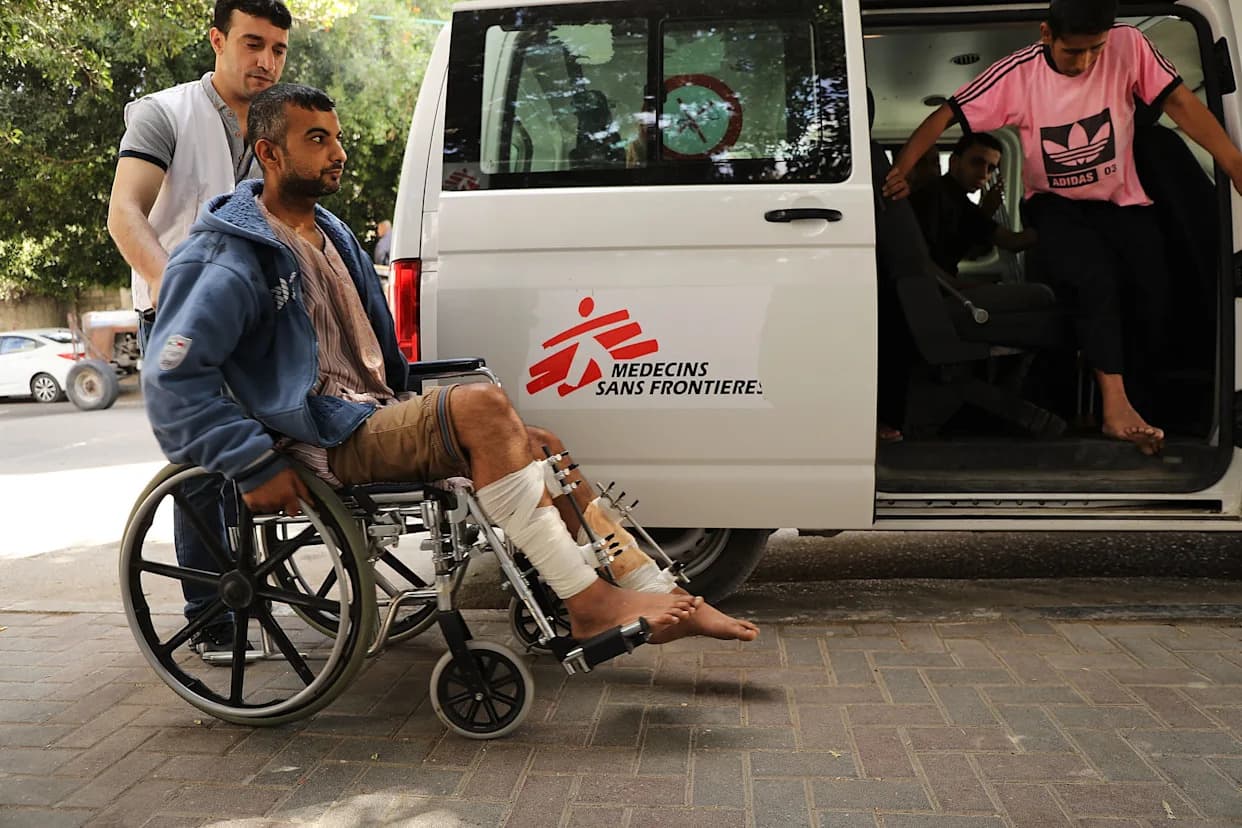
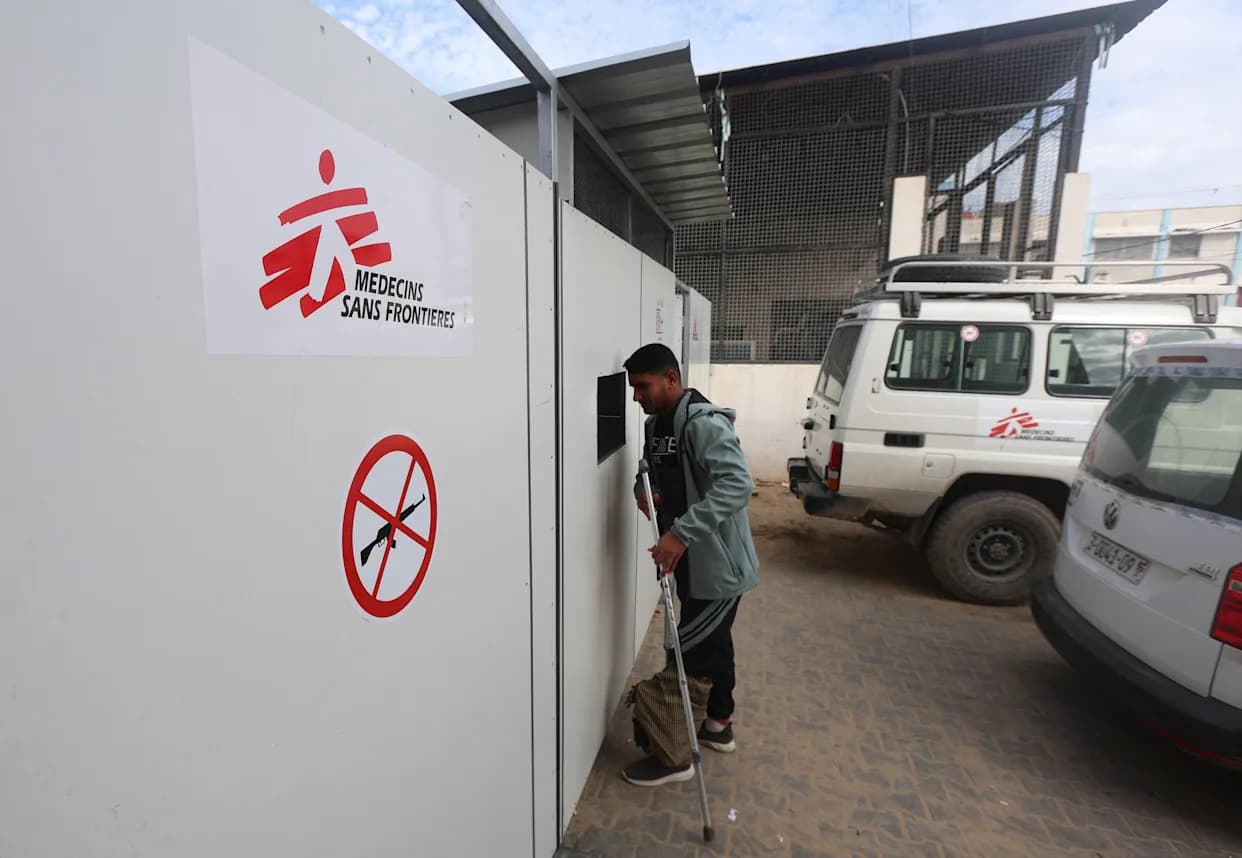
A man who was shot in his legs during protests at the Gaza border fence enters a medical clinic operated by Doctors Without Borders (MSF) [File: Spencer Platt/Getty Images]
Doctors Without Borders (MSF) has said it will not provide Israeli authorities with personal details of its staff working in Gaza and the occupied West Bank, after failing to secure guarantees that the information would not be misused or endanger personnel.
Background
Last year, Israel introduced new “security and transparency standards” requiring international aid organisations to submit sensitive information about staff, funding and operations. On January 1, Israel revoked the licences of 37 organisations — including MSF, the Norwegian Refugee Council, the International Rescue Committee and Oxfam — accusing them of non-compliance.
What MSF Says
MSF previously indicated it might share a narrowly defined list of Palestinian and international staff names under clarified conditions and with the explicit consent of those listed. After months of engagement, the organisation says it was unable to obtain the concrete assurances it requested and has therefore ruled out sharing any staff data “under the current circumstances.”
MSF: “Any staff information must be used only for its stated administrative purpose and must not put colleagues at risk. MSF must retain full authority over human resources and medical supplies, and hostile communications that defame MSF and undermine staff safety must cease.”
Concerns And Risks
Humanitarian groups warn that handing over passport copies, CVs and family details could expose aid workers to surveillance, harassment or targeting across Gaza, the occupied West Bank and East Jerusalem. The International Rescue Committee has noted that Palestinians represent a disproportionate share of aid workers killed globally.
Israeli officials have publicly accused some aid groups, including MSF, of employing people with links to armed groups, allegations MSF says have been made without publicly presented evidence. Aid organisations say such claims have contributed to an environment that normalises attacks on humanitarian staff and undermines life-saving operations.
Humanitarian Impact
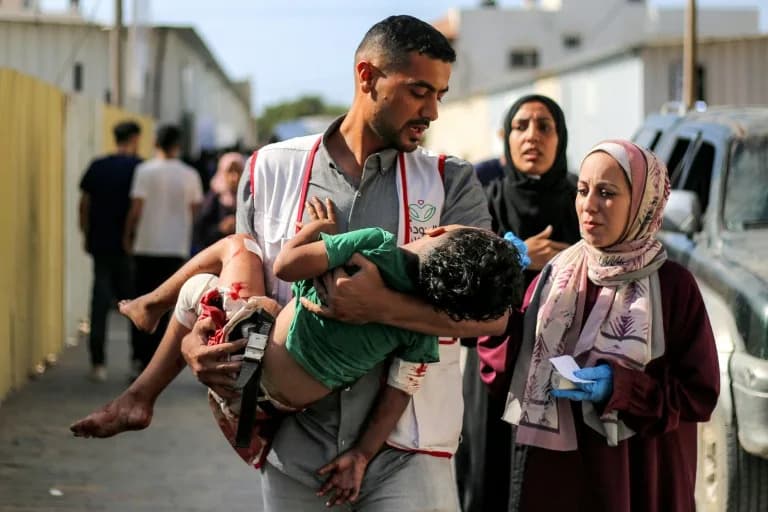
MSF operates emergency and critical medical services across Gaza and the occupied West Bank. The organisation warned that expelling its teams would have a devastating impact on people already facing widespread destruction and urgent medical needs. MSF reported providing 800,000 consultations in 2025, assisting one in three births and supporting one in five hospital beds in areas where it works.
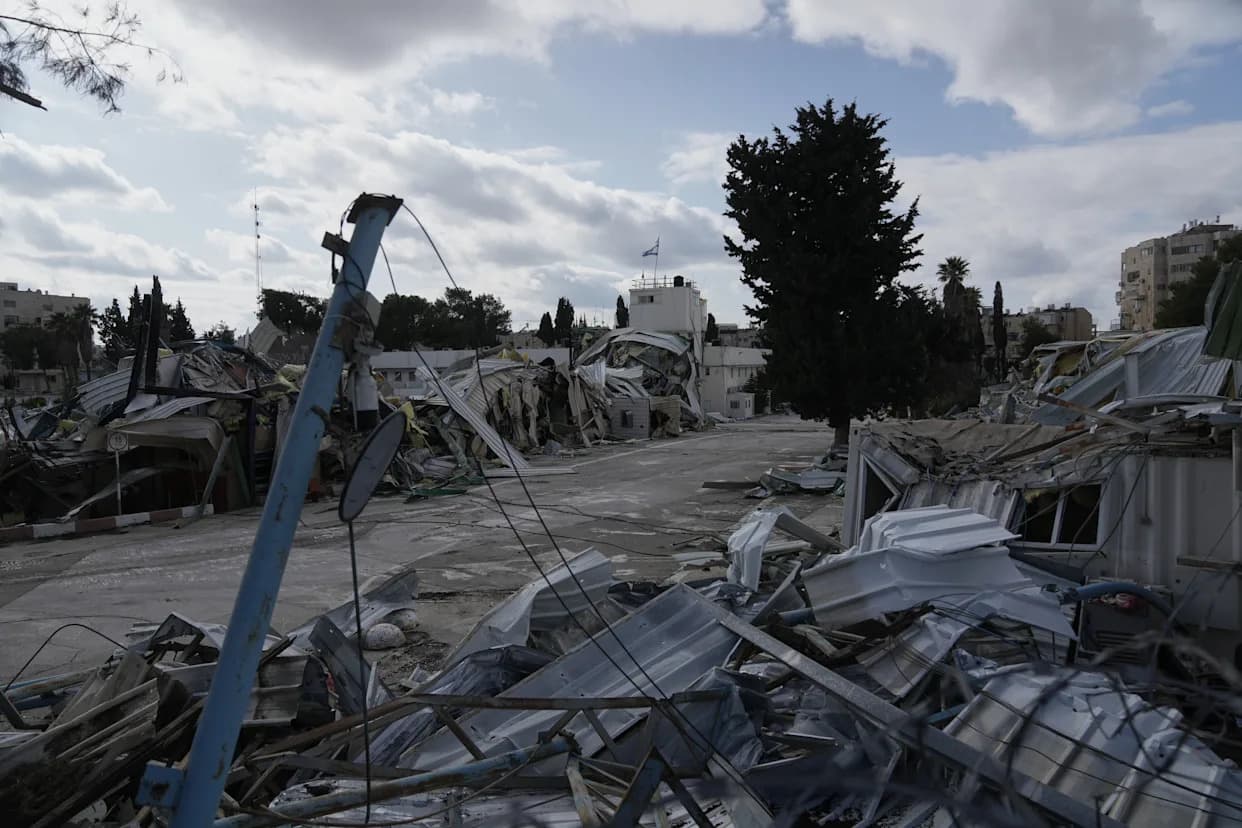
MSF emphasised that the health system in Gaza is heavily damaged and that specialised services, such as burn treatment, are often unavailable. The group said it remains open to dialogue with Israeli authorities to safeguard its operations and ensure continued delivery of essential, life-saving care.
Next Steps
MSF said it will continue discussions with authorities but will not hand over staff information without robust, enforceable guarantees that protect personnel and preserve MSF’s operational independence.
Help us improve.