The IAEA board met for four hours to address growing nuclear safety concerns after attacks on Ukraine's power grid disrupted electricity to nuclear sites. An IAEA expert mission is inspecting 10 substations deemed critical and will report next month. Chernobyl briefly lost all off-site power last week, and the Zaporizhzhia plant — occupied since March 2022 — still needs electricity for cooling and security despite its reactors being shut down. Delegates called for urgent repairs and continued international monitoring amid mutual accusations between Moscow and Kyiv.
IAEA Board Raises Alarm Over Ukraine Nuclear Safety After Power-Grid Attacks
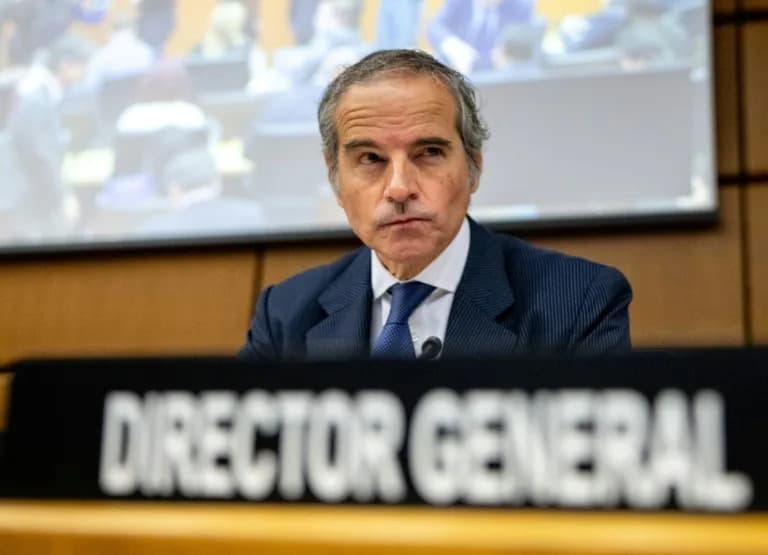
IAEA head Rafael Grossi has repeatedly warned about the risks of fighting on nuclear safety in Ukraine (Joe Klamar)(Joe Klamar/AFP/AFP)
The International Atomic Energy Agency's board of governors convened on Friday to address mounting nuclear safety concerns in Ukraine after repeated attacks on the country's power grid disrupted supply to nuclear facilities.
IAEA Warns of Elevated Nuclear Risk
Opening the four-hour extraordinary session, IAEA Director General Rafael Grossi warned that the conflict in Ukraine "continues to pose the world's biggest threat to nuclear safety." Delegates discussed how sustained strikes on power infrastructure since the start of Russia's 2022 invasion have put nuclear sites at increased risk.
Expert Mission to Inspect Critical Substations
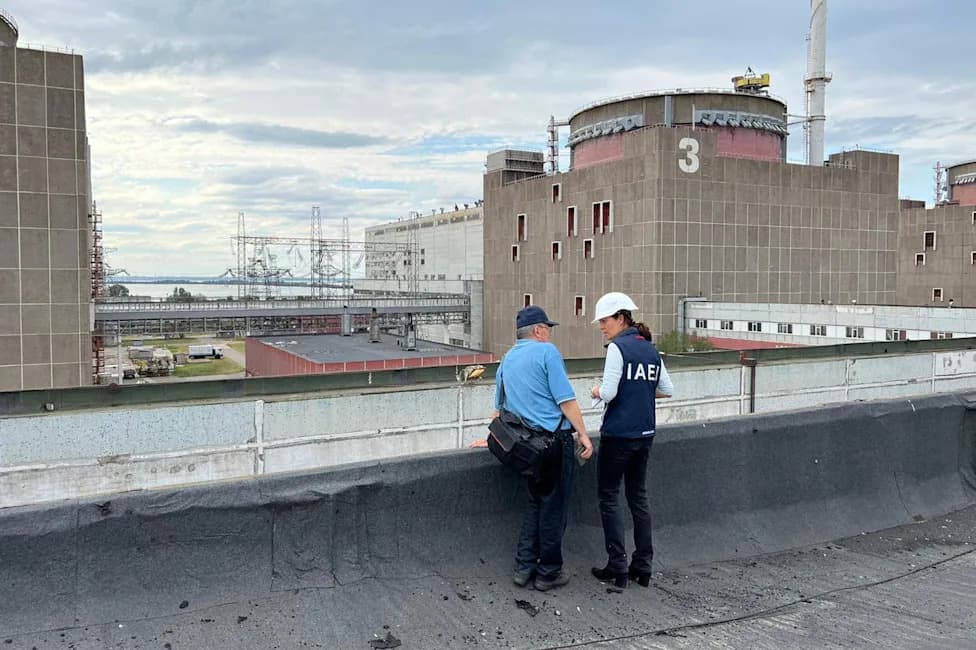
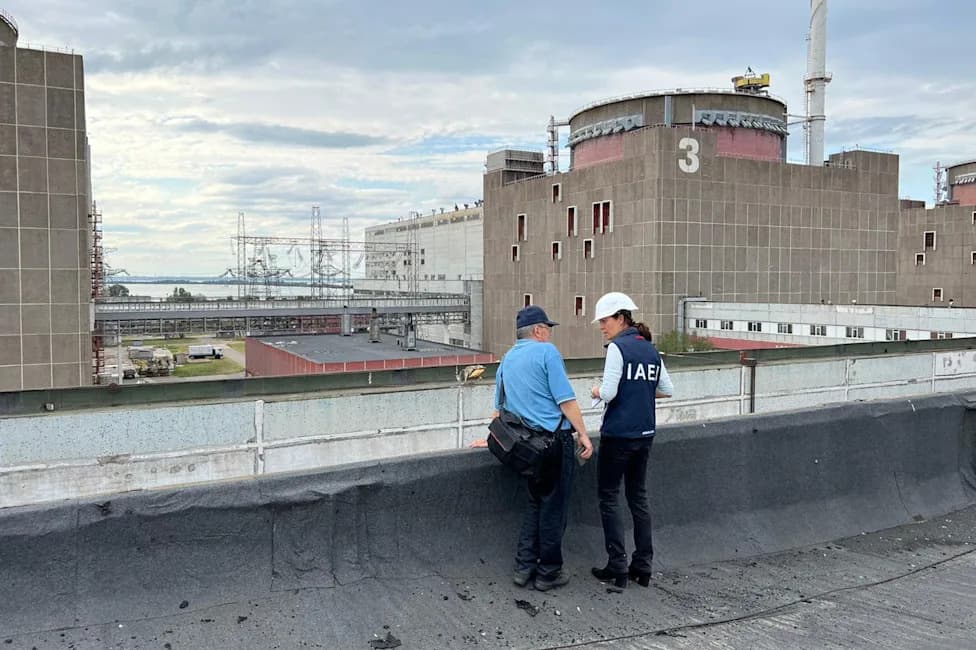
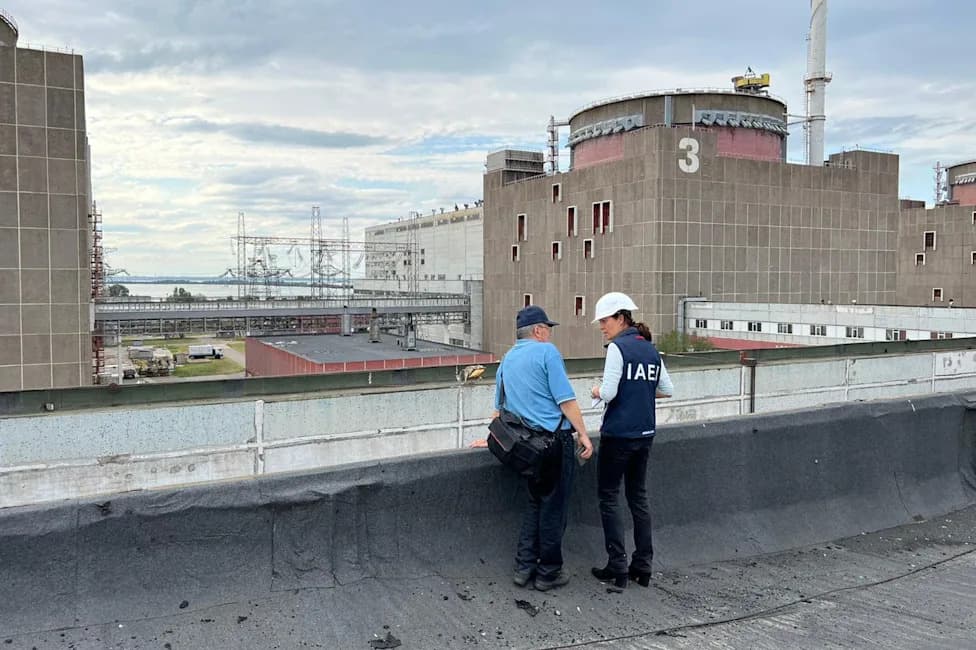
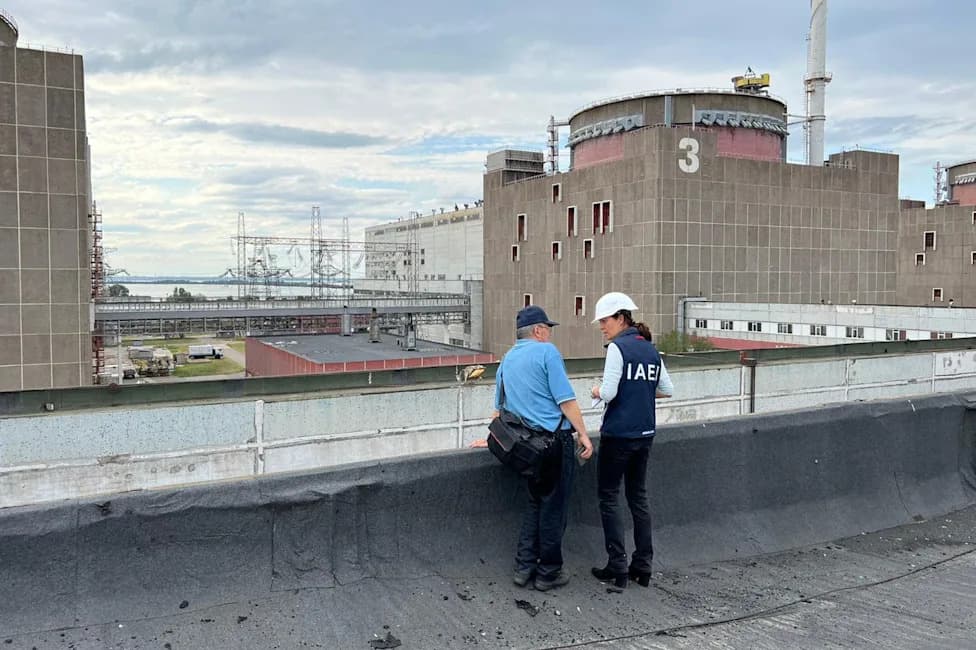
An IAEA expert mission is currently visiting Ukrainian substations and power plants to assess vulnerabilities. Grossi said the team will evaluate 10 substations he described as "crucial to nuclear safety." The mission, which is expected to conclude next month, aims to identify urgent repairs and mitigation measures to reduce the risk of power loss at nuclear sites.
Diplomacy and Disagreement
The meeting was called after a letter from 13 countries, led by the Netherlands and seen by AFP, expressed "growing concern about the severity and urgency of nuclear safety risks" following a series of attacks. Ukrainian Ambassador Yurii Vitrenko told reporters it was "high time" for the board to act.
Russian Ambassador Mikhail Ulyanov dismissed the gathering as "absolutely politically motivated," saying there was "no real need to hold such a meeting today." The exchange highlighted sharply divergent views on how to address the security and safety situation at Ukrainian nuclear facilities.
Sites of Immediate Concern
Last week, Ukraine's Chernobyl site briefly lost all off-site power, underscoring the fragility of external electricity supplies for nuclear facilities. Europe's largest nuclear plant, Zaporizhzhia, has been occupied by Russian forces since March 2022 and has repeatedly seen its operations affected by nearby fighting.
Although all six reactors at Zaporizhzhia have been shut down since the occupation, the plant still requires electricity to operate cooling and security systems. Earlier this month, Moscow and Kyiv agreed to a localized ceasefire to allow repairs to the last remaining backup transmission line after it was damaged and disconnected in early January.
Ongoing Risks and Next Steps
Board members urged sustained international monitoring, rapid repair of damaged power infrastructure, and full cooperation with IAEA experts to prevent an accident. With both Moscow and Kyiv accusing each other of endangering the sites, the IAEA's inspection findings and recommendations are likely to be closely watched in coming weeks.
Key Quote: "The war in Ukraine continues to pose the world's biggest threat to nuclear safety," — Rafael Grossi, IAEA Director General.
Help us improve.