The Trump administration’s immigration surge in Minnesota has involved street stops where federal agents used cellphone face scans and repeatedly asked detainees if they were U.S. citizens. A Minneapolis resident, Luis Martinez, was scanned and released only after showing his U.S. passport. Civil-rights groups warn that growing use of facial recognition, license-plate readers, phone-location data, Palantir systems and AI risks sweeping up citizens as well as noncitizens without adequate oversight. DHS says the tools aid investigations and public safety but declines to disclose operational details.
Masked Agents, Face Scans and 'Are You a U.S. Citizen?': Inside the Minnesota Crackdown
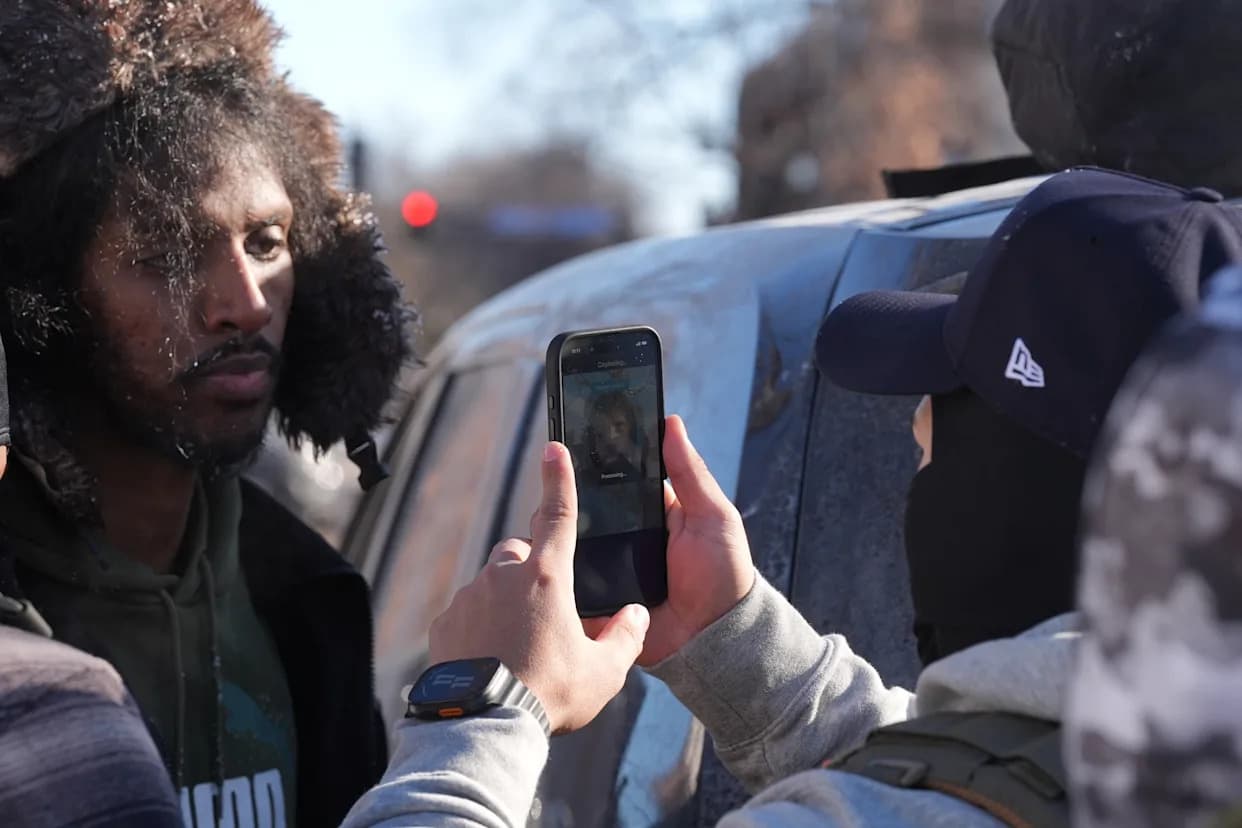
ADDS REFERENCE TO FACIAL RECOGNITION APP - Federal agents use a facial recognition app on a person detained and who later released on Tuesday, Jan. 27, 2026, in Minneapolis. (AP Photo/Adam Gray)
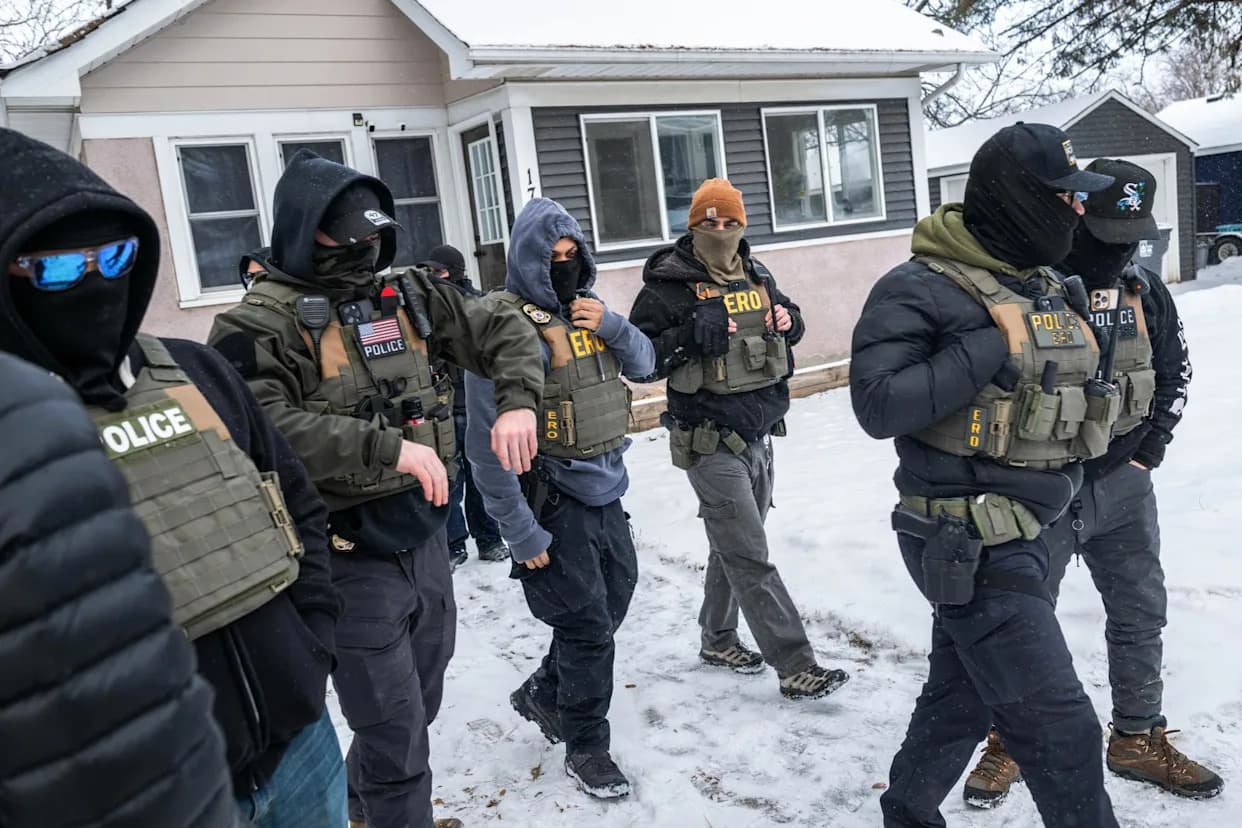
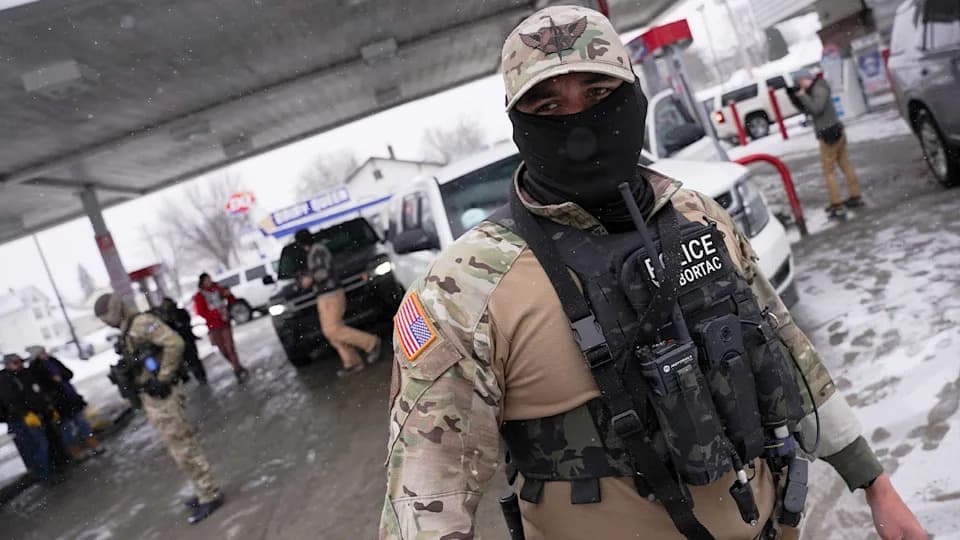
On a freezing morning in the Minneapolis suburbs, Luis Martinez was driving to work when masked federal agents boxed in his SUV, demanded identification and held a cellphone inches from his face to capture a biometric scan — all while repeatedly asking, "Are you a U.S. citizen?" The face scan produced no match; agents released Martinez only after he showed his U.S. passport.
What Happened In Minnesota
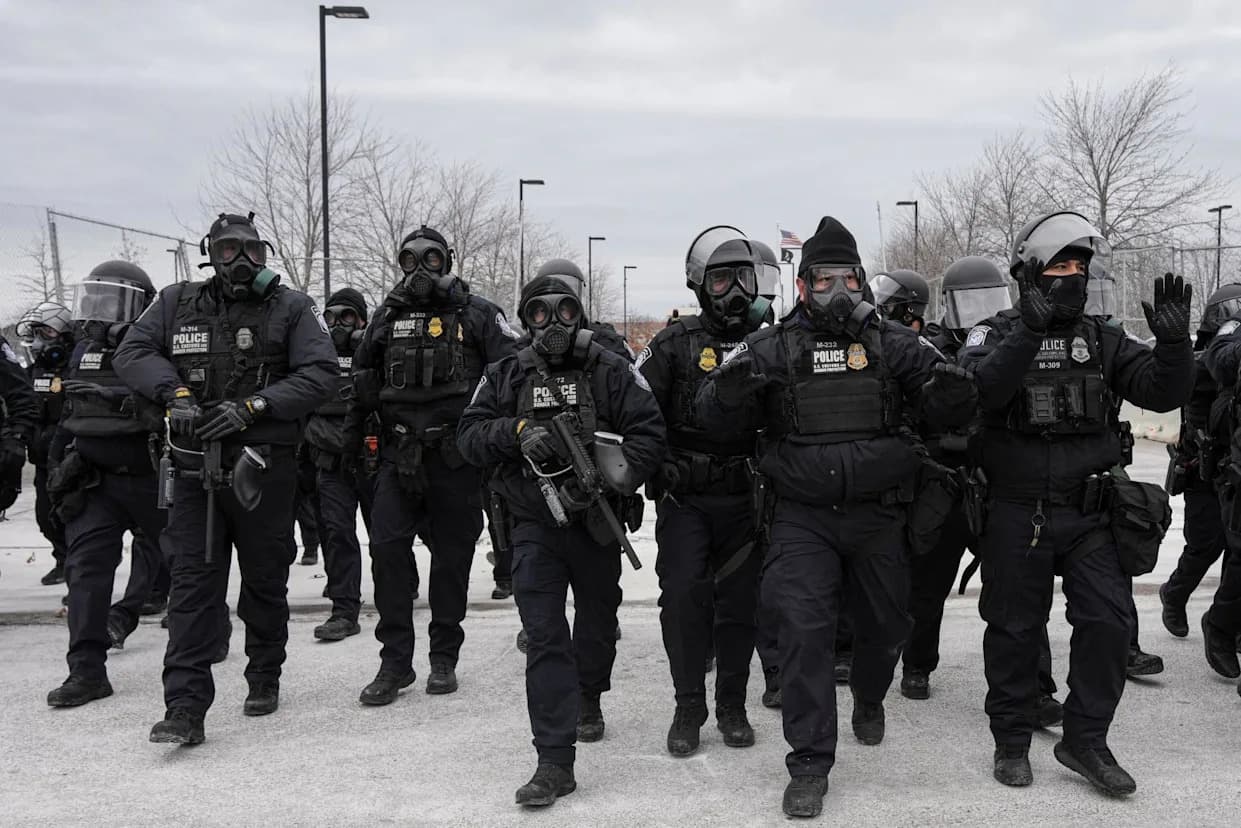
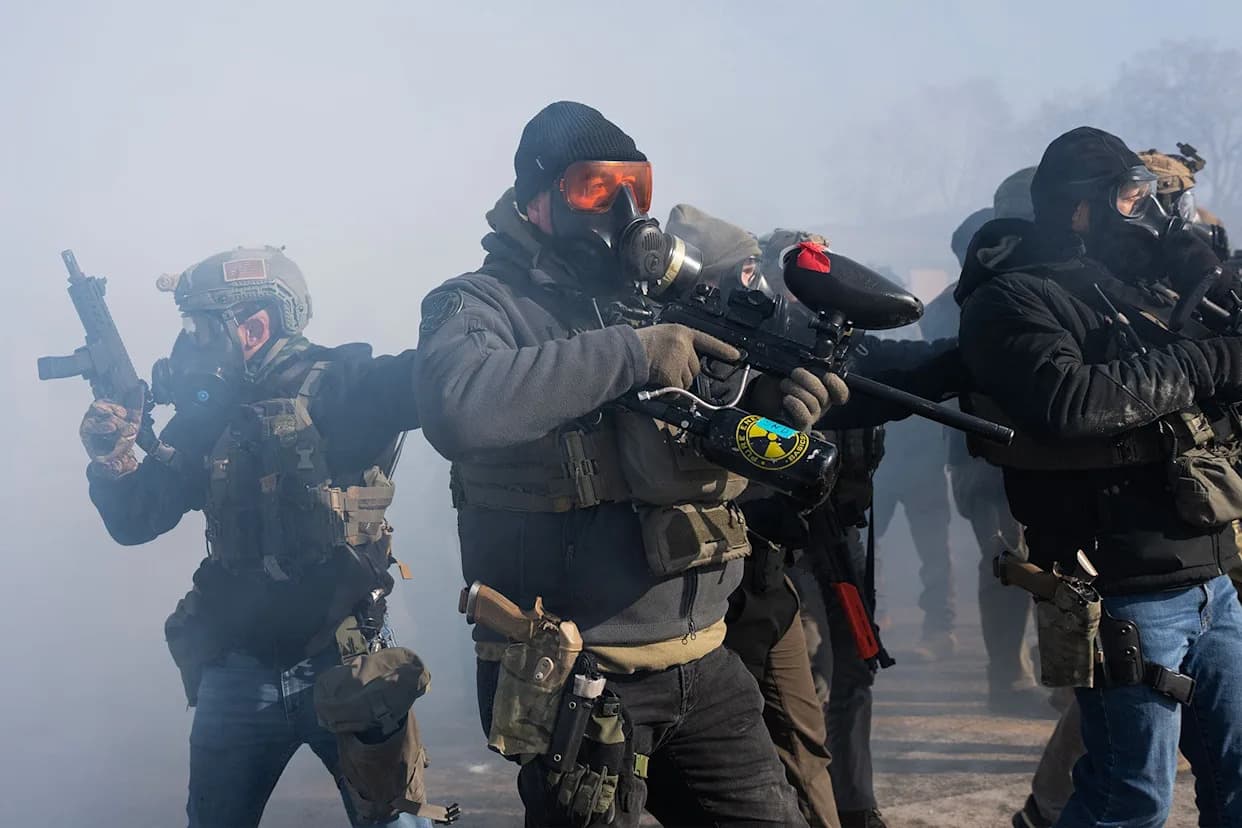
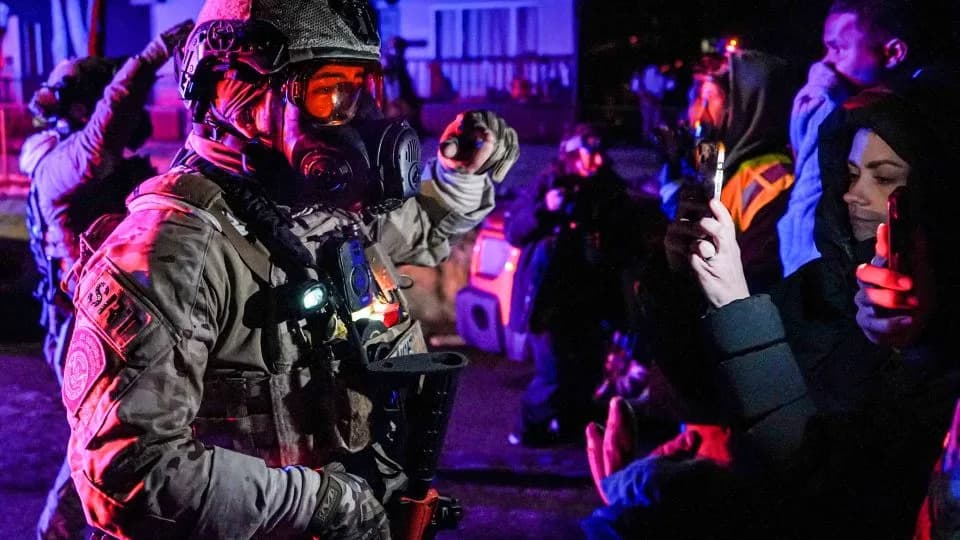
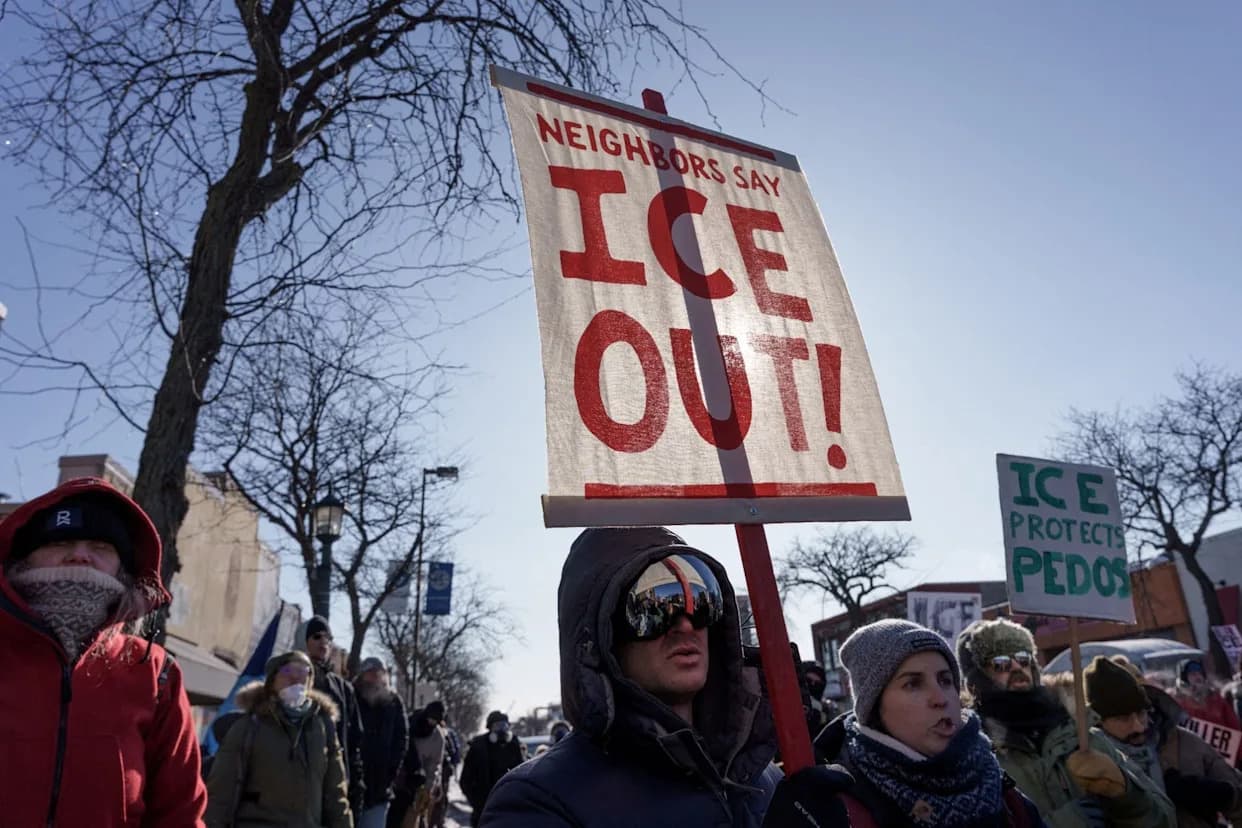
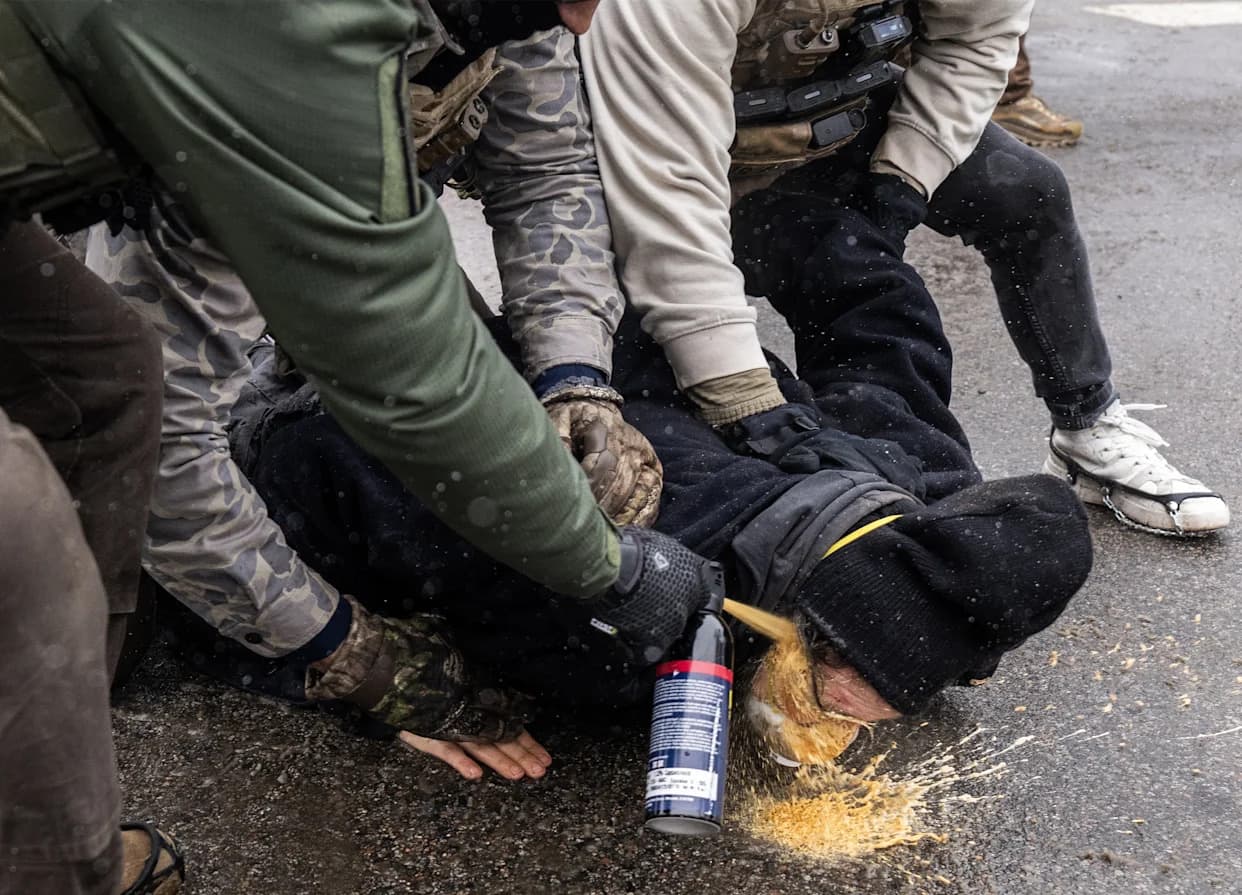
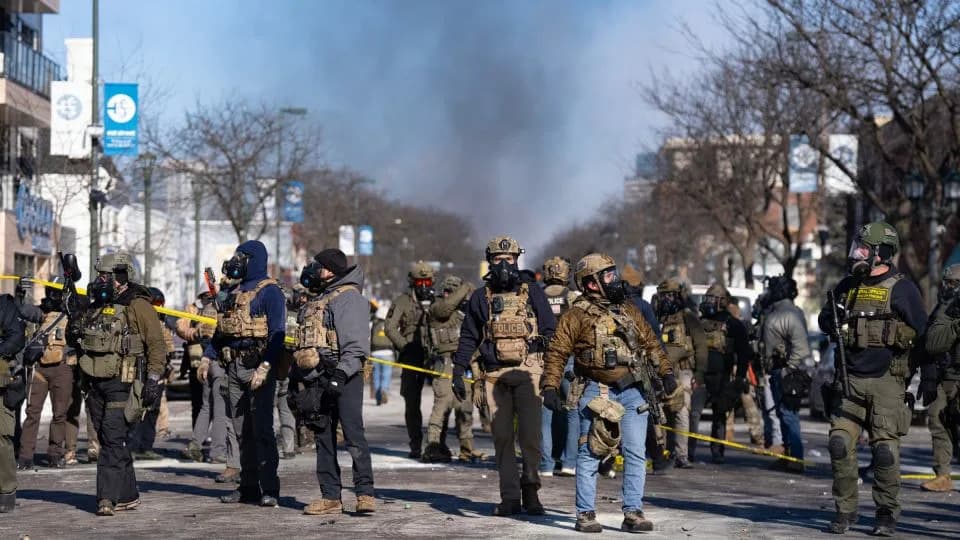
The encounter in a Minneapolis suburb is part of a broader immigration surge the Trump administration has called its largest yet. The operation, which has drawn national attention after federal agents this month shot and killed two people identified as U.S. citizens, has featured street stops that often rely on biometrics and integrated data systems.
Biometric Tools And Vast Databases
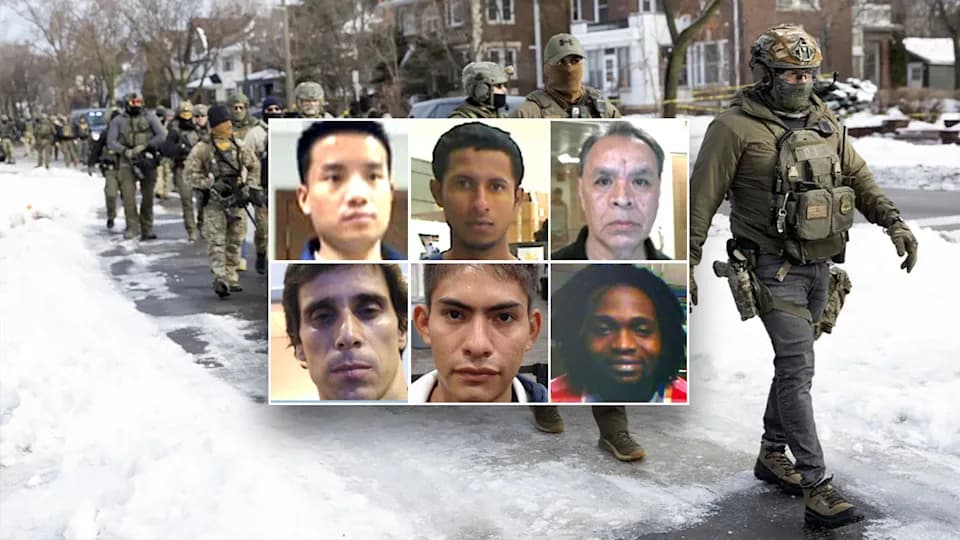
Reporters, photographs, videos and internal documents depict agents leaning heavily on facial-recognition tools, license-plate readers and interconnected databases that include immigration and travel records, vehicle data and photographs. Advocates warn that the spreading use of these systems risks ensnaring both citizens and noncitizens, often with little transparency or oversight.
Mobile Fortify And Legal Challenges
DHS has acknowledged using a field app called Mobile Fortify, which Customs and Border Protection says compares face scans to "trusted source" photos and supports fingerprint matching. A lawsuit by the state of Illinois and the city of Chicago alleges Mobile Fortify has been used in the field more than 100,000 times. DHS told reporters the tool operates with a deliberately high matching threshold and uses only portions of immigration data, but it declined to disclose law-enforcement-sensitive methods.
Body Cameras And Fatal Encounters
While the administration curtailed a broader plan to outfit Immigration and Customs Enforcement with body cameras last year, officials say some agents tied to the fatal shooting of Minneapolis ICU nurse Alex Pretti were wearing cameras and that footage is being reviewed. Independent video released publicly raised questions about early official statements in that case.
AI, Palantir And Emerging Technologies
DHS disclosed it is piloting and deploying more than 100 artificial-intelligence systems and has sought industry help to enhance investigations. Congress authorized Customs and Border Protection to access more than $2.7 billion to expand border surveillance and integrate AI. Longtime contractor Palantir received roughly $30 million to extend a system aimed at locating people flagged for deportation, and the department said it is using Palantir’s AI models to process tips submitted to its enforcement tip line. DHS has also explored partnerships with license-plate reader firms, such as Flock Safety.
Civil Liberties Concerns
Civil-rights advocates, privacy experts and some former government officials warn that wide access to facial recognition, phone-location data, vehicle tracking and immigration databases creates a surveillance architecture that could be misused or could misidentify and sweep up lawful residents and citizens. The U.S. Commission on Civil Rights, in a September 2024 report, urged caution, noting concerns about accuracy, oversight, discrimination and access to justice.
DHS Response
The Department of Homeland Security said technological tools "aid in the arrest of criminal gang members, child sex offenders, murderers, drug dealers, identity thieves and more, all while respecting civil liberties and privacy interests." DHS declined to provide further operational details on the record.
Advocates say the combination of modern biometrics, commercial data sources and powerful analytics gives authorities an unprecedented ability to monitor daily life in American cities — a development that demands stronger rules, transparency and safeguards to protect civil liberties.
AP freelance photojournalist Adam Gray contributed to reporting from Minneapolis.
Contact AP’s global investigative team at Investigative@ap.org or via the AP tips page.
Help us improve.