President Trump is weighing a major military strike on Iran after preliminary talks over nuclear limits and missile controls stalled. Tehran has vowed an immediate and powerful response, and a senior adviser to the supreme leader warned Israel could be targeted. The USS Abraham Lincoln Carrier Strike Group has moved into the Indian Ocean while the US deploys additional air defenses and plans missile-defense assets. Gulf allies, including Saudi Arabia and the UAE, have refused to permit US use of their airspace, complicating any operation.
U.S. Weighs Major Strike on Iran After Nuclear Talks Stall; Tehran Threatens Swift Retaliation
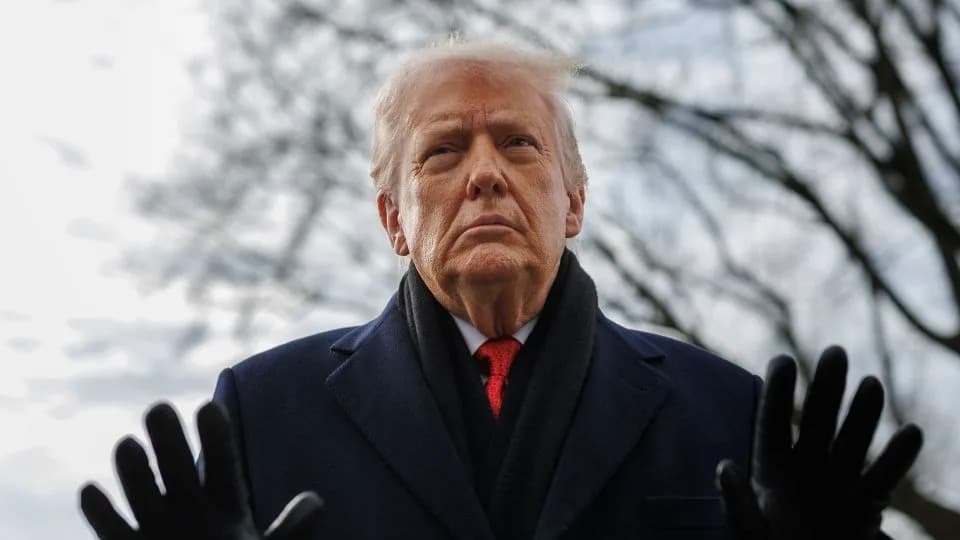
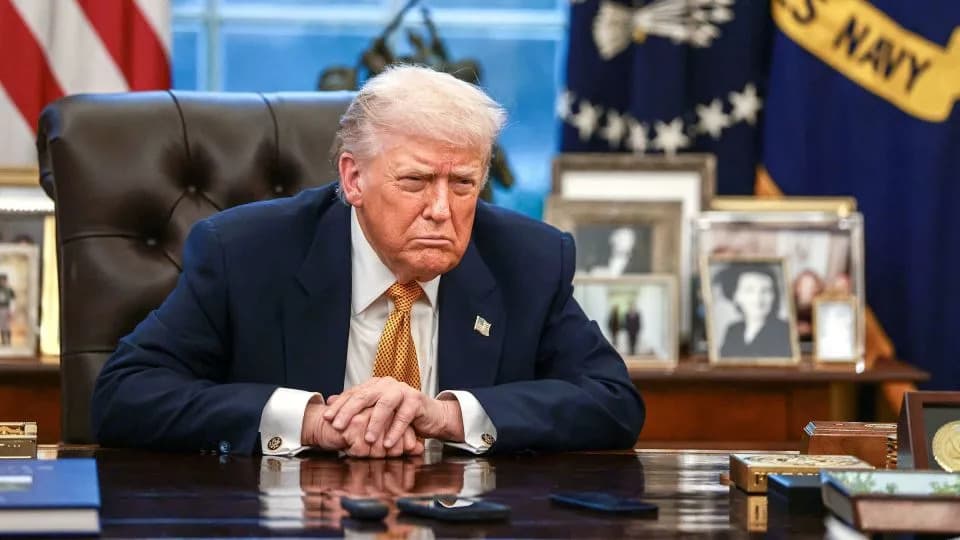
President Donald Trump speaks to reporters at the White House on January 16, 2026 in Washington, DC. - Tom Brenner/Getty Images
President Donald Trump is weighing a significant military strike on Iran after initial contacts between Washington and Tehran over limits on Iran’s nuclear program and ballistic missile capabilities failed to produce progress, according to people familiar with the matter.
What Happened
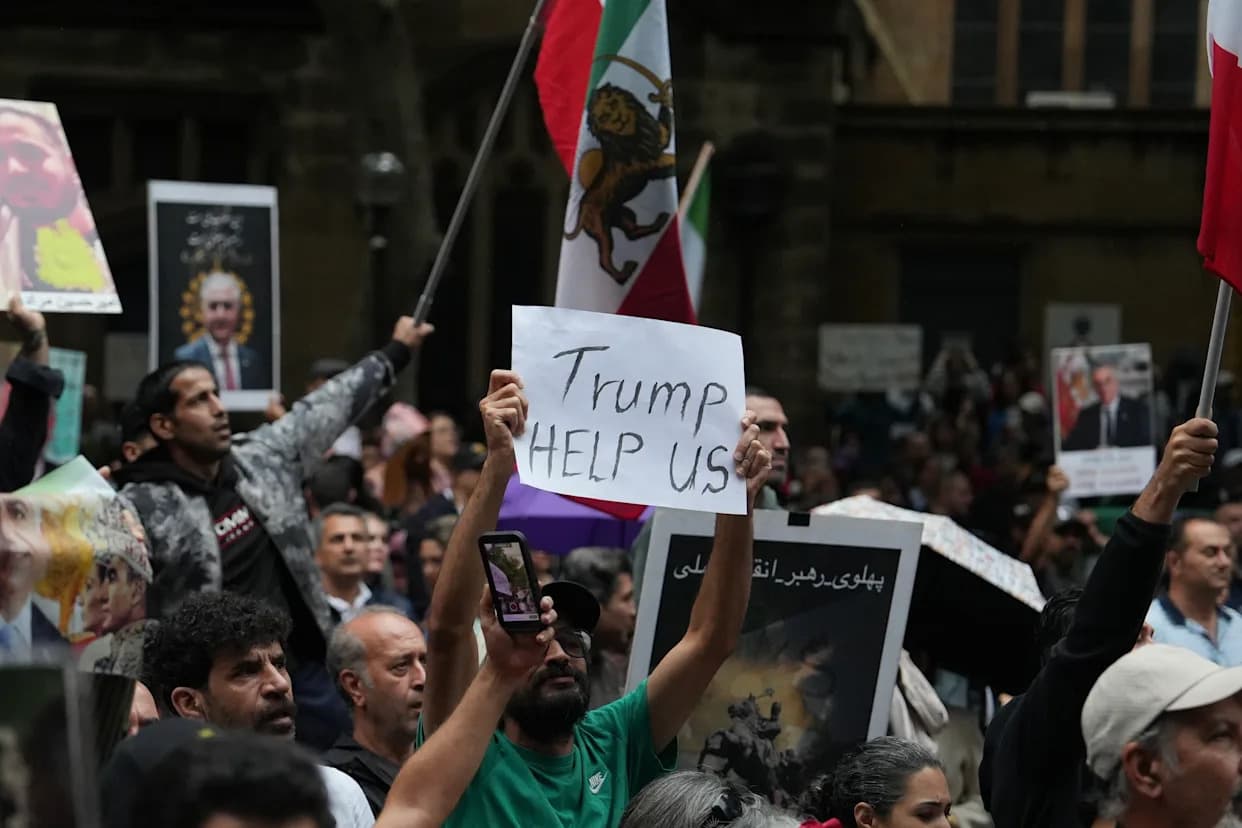
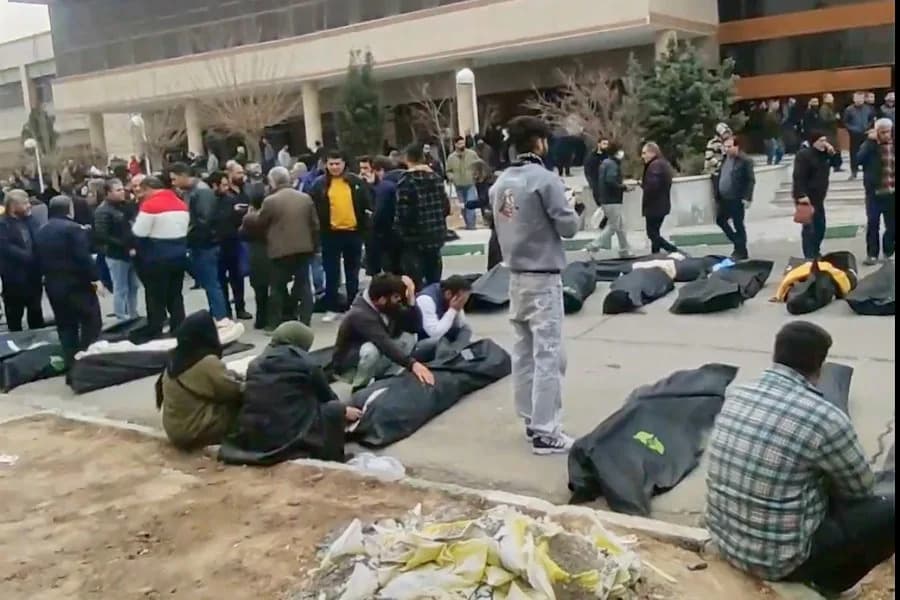
Tehran responded to renewed US threats with strong rhetoric and promises of immediate retaliation. A senior adviser to Supreme Leader Ayatollah Ali Khamenei warned that any US attack could draw Iranian strikes against Israeli territory. The escalation comes weeks after the US carried out strikes on Iranian nuclear sites last summer and amid recent nationwide protests inside Iran that were met with violent crackdowns.
Diplomatic Back Channels, But No Breakthrough
Officials say Washington and Tehran exchanged messages earlier this month — including through Omani intermediaries and between the White House envoy Steve Witkoff and Iran’s deputy foreign minister Abbas Araghchi — about a possible meeting to avert military action. A short discussion of an in-person meeting took place but did not advance to substantive, direct negotiations.
US Preconditions: Washington has attached strict preconditions for any talks: a permanent end to uranium enrichment, new limits on Iran’s ballistic-missile program (including restrictions on missile range), and a halt to support for Iran-backed proxy groups across the region.
Military Posture and Preparations
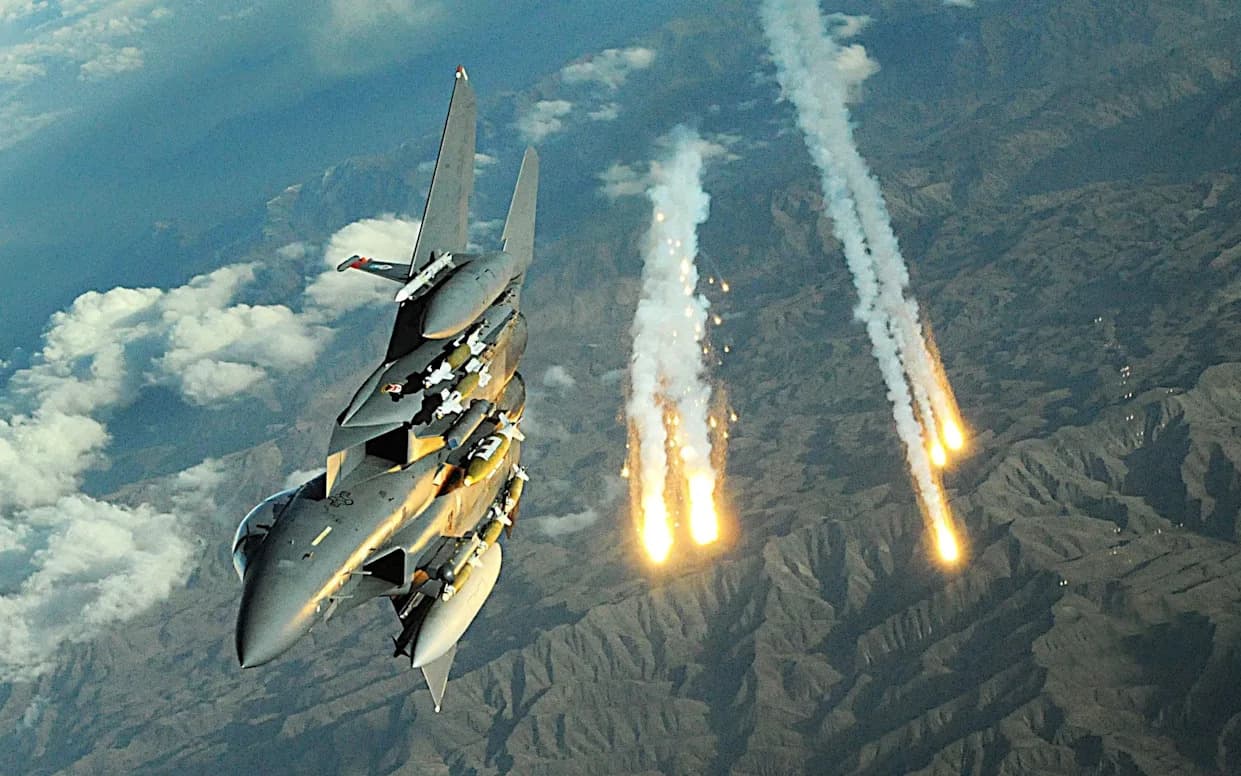
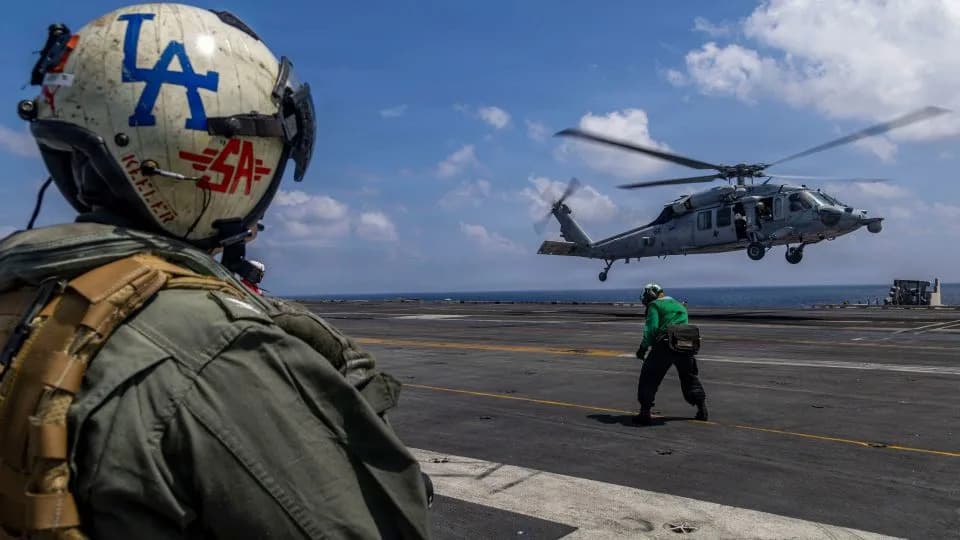
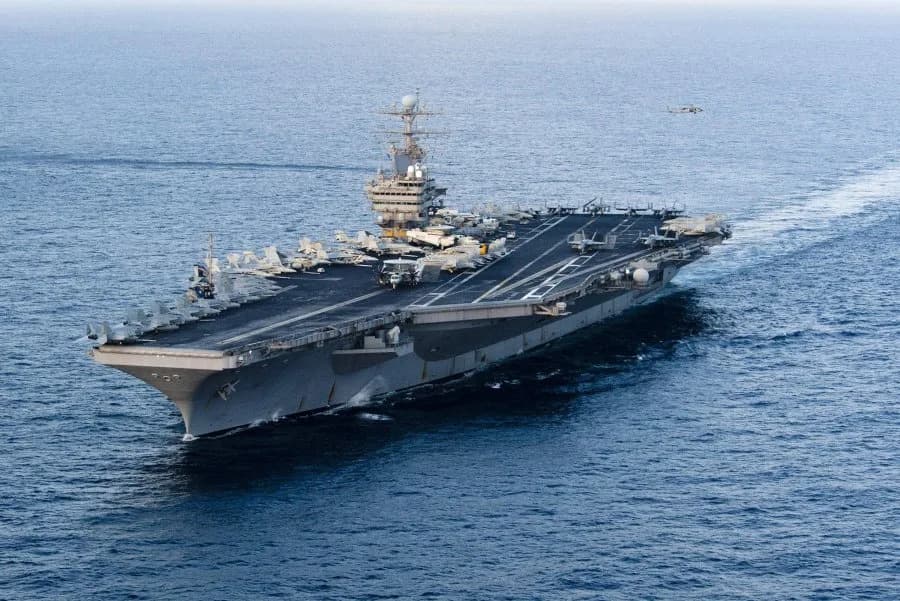
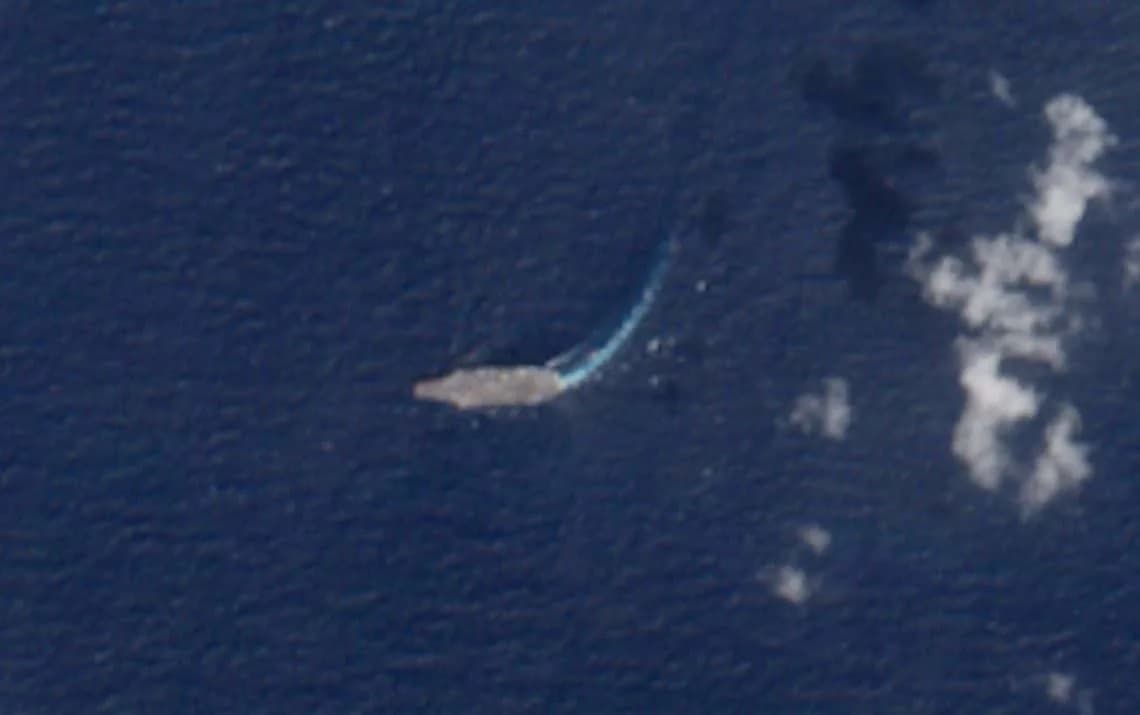
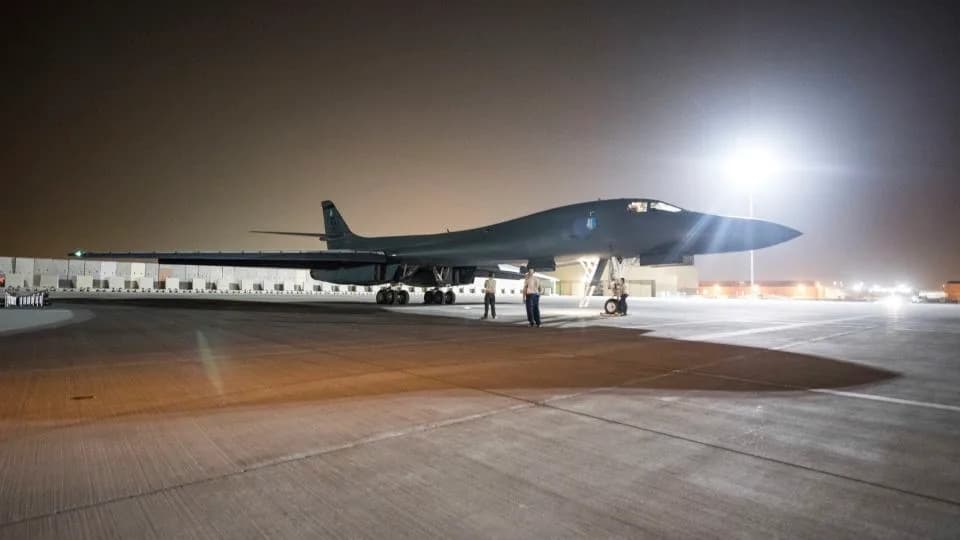
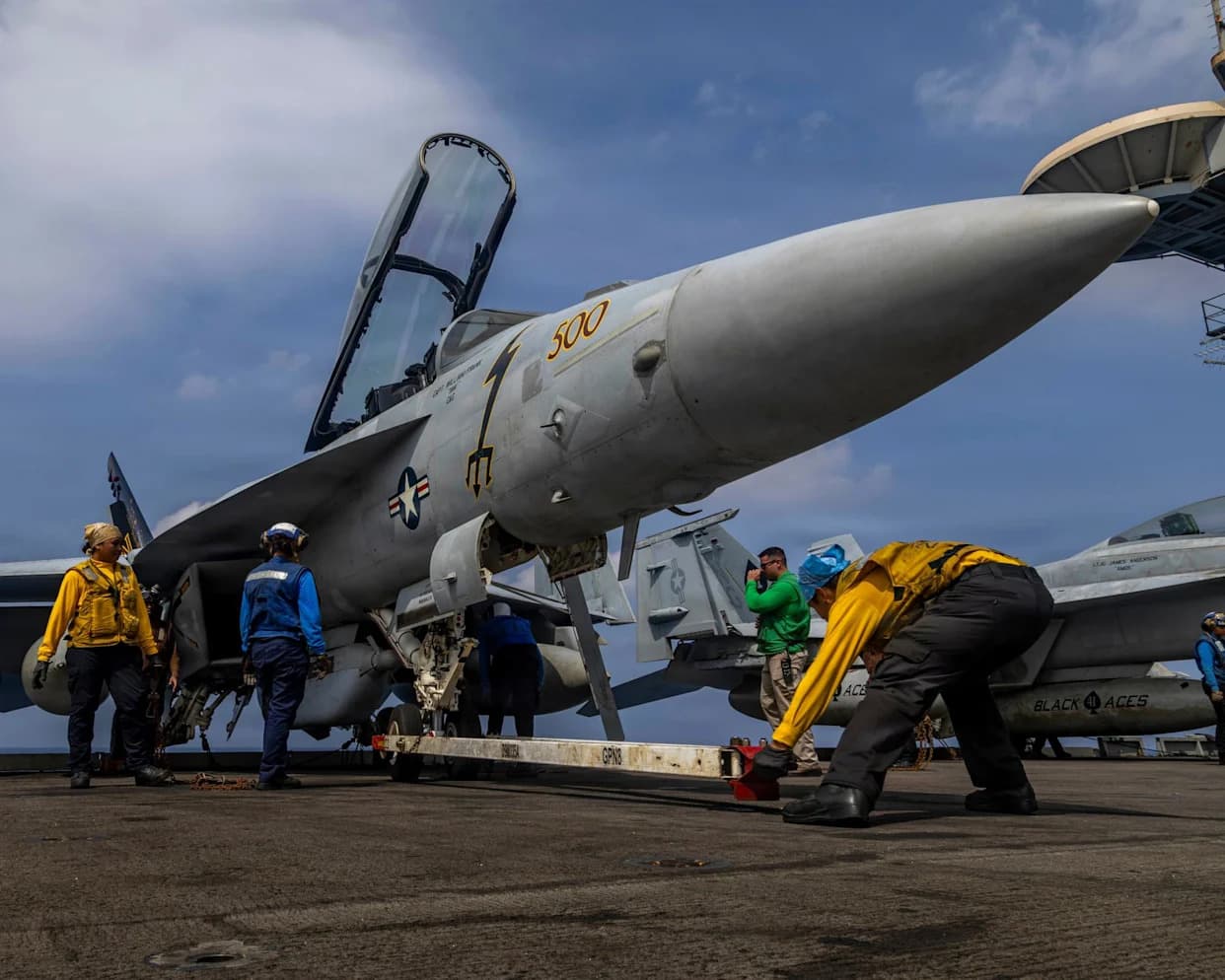
The USS Abraham Lincoln Carrier Strike Group entered the Indian Ocean and is moving closer to Iran, a deployment US officials say could support strikes and protect regional partners. The Pentagon has repositioned air defenses, adding Patriot batteries and planning to deploy one or more THAAD missile-defense systems to the region. The US Air Force also plans a multi-day exercise in the Middle East to test dispersal and sortie generation under demanding conditions.
People familiar with the discussions say President Trump is considering options that range from targeted airstrikes on senior Iranian leaders and security officials accused of overseeing the crackdown on protesters, to strikes on nuclear facilities and government institutions. No final decision has been announced.
Iranian Reaction and Regional Risks
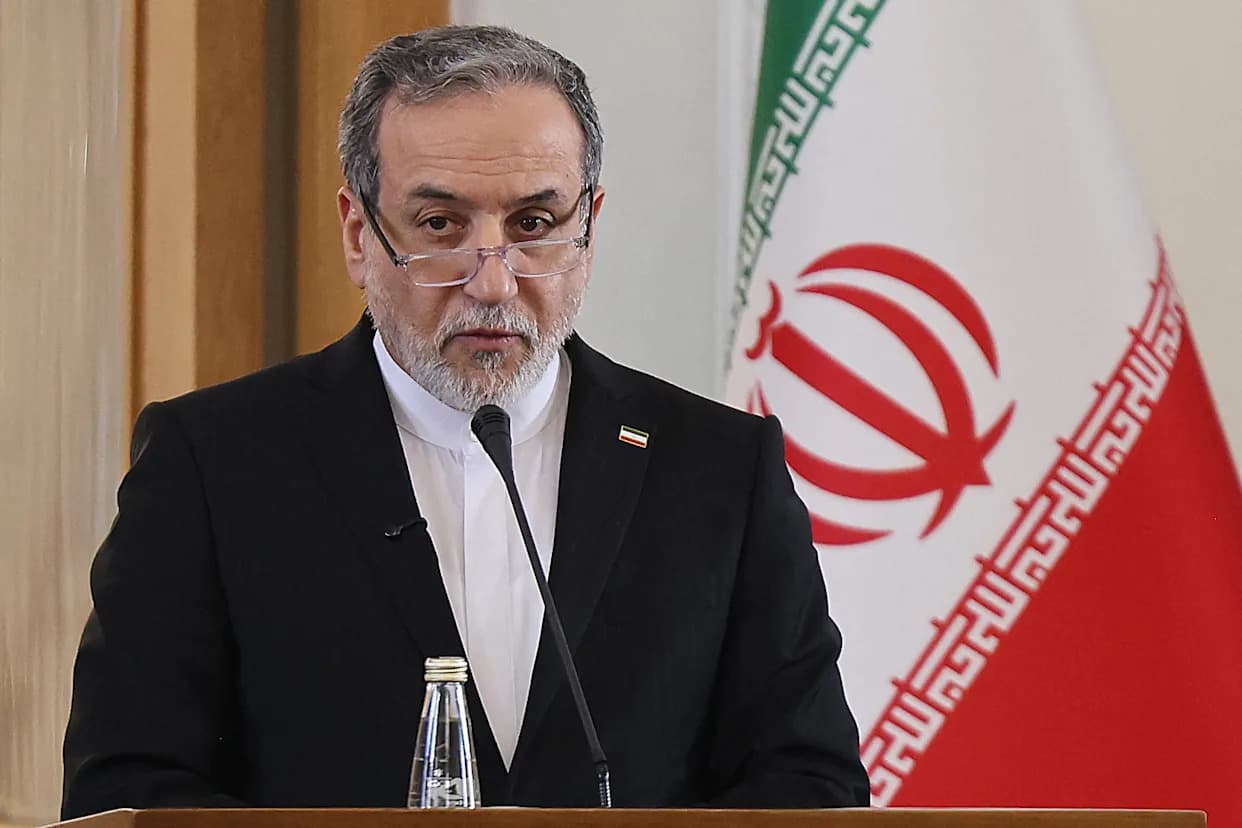
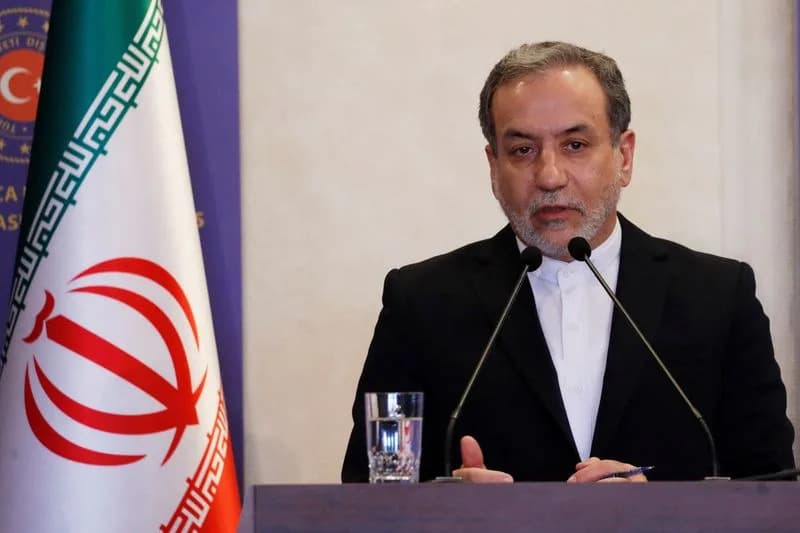
Iran’s top diplomat, Abbas Araghchi, posted that the country’s armed forces are prepared to respond 'immediately and powerfully' to any aggression against its territory, airspace, or waters. Ali Shamkhani, a senior adviser to the supreme leader, warned that any military action would be treated as the start of war and explicitly named Tel Aviv as a potential target.
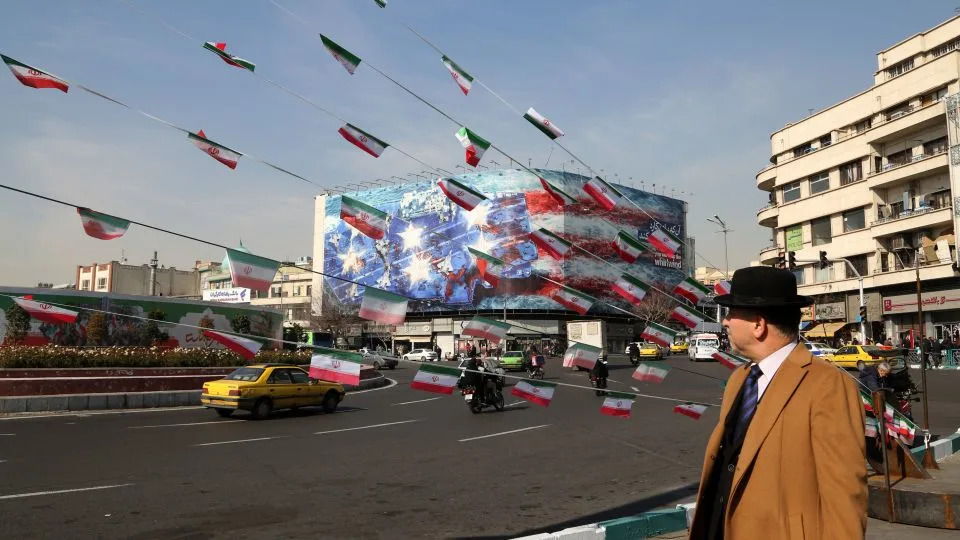
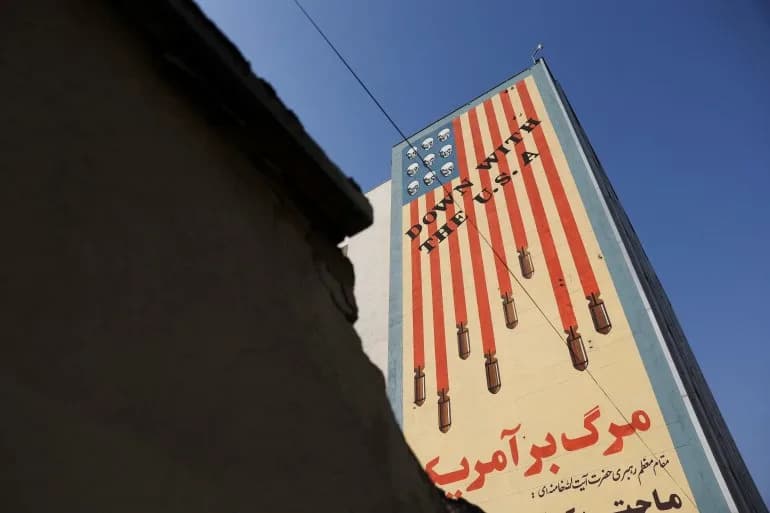
Anti-American posters and Iranian flags on display in Tehran, Iran, on January 28, 2026. - Fatemeh Bahrami/Anadolu/Getty Images
Key US allies in the Gulf, including Saudi Arabia and the United Arab Emirates, have publicly refused to allow their airspace or territory to be used for a US strike, complicating operational planning. Gulf partners and Turkey have conveyed strong concerns to both Tehran and Washington about the risks of further escalation.
Intelligence, Capabilities, and Constraints
Recent US intelligence briefings reportedly assess that Iran is in a weakened position following last year’s strikes and domestic protests, but analysts caution that past setbacks have not guaranteed regime collapse. Iran has been rebuilding and deepening some nuclear sites underground and continues to restrict access by the UN nuclear watchdog.
Military planners recognize significant challenges: Iran fields a layered air-defense network, ballistic missiles, attack drones, and combat aircraft that together complicate any effort to carry out a conclusive, decapitation-style strike. Targeting the supreme leader would pose especially difficult intelligence and operational problems; Israel, for example, said it could not locate Ayatollah Khamenei during earlier strikes.
Political Context
President Trump has publicly demanded that Iran come to the negotiating table for 'a fair and equitable deal — NO NUCLEAR WEAPONS,' and has suggested he favors a rapid, decisive outcome if a strike is ordered. He has also reiterated calls for new leadership in Iran. US lawmakers and administration officials are divided about the feasibility and risks of military action and the long-term implications for regional stability.
Outlook
With diplomatic channels stalled and military assets moving into position, tensions remain high. Officials on both sides say they are open to talks only if terms are clear and acceptable — but the demands and red lines on each side currently diverge, leaving prospects for an immediate breakthrough uncertain.
Reporting draws on multiple sources briefed on the matter. Developments are fluid and subject to confirmation by official spokespeople and further reporting.
Help us improve.