US naval strike groups and fighter jets are repositioning across the Atlantic and the Middle East as Washington considers military options against Iran. Intelligence reports indicate Iran has been rebuilding parts of its missile programme using chemical precursors reportedly shipped from China and has concealed many assets in hardened or underground facilities. Options in Washington range from limited strikes on IRGC targets to a broader campaign, but any action risks significant regional retaliation and wider escalation.
US Strike Groups Mobilise As Intelligence Suggests Iran Rebuilding Missile Arsenal With Chinese Inputs
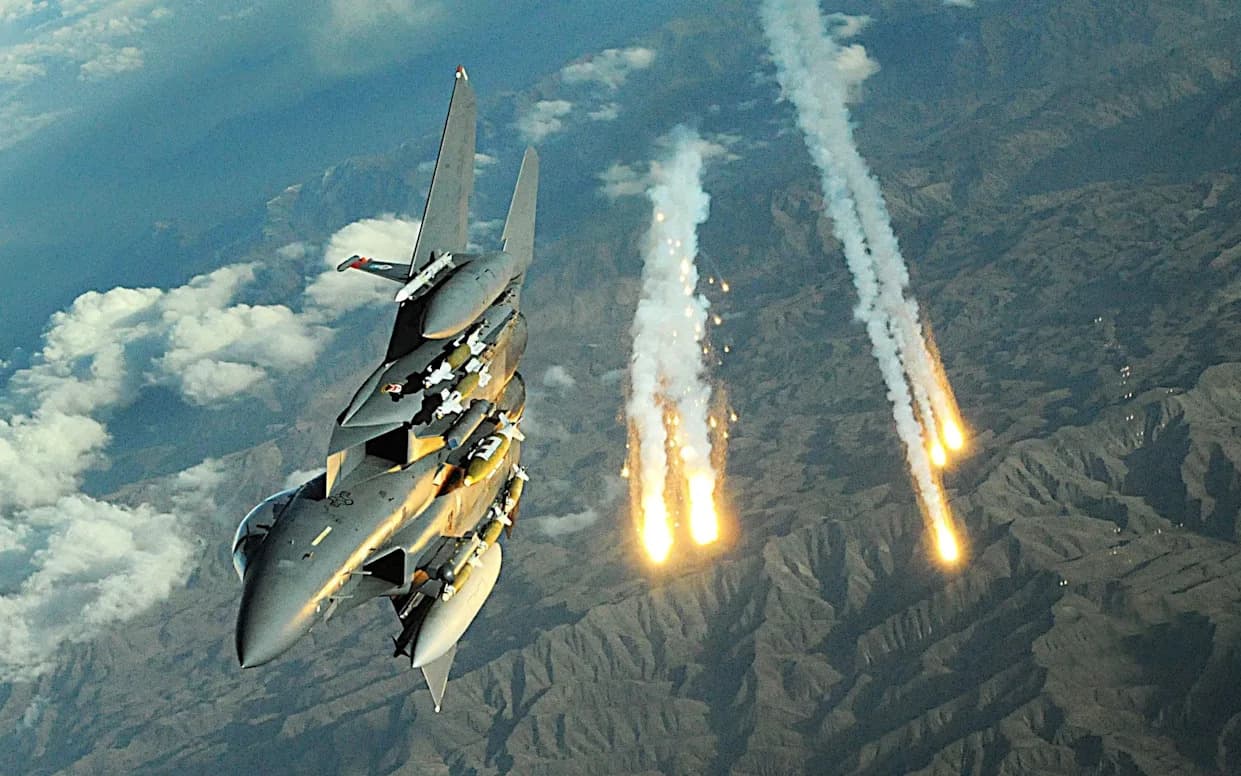
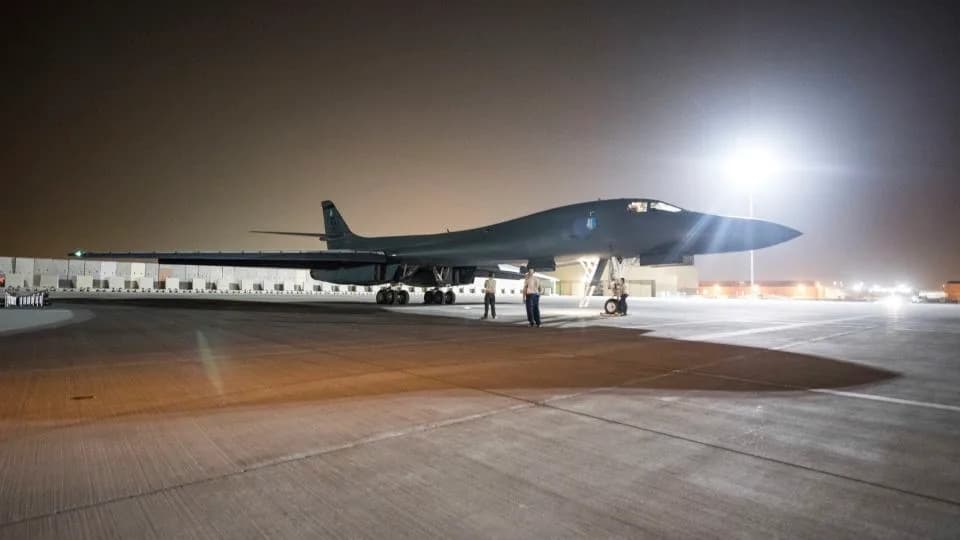
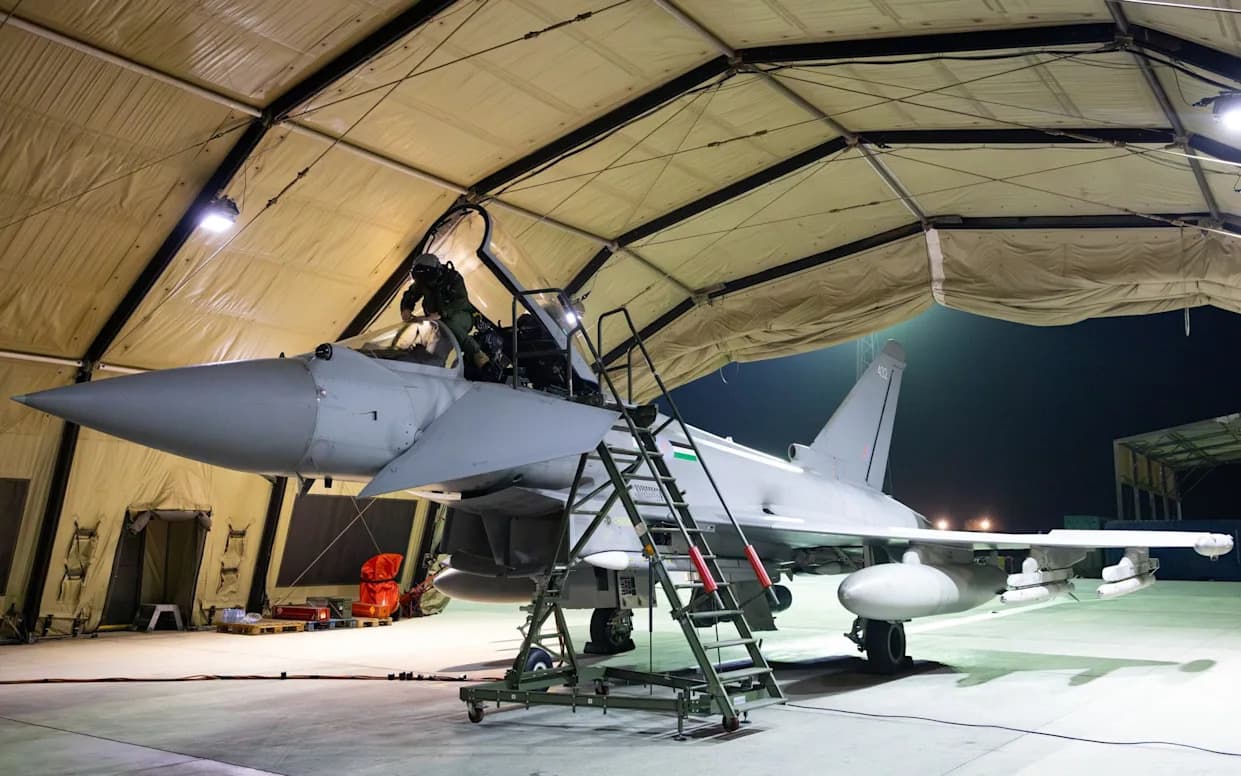
Donald Trump is sending more military hardware, including fighter jets, to the Middle East - US Air Force/Staff Sgt Aaron Allmon
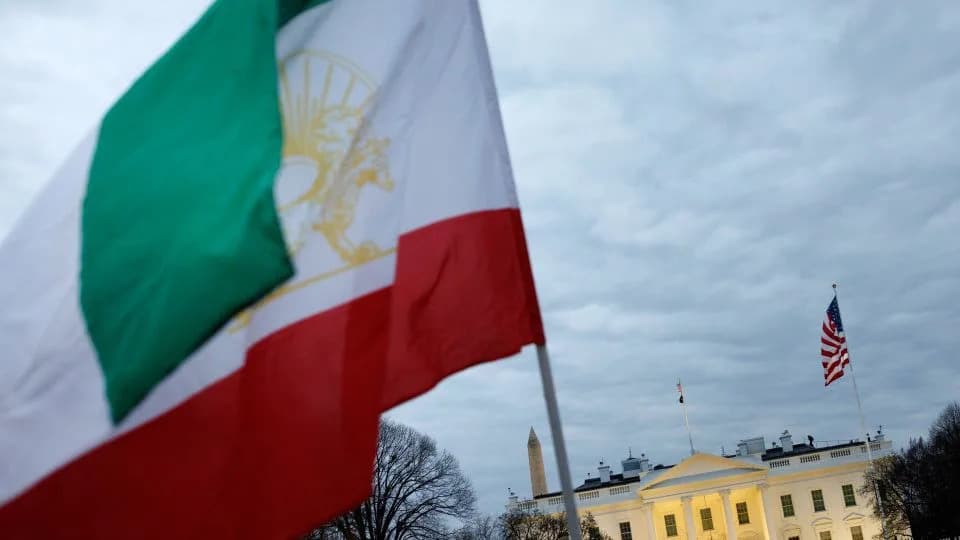
The streets of Tehran have been scrubbed clean and Iran's clerical leadership has proclaimed victory over recent unrest. Yet beneath the surface, mounting signs point to a new, high-stakes standoff: US military forces are repositioning while intelligence assessments indicate Iran has been rebuilding parts of its missile programme with components sourced from China.
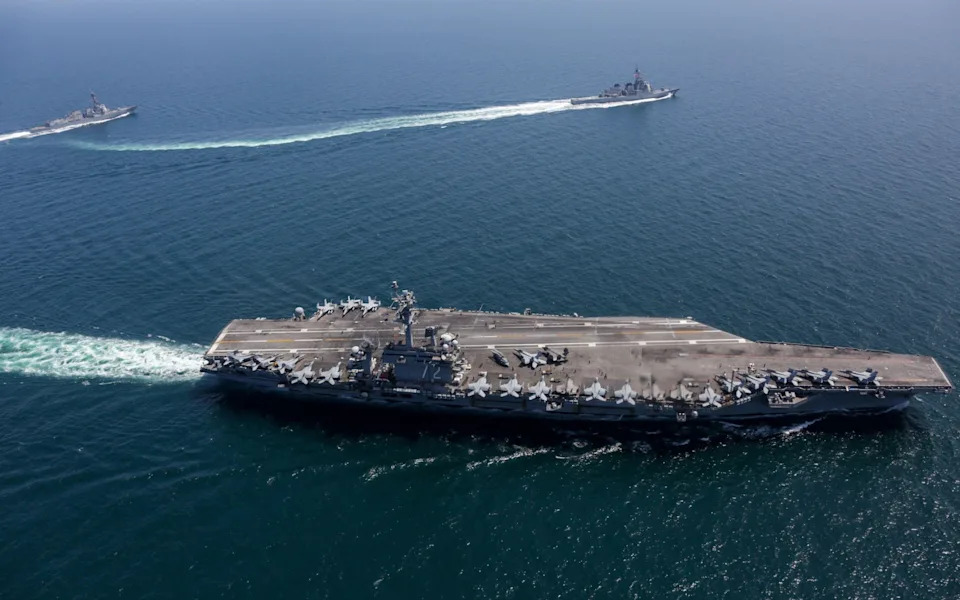
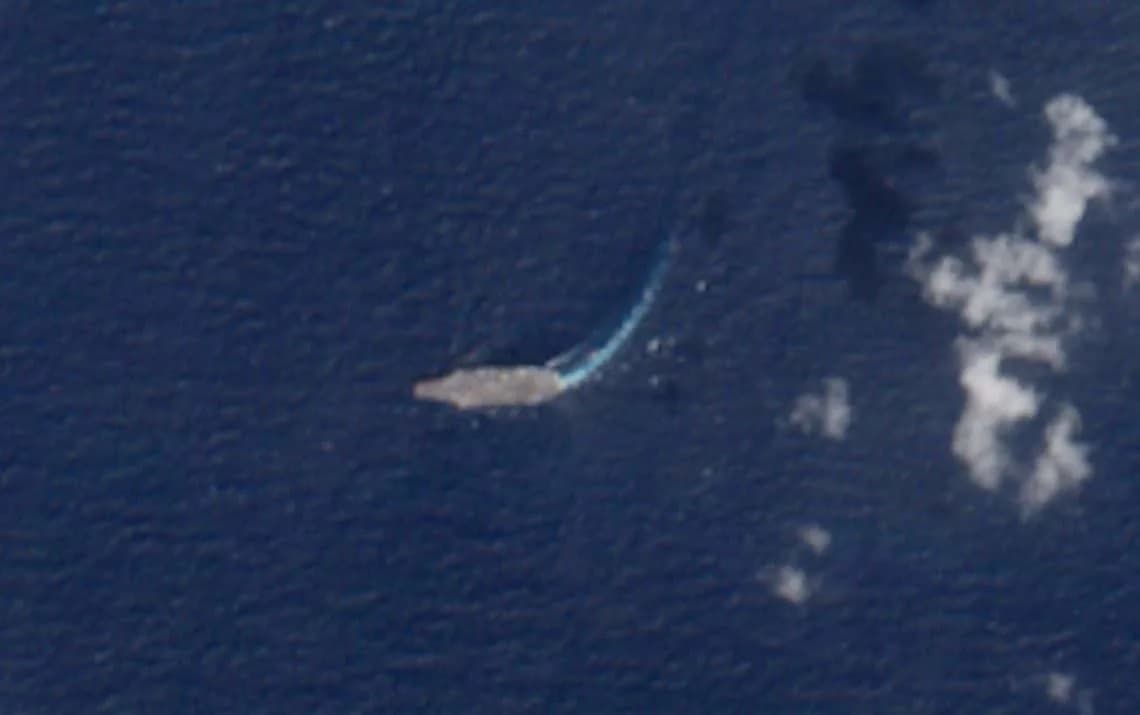
The Nimitz-class aircraft carrier USS Abraham Lincoln is making its way to the Middle East from the Far East - Shutterstock
Military Movements
Naval and air assets are reportedly moving into position. The aircraft carrier USS Abraham Lincoln and its strike group, steaming toward the Arabian Sea from the Far East, stopped broadcasting tracking data, and reports say a second carrier strike group has entered the Mediterranean while a third crosses the Atlantic. Open flight-monitoring data also show large numbers of US F-15 fighters normally based at RAF Lakenheath have redeployed to bases in the region, including Jordan.

Donald Trump could open himself up to charges of weakness if he doesn’t strike Iran - Shutterstock/Laurent Gillieron
Iran’s Missile Rebuild
Western intelligence and analysts say Iran has prioritised restoring its ballistic missile capabilities after last summer’s 12-day conflict. Several indicators are cited:
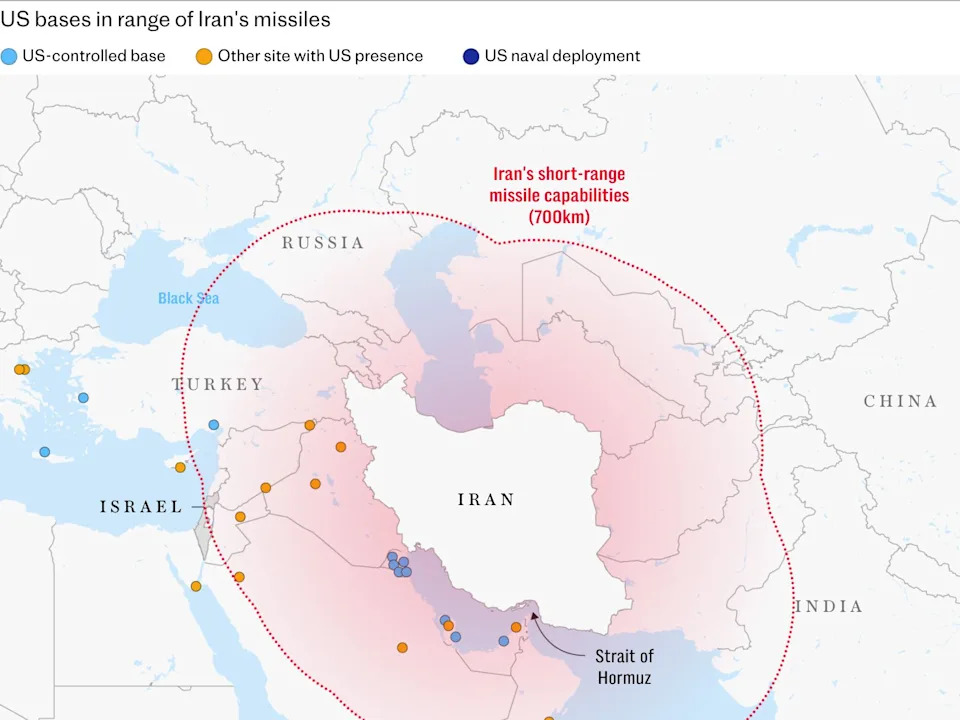
1701 US bases in range of Iran\'s missiles
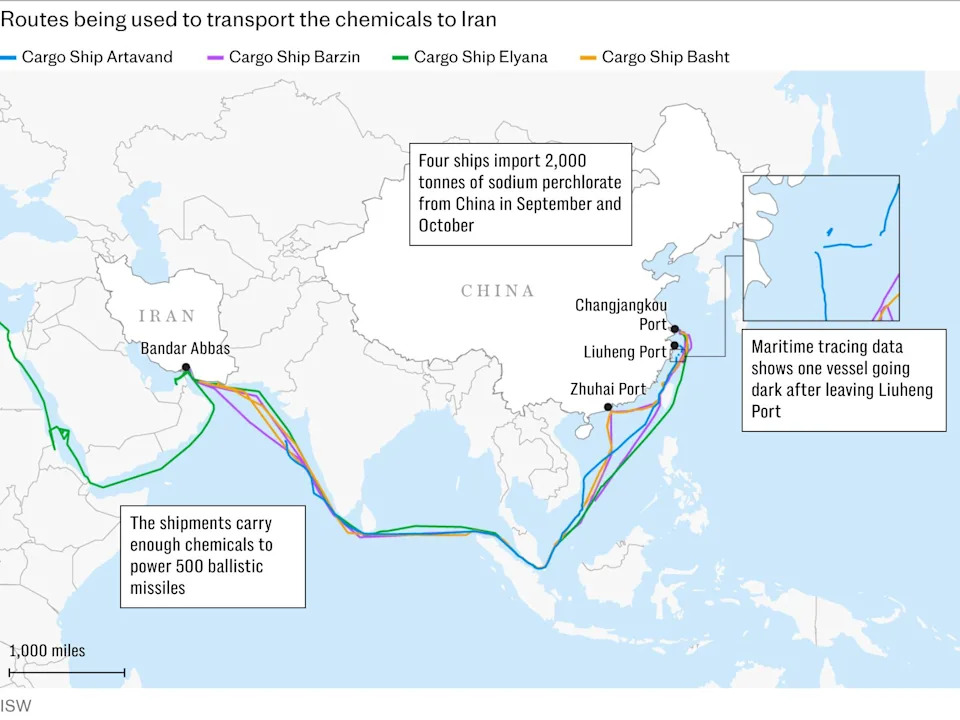
- Shipborne cargo traffic between China and Iran has been flagged by maritime trackers.
- Reports allege shipments of chemical precursors, including tonnes of sodium perchlorate to Bandar Abbas, which could be used to make solid-fuel propellant.
Analysts estimate the quantity of imported chemicals could be sufficient to produce propellant for a large number of missiles. Satellite imagery and other sources also suggest Iran has continued testing from sites such as the Imam Khomeini Spaceport and has protected stockpiles in hardened underground facilities reportedly constructed with outside assistance.
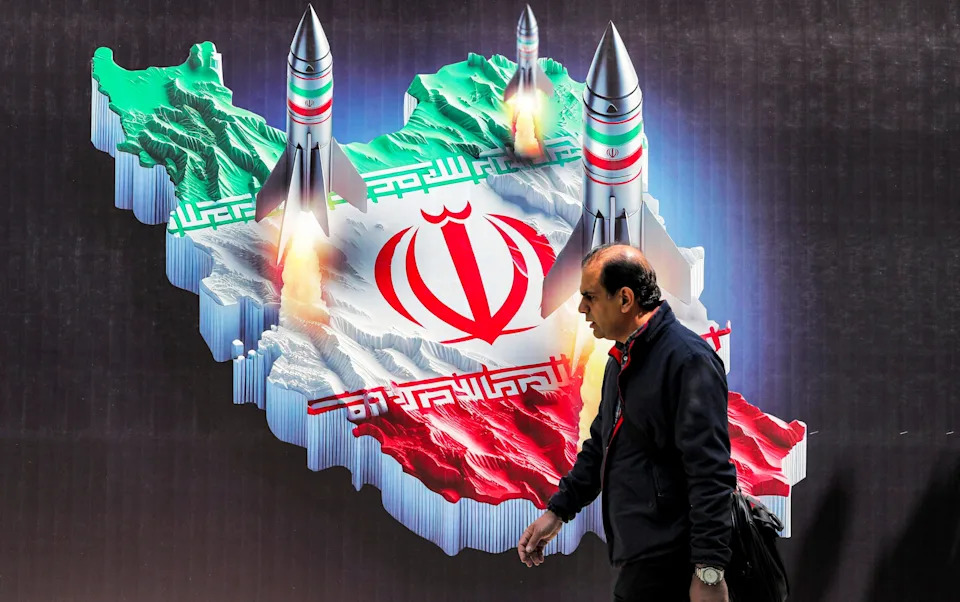
The war last June did not eliminate Tehran’s missile capability and Iran remains capable of using brute force internationally - AFP/Atta Kenare
Political Calculus In Washington
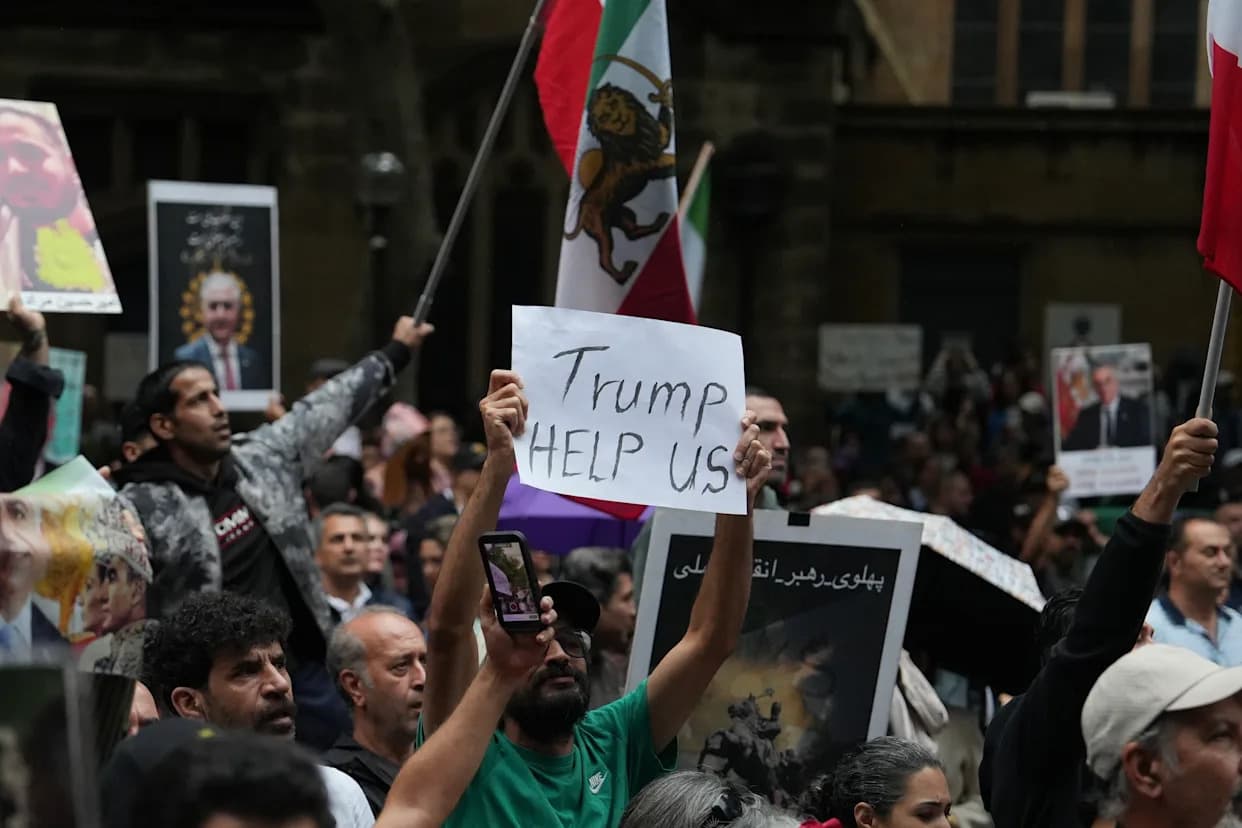
Three weeks after former President Donald Trump told Iranian protesters US forces were “locked and loaded” and urged them to “KEEP PROTESTING,” the US appears to be assembling options that range from limited strikes against Islamic Revolutionary Guard Corps (IRGC) facilities to more extensive operations intended to degrade Iran’s missile and nuclear capabilities. Reporting indicates Mr. Trump asked aides for measures that would have a “decisive” effect inside Iran.
2401 Iran\'s ballistic missile programme
Diplomats suggest political pressures shaped earlier restraint: Gulf states worried about Iranian retaliation on their soil, and Israel expressed concern that its air defences might be insufficient for sustained Iranian strikes. US officials have reportedly moved to bolster regional air defences, with Patriot and THAAD systems deployed at Al Udeid Air Base and other locations to reduce vulnerability.
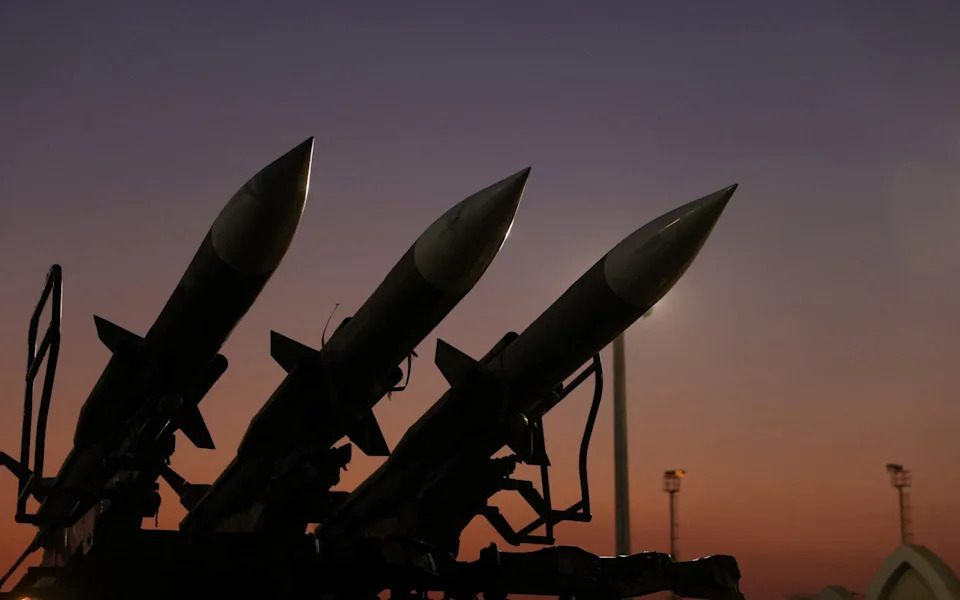
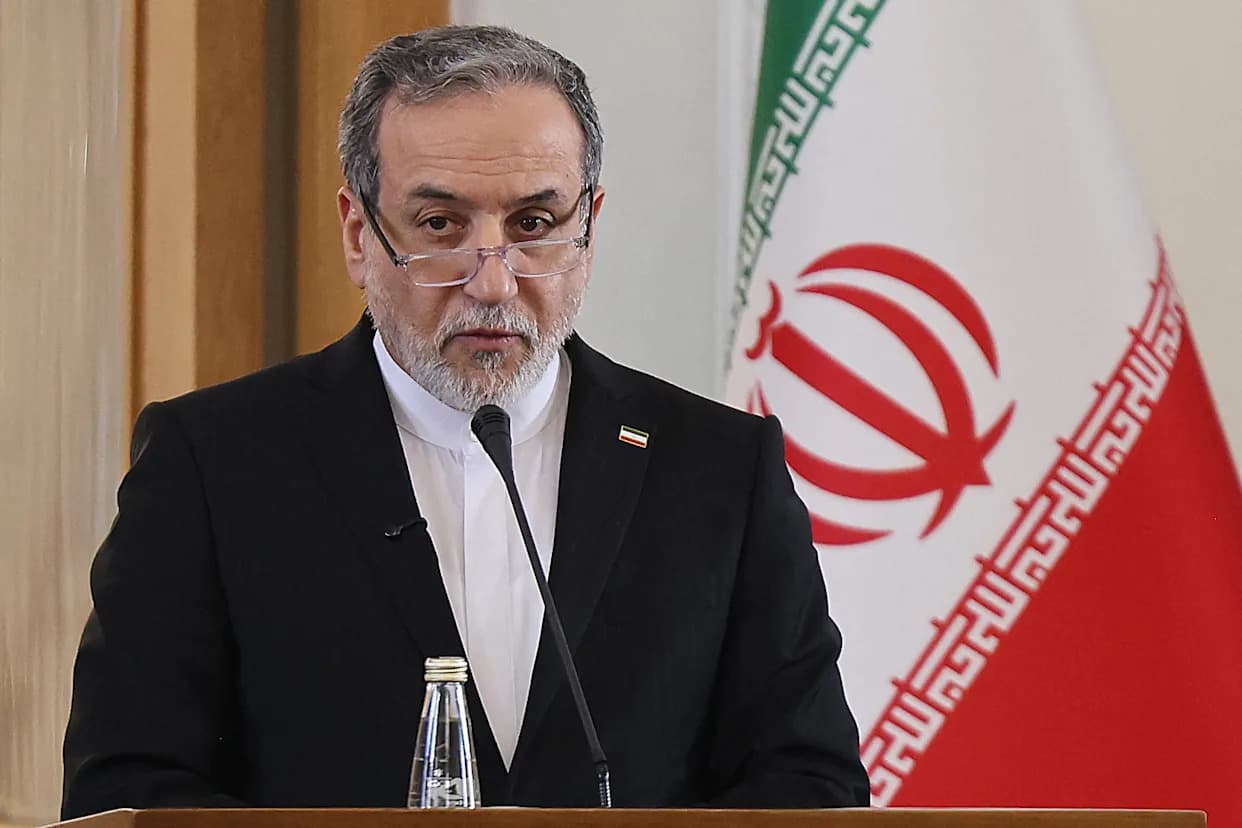
Western intelligence assessments suggest Iran has prioritised rebuilding its missile programme - Reuters/Majid Asgaripour
Regional Stakes And Risks
Iran retains a large arsenal of short-range ballistic missiles that are capable of striking US bases, Gulf states and Israel. Even a modest breach rate in interceptions can cause outsized damage to critical infrastructure and civilian areas. Analysts warn that missile warfare tends to favour the attacker: with large launcher inventories, attrition of defences can leave states exposed.
Gulf monarchies are reportedly wary of a direct US–Iran confrontation. Many prefer uneasy cohabitation to a wider war that would damage their economies and infrastructure. Israel’s calculations are also central: if it believes its defences have been sufficiently reinforced, it may be more willing to support operations aimed at further degrading Iran’s strike capacity.
Iranian Readiness
Iranian officials say missile sites struck last year have been repaired and many launchers and underground units are on heightened alert. Senior leaders have adopted security measures—rotating safe houses, limiting phone use and other precautions—after the high-profile strikes that targeted senior personnel. Tehran’s clerical leadership has publicly warned that US bases and regional interests are potential targets in the event of an attack.
What Comes Next
Any US military action carries significant risk of escalation and regional spillover. Bombing can degrade capabilities but seldom topples regimes without an on-the-ground opposition. Iran’s capacity for retaliation and its large short-range missile inventory mean that strikes could provoke widespread disruption across the Gulf, with economic and humanitarian consequences.
As Washington weighs its objectives—deterring further missile development, degrading operational capabilities, or a broader regime-altering aim—policymakers must balance military feasibility, regional partners’ concerns and the potential for unintended escalation.
Sources and caveats: This article summarises public reporting, satellite imagery analysis, maritime tracking, open-source flight data and statements from officials and analysts. Some details remain contested or unverified; references to intelligence assessments reflect reported claims rather than independently corroborated facts.
Help us improve.