The proposed 2026 Billionaire Tax Act would impose a one-time 5% levy on Californians with net worths above $1.1 billion and a smaller charge on those between $1.0 billion and $1.1 billion, retroactive to Jan. 1, 2026. Supporters — including Rep. Ro Khanna and Sen. Bernie Sanders — say it would raise tens of billions for health care; opponents, led by Gov. Gavin Newsom and several gubernatorial candidates, warn it could prompt billionaires to leave and reduce long-term tax revenue. Backers must collect 875,000 valid signatures by April to qualify for the November ballot, and if enacted, 90% of proceeds would fund health care.
California Democrats Split Over Proposed 'Billionaire Tax' as 2026 Ballot Push Gains Steam
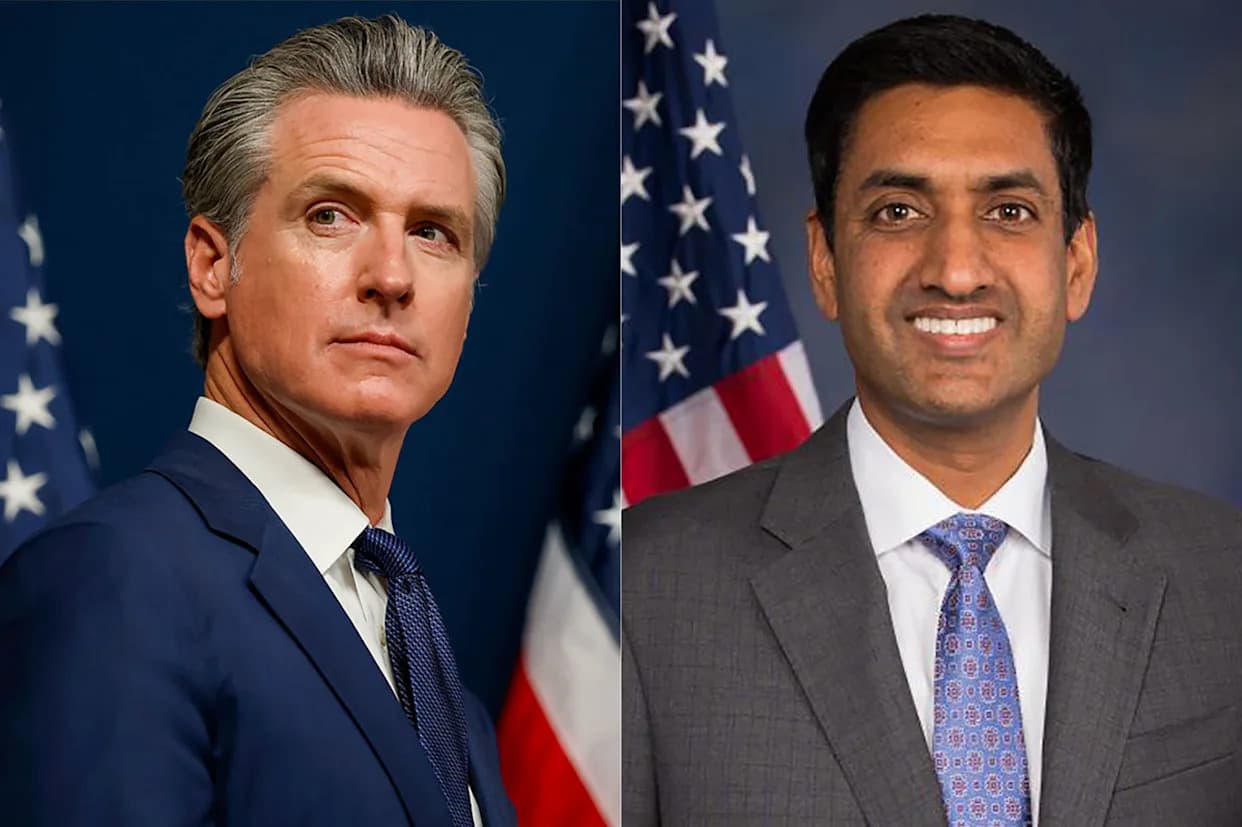
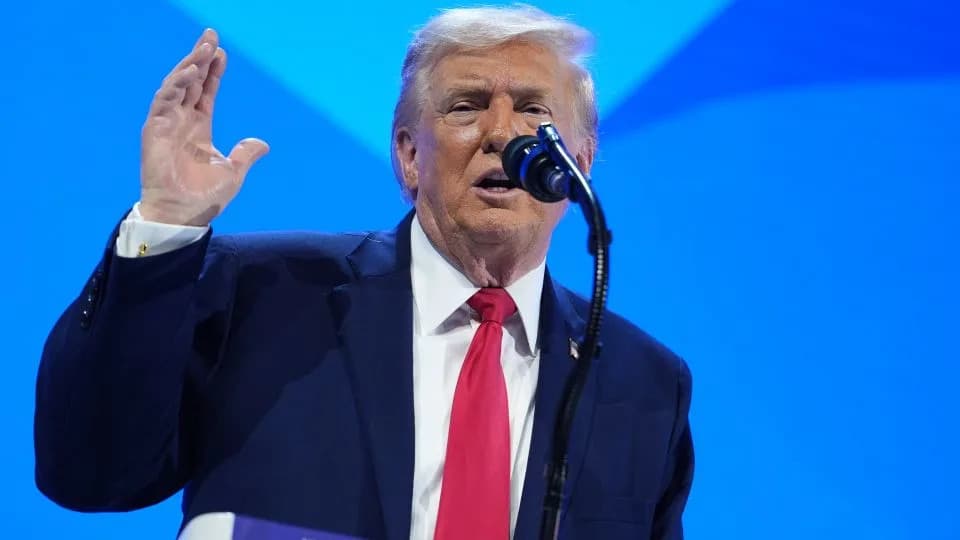
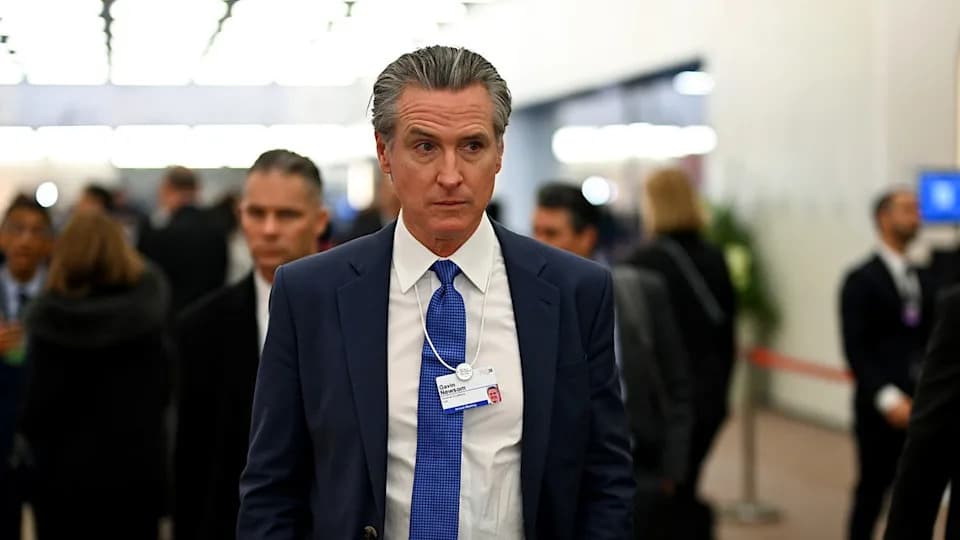
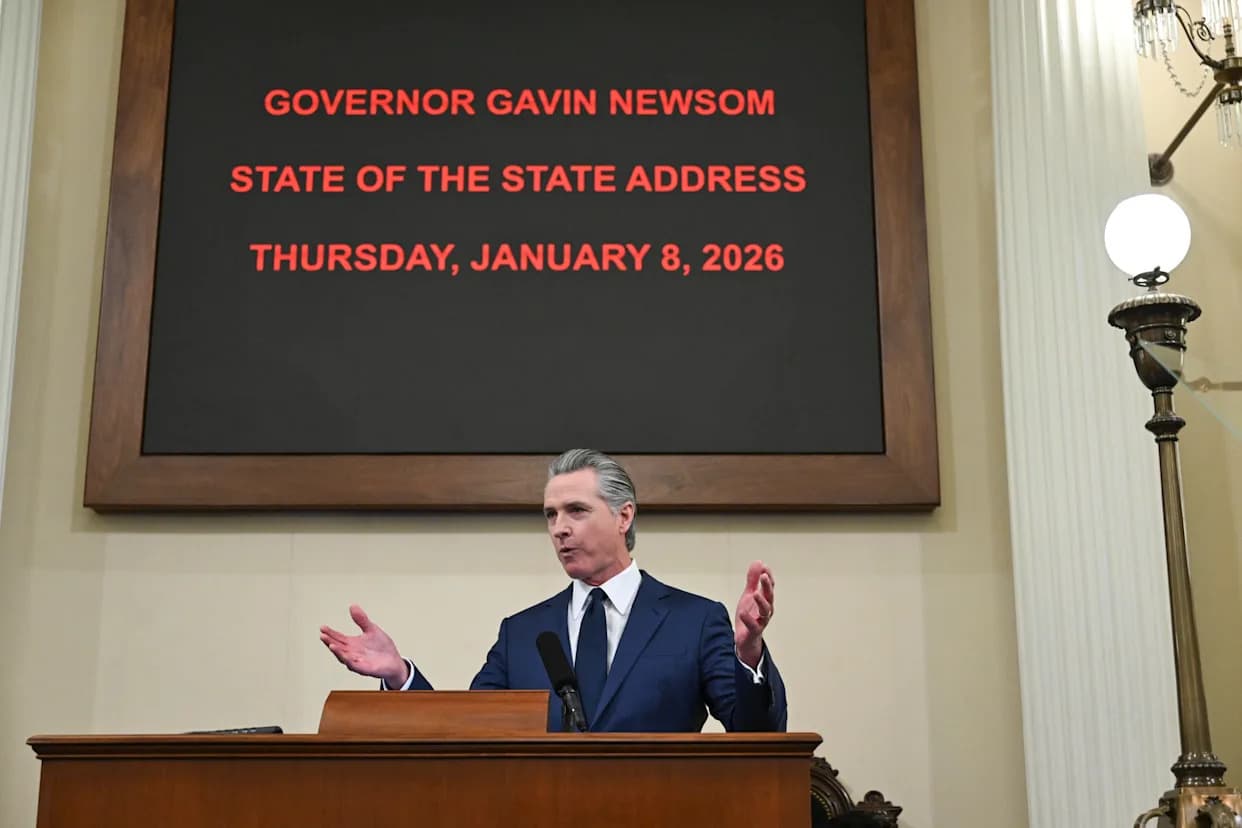
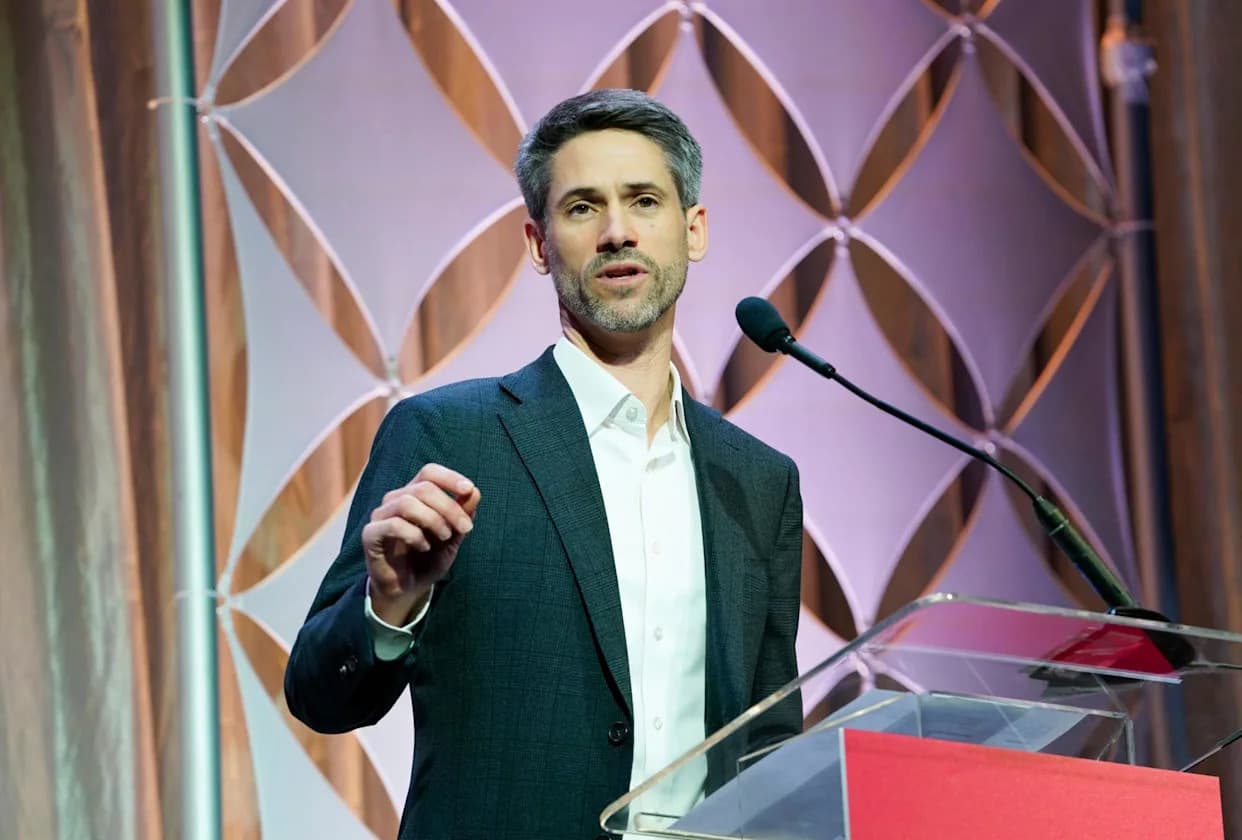
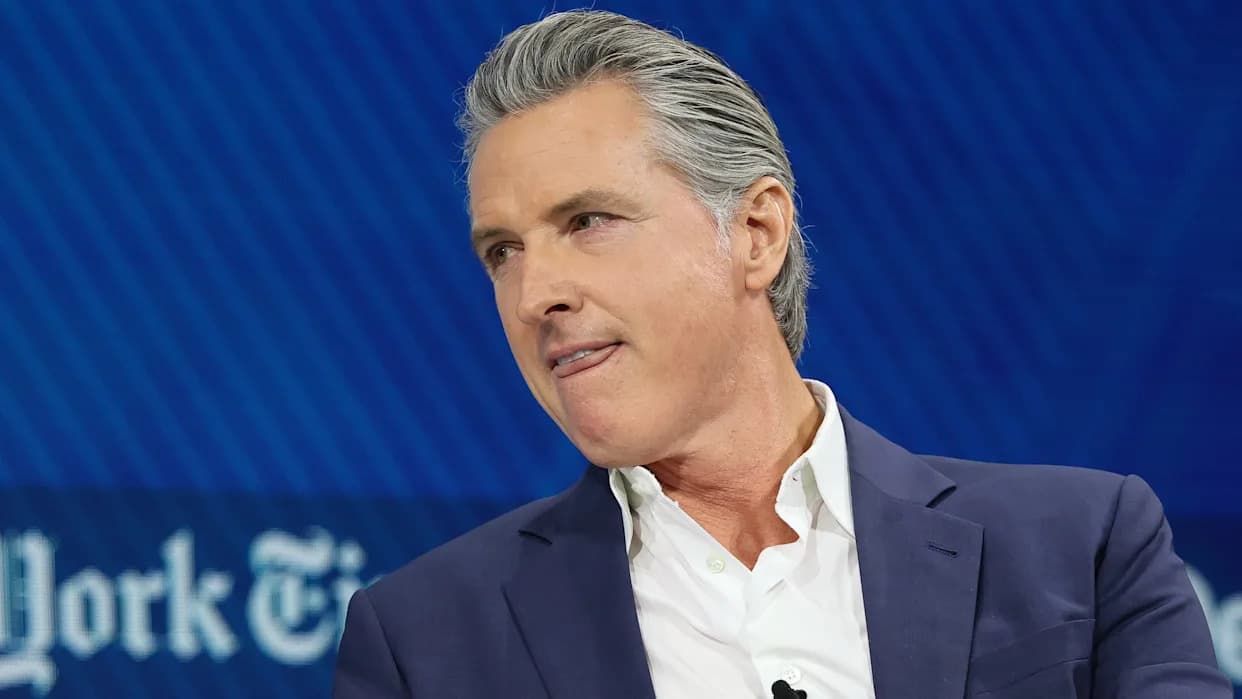
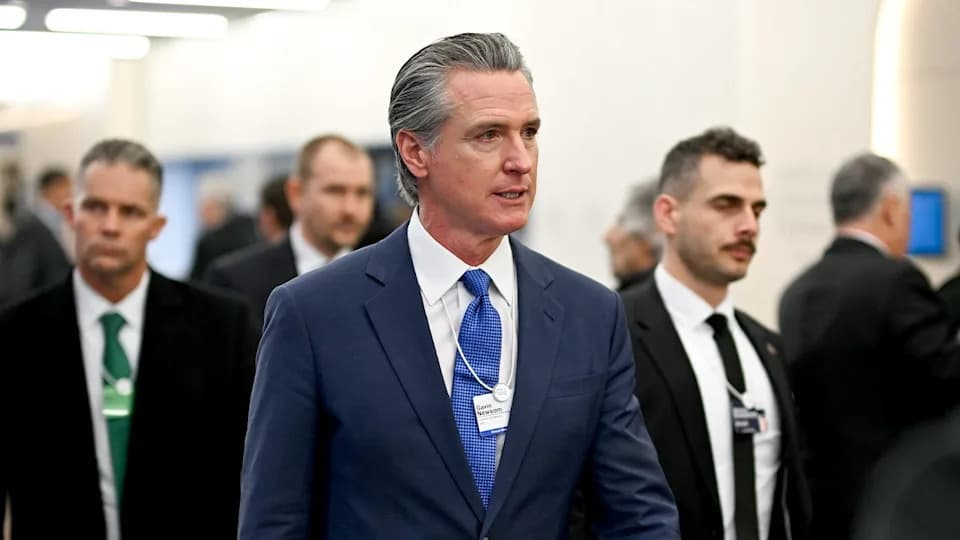
Gov. Gavin Newsom and Rep. Ro Khanna are on opposite sides of the wealth tax fight in California. (Getty Images/United States House of Representatives)(Getty Images/United States House of Representatives)
A proposal to levy a one-time tax on the wealthiest Californians has crystallized sharp divisions within the state’s Democratic Party and could shape national debates ahead of the 2026 and 2028 election cycles. The debate pits progressives who say the measure would fund health care and reduce inequality against centrists who warn it would drive wealthy residents — and tax revenue — out of California.
What the Measure Would Do
The initiative, drafted by SEIU–United Healthcare Workers West and titled the 2026 Billionaire Tax Act, would impose a one-time 5% tax on the assets of individuals with net worths above $1.1 billion, and a smaller levy on those worth between $1.0 billion and $1.1 billion. Taxes would apply retroactively to residents of California as of Jan. 1, 2026. If approved by voters, roughly 90% of the proceeds would be earmarked for health care, with the remaining 10% directed to education and food-assistance programs.
Political Stakes And Timeline
Supporters must gather 875,000 valid signatures by April for state officials to certify the initiative by June and place it on the November ballot. The proposal has quickly become a litmus test in California’s sprawling Democratic governor’s race and among potential 2028 presidential contenders based in the state.
Where Democrats Line Up
Prominent Democrats are divided. Gov. Gavin Newsom, several gubernatorial hopefuls — including former Rep. Katie Porter, former Los Angeles Mayor Antonio Villaraigosa and former Health Secretary Xavier Becerra — and other centrists oppose the measure, arguing it could trigger an exodus of wealthy taxpayers and ultimately weaken California’s revenue base. Supporters include Rep. Ro Khanna, Sen. Bernie Sanders and billionaire candidate Tom Steyer, who say the tax would raise tens of billions of dollars to shore up the state’s health-care system and address inequality.
Arguments For and Against
Supporters call the proposal an "emergency tax" needed to plug looming budget gaps attributed to federal changes they say will cut health-care funding. SEIU-UHW leaders say the levy would affect a relatively small number of billionaires and could generate substantial revenue quickly.
Critics contend that a large wealth levy would prompt high-net-worth individuals to relocate, reducing long-term income-tax receipts and harming the industries that underpin California’s economy. Fiscal analysts at the state Legislative Analyst’s Office and Department of Finance estimate the measure could raise "tens of billions" but warned of a potential ongoing decline in state income-tax revenue that could total "hundreds of millions of dollars or more per year" if relocation occurs.
“It’s really damaging to the state,” Gov. Newsom said of the ballot effort. “I think it will be defeated, because I think people understand what it does versus what it promotes to do.”
Money, Messaging And Broader Impact
The debate has drawn funding and attention from outside interests: conservative tech figures and some billionaires are financing efforts to block the measure, and reports say high-profile tech founders have already left the state amid the controversy. For Democrats, the fight highlights a broader tension: how to advance an economic message focused on affordability and fairness while holding together a coalition that spans progressives, moderates and wealthy donors.
National Context
While this wealth-tax fight is most prominent in California, related debates are playing out across other blue states. Governors and lawmakers from New York to Washington and Rhode Island have weighed proposals to tax the very wealthy, and Democratic strategists will watch competitive primaries to see how the issue affects electoral dynamics ahead of 2026 and 2028.
Next steps: Petitioners continue collecting signatures through April. If certified by June, the measure would appear on the November ballot, where voters will decide its fate.
Help us improve.