The U.S. on Friday sanctioned Iran's interior minister, Eskandar Momeni, accusing him of overseeing law enforcement responsible for the deadly response to nationwide protests. The action comes alongside parallel EU sanctions and the EU's decision to list the Revolutionary Guard as a terrorist organization. The U.S. also sanctioned investor Babak Morteza Zanjani, two linked digital-asset exchanges, and 18 people and firms accused of laundering oil-sale proceeds. Designated parties face asset freezes, travel limits, and prohibitions on U.S. business dealings.
U.S. Imposes New Sanctions On Iran’s Interior Minister Over Deadly Protest Crackdown
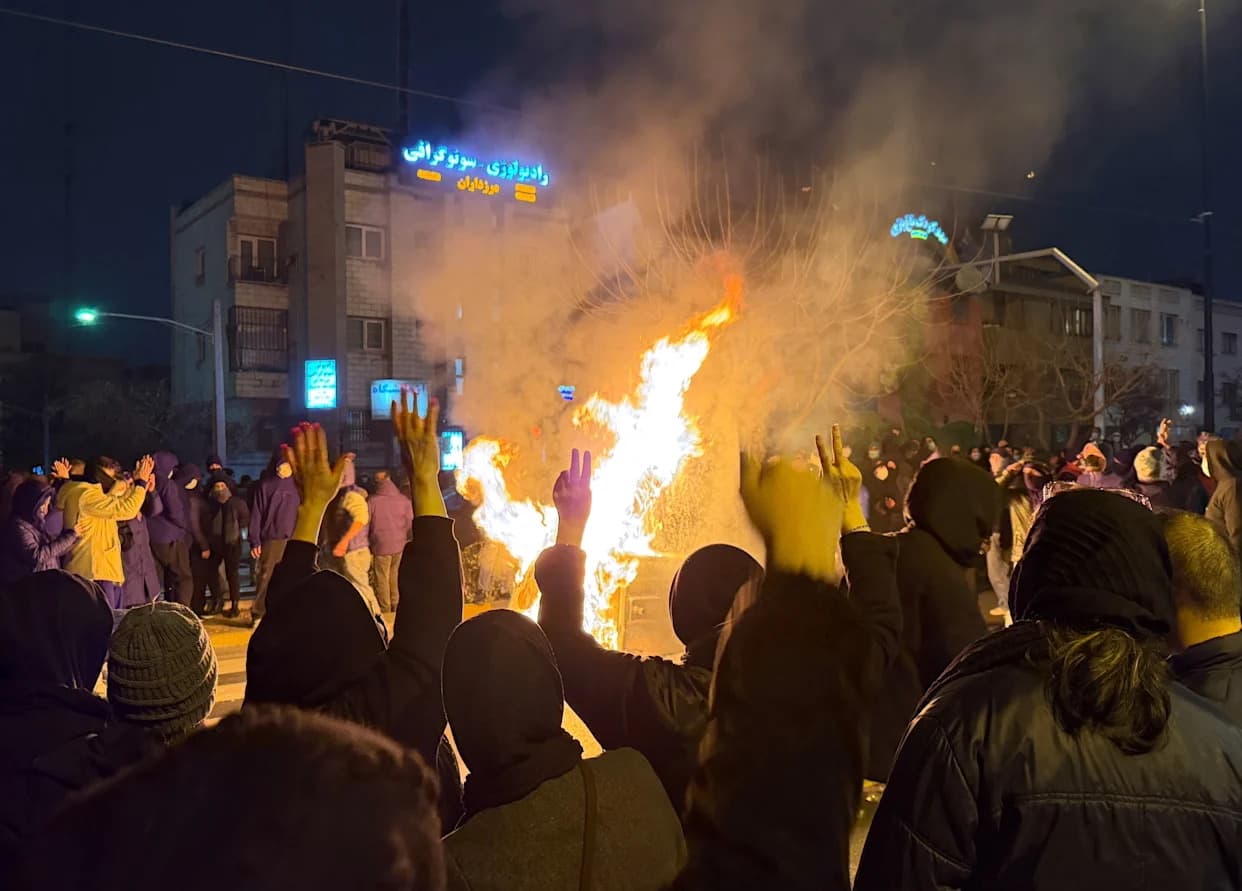
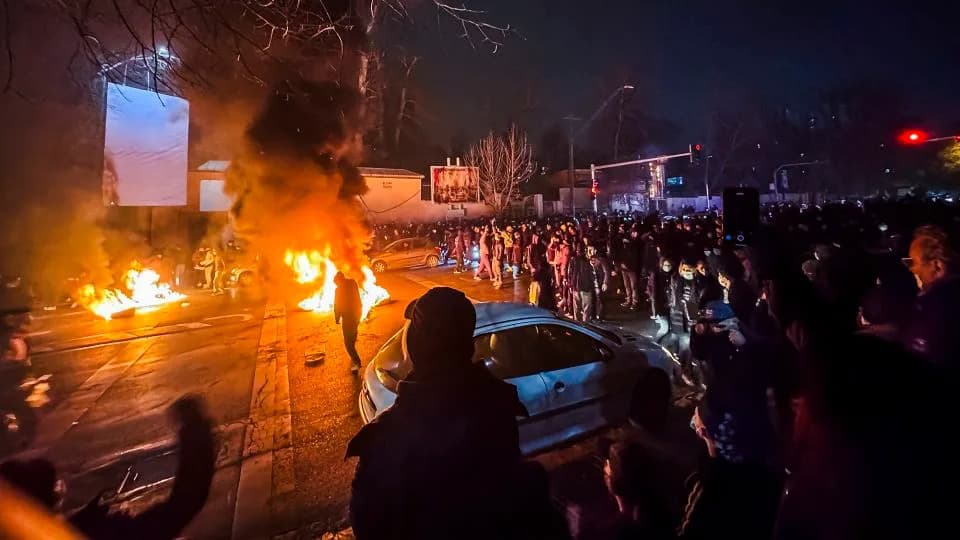
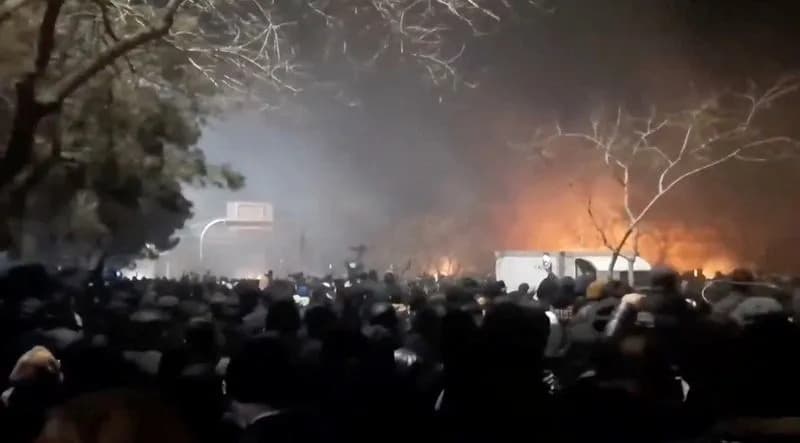
FILE - In this photo obtained by The Associated Press, Iranians attend an anti-government protest in Tehran, Iran, Jan. 9, 2026. (UGC via AP, File)(ASSOCIATED PRESS)
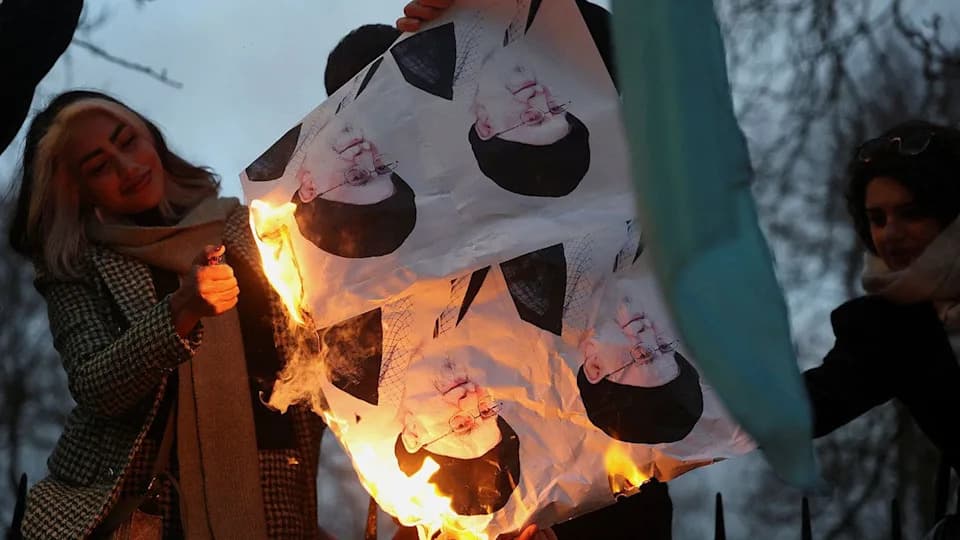
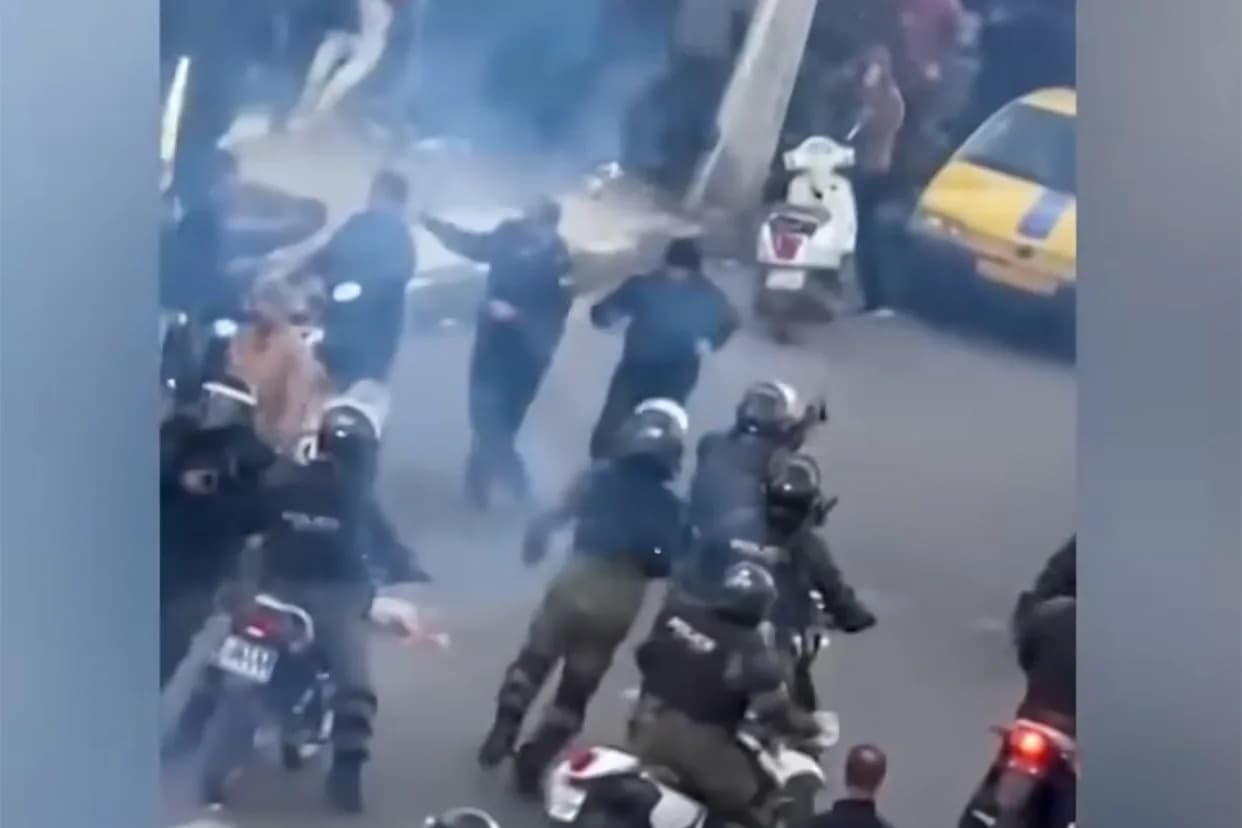
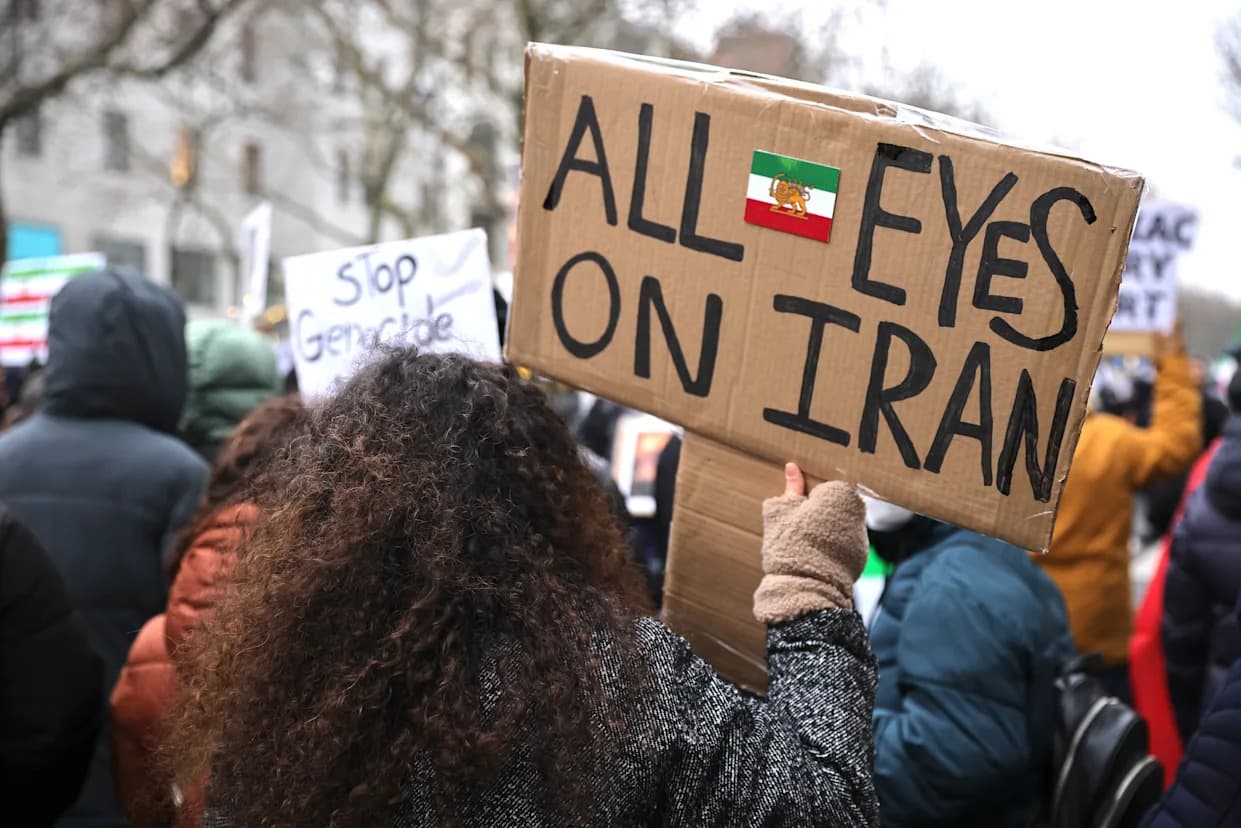
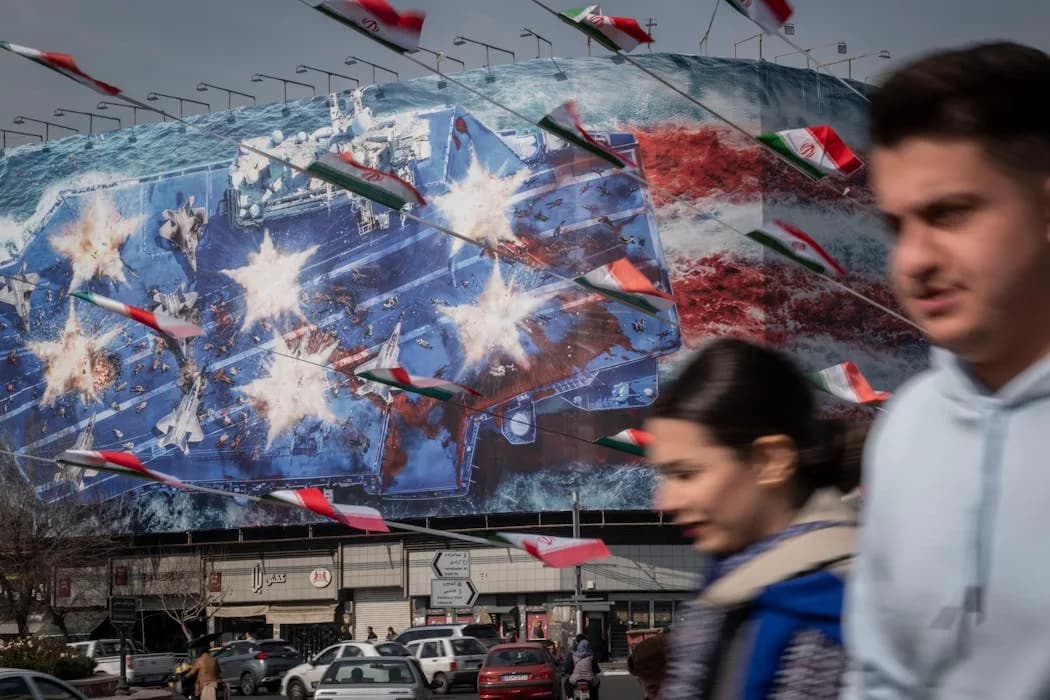
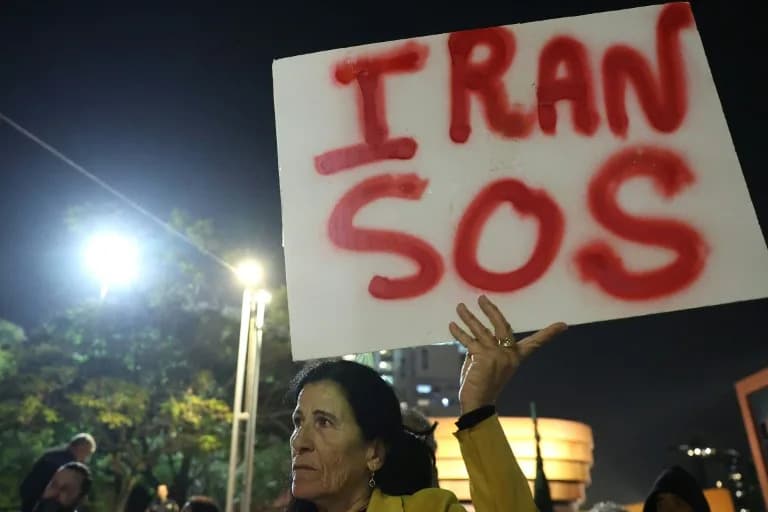
WASHINGTON (AP) — The United States on Friday announced a fresh round of sanctions targeting Iran's interior minister, Eskandar Momeni, accusing him of directing the repression of nationwide protests that have challenged Tehran's theocratic leadership. The move, coordinated with parallel action by the European Union, focuses on senior officials and networks believed to be responsible for violent tactics against demonstrators.
U.S. officials say Momeni has supervised law enforcement agencies they hold accountable for the deaths of thousands of peaceful protesters. Activists place the death toll at more than 6,000, a figure Tehran and state media dispute while labeling many demonstrators as so-called terrorists.
On Thursday the European Union imposed its own sanctions on Momeni, along with members of Iran's judiciary and other senior security officers. The EU said those officials were involved in the violent repression of peaceful protests and the arbitrary detention of political activists and human rights defenders.
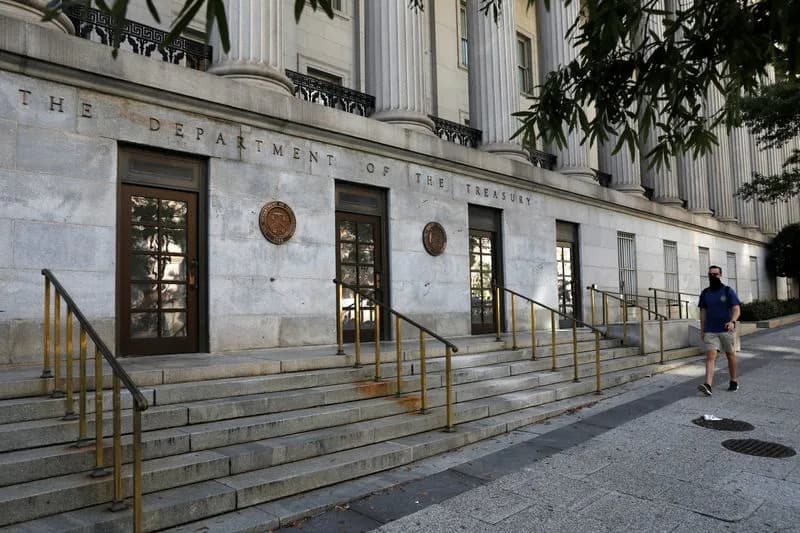
Also on Friday, the Treasury Department's Office of Foreign Assets Control (OFAC) announced sanctions on Iranian investor Babak Morteza Zanjani, accusing him of embezzling billions in oil revenue to benefit elements of the Iranian government. OFAC additionally penalized two digital-asset exchanges said to have processed large volumes of funds linked to Zanjani.
The latest U.S. package includes the secretary of the Supreme Council for National Security, accused by the Treasury Department of being among the first officials to call for violence against protesters. Officials said the sanctions target 18 individuals and companies alleged to have laundered proceeds from Iranian oil sales through a shadow banking network connected to sanctioned financial institutions.
Treasury Secretary Scott Bessent said the department will continue to target Iranian networks and corrupt elites that enrich themselves at the expense of the Iranian people. He added that the regime is attempting to move stolen funds around the world and that Treasury will act to stop it.
Designated individuals and entities face a set of measures that typically include blocking of any property or financial assets in U.S. jurisdiction, travel restrictions, and prohibitions on dealings by U.S. persons and companies. The EU has also agreed to list Iran's paramilitary Revolutionary Guard as a terrorist organization, a largely symbolic action that increases diplomatic pressure on Tehran.
Observers say the combined U.S. and EU steps aim to increase international isolation of officials deemed responsible for the crackdown and to disrupt the financial networks that sustain them. The sanctions signal intensified Western efforts to hold Iranian officials and affiliated actors accountable while highlighting persistent tensions over human rights and regional security.
Help us improve.