Analysts warn that a combination of deep political polarisation, significant emigration of skilled citizens, and shifting demographics could radically transform Israel or even threaten its continuity in its present form. Judicial reforms, war-related instability and declining investor confidence have accelerated outflows of talent and capital. Demographic projections — notably rapid ultra-Orthodox population growth — and increased fiscal burdens raise questions about long-term economic sustainability. While Israel retains military strength and US support, many experts say the current trajectory risks eroding the foundations of the state over coming decades.
Experts Warn Israel Could Be Radically Transformed — Or Collapse — If Current Trends Continue

Israeli youths cast fishing rods from a pier at the old port of Jaffa, a mixed Jewish-Palestinian area of Tel Aviv, Israel, Friday, January 2, 2026 [Oded Balilty/AP Photo]
Analysts and commentators inside Israel and across its global diaspora warn that ongoing political polarisation, demographic shifts and declining investor confidence could radically alter Israel’s character — and potentially its continued existence in its current form — over coming decades.
Why analysts are alarmed
Observers point to three converging risks: deepening internal division, sustained emigration of highly skilled citizens, and economic strain driven by shifting demographics and falling investment. Together, they say, these factors could undermine the social and fiscal foundations that support Israel’s military strength and standard of living.
Voices from Israel and abroad
“When we say that the Israeli state will stop existing, it’s more of a starting point,”
said political economist Shir Hever, explaining that the key question is whether the state will continue in its present form. Hever invoked precedents such as apartheid South Africa after 1994 and East Germany after 1990 as examples of states that persisted in name but were fundamentally transformed.
Others reach similarly stark conclusions. In 2024, Eugene Kandel (former head of Israel’s National Economic Council) and Ron Tzur (director of Israel’s Strategic Futures Institute) argued that Israel is unlikely to reach its centenary if current trends persist. American political scientist Ian Lustick told Al Jazeera he believes Israel has already ceased to operate as a liberal-democratic Jewish state in the way many Israeli Jews understand it.
Demographics and emigration
Analysts say a steady outflow of secular Israelis — including entrepreneurs and highly educated professionals who helped build Israel’s tech sector — is shrinking the pool of innovators and taxpayers. At the same time, the religious Zionist and ultra-Orthodox (Haredi) populations are growing rapidly and, on average, contribute less to taxable economic output.
Available figures from the Knesset and independent think tanks point to increased emigration: more than 150,000 people have left Israel in the past two years, and over 200,000 since the current government took office in December 2022. Economists such as Dan Ben-David estimate Israel relies on a core professional elite of roughly 300,000 people to sustain developed-economy status; a significant loss of that group would have serious consequences.
Economic strains and investor confidence
Political instability — including large protests over proposed judicial reforms in early 2023 — and the region’s recurrent conflicts have dented investor confidence. Analysts report that institutional investors have shifted funds abroad for years and that roughly 50% of internal investment is now overseas. Foreign direct investment has also fallen, especially into tech firms linked to defence contractors, which face reputational and boycott pressures.
Kandel and Tzur note that in 2018 the average Israeli household effectively supported the ultra-Orthodox community by roughly 20,000 shekels (≈ $6,450) annually; demographers project that, if current fertility and population trends continue, that burden could rise to an estimated 60,000 shekels (≈ $19,370) per non-Haredi household by 2065. If defence spending remains high, the combined fiscal pressures could strain Israel’s tax base.
Politics, protests and institutional stress
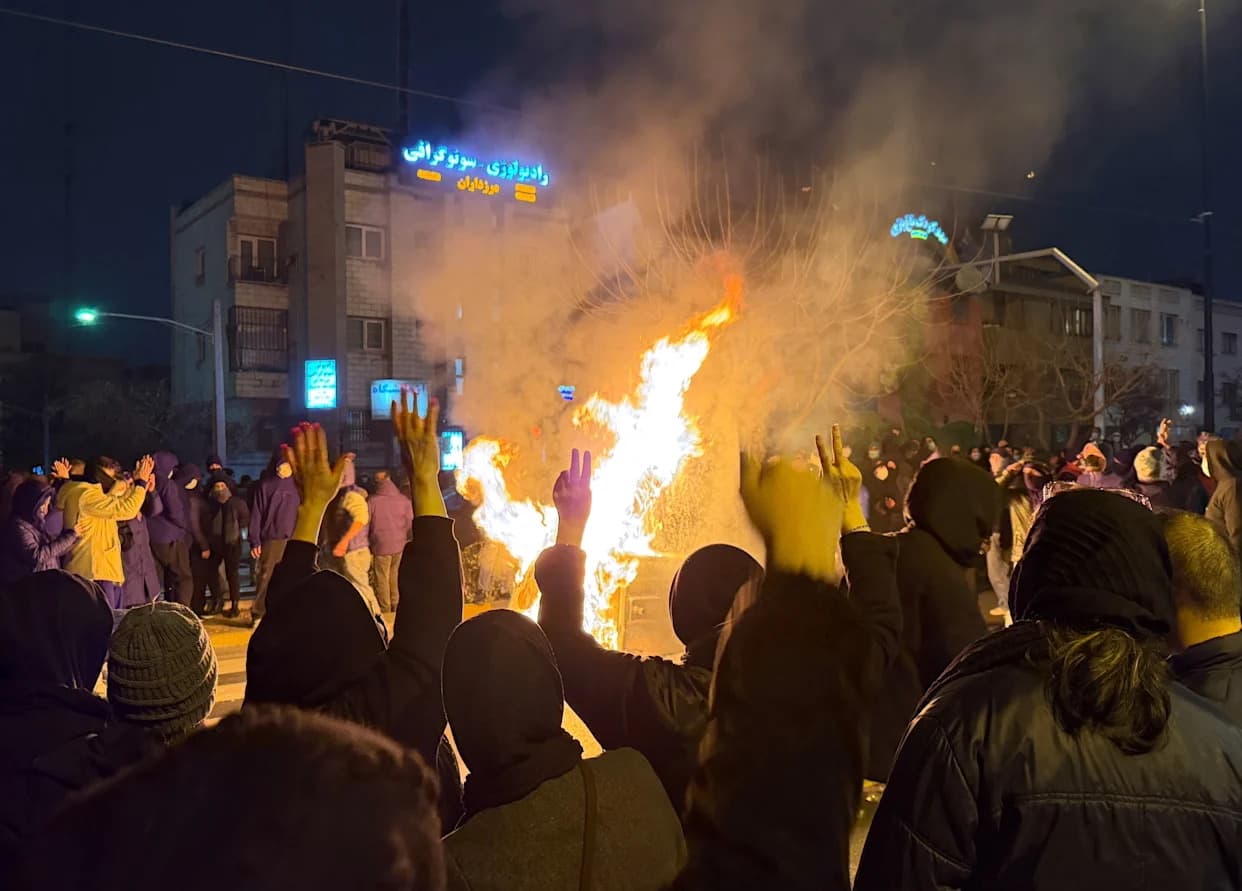
Netanyahu’s government proposed sweeping changes to judicial oversight in early 2023 that triggered sustained mass protests — at their peak more than 200,000 demonstrators — reflecting the degree of social polarization. Critics warn that changes to institutional checks and balances, alongside the ascent of the far right and tensions over ultra-Orthodox military service, deepen social fractures and deter both domestic investment and international partnerships.
Current strengths and uncertain outlook
Despite these warnings, Israel remains a regional military and technological power. A 10-year, $38 billion US arms agreement signed in 2016 continues to underpin much of its defence-industrial base, and the economy is still growing — albeit more slowly than many comparators.
Still, analysts caution that if emigration continues, if investor confidence does not recover, and if political deadlock persists, the combination of demographic and fiscal pressures could make Israel’s present political and economic model untenable in the long term.
Perspectives on a possible future
“When dictatorships come to an end, they break into pieces. Democracies are chipped away bit by bit until they change beyond recognition,”
said Yossi Mekelberg of Chatham House, reflecting a commonly voiced view that democratic erosion can be gradual yet profound. If the current governing coalition remains in power, many analysts expect continued emigration of liberal and mobile citizens — a trend that would accelerate the transformation they warn about.
Note: This article synthesizes views from multiple analysts and public data sources. Some characterizations reflect the perspectives of quoted experts; readers should consider a range of analyses when assessing long-term projections.
Help us improve.