Analyst Tara Kangarlou says many Iranians are in a 'state of limbo' as the U.S. repositions military assets while a harsh government crackdown has reportedly killed more than 6,000 people, according to HRANA. The USS Abraham Lincoln and its strike group arrived in the Indian Ocean amid heightened tensions. Witnesses describe harrowing footage seen via brief VPN connections, continuing detentions and deaths in custody, and deepening economic pain as inflation tops 60%.
Iranians in 'State of Limbo' as USS Abraham Lincoln Deploys; HRANA Says Death Toll Tops 6,000
Iran in ‘state of limbo’ as US deploys military assets, death toll rises
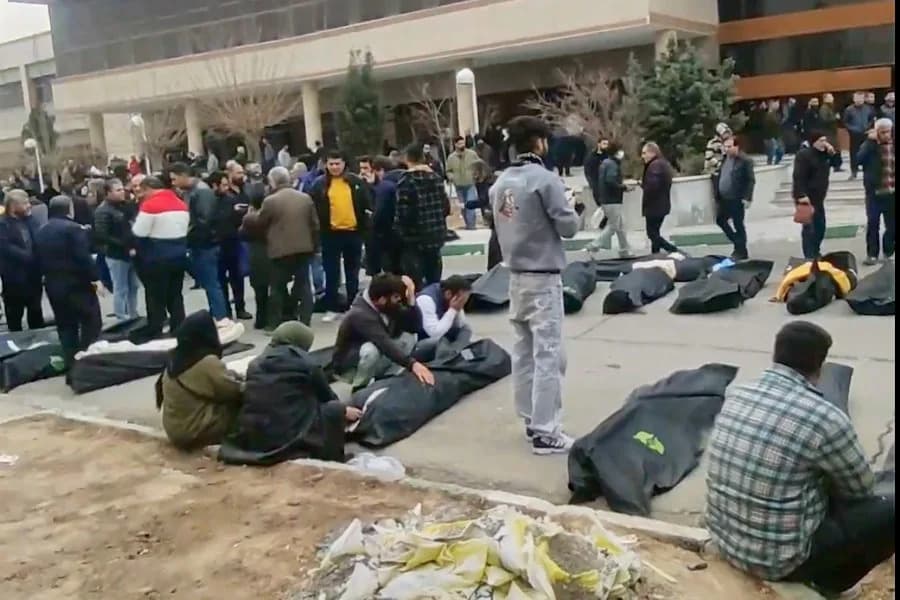
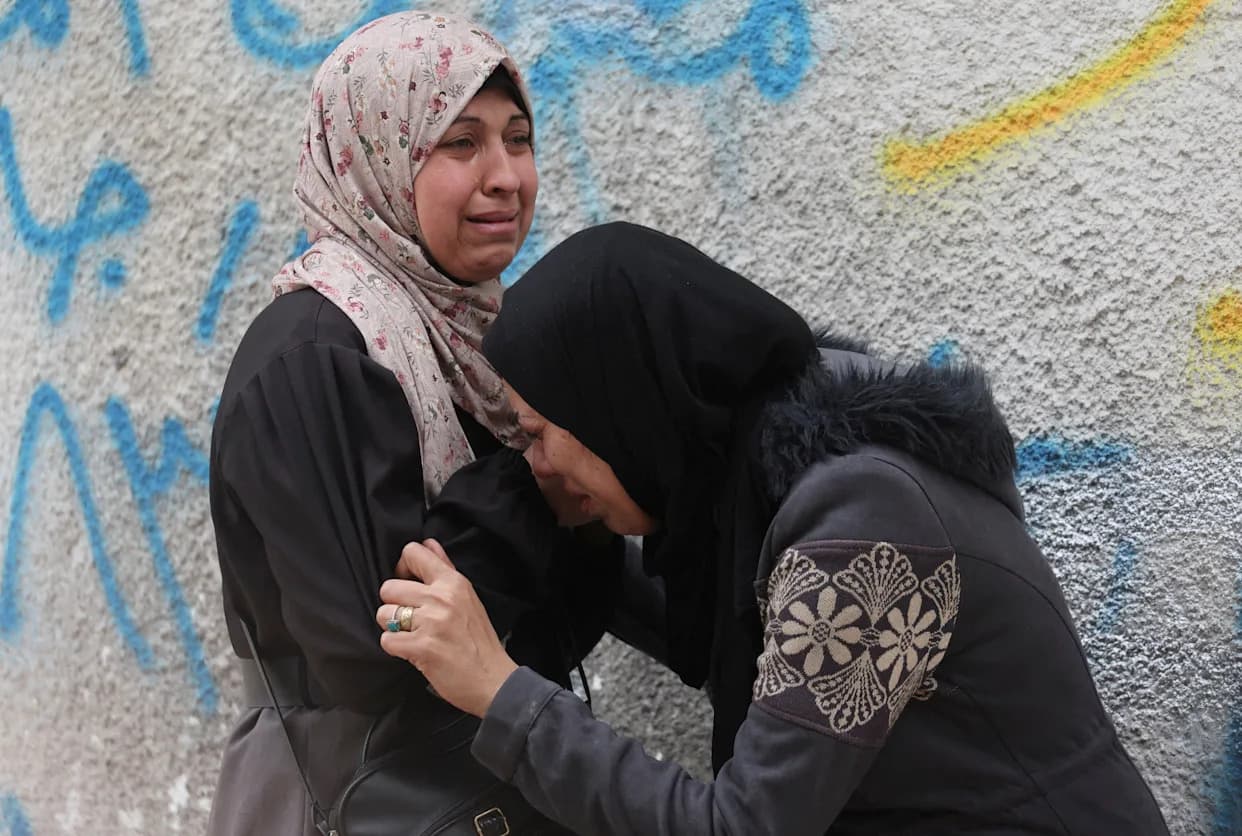
Iranians say they are living in a "state of limbo" as they await further moves from the United States while the death toll from Tehran's crackdown on protesters has reportedly climbed past 6,000, according to the Human Rights Activists News Agency (HRANA) and analyst Tara Kangarlou.
Tara Kangarlou, author of The Heartbeat of Iran and a Georgetown University instructor who has maintained contact with people inside the country despite a 20-day internet blackout, said many inside Iran are anxiously waiting to see what comes next. Kangarlou described citizens briefly connecting online through VPNs and viewing "harrowing" footage of the crackdown.
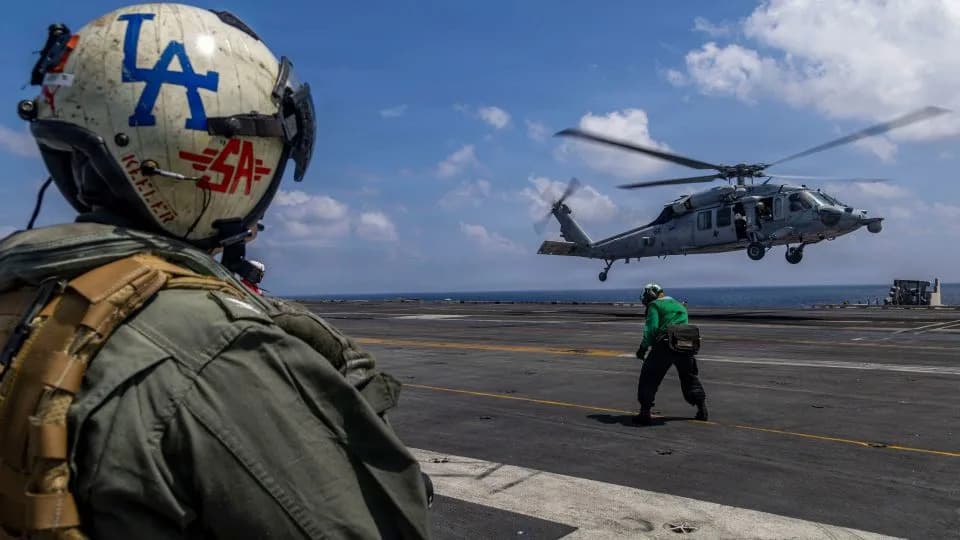
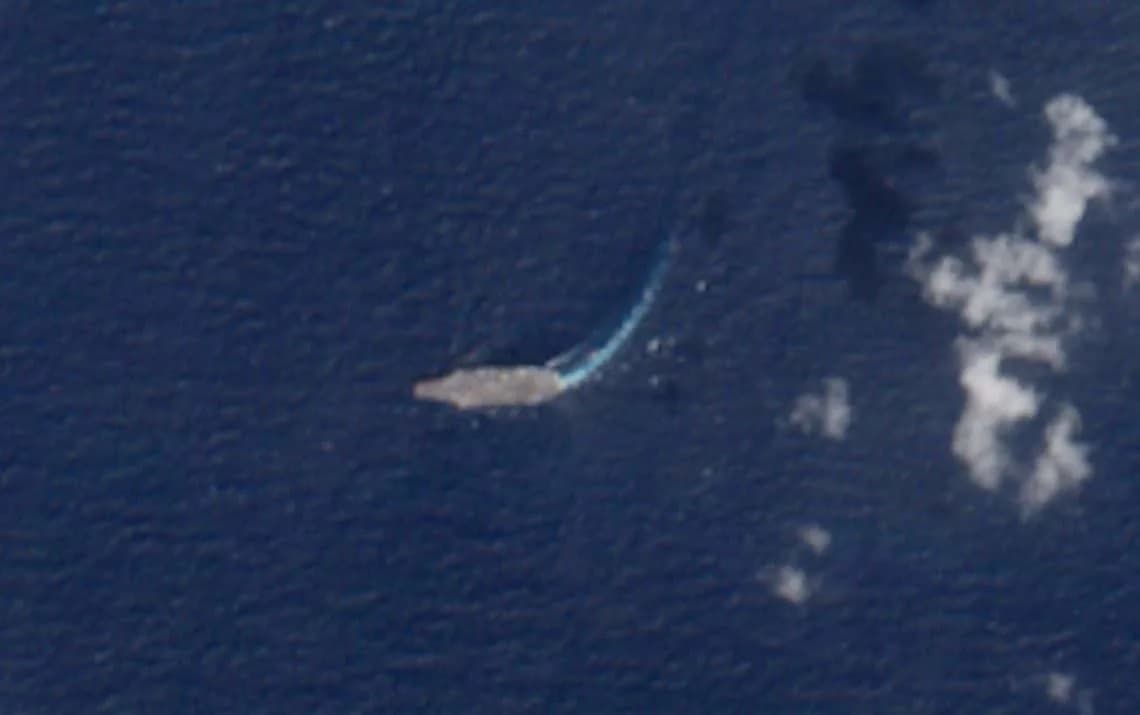
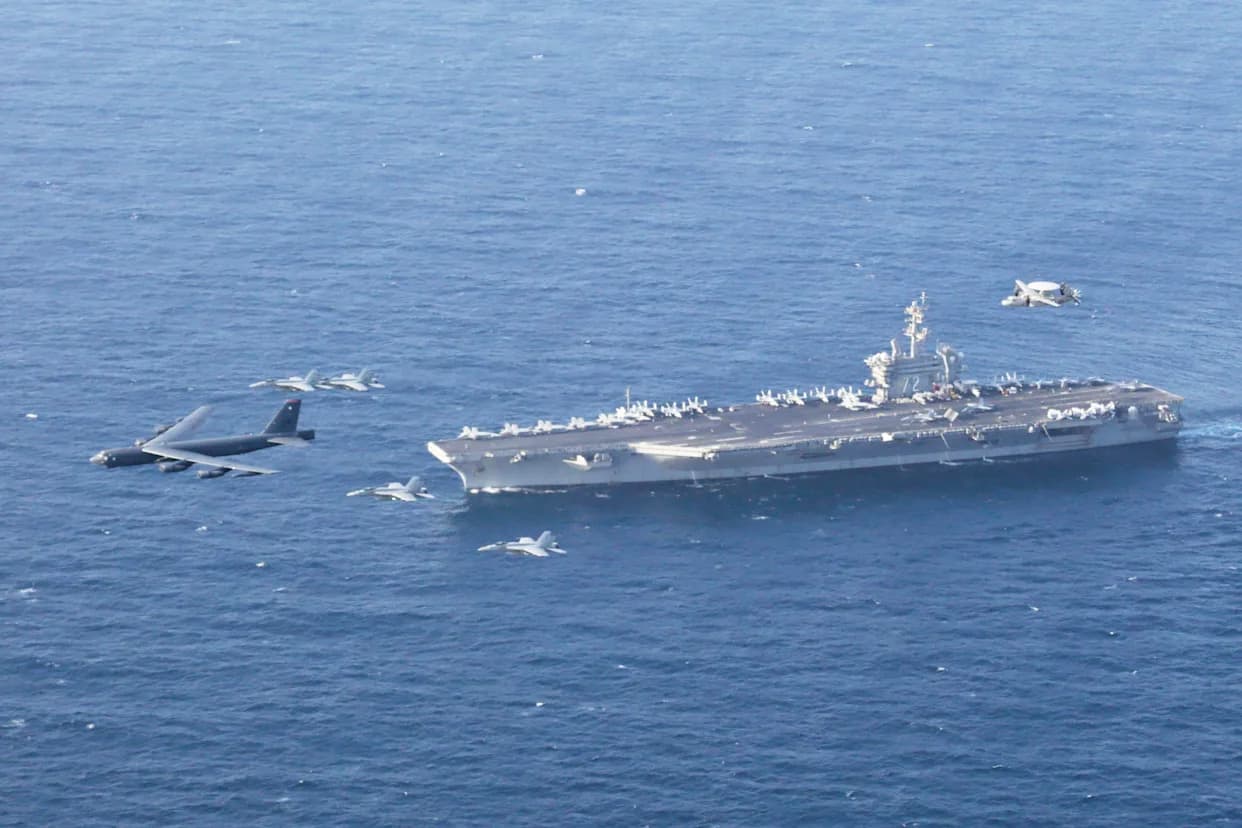
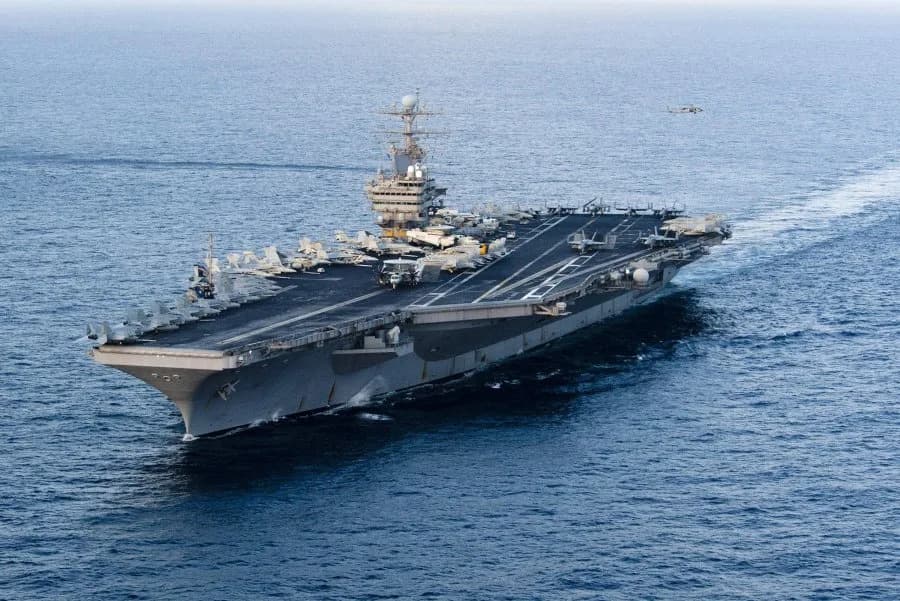
U.S. military assets have been repositioned to the region: the aircraft carrier USS Abraham Lincoln and its strike group arrived in the Indian Ocean accompanied by a squadron of fighter jets. The deployment echoes a recent U.S. naval movement that preceded the Venezuela operation earlier this month.
HRANA, a U.S.-based independent group, reports more than 6,000 deaths since the government began the crackdown last month — a figure that is more than double Iran's official count. Kangarlou said physicians on the ground have told her the real totals are likely higher, and that detentions and deaths in custody continue despite official claims of improvements.
'These people are living in limbo, waiting to see what happens next,' Kangarlou said, noting how mixed signals about foreign intervention can intensify repression rather than relieve it.
Kangarlou also recounted individual tragedies: on Jan. 10, the IRGC allegedly shot and killed 30-year-old makeup artist Parisa Lashkari, leaving her 7-year-old daughter, a second-grader in Nur al-Badmama Sani, without a parent.
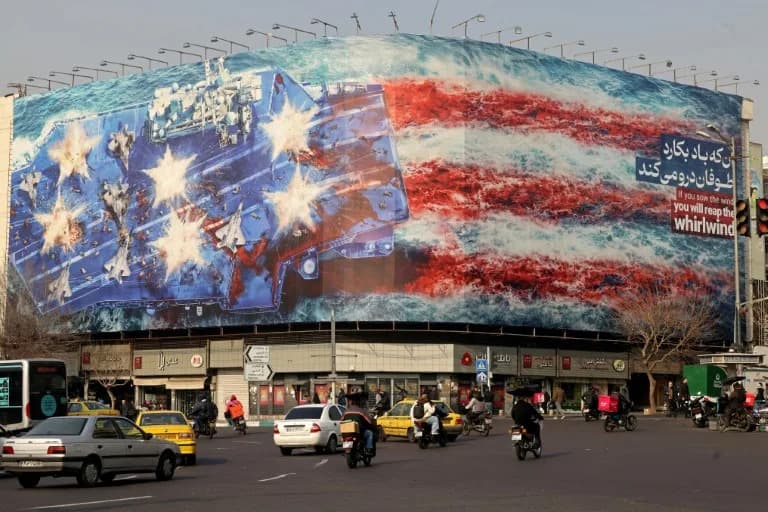
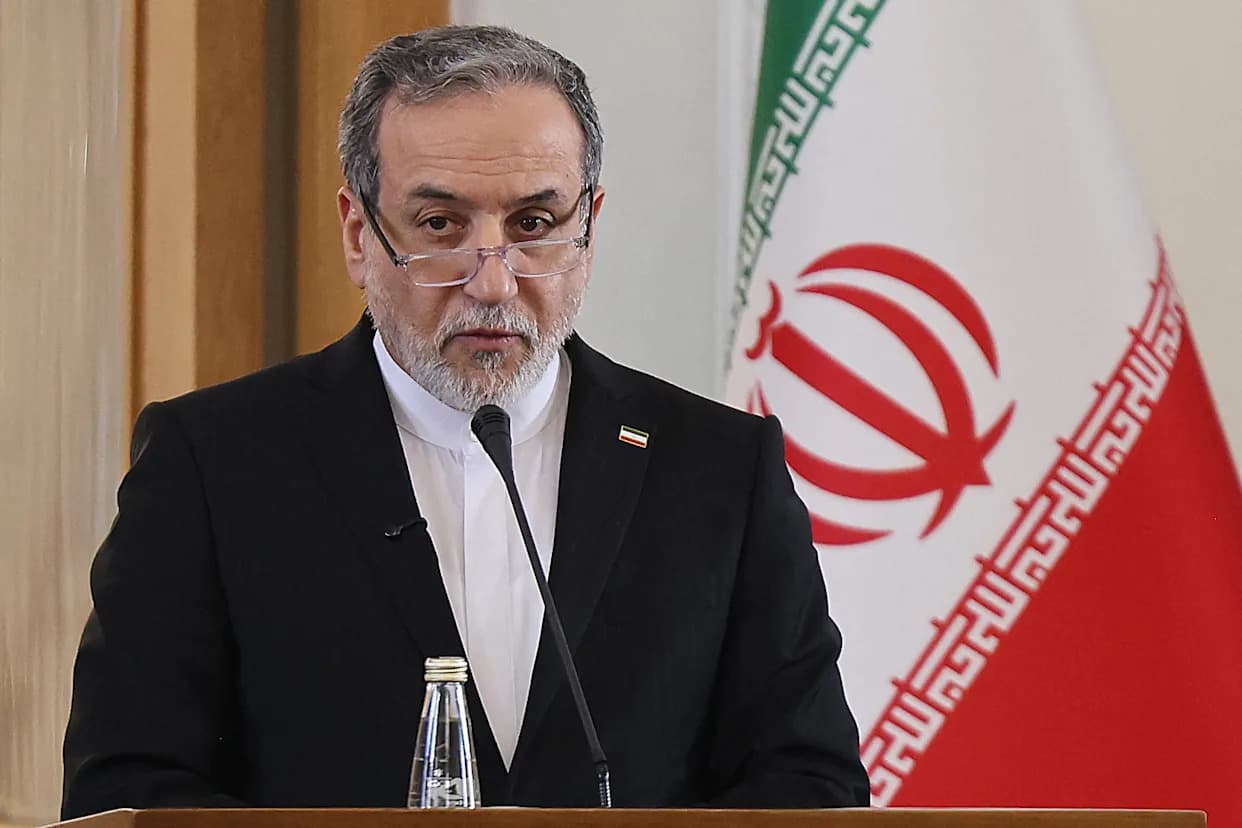
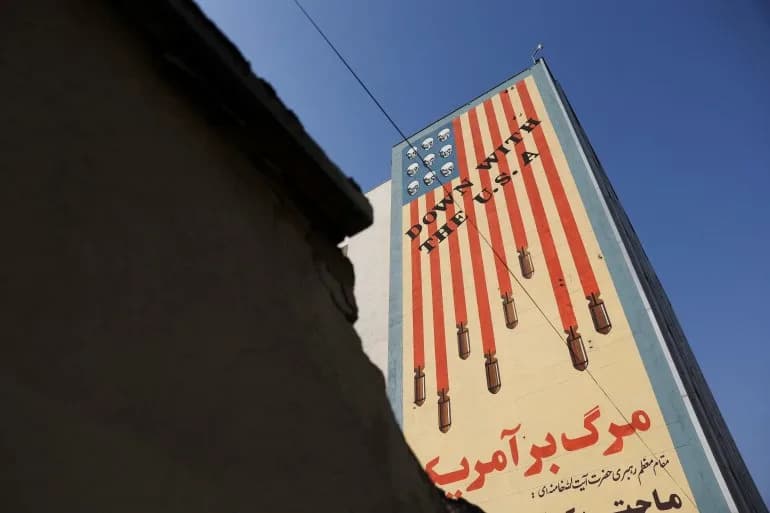
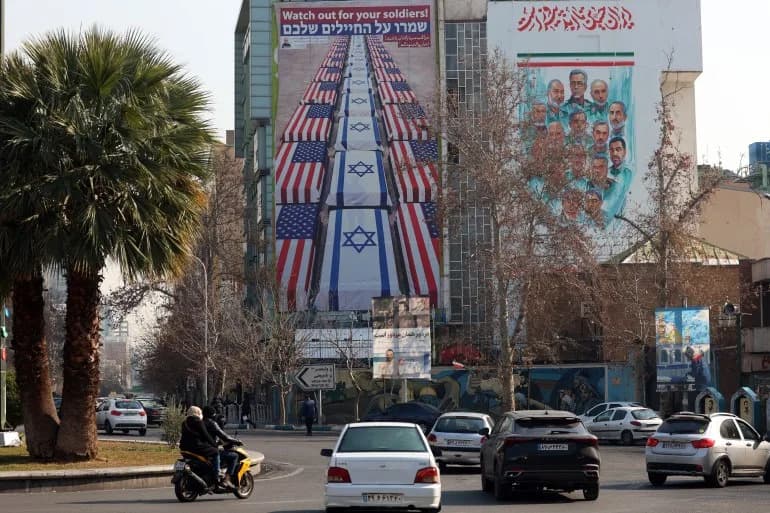
Tehran has reacted defiantly to U.S. pressure. Officials said the presence of foreign warships 'is not going to shake Iran's will or determination to defend the country with full force,' and state actors displayed a mural in Tehran depicting a damaged U.S. aircraft carrier.
The economic situation is worsening: Iran's currency has plunged to record lows and inflation has reportedly topped 60 percent, compounding the hardships faced by ordinary citizens.
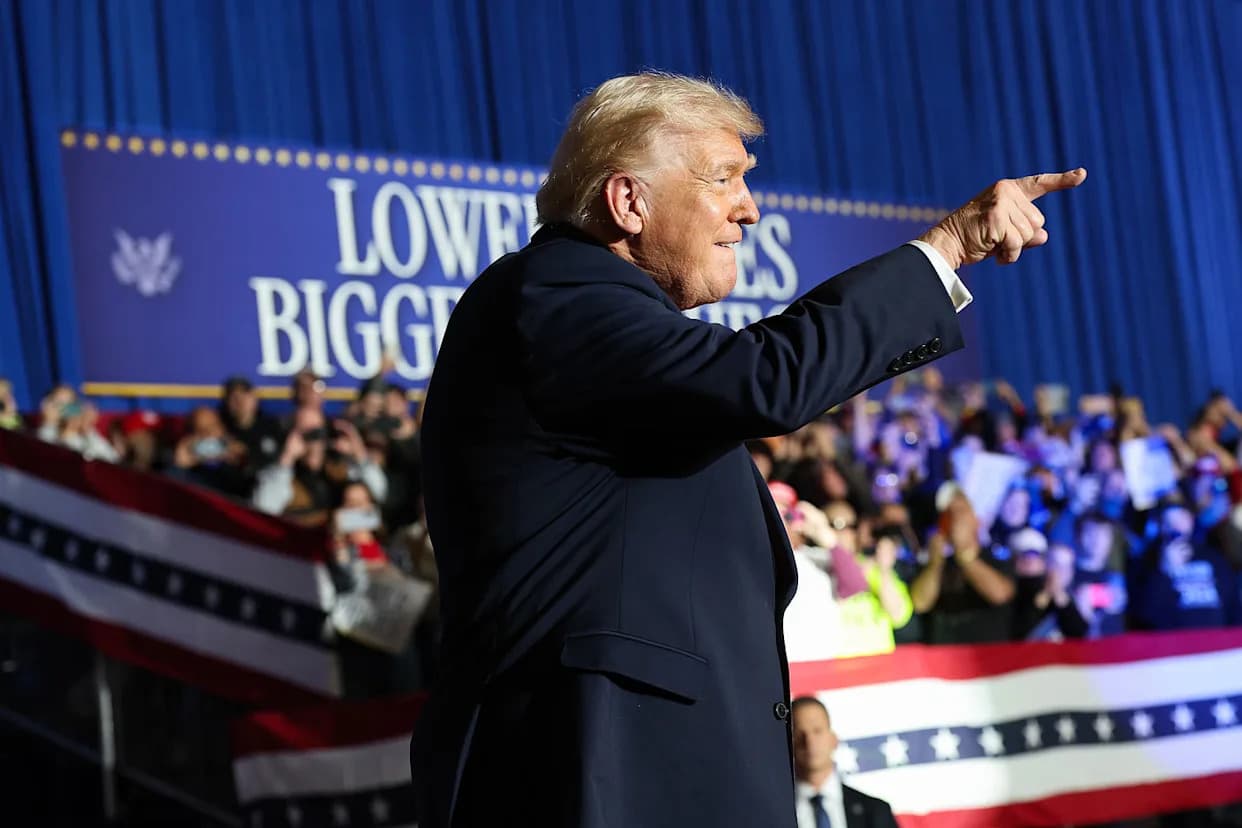
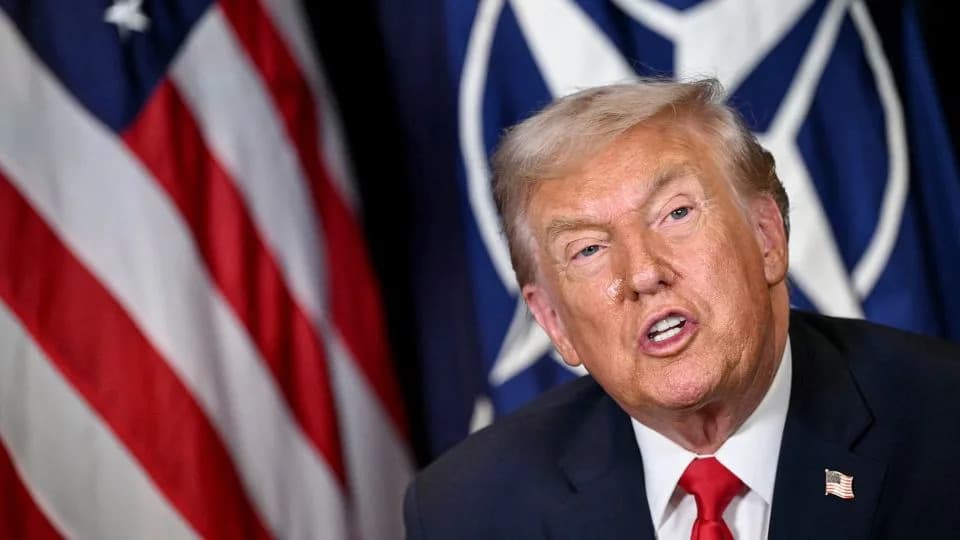
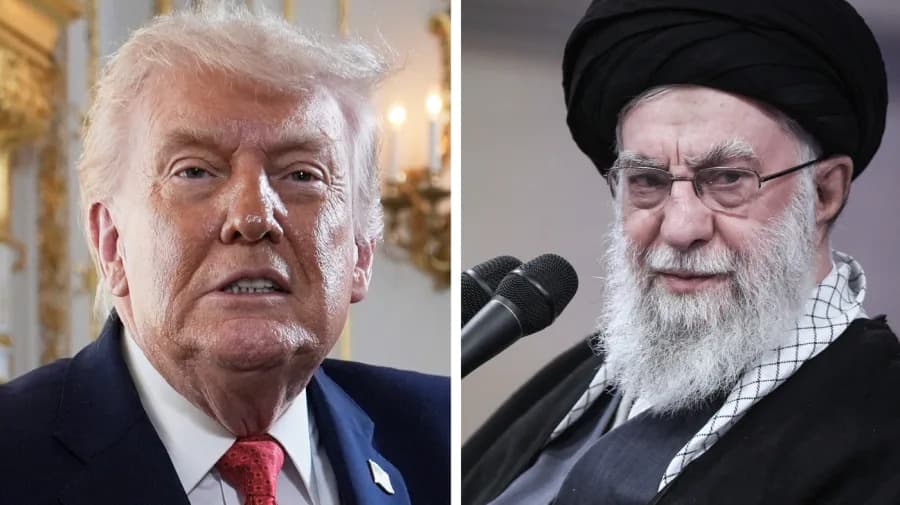
President Donald Trump has repeatedly warned Iran against further violence toward protesters and has threatened possible intervention, though he said he has not decided whether to order strikes and suggested Iran may now be open to negotiations.
Context and caveats: Casualty figures and accounts of events in the midst of an internet blackout are difficult to verify independently. This article attributes casualty totals to HRANA and situational reporting to Kangarlou and on-the-ground physicians as cited in original reporting.
Help us improve.