Summary: Iran combined traditional riot‑control methods with military‑grade surveillance, wide‑scale signal jamming (including reported interference with Starlink), and rapid Basij deployments to suppress nationwide protests after January 10. State media and government outlets amplified intimidation through morgue footage, detained‑person broadcasts and accusations that demonstrators were foreign agents. Experts say the speed and sophistication of the blackout and propaganda campaign reflect lessons Tehran drew after the June conflict with Israel.
Iran Adds Military‑Grade Tech and PsyOps to an Age‑Old Playbook for Crushing Protests
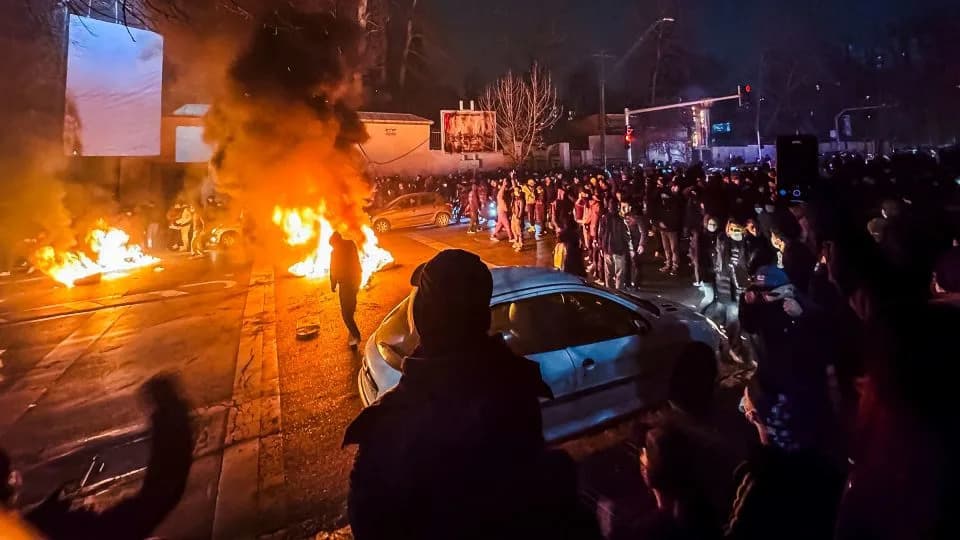
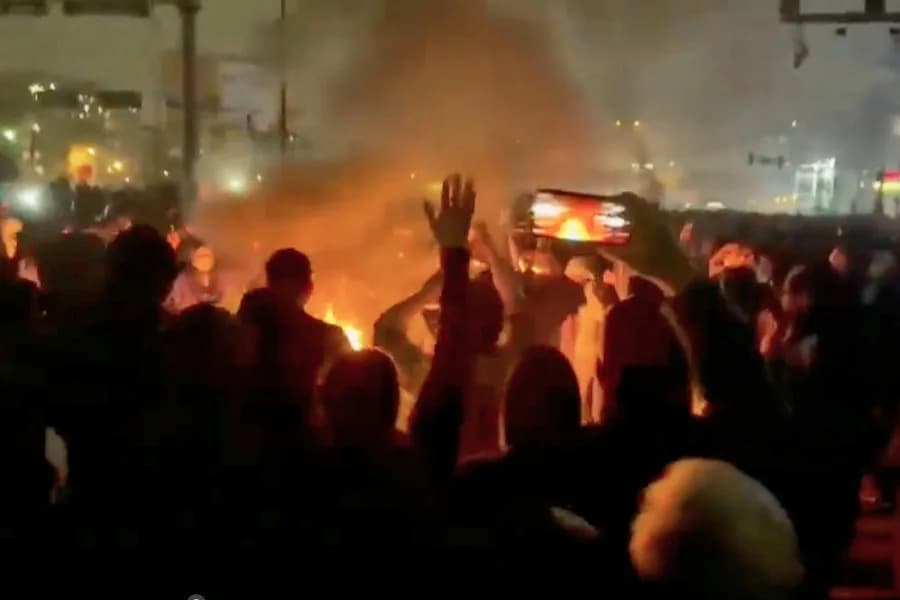
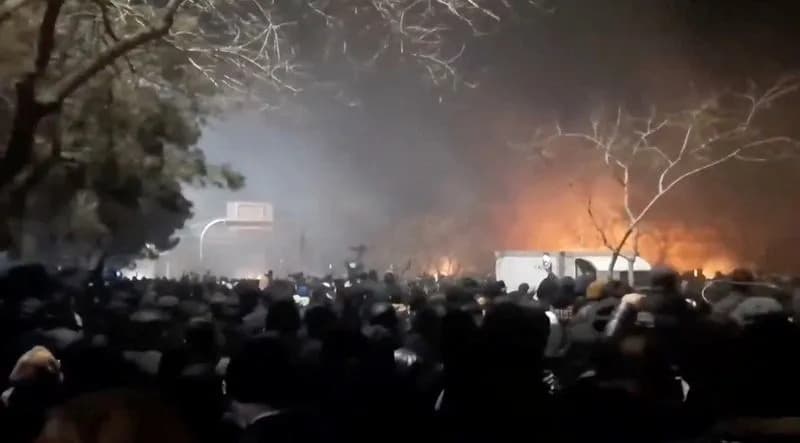
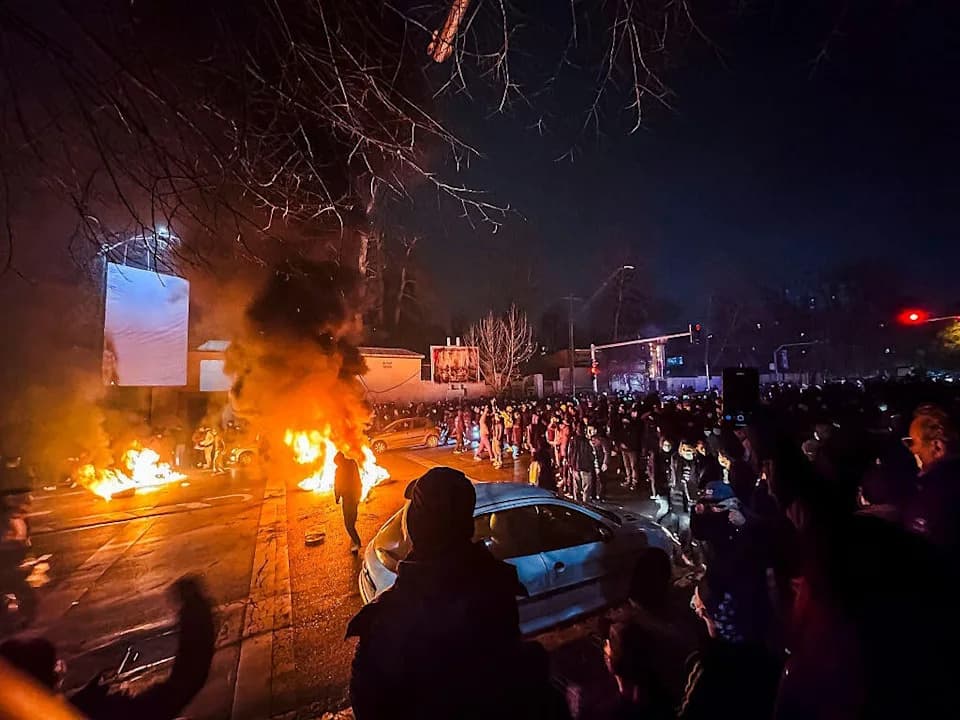
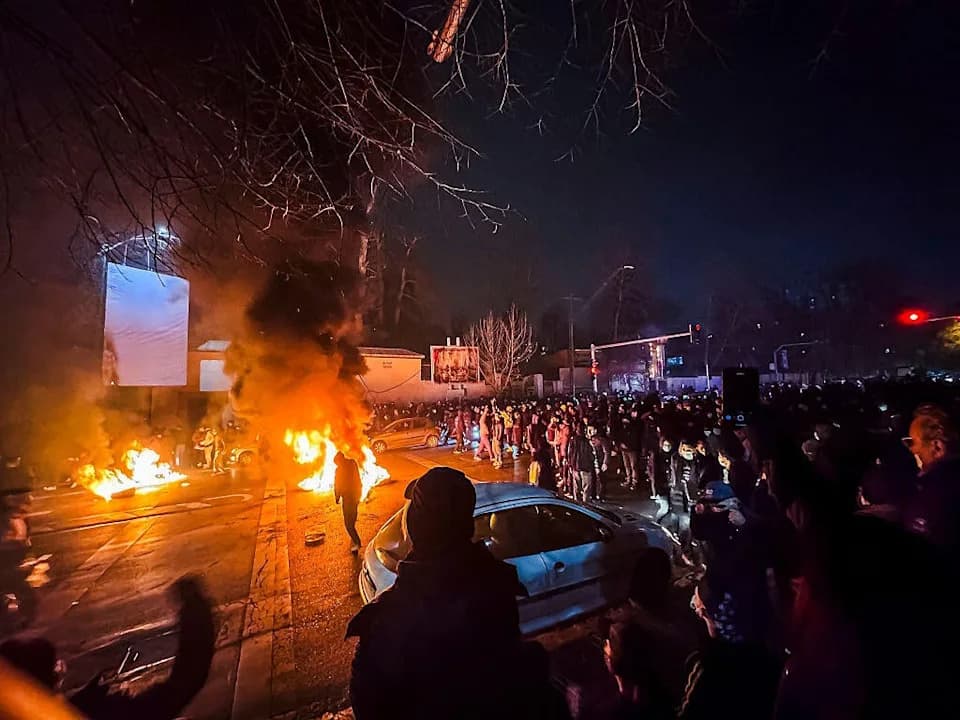
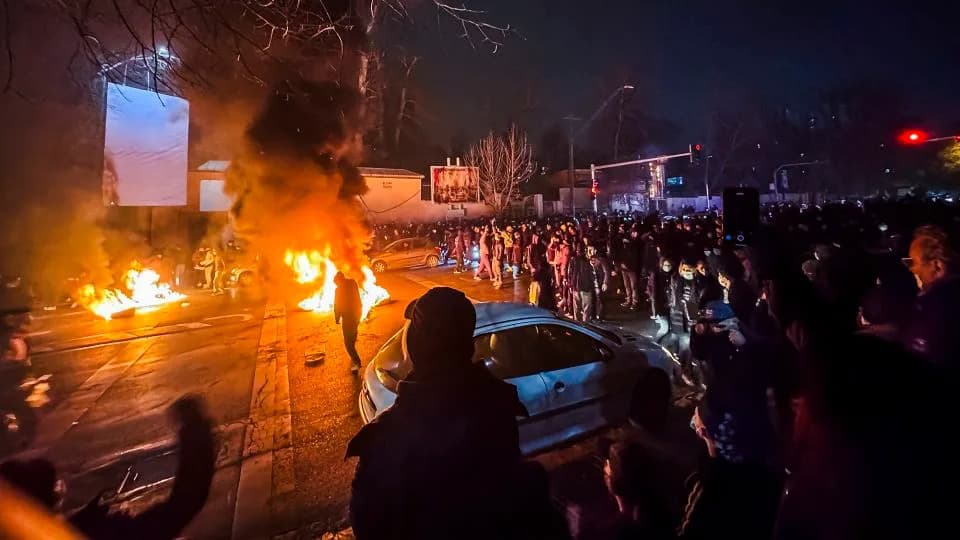
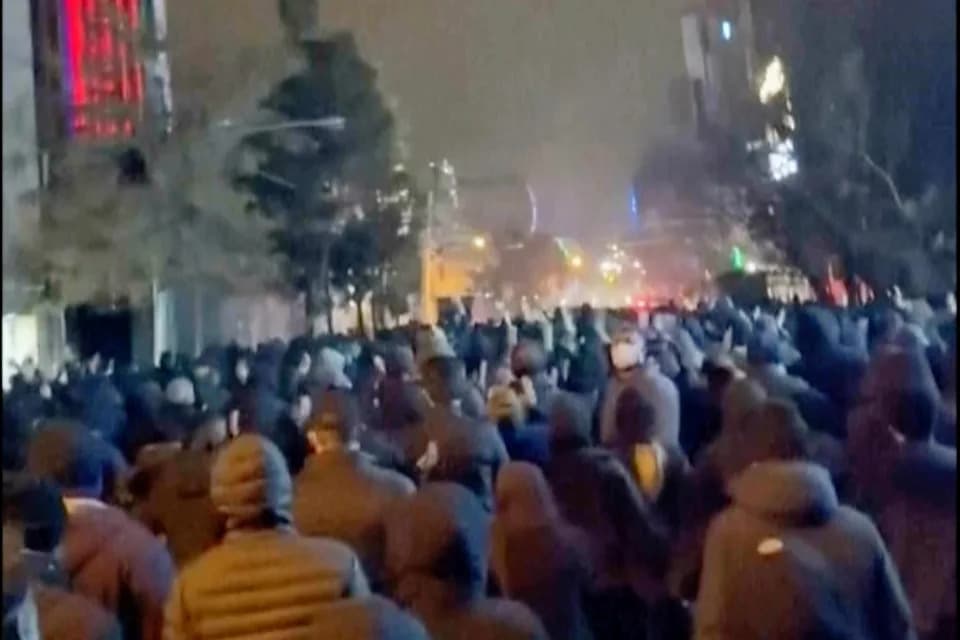
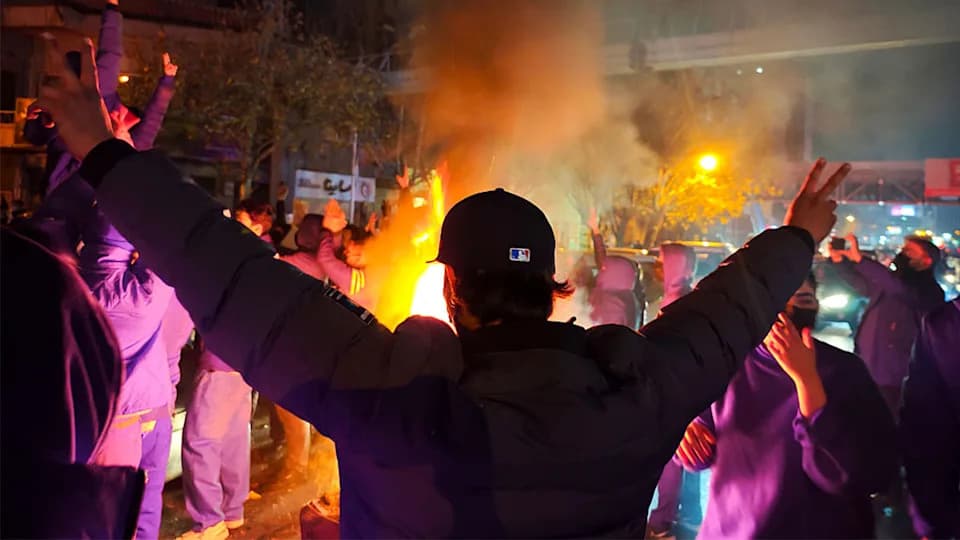
Iranian protesters gather in the capital Tehran on January 9. The regime's subsequent crackdown may have produced one of the highest death tolls since Iran's 1979 revolution. - MAHSA/Middle East Images/AFP/Getty Images
Iran has combined longstanding riot‑control tactics with military‑grade technology and coordinated psychological operations to rapidly suppress nationwide protests, marking a worrying tactical shift by a regime that increasingly treats domestic dissent as part of its confrontation with Israel.
Rapid, Coordinated Response
What began as familiar crowd‑control measures escalated into a synchronized campaign that deployed low‑flying surveillance drones, wide‑scale signal jamming, an automated communications blackout and a fast‑moving propaganda apparatus alongside violent on‑the‑ground repression. Experts say the blended use of hardware and media represents a new, faster playbook for quashing unrest.
Surveillance and Targeting
Authorities monitored streets with CCTV and extended that surveillance into residential areas. Security forces circulated a video titled "Identifiable Sounds" that depicted drones hovering outside apartment blocks and operators peering into windows to locate people chanting anti‑regime slogans. The footage showed officials marking buildings with warning stickers and, in some cases, arresting residents. A post from Iran’s national police bluntly declared: "Everything is under surveillance."
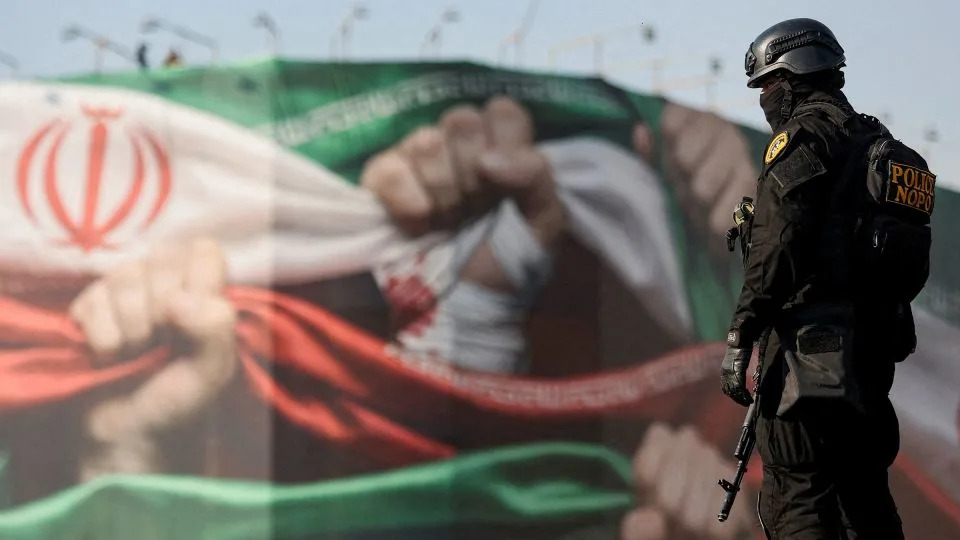
A member of the Iranian police observes a pro-government rally held in Tehran on January 12, as the country entered a third week of nationwide anti-regime protests. - WANA/Reuters
Communications Blackout and Signal Jamming
For days, Iran was largely cut off from the outside world as officials implemented an unprecedented communications blackout. Internet monitoring groups described the outage as among the most severe tracked globally. Even SpaceX's Starlink terminals — increasingly used by Iranians to bypass restrictions — were reportedly jammed using sophisticated, military‑grade techniques, according to cybersecurity experts.
“It was not regular jamming; they have some sort of military equipment,” said Amir Rashidi, an Iranian cybersecurity expert and director at the New York‑based digital advocacy group Miaan.
Force Mobilization and Propaganda
The regime rapidly mobilized the Basij paramilitary and other security units after a major escalation of protests on January 10. Those deployments — reportedly modeled in part on tactics used during the recent conflict with Israel — contributed to a crackdown that lasted several days and, according to multiple reports, produced a high death toll and thousands of arrests.
State media amplified intimidation through a steady stream of messaging: televised morgue footage, broadcasts of detainee confessions, images of seized weapons and large, state‑organized rallies intended to demonstrate public support for the government. Officials characterized protesters as foreign agents and framed the unrest as an extension of the war with Israel, dubbing it the “thirteenth day of war.”
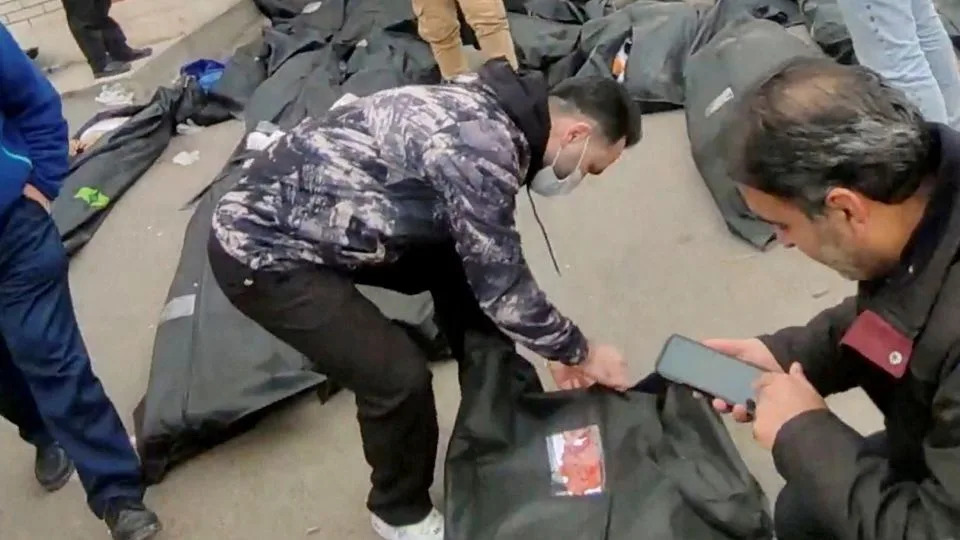
Body bags outside Kahrizak Forensic Medical Centre in Tehran, Iran, in this screen capture from a video obtained from social media filed on January 11. - Reuters
Why This Marks A Shift
Observers say the speed, scale and technical sophistication of the response — automated communications controls, military‑grade jamming and coordinated psyops — reflect lessons Tehran reportedly drew after vulnerabilities exposed during the 12‑day war in June. That learning appears to have accelerated efforts to nationalize internet infrastructure, enhance censorship capacity and streamline the state’s ability to suppress dissent rapidly.
Human Cost And Information Gaps
The government has not accepted responsibility for the deaths that have been reported; instead it blamed "rioters" allegedly backed by foreign adversaries. Accurate assessments of protest size and casualty figures remain difficult because of the communications blackout and restricted independent reporting. International observers and rights groups continue to call for transparent investigations and protections for peaceful assembly.
Reporting Note: This article is based on expert analysis and contemporaneous media reporting on the events surrounding nationwide protests and the Iranian government’s response.
Help us improve.